REVIEW · TURIN
Fine Chocolate Tasting in Turin
Book on GetYourGuide →Operated by Slow Travel · Bookable on GetYourGuide
Turin has a sweet secret.
This tasting at Chocolate7 turns your hour into a structured chocolate lesson, not just “try a few squares.” I like that it starts with Gianduja (Piedmont’s classic hazelnut-and-chocolate blend) and then walks you through how different makers handle flavor. I also like the focus on bean-to-bar and tasting notes, so you know what you’re actually noticing, not just what tastes good.
The main thing to consider: the shop is small, so you may stand or have limited seating. If you’re expecting a spacious venue, plan for that.
In This Review
- Key Highlights You’ll Feel Right Away
- Chocolate7 in Turin: where you’ll actually start
- A 1-hour “food tasting” that feels like a real lesson
- Gianduja in Piedmont: the opening bite that sets the tone
- Local and Italian makers: tasting notes you can actually use
- The international finish: dark, milk, and white
- Bean-to-bar explained: why the method changes the taste
- Your host Giovanni: friendly, passionate, and easy to follow
- Group size, comfort, and what to bring
- Price and value: is $36 worth it?
- Who this tasting suits best
- Should you book Fine Chocolate Tasting in Turin at Chocolate7?
- FAQ
- How long does the fine chocolate tasting last?
- Where do I meet the host?
- What is included in the price?
- Can you accommodate a hazelnut allergy?
- What types of chocolate will I taste?
- How many people are in the group?
- Is this experience wheelchair accessible?
Key Highlights You’ll Feel Right Away
- Gianduja first, so you start with the Piedmont flavor Turin is famous for
- No emulsifiers and mostly organic chocolates, which changes how the chocolate tastes and melts
- Small group of up to 8, making it easy to ask questions during the tasting
- All four chocolate categories in the lineup, finishing with international dark, milk, and white
- Bean-to-bar explained in plain terms, with tasting notes you can actually use later
- Hazelnut allergy accommodations are possible if you tell the host at the start
Chocolate7 in Turin: where you’ll actually start
You meet the host inside Chocolate7, a small boutique located to the left of a sushi restaurant. When you enter, show your ticket to begin. It’s the kind of spot where you walk in and immediately smell chocolate and toasted nuts—already a good sign.
Since the experience is only one hour, timing matters. Show up a few minutes early so you don’t feel rushed when the tasting begins. You’ll be doing a lot of sampling, so comfortable shoes help too (it’s a compact shop and you may be standing during parts of the session).
One more practical note: this isn’t described as wheelchair friendly. If mobility is a concern, check in before you book.
A 1-hour “food tasting” that feels like a real lesson
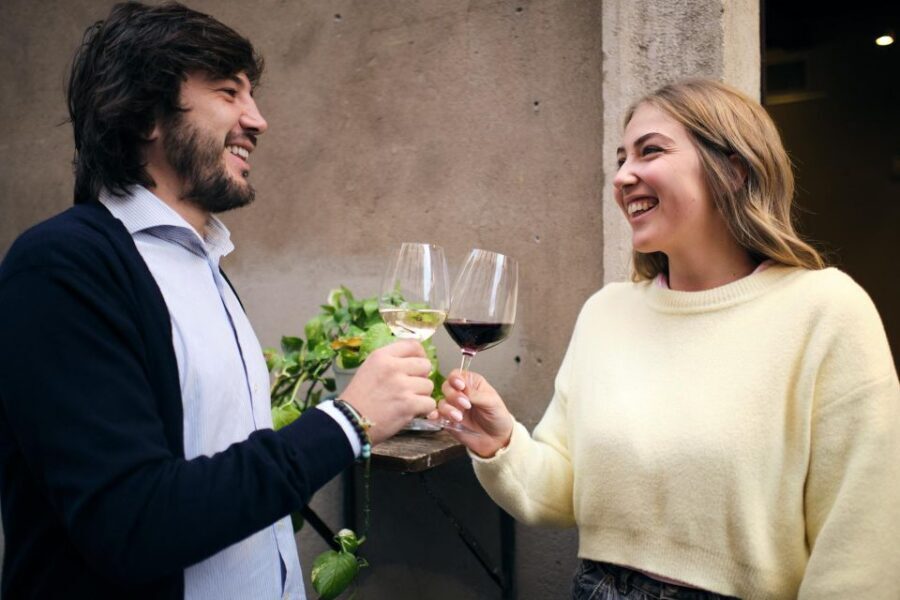
This is a guided tasting, not a free-for-all. You’ll stay in the shop while the host guides you through the chocolate lineup, explaining what you’re eating and what to look for on your palate. The pace is relaxed, and because the group is limited to 8, you get room for questions instead of feeling like a number.
What makes the hour work so well is the structure:
- You start with a local anchor (Gianduja)
- You move through other makers and styles
- You finish with international chocolates in classic formats (dark, milk, white)
- Along the way, you learn how tasting notes map to what you’re feeling
You’ll end up with a better “flavor vocabulary” for chocolate—think the way wine tasting gives you language for acidity, body, or aroma. Here, it’s more about how the chocolate tastes (and how it behaves).
Gianduja in Piedmont: the opening bite that sets the tone
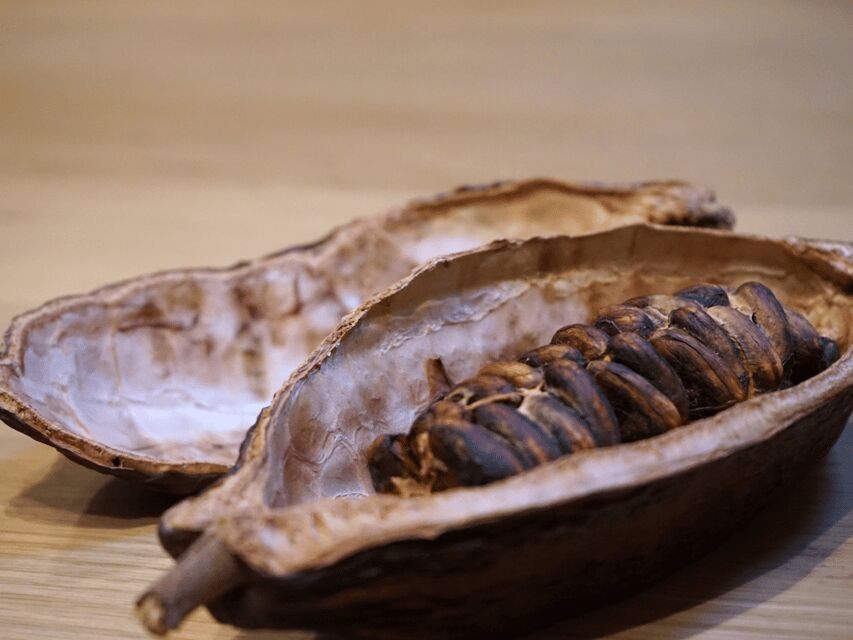
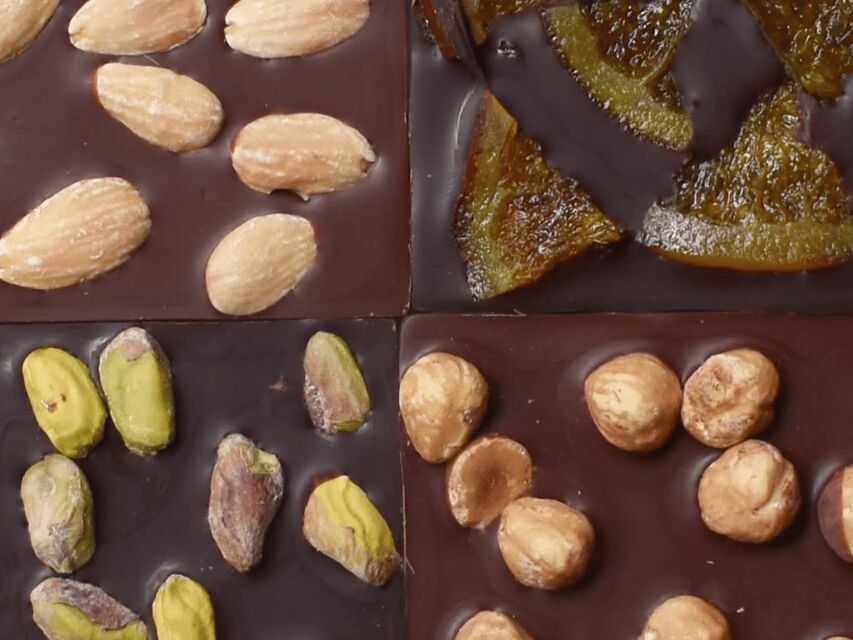
The tasting begins with Gianduja, and that choice makes sense for Turin. Gianduja is a smooth mix of rich chocolate and toasted hazelnuts from Piedmont, and it gives you a baseline flavor that’s local and unmistakable.
I like starting here because it quickly teaches you something important: not all chocolate sweetness is the same. Hazelnuts bring a creamy, toasted character that changes the whole experience compared to straight dark chocolate. Once you taste Gianduja first, the later comparisons make more sense—your palate has a reference point.
If you’re a hazelnut fan, this part alone is worth the visit. If you’re not, you still benefit because you’ll learn how ingredient choices shape texture and flavor.
Local and Italian makers: tasting notes you can actually use
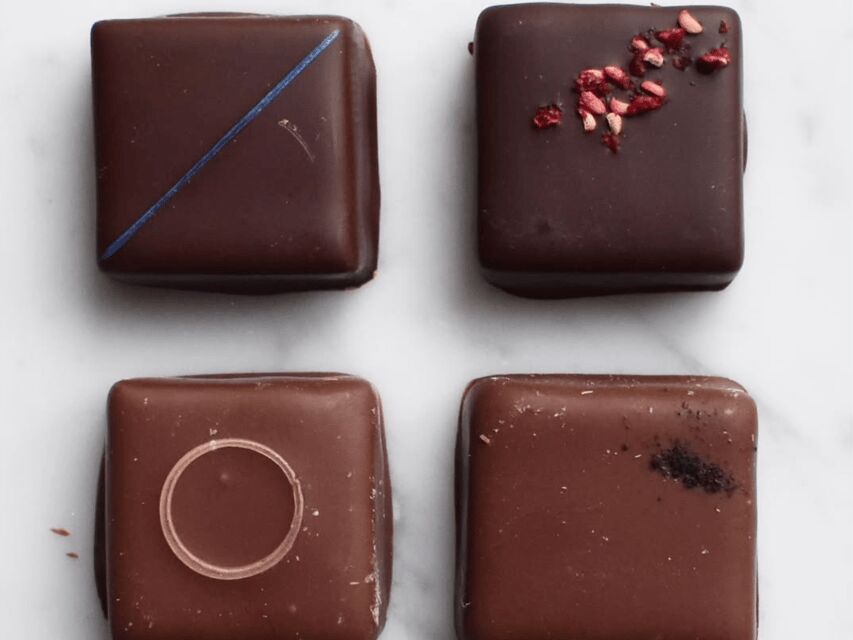
After Gianduja, you’ll taste other chocolates from local and Italian producers. This segment is where you start noticing differences that casual chocolate shopping usually hides—things like balance, texture, and the way flavors linger.
The tasting is set up so you’re not just going from “good” to “better.” Instead, you’re learning how to read tasting notes and connect them to what you taste. That’s a big deal if you ever buy fine chocolate and wonder why two bars with the same percentage taste nothing alike.
Also, the chocolate in this tasting is described as pure, mainly organic, and without emulsifiers. That matters because emulsifiers can make chocolate feel more uniform. Without them, you tend to experience more natural flavor variation and a more distinct melt. You might find the chocolate feels less “processed” and more like it has a defined character—especially when you’re switching between types.
The international finish: dark, milk, and white
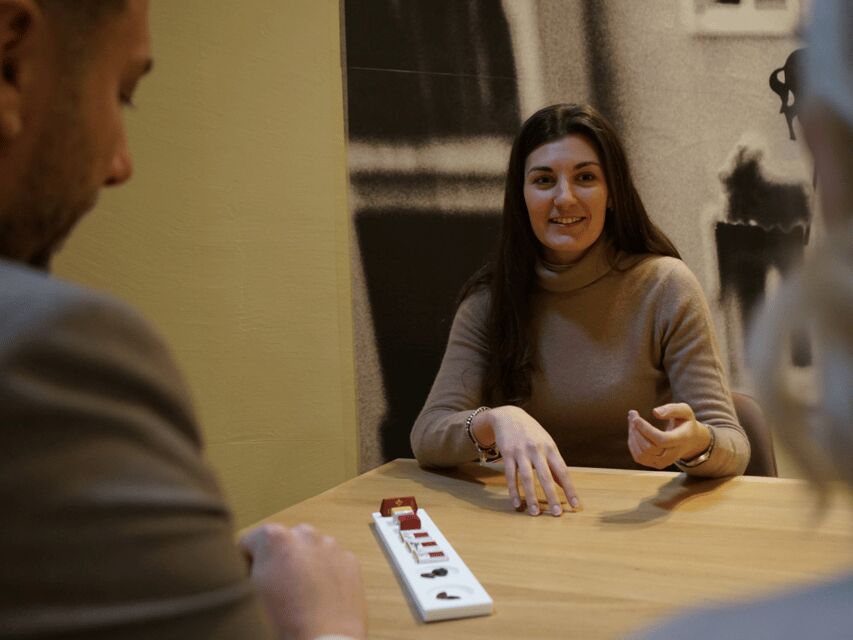
The final stage shifts to international bean-to-bar fine chocolates, including dark, milk, and white. This is a smart finish because it broadens your palate. You’re not only learning about Turin and Piedmont—you’re also getting a sense of how different chocolatiers interpret the same basic chocolate categories.
Dark chocolate can show deeper cocoa character and often feels less sweet on the tongue. Milk usually softens the edges and adds a different kind of creaminess. White chocolate is its own world too, mostly about cocoa butter texture and sweetness. The host ties these differences back to tasting notes, so you can follow what’s happening instead of guessing.
And because you’ve already tasted Gianduja and local styles earlier, you’re more prepared to compare rather than just sample.
Bean-to-bar explained: why the method changes the taste
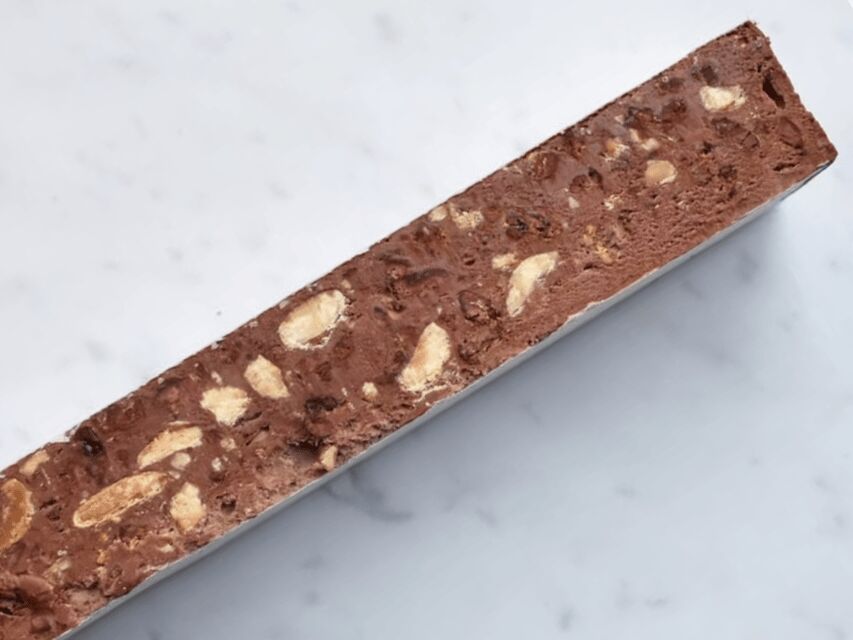
The big theme here is bean-to-bar. The host explains it as a method where chocolatiers oversee every step of the chocolate-making process. You don’t need a chemistry degree to enjoy this part—you just need to listen for what the host is emphasizing.
In practical terms, bean-to-bar matters because it puts control in fewer hands. That usually means you get more consistent quality and more intentional flavor decisions. The tasting leans into this idea by connecting the method to the flavor notes you’re tasting in the room.
Here’s what I’d pay attention to during the tasting:
- How the chocolate’s flavor changes from first bite to after-swallow
- Whether flavors feel clean and specific or blended together
- How the texture differs between the different chocolate types you’re trying
If you like wine tastings, you’ll recognize the format: same basic thing (chocolate), different producers and styles, and a guide translating what you’re tasting into understandable terms.
Your host Giovanni: friendly, passionate, and easy to follow

The host at Chocolate7 is Giovanni, and the vibe is very human: warm, excited, and generous with explanations. People consistently mention how friendly he is and how passionate he seems. That passion matters because it keeps the hour from feeling like a lecture.
You’ll likely enjoy the way he connects chocolate to place—especially when talking about Piedmont’s Gianduja and how local ingredients shape results. One of the best parts is that the tasting feels interactive. If you want to ask what a flavor note means, you’ll have a chance.
There’s also evidence the host pays attention to individual needs. If you have a hazelnut allergy or intolerance, the host can provide alternatives, but you must communicate it at the beginning of the tasting. Do it early—don’t wait until later.
Group size, comfort, and what to bring
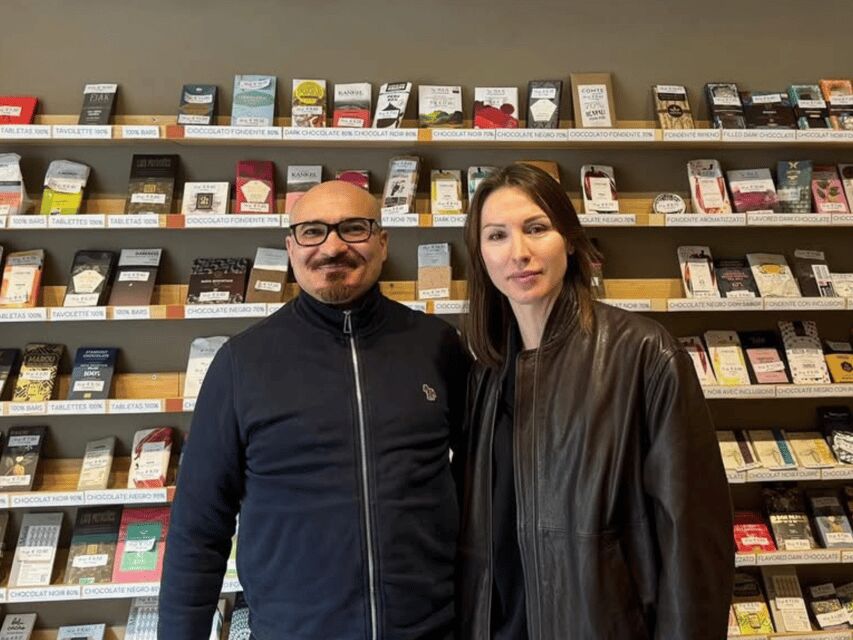
This is a small group limited to 8 participants, so you won’t be herded through. That’s one of the big quality signals: with fewer people, you get more time for tasting and questions.
Comfort-wise, bring comfortable shoes. The shop is described as small, and at least one person noted limited seating. If you’re taller or you dislike standing, you can still go—but go with realistic expectations.
In terms of languages, the host can guide in Italian, French, and English, so you’re not stuck guessing what’s happening.
Price and value: is $36 worth it?
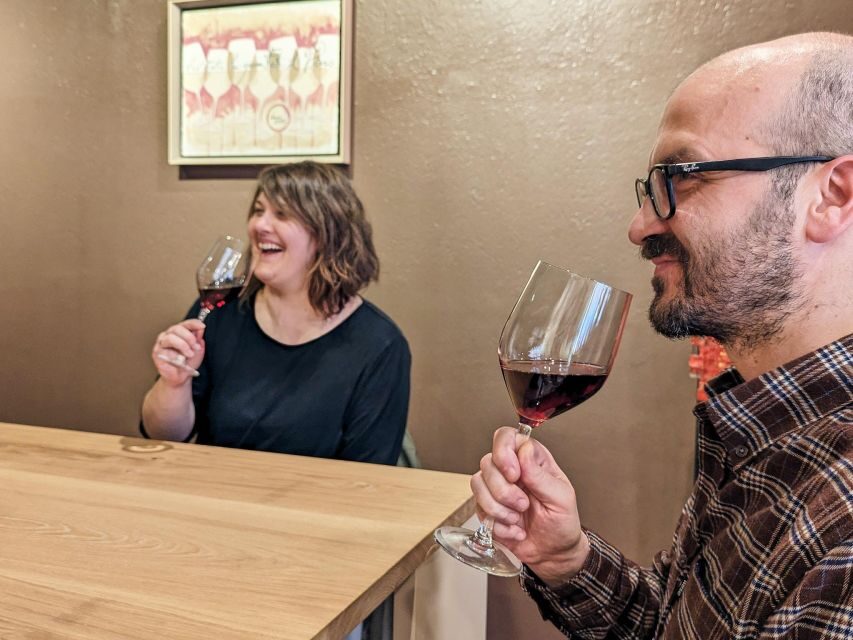
At $36 per person for 1 hour, it’s not a cheap snack. But it also isn’t a “pay for a single chocolate moment” situation. You’re paying for:
- A guided tasting with learning and tasting notes
- A structured variety across local/Italian and international chocolates
- The bean-to-bar explanation (and why it affects flavor)
- A host who keeps it engaging rather than rushed
For me, the value is in the mix: you get both Piedmont identity (Gianduja) and a broader fine-chocolate education (dark, milk, white, bean-to-bar). If you’re the type who enjoys food tours that teach you how to taste—this feels like a fair trade.
Who this tasting suits best
This experience is ideal if you:
- Love chocolate and want to move beyond basic candy bars
- Enjoy tasting formats like wine tastings, where notes matter
- Want a short, focused activity in Turin without travel hassles
- Appreciate artisanal food made with fewer additives (like no emulsifiers)
It may be less ideal if you:
- Need lots of seating space
- Are sensitive to hazelnuts and don’t want to communicate your needs at the start
- Want something hands-on like a workshop where you make chocolate (this is guided tasting and learning, not a DIY class)
Should you book Fine Chocolate Tasting in Turin at Chocolate7?
If you want a high-signal, low-stress experience, I’d book it. A full hour in a small shop with an expert host, serious chocolate (mostly organic, no emulsifiers), and a lineup that starts local and ends international is a great use of time.
Book it especially if you’ll enjoy comparing flavors and learning what tasting notes mean. If you prefer big tourist attractions or lots of walking, this won’t scratch that itch. But if your ideal Turin afternoon involves tasting your way through Piedmont chocolate and fine bean-to-bar styles, this is a strong choice.
FAQ
How long does the fine chocolate tasting last?
The experience lasts 1 hour.
Where do I meet the host?
Meet the host inside Chocolate7. It’s a small boutique to the left of a sushi restaurant. Enter and show your ticket to start.
What is included in the price?
The tasting includes local and Italian luxury chocolates, international bean-to-bar fine chocolates, guided explanation of chocolate history and bean-to-bar production, and learning about tasting notes with a host.
Can you accommodate a hazelnut allergy?
Yes, the host can provide alternatives if you have a hazelnut allergy or intolerance, but you need to communicate it at the beginning of the tasting.
What types of chocolate will I taste?
You’ll start with Gianduja, then taste chocolates from local and Italian producers, and finish with international chocolates including dark, milk, and white.
How many people are in the group?
The tasting is a small group limited to 8 participants.
Is this experience wheelchair accessible?
It is not suitable for wheelchair users.