REVIEW · VENICE
Venice at Sunset: Crimes, Legends and Mysteries
Book on Viator →Operated by Hili Travel s.r.l. · Bookable on Viator
Venice turns darker after sunset. This 90-minute, foot-focused walk puts you in the path of Venice’s darker legends—criminal tales, spooky mysteries, and roadside-history storytelling—while the light softens into that golden hour glow.
I like how simple walking makes the whole thing feel easy and atmospheric. You’re not stuck in a theater; you’re moving through real neighborhoods. I also like the true-crime style commentary, where a licensed Venetian guide ties landmarks to stories and keeps the pace friendly and conversational.
The main thing to consider: the subject matter can be dark and macabre, so it may not suit kids. Also, expect some standing on harder surfaces while the guide talks.
In This Review
- Key takeaways
- How This Venice Sunset Walk Rewires the City’s Mood
- Meeting Point at Campo San Polo, Then a Calm 90 Minutes
- San Polo: Quiet Canals, Bridge Shadows, and Small-Street Drama
- What you’ll like here
- Possible drawback
- Campo San Silvestro: A Small Square With Big-City Gloom
- What makes this stop valuable
- What to watch for
- Ponte di Rialto: A Famous Spot, Told Like a Secret
- Why this stop fits the tour
- Small practical note
- Corte Seconda del Milion: Where Silence Becomes the Point
- What you’ll gain
- Possible drawback
- Campo de la Fava and the Long Shadow of Rivalries
- Why this stop is memorable
- What to consider
- Piazza San Marco: Executions, Justice, and the Loudness of Stone
- What you’ll like here
- Final practical tip
- Guide Energy: How Licensed Local Storytelling Makes the Walk Click
- Value Check: Is $50.46 Worth It?
- Who Should Book This Tour (and Who Might Want Another Plan)
- Should You Book Venice at Sunset: Crimes, Legends and Mysteries?
- FAQ
- How long is Venice at Sunset: Crimes, Legends and Mysteries?
- What’s the price per person?
- Where does the tour start and end?
- Is this tour offered in English?
- Is admission required for the stops?
- What’s included in the tour price?
- Is it suitable for children?
- Are service animals allowed?
- What’s the maximum group size?
- Is there free cancellation?
Key takeaways
- Sunset timing helps you spot corners you’d skip in daylight
- San Polo and Rialto-area streets turn into story stages on foot
- Piazza San Marco becomes more than a photo stop once the executions stories enter
- Licensed English-speaking guides bring the details together (people highlight guides like Marina, Ursula, and Giulia)
- No museum logistics at the stops: it’s walk-and-listen, with free admission at each stop
How This Venice Sunset Walk Rewires the City’s Mood
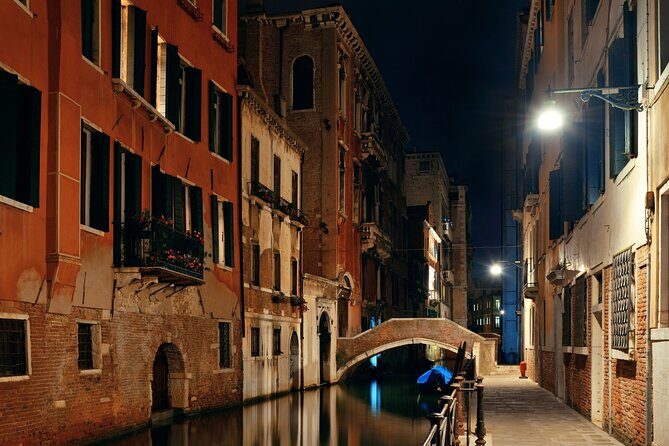
If you’ve seen Venice in daylight, you already know the postcard version. This tour nudges you toward another one—the Venice where canals and alleyways feel like plot points.
The timing matters. A sunset walk changes how you read stone, shadow, and water. Bridges look sharper. Corners feel more private. And because you’re listening while you move, the city turns into a map of stories instead of a list of sights.
What makes it work is the combination of three things: a real walking route, guided storytelling, and after-dark energy. You’re not just hearing facts. You’re watching the places come into context, one stop at a time.
You can also read our reviews of more evening experiences in Venice


Meeting Point at Campo San Polo, Then a Calm 90 Minutes
The tour starts at Campo San Polo (30125 Venezia) and ends at Piazza San Marco / St. Mark’s Square. Plan to arrive a few minutes early so you don’t have to scramble through the square while everyone else is finding the group.
It runs about 1 hour 30 minutes. That length is a sweet spot: long enough to feel like a real evening plan, short enough that you’re not stuck at the end with sore feet and no energy for the rest of your night.
The pace is mostly standing and walking in central Venice, and that matters if you’re sensitive to hard surfaces. I’d pack comfortable shoes and be ready for frequent pauses while the guide sets scenes.
And yes, you’ll want your phone ready for the mobile ticket. It’s the easiest way to keep things smooth and low-stress.
San Polo: Quiet Canals, Bridge Shadows, and Small-Street Drama
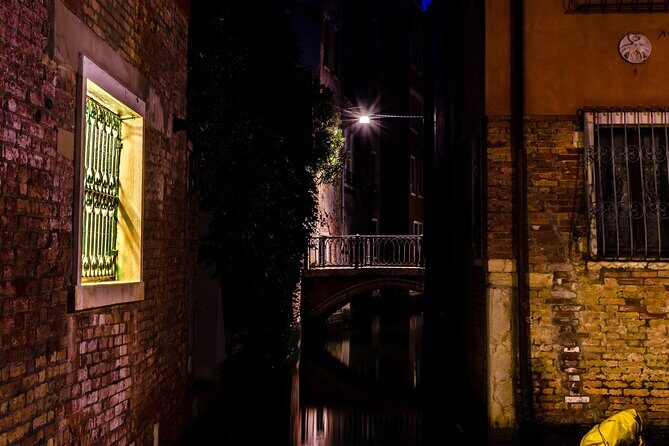
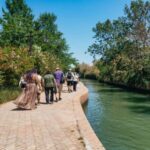
Stop 1 is San Polo, a neighborhood you can’t really understand from a single photo. This is where the canal life feels close and the streets feel lived-in.
You’ll stroll alongside the Rio di San Polo, then move through lanes where bridges and small crossings create natural “story beats.” The guide’s approach turns those visuals into clues: charming passages can also be the backdrop for the kind of secrets Venice legends love to repeat.
What you’ll like here
You get the best kind of Venice walking: slower, narrower streets paired with a few bigger sightlines to reset your bearings. It’s also a strong start point because San Polo feels less like the checklist zone and more like a real neighborhood.
Possible drawback
Some segments can feel like they’re all surfaces and no benches. If you know you’ll be tired by nightfall, start with energy: hydrate earlier in the evening and wear shoes you trust.



Campo San Silvestro: A Small Square With Big-City Gloom
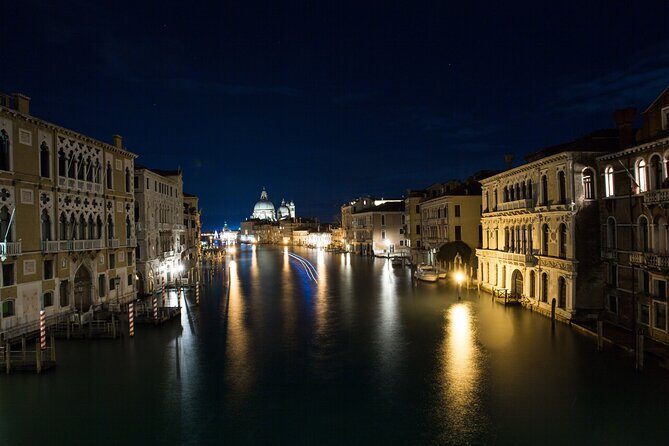
Next is Campo San Silvestro, a quieter Venetian square that works perfectly for spooky storytelling. In the context of this tour, it becomes more than an open space—it’s the kind of place where people disappear in legends, where rumors travel fast in narrow streets.
Because a campi (squares) can feel calm and ordinary in the moment, it’s the exact setting where dark tales land hardest. The guide’s job is to frame what you’re seeing so it makes sense as a stage for crime stories and mysteries.
What makes this stop valuable
It gives your ears something to chew on right when the walk starts to feel like a rhythm. By the time you reach Campo San Silvestro, you’ve already got Venice’s walk tempo in your body, so the story hits cleanly.
What to watch for
If you’re easily unsettled by stories of disappearances or secret dealings, keep that in mind before you join. This tour leans into the macabre.
Ponte di Rialto: A Famous Spot, Told Like a Secret
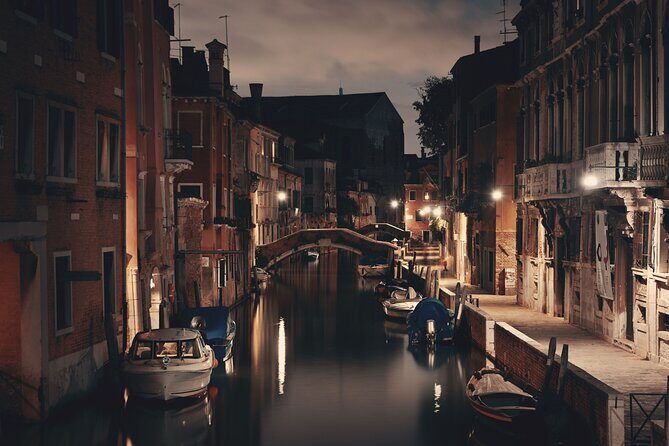
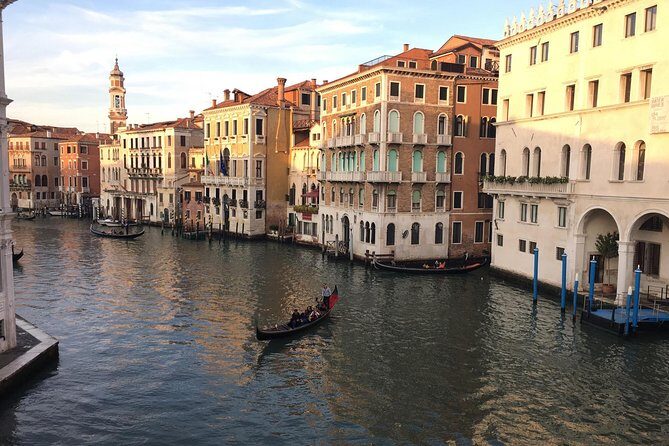
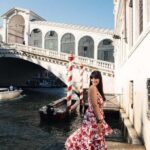
Then you reach Ponte di Rialto, one of the most recognizable places in Venice. But the tour doesn’t treat it like a generic landmark sweep. Instead, the bridge becomes another chapter in the evening’s theme: the idea that commerce, traffic, and movement are also where stories hide.
Rialto works especially well at sunset because the light bounces differently off stone and water. Even when you’re not lingering for photos, you’ll notice how the scene feels more cinematic once evening settles in.
Why this stop fits the tour
A true-crime or mystery theme needs both: quiet backstreets and major landmarks. Rialto delivers the major landmark. Then the guide connects it back to the night’s central idea—how justice, power, and shadowy deals can be tied to places you think you already know.
Small practical note
You’ll likely spend some time listening while staying in place near the bridge area. If crowds are a concern for you, plan to keep your expectations flexible and focus on the guide’s route rather than trying to force a perfect view angle.
Corte Seconda del Milion: Where Silence Becomes the Point
Stop 4 is Corte Seconda del Milion. This is the kind of place where Venice feels like it’s holding its breath. The story focus here is on hidden deceits—old tales that suggest crimes went unspoken, with silence acting like a shield.
This stop helps the tour stay interesting because it’s not just about big famous sights. It’s about how Venice’s layout—courtyards, passages, small “cuts” between routes—creates natural cover for stories to live.
What you’ll gain
You’ll start noticing small urban mechanics: how sightlines shift, how narrow passages reduce visibility, how courtyards can feel isolated from the street’s noise. That’s the kind of observation that makes the city feel new even when you’ve seen Venice before.
Possible drawback
Because it’s a story-heavy stop, it can feel slower if you want constant movement. If you’re the type who gets restless during guided talks, remind yourself this is only about 1.5 hours total—and that still means only a handful of stops like this.
Campo de la Fava and the Long Shadow of Rivalries
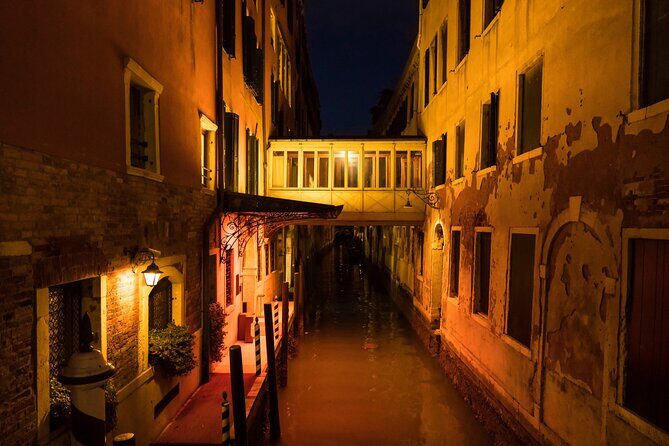
Next comes Campo de la Fava. In the tour’s framing, it’s a place that echoes old crimes and shadowy encounters—where rivalries played out out of sight in narrow Venetian passageways.
Campo de la Fava is a reminder that Venice doesn’t need grand buildings to generate mystery. The city’s scale and the closeness of structures can create the feeling of being “in” the story, not just watching it.
Why this stop is memorable
By the time you reach this point, you’ve already learned the tour’s pattern: walk through Venice, pause, listen, then look again at what you thought you saw. That re-looking makes Campo de la Fava stick.
What to consider
The theme stays consistently dark. If you’re looking for light, funny city history, this may not be your best evening pick.
Piazza San Marco: Executions, Justice, and the Loudness of Stone
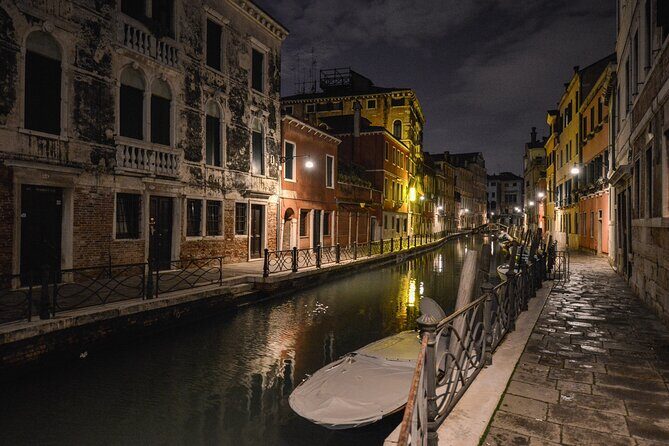
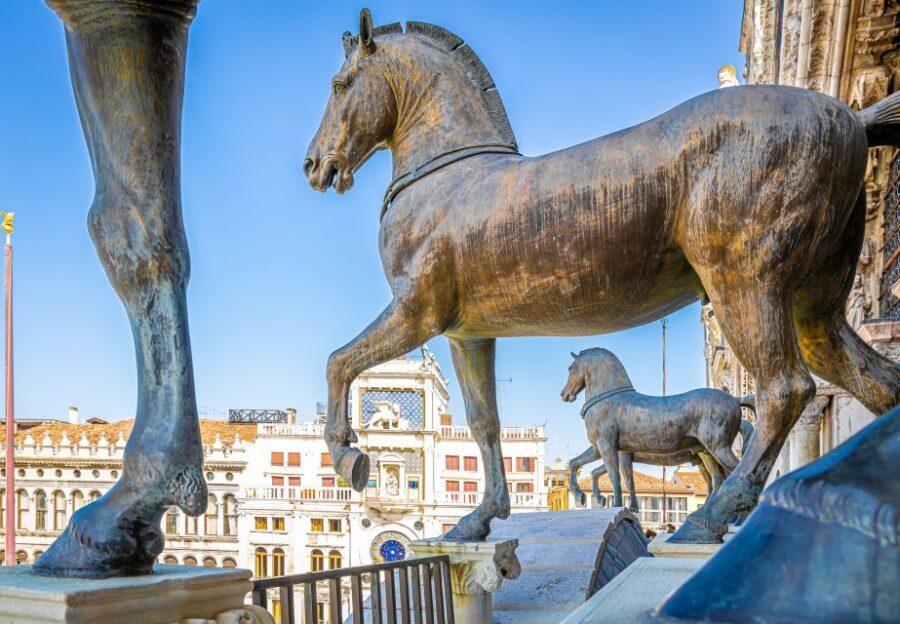
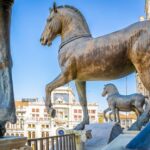
The last stop is Piazza San Marco, ending at St. Mark’s Square. This is where the tour brings everything to a powerful close: stories of justice and executions, framed as rituals between the two columns.
Even if you’re already planning to visit Piazza San Marco anyway, this stop changes the way you experience it. You stop thinking only about views and start thinking about how public spaces can be used for punishment, power, and theater.
What you’ll like here
If you’re a fan of true-crime storytelling, Piazza San Marco is a big-stage ending. It gives your ears a final scene with scale—stone, space, and significance—so the stories land harder than they would in a quieter campo.
Final practical tip
After the tour ends, you’ll be placed right where it’s easy to keep exploring on your own. Just don’t expect the tour to keep moving fast. You’ll finish, then you’ll have the freedom to choose your next stop.
Guide Energy: How Licensed Local Storytelling Makes the Walk Click
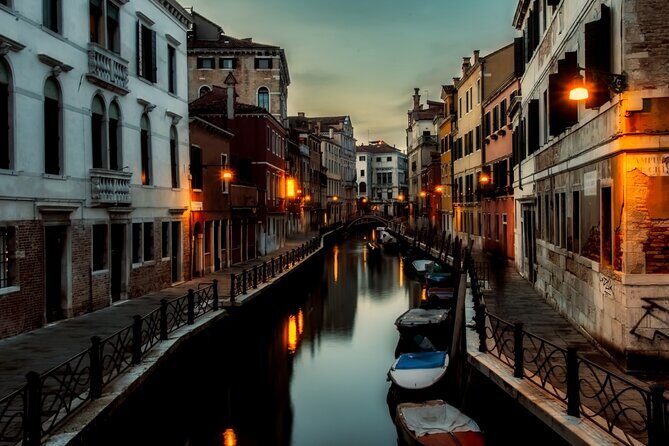
This tour includes a top-rated, licensed Venetian Tour Guide and it’s offered in English. The guide is the engine of the experience. Without that narrative thread, these stops would simply be beautiful streets and famous squares. With it, they become a connected evening.
From the guide names that have come up—Marina, Ursula, and Giulia—you can see the common thread: friendly delivery, strong engagement, and attention to how long people have been standing. One highlight that matters a lot on a walking tour is pacing for tired feet, and the best guides handle that without making you feel rushed.
The storytelling style is also built for this route. It’s designed to fit pauses at each place, not a lecture you’d rather read in a book.
Value Check: Is $50.46 Worth It?
At $50.46 per person for about 1.5 hours, you’re paying for three things: a licensed guide, a themed walking route in the center, and a sunset-time experience that’s more than generic sightseeing.
Here’s how to think about value:
- If you enjoy true-crime, mysteries, and ghost-story mood, the guide’s commentary is the main product. You’re buying a guided narrative, not museum access.
- If you prefer facts without a darker tone, you might decide it’s not worth paying for a theme you won’t enjoy.
- If you’re the type who wants a “Venice at night plan” that doesn’t require tickets to multiple sites, this is a clean, concentrated option.
Also, the stops are free in terms of admissions. That makes your spending feel more tightly tied to the guide and the time, not extra entry fees.
One more practical sign of seriousness: it’s booked on average about 36 days in advance, which suggests people plan sunset evenings early. If you have fixed dates, don’t wait too long.
Who Should Book This Tour (and Who Might Want Another Plan)
This is ideal if you:
- love true-crime stories, mysteries, legends, and the slightly spooky side of history
- want an evening plan that combines major sights with lesser-known streets
- like walking and listening more than hopping between indoor attractions
You may want to skip it if you:
- are traveling with kids who might not handle dark and macabre stories
- hate standing around while someone talks
- want a straightforward “facts only” sightseeing experience
If you’re visiting for the first time, this tour also helps you get your bearings. You learn how different parts of central Venice connect—and you do it during a time of day when the city looks less like a daytime museum and more like a living stage.
Should You Book Venice at Sunset: Crimes, Legends and Mysteries?
Yes, if you want a guided night walk with a strong story theme. The format makes it easy to absorb Venice’s mood without extra ticket hassles, and the sunset timing helps you see familiar places in a new way.
I’d book it if your ideal Venice evening includes:
- canals and alleys with atmosphere
- a licensed guide who ties places to the theme
- an ending at Piazza San Marco that feels more like a conclusion to a story than a stop for photos
Skip it if you’re sensitive to dark themes or you know your feet don’t do well on hard surfaces. In that case, Venice has plenty of kinder evening options.
FAQ
How long is Venice at Sunset: Crimes, Legends and Mysteries?
It lasts about 1 hour 30 minutes.
What’s the price per person?
The price is $50.46 per person.
Where does the tour start and end?
It starts at Campo San Polo, 30125 Venezia VE, Italy, and ends at St. Mark’s Square, Piazza San Marco, 30124 Venezia VE, Italy.
Is this tour offered in English?
Yes, it is offered in English.
Is admission required for the stops?
The tour’s listed stops have admission tickets marked as free.
What’s included in the tour price?
It includes a top-rated, licensed Venetian tour guide and a 1.5-hour walking tour in the center of Venice.
Is it suitable for children?
It may not be suitable for children because the tour includes some dark and macabre stories.
Are service animals allowed?
Yes, service animals are allowed.
What’s the maximum group size?
The tour has a maximum of 100 travelers.
Is there free cancellation?
Yes. You can cancel for a full refund up to 24 hours in advance of the experience’s start time.