REVIEW · ACCADEMIA GALLERY
Florence: Accademia Gallery Skip-the-Line Guided Tour
Book on GetYourGuide →Operated by Ciaoflorence Tours & Travel · Bookable on GetYourGuide
Michelangelo hits harder with a guide. This Accademia Gallery skip-the-line tour gets you moving fast into one of Florence’s most packed museums, with a passionate local explaining what you’re really seeing. You’ll get skip-the-line entry, plus earphones for larger groups so the story stays clear as you walk room to room.
I especially like two things: first, the chance to stand in front of Michelangelo’s David with context that makes the sculpture feel way more intense. Second, the guides bring it to life in plain language and real conversation—people mention great communication and energy, including guides like Vincenzo and Daniela, and that you learn more than just basic art facts.
One thing to consider is timing and orientation. The meeting point can vary by option, and a few details have caused stress in the past (like double-checking the exact office location and street number). Also, parts of the museum can be closed at certain times, so it helps to be flexible and plan to use your extra free time wisely.
In This Review
- Key takeaways before you go
- Why the Accademia skip-the-line matters in Florence
- Meeting point details that can make or break your start
- How the guided portion actually unfolds inside the museum
- The main event: standing before Michelangelo’s David
- After David: I Prigioni and San Mateo (and why they matter)
- Renaissance paintings and the museum rooms you’ll actually use
- Price and value: is $55 a fair deal?
- Who this tour suits best (and who might not)
- A simple way to plan your visit so you get maximum payoff
- Should you book this Accademia Gallery tour?
- FAQ
- How long is the Accademia Gallery skip-the-line guided tour?
- Does the tour include skip-the-line entrance?
- Are earphones provided during the tour?
- What languages are available for the tour?
- Which major artworks will I see?
- Can I stay in the museum after the guided portion?
- Is the Accademia Gallery free on the first Sunday of the month?
- What’s the cancellation policy?
Key takeaways before you go
- Skip-the-line entry means less time herding yourself through Florence crowds.
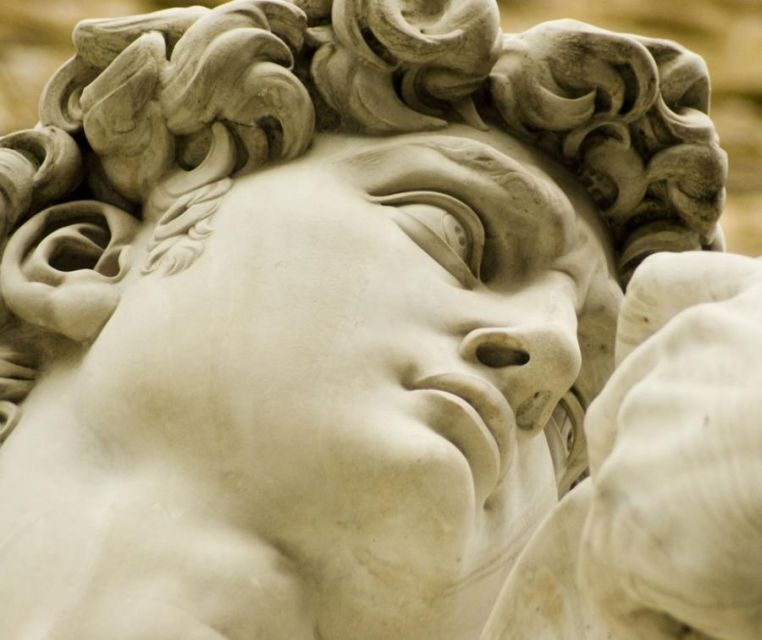
- Stand close to David with an explanation that makes the pose, emotion, and scale snap into focus.
- Earphones for larger groups help you hear the guide without shouting over other visitors.
- You get to stay after the tour if you want extra time lingering in the rooms you care about.
- Expect some logistics details: confirm the meeting point and be ready for possible closed areas.
Why the Accademia skip-the-line matters in Florence
If you’ve ever tried to visit the Accademia on your own, you already know the problem: lines here can eat your day. This tour gives you skip-the-line access through a separate entrance, which is the practical difference between seeing David on your terms versus arriving stressed and rushing.
The tour length is 75 minutes to 2 hours, so you’re not stuck in “guide time” for half the day. That matters in Florence, where you’ll likely want to pair this with other sights nearby. Even better, once the guided portion ends, you can keep exploring as long as you want—so you’re not trading depth for speed.
You can also read our reviews of more guided tours in Accademia Gallery

Meeting point details that can make or break your start
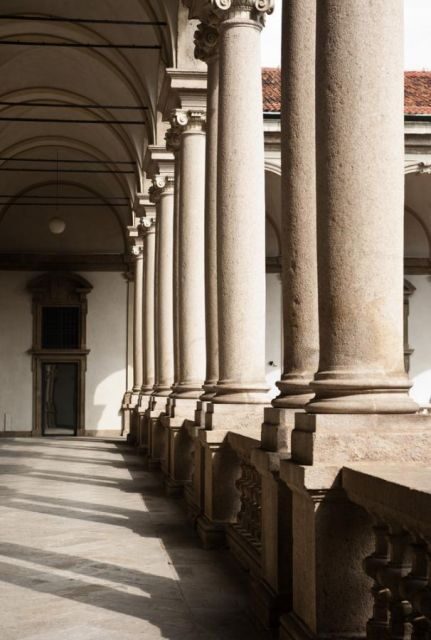
This experience is easy when you find the right place at the right time. The meeting point may vary depending on the option booked, so don’t treat it like a “close enough” situation.
A few practical tips:
- Arrive early and confirm the exact meeting address. One review note flagged that the street matched but the office number was different, which turned into a small scramble.
- Comfortable shoes help because you’ll be moving through rooms and potentially walking a short distance before you enter.
- Watch the rules: no luggage or large bags, and pets aren’t allowed. (If you’re traveling with a daypack, keep it reasonable.)
And yes, check where you’re told to meet. One person specifically said the meeting point was about 3 minutes walking distance from the gallery at an agency office—meaning the difference between “right nearby” and “slightly off” can still cost you precious minutes.
How the guided portion actually unfolds inside the museum
This tour is built around a focused flow through major works, not a slow crawl through every corner. Expect a guided walk that sets the scene, points out details, and explains why these pieces were made when they were.
A few things you can count on based on the tour format:
- You’ll have a live guide speaking English, Italian, or Spanish.
- For larger groups, earphones are provided, so you won’t lose the thread when the crowd thickens.
- Group options include private or small groups, and tours require a minimum of 2 participants.
From the kind of commentary people describe, the guide doesn’t just list names and dates. You’ll get context about the circumstances of creation and the placement of works in the museum, and you may even hear connections that link art to social and political context. That makes a big difference when you stand in front of a sculpture and realize you’re seeing choices—about anatomy, power, emotion, and message—not just “a famous statue.”
The main event: standing before Michelangelo’s David
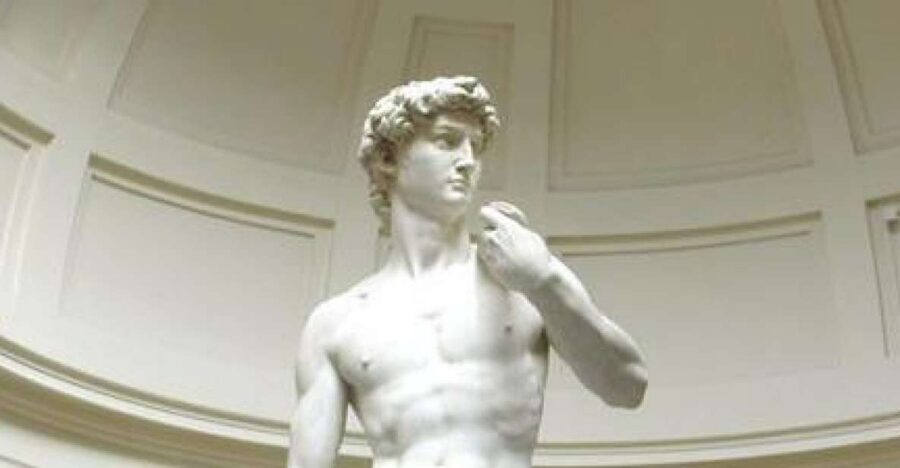
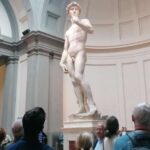
Most people come for David, and this tour is structured to get you there in a way that feels meaningful. The payoff isn’t just being in the same room—it’s having the sculpture explained so you understand why it still lands like a punch.
Here’s what makes David special in this setting:
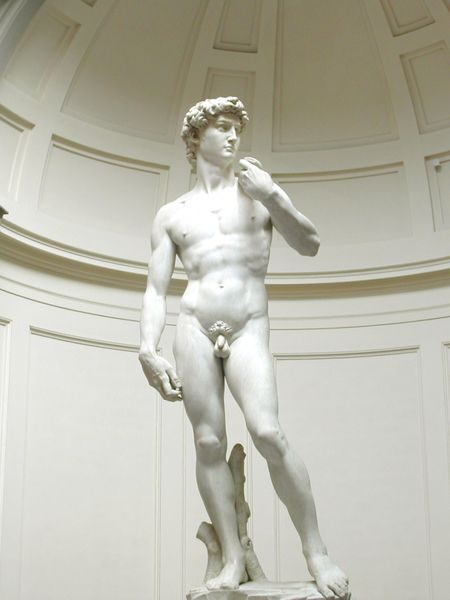
- You’ll get the chance to stand directly in front of Michelangelo’s original statue.
- The guide helps you read the emotions—part tension, part resolve—so the figure doesn’t feel like a postcard once you’re up close.
- With a guide’s framing, it’s easier to notice why viewers react the way they do: the scale, the posture, and the sense of imminent action.
One of the best practical aspects is the balance of time: you get enough guided direction to learn quickly, but you’re also free to linger after the tour. Some people even stayed longer on their own afterward, which is a smart move if David is your top priority.
After David: I Prigioni and San Mateo (and why they matter)
This tour doesn’t stop at the headline piece. After David, you’ll also learn about other major works that help explain Michelangelo’s thinking as a sculptor.
Two highlights the tour emphasizes:
- I Prigioni (often called the Prisoners or Slaves): you’ll hear about the powerful idea of figures emerging from stone, not just the visual impact of bodies and muscle.
- San Mateo (St. Matthew): you’ll get guidance that helps you see the statue as part of a larger artistic world, not a one-off “cool sculpture.”
These aren’t random extras. When you see David and then connect it to I Prigioni and San Mateo, the whole museum starts to feel like a conversation—one Renaissance artist speaking in multiple languages: strength, struggle, sacred meaning.
You can also read our reviews of more museum experiences in Accademia Gallery
Renaissance paintings and the museum rooms you’ll actually use
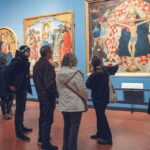
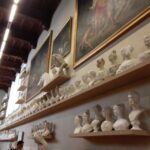
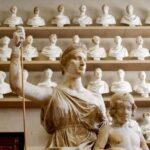
Besides sculpture, you’ll also see the museum’s collection of Renaissance paintings. That’s valuable because the Accademia isn’t only about marble giants. Paintings give you a different angle on how the period’s artists thought about form, story, and symbolism.
Also, a small heads-up: not every part of the museum always operates the way you expect. There’s at least one past note about a section being closed for an afternoon, and the guide not flagging a whole floor ahead of time. You can’t control closures, but you can control what you do with your time.
My advice: once you’re done with the guided route, don’t just drift. Choose a priority list for your extra time—paintings, the area you most want to see up close, or any room you felt you skimmed during the tour.
Price and value: is $55 a fair deal?
At $55 per person, this tour is paying for three things you’d otherwise fight for:
1) Skip-the-line entry, which saves you time and stress (and time is money in a city like Florence).
2) A professional guide who explains what you’re looking at so the museum feels more “usable.”
3) Earphones for larger groups, so your experience doesn’t degrade when the crowd thickens.
The value also improves because the tour is short enough to fit into a packed itinerary but structured enough to give real learning. People describe that they learned not only facts but also connections—how art reflects its era, and how the museum layout changes what you notice.
One more practical value point: you don’t lose the museum after the guided portion. You can keep exploring on your own, so the guide time becomes the setup, and your own time becomes the deep personal watching.
Who this tour suits best (and who might not)
This is a great match if:
- You want David without wasting a chunk of your day in line.
- You like learning quickly and applying it immediately in the rooms.
- You’re visiting Florence with limited hours and want the museum to “make sense” fast.
It can also work well for people who appreciate clear pacing. Some reviews mention small groups, and a group size around 20 moving smoothly. That’s often the sweet spot: big enough for energy, small enough to still hear the guide.
If you’re the type who wants to read every wall label for an entire afternoon, then you might prefer more time than the guided portion allows. In that case, book the tour for the setup, then plan to return for extra time using the museum access you’ll have after.
A simple way to plan your visit so you get maximum payoff
Because you’ll be choosing where to spend your extra time, plan like this:
- Before the tour, decide whether David is your top must-see (it probably is).
- During the guided walk, pay attention to the guide’s pointers about what to notice—not just the name of each work.
- After the tour, go back to the rooms that match your interests most (sculpture vs. paintings), and don’t be afraid to re-look at David once your brain has the context.
And keep in mind the practical rules: no large bags and no luggage, so pack light. If you’re traveling with gear, sort it out before you head toward the museum.
Should you book this Accademia Gallery tour?
I’d book it if you want Florence’s most famous Renaissance sculpture experience with less friction and more meaning. The skip-the-line entrance is a real advantage, and the guided framing is what turns David from famous object into something you actually feel.
Skip it (or think twice) if you already know the basics and you prefer to wander slowly with zero structure. Also, if you’re someone who depends on seeing every single room, be ready for the possibility of closures and use your extra free time to adapt.
If your goal is to see David efficiently, hear the story in a way that clicks, and then spend your own time where it matters most, this tour is a strong fit for the money.
FAQ
How long is the Accademia Gallery skip-the-line guided tour?
The tour lasts 75 minutes to 2 hours, depending on the starting time and availability.
Does the tour include skip-the-line entrance?
Yes. You get skip-the-line entrance through a separate entrance.
Are earphones provided during the tour?
Earphones are provided for larger groups so you can hear the guide clearly.
What languages are available for the tour?
The live guide is available in English, Italian, and Spanish.
Which major artworks will I see?
You’ll stand in front of Michelangelo’s David, and you’ll also learn about I Prigioni and San Mateo. The tour also includes the museum’s Renaissance paintings.
Can I stay in the museum after the guided portion?
Yes. After the tour ends, you are free to stay in the museum for as long as you want.
Is the Accademia Gallery free on the first Sunday of the month?
On the first Sunday of each month, entrance is free, but tickets can’t be reserved ahead of time, so entry is not guaranteed.
What’s the cancellation policy?
You can cancel up to 24 hours in advance for a full refund.