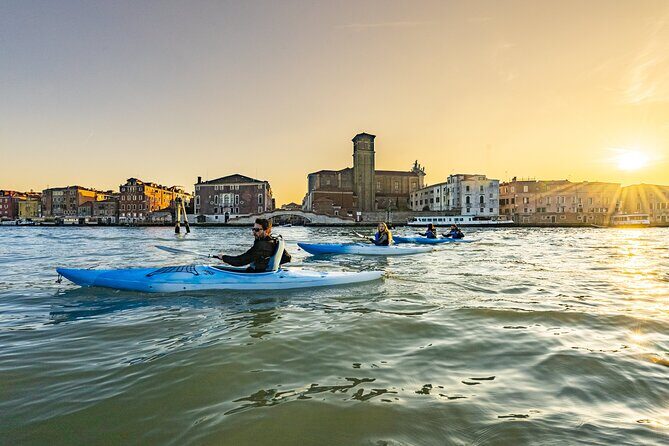
The lagoon does not play by Venice rules. This private kayak experience gets you off the classic streets and into protected waters where you can glide past quiet islands only reachable by kayak, often with birds as your soundtrack. You’ll also get a real taste of Venetian water culture with a stop at the rowing association tied to historic regattas.
What I really like is the off-the-routes focus. You’re not just paddling for views, you’re crossing shallows using a flat-bottom kayak, which opens up sandbanks and ghebi most boats can’t reach.
One thing to consider: even though most people can participate, you should be ready for real paddling. If you have limited upper-body strength (or you’re totally new to kayaking), plan on taking it slow and let your guide guide your pace and route.
In This Review
- Key Highlights You’ll Actually Feel
- Escape Crowds: Why the Venetian Lagoon Feels Like Another Side of Venice
- Paddling the Lagoon: Ghebi, Sandbanks, and the Shallows That Make It Special
- Rowing Association Vogaepara: Touch the Boats Behind Venetian Regattas
- Torcello by Kayak: Vegetable Gardens, Marsh Birds, and Deep-Time Venice
- Burano and Mazzorbo: Fisher Life and Quiet Canals You Can Only Reach the Slow Way
- How Long Is It and How Much Effort Will You Need?
- Price and Value: What You Pay at $48.06 and What’s Extra
- Is This Your Kind of Venice? When to Book and Who Should Skip It
- My quick verdict
- FAQ
- How long is the private kayak tour?
- Is the tour private?
- What languages are offered?
- What’s included in the price?
- What costs extra during the day?
- Where is the meeting point and what time does it start?
- Do I need to be an experienced kayaker?
- Is there an extra access fee for some visitors?
- What happens if the weather is poor?
Key Highlights You’ll Actually Feel
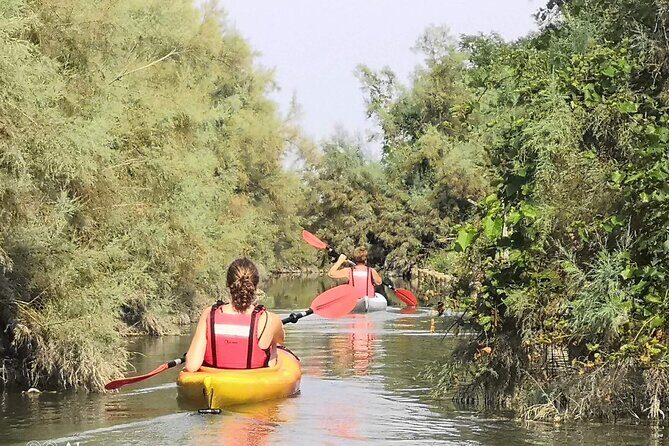
- Peaceful, off-mass-tourism waters between land and sea
- Flat-bottom kayaks built for shallow lagoon crossings
- Rowing culture stop at the Vogaepara rowing association
- Torcello history and nature with a calmer island feel than the main islands
- Guided safety when you need to cross motor-boat traffic
- Bird spotting like egrets and herons, with possible flamingos and more
Escape Crowds: Why the Venetian Lagoon Feels Like Another Side of Venice
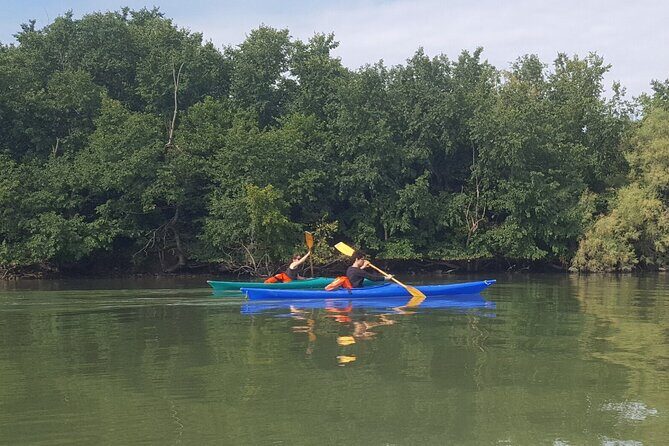
If Venice crowds wear you down, this is the fix. Instead of jammed walkways, you trade them for open water, slow motion, and wide skies. The point here is simple: you’ll be guided through parts of the lagoon that don’t belong to the main tourist circuit.
You’ll also get a different kind of “Venice” story. You’re not only hearing about the city as a monument. You’re seeing the lagoon as a living space where fishing, birds, and old water traditions still matter. That’s where the experience gets extra value, because it links nature and local culture in the same afternoon.
And yes, you’ll likely take better photos here. Lagoon light hits different on shallow water, and the scenery isn’t boxed in by buildings or crowds. Expect chances to pause for pictures among marsh edges and quiet channels, not constant “move along” pressure.
You can also read our reviews of more tours and experiences in Burano.

Paddling the Lagoon: Ghebi, Sandbanks, and the Shallows That Make It Special
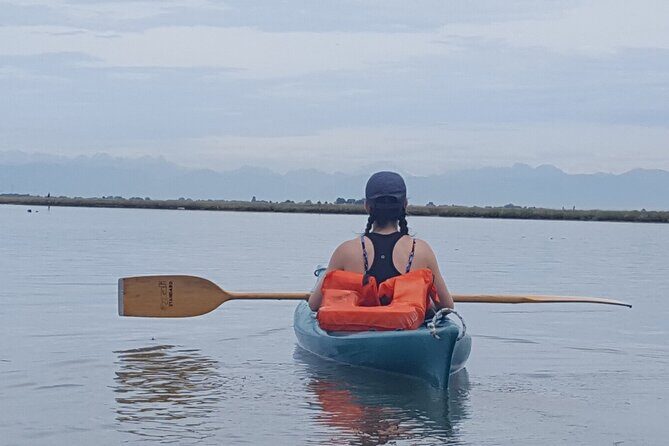
A big reason kayaking works in this lagoon is the boat design. Flat-bottom kayaks and rowing propulsion let you cross stretches that are too shallow for many other watercraft. That means you can reach spots that feel almost private, even though you’re still in a famous place.
The route is also built around how the lagoon actually behaves. You’ll move through channels and low-water zones, guided toward “unknown and inaccessible” islands that you can’t comfortably reach on foot. You’ll be looking for flat, calm pockets of water where birds gather and where the coastline feels less engineered.
One practical thing: there may be brief sections where motor boats travel. Your guide should manage timing so you cross only when it’s safe and there’s enough time between passes. It’s not a wild free-for-all, and the best part is that you’re guided by someone who understands where traffic happens.
If you’re comfortable rowing, you’ll feel the lagoon open up. If you’re not, the trip can still be enjoyable, but you’ll want to keep expectations realistic about effort and arm fatigue.
Rowing Association Vogaepara: Touch the Boats Behind Venetian Regattas
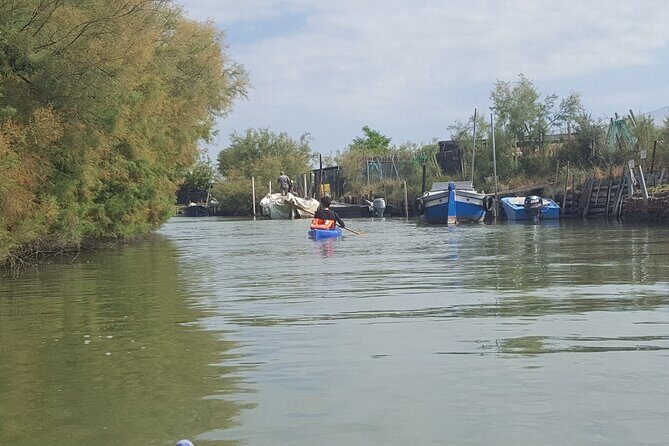
Before you’re out on the water, you get a cultural warm-up at the Rowing Association Vogaepara. This is a place where Venetian rowing traditions were taught for centuries, and where technique and secrets have been passed down through generations.
What makes this stop more than a quick photo stop is access. You’ll have the chance to see and even touch boats and tools typical of Venetian rowing. The list you’ll hear includes the gondola, the sandolo, and the mascareta—real working watercraft with strong ties to regatta culture.
This part is useful because it gives context for what you’re seeing on the lagoon. Venice didn’t just build waterways for looks; people built them for movement, work, and competition. When you later row over the lagoon’s working channels, the whole thing clicks into place.
One note: the rowing club entry ticket is not included, and you’ll also pay for kayak rental as part of the day. Plan on that extra cost so you don’t get surprised mid-experience.
Torcello by Kayak: Vegetable Gardens, Marsh Birds, and Deep-Time Venice
Torcello is where the tour shifts from “pretty lagoon” to “why this place mattered.” In the north-east corner of the lagoon, it’s known as one of the earliest Venetian settlements. Long ago—around the year 638—a bishop from Altino relocated with others due to pressure from invasions, helping establish an early community here.
Today, Torcello feels small and quiet. It’s mainly vegetable gardens with only a few dozen residents, which is exactly why it works for kayaking. You’re not surrounded by constant foot traffic. You’re in a natural setting that still feels like land and sea overlap.
On the water route toward and through Torcello, you’ll likely notice wildlife in a way you simply won’t on land. The experience is designed around calm lagoon edges where you can spot birds such as egrets and herons. In some outings, flamingos have also shown up, and there’s often a chance to see more than just “one species and done.”
If you like history, this island gives it without drowning you in museum facts. You’ll understand it through place: the gardens, the emptier feel, and the sense of a much older Venice orbiting a different kind of life.
Burano and Mazzorbo: Fisher Life and Quiet Canals You Can Only Reach the Slow Way
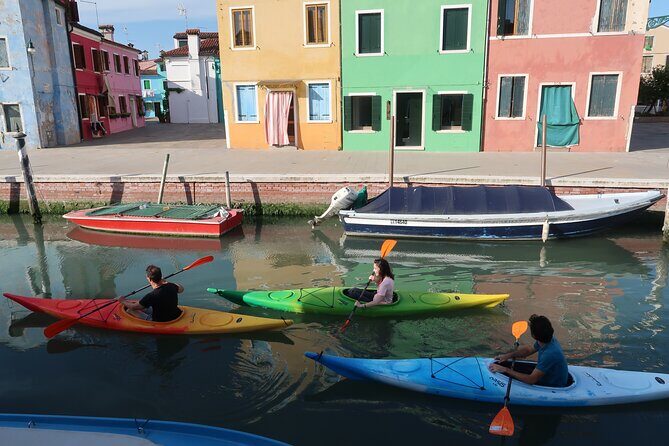
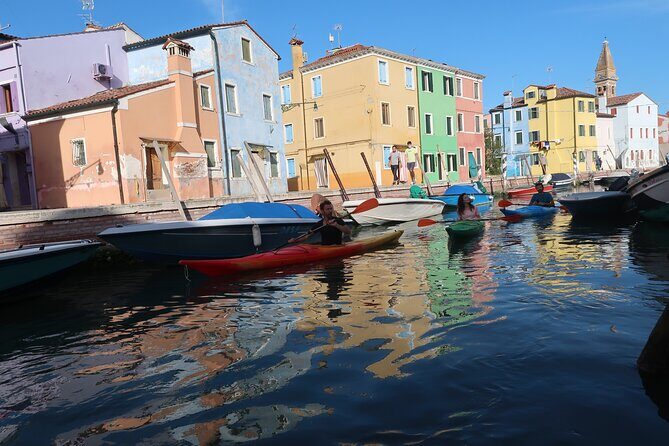
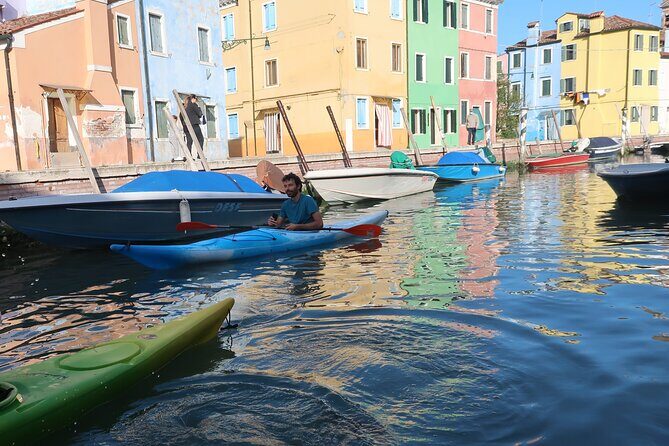
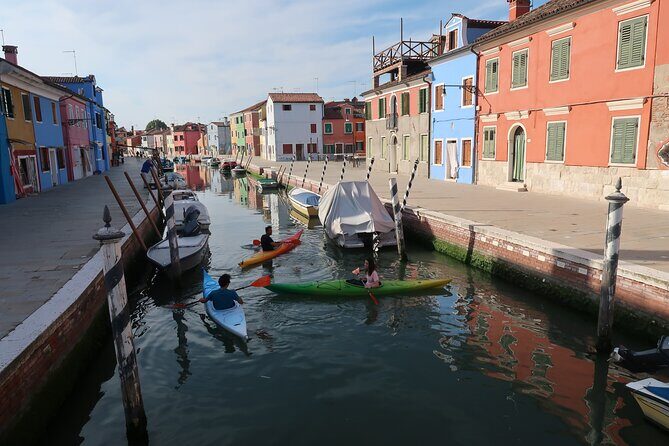
Even though the paddling focuses on the lagoon’s hidden areas, the tour often connects you to the islands most tied to day-to-day water culture: Burano and Mazzorbo. This is where the experience can feel extra authentic, because you’re moving between communities that still live with the lagoon, not just beside it.
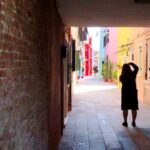
From the start, your guide (often Filippo) tends to explain local fishing life and the culture around island rowing. You may get a short walk through Burano streets before launching, which helps you orient fast and understand what you’ll see on the water.
Once you’re in the kayaks, you can feel why kayaking matters here. Some canals and protected zones are reachable in a way that walking or bigger boats can’t match. You’re gliding at human speed, so you notice details like marsh edges, birds feeding, and the natural rhythm of shallow water.
In at least some outings, it’s also possible to see the lagoon’s “in-water life” up close. There are cases of fish jumping in the protected areas where non-motorized fishing boats operate, and even moments where fish get tossed back into the water during the trip. It’s the kind of living detail you can’t fake with staged sightseeing.
And if you’ve heard Torcello described through literature, keep an eye on your surroundings. One guide-style note you might hear is that Hemingway referred to Torcello’s area as Paradise—less as a quote you memorize, more as an attitude you feel while paddling the quiet channels.
How Long Is It and How Much Effort Will You Need?
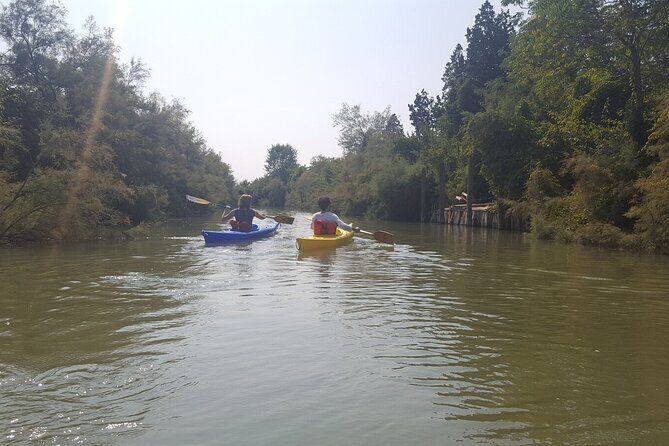
This tour runs about 2 hours (often close to 2.5, depending on the pace and conditions). It’s long enough to feel like you escaped the city, but short enough that you’re not stuck rowing for half a day.
The key effort factor is your arms. The trip is almost certainly going to require steady paddling, and arm fatigue can hit even when the water is calm. If you’re new to kayaking, you’ll do best if you have decent upper-body strength or prior comfort with basic strokes.
The good news is that the guide approach matters. In real situations, Filippo has offered assistance options for people who were unsure—like escorting someone on a two-person kayak so they could take in the views and still be part of the experience. That flexibility can make the difference between a fun day and a miserable one.
My practical advice: be honest with yourself. If you can only handle light paddling, choose a slower pace from the beginning and listen closely during safety and route guidance.
Price and Value: What You Pay at $48.06 and What’s Extra
The headline price is $48.06 per person, and what you get at that point includes a tour leader and the private format. That matters in a lagoon setting, because you’re not waiting for a big group schedule and you can take your time with safety pauses and wildlife spotting.
But the day isn’t “all-in” at that price. You’ll also pay €30 per person for the rowing club ticket and kayak rental. So if you’re budgeting, think of the trip as a structured local experience plus the boat and entry costs, not just a simple kayak rental.
When you compare it to doing the same thing on your own, the value is in the planning: the guide knows where the calm zones and interesting routes are, and you benefit from local explanations that connect to rowing culture and island life. In other words, you’re paying for more than gear. You’re paying for direction, context, and safer navigation.
There can be an additional €5 access fee on certain dates for people visiting for the day from outside Venice. The fee depends on the day, and it’s linked to Venice’s access rules. If that applies to you, it’s worth checking before you go so your budget stays under control.
Is This Your Kind of Venice? When to Book and Who Should Skip It
This tour fits best if you want Venice without the constant crowds and if you like nature that feels real, not staged. If birds, marsh water, shallow lagoons, and local water traditions sound appealing, you’ll get a lot out of it.
It’s also a strong choice if you want history with breathing room. The rowing association stop gives culture and context you can carry onto the water, and Torcello adds that older-Venice perspective without the heavy museum workload.
I’d be cautious if you don’t enjoy physical effort. This is not a sit-and-float gondola style experience. You’ll be paddling for close to two hours, and arm fatigue can happen fast if you’re not prepared.
You should also pay close attention to the meeting point and how you arrive. The start is at Fondamenta dei Squeri, and the local experience depends on getting there on time. If you’re using the vaporetto system, double-check the water-bus line that brings you to the correct dock area, since the practical location can be confusing at first glance.
My quick verdict
Book it if you want quiet lagoon time plus rowing culture plus the chance to reach shallow, off-route spots. Skip it if you’re mainly chasing landmark photos in crowded settings or you can’t handle basic kayaking effort.
FAQ
How long is the private kayak tour?
The tour lasts about 2 hours.
Is the tour private?
Yes. It’s private, and only your group will participate.
What languages are offered?
The experience is offered in English, Italian, and Spanish.
What’s included in the price?
A tour leader is included.
What costs extra during the day?
You’ll need to pay for the rowing club ticket and kayak rental, listed as €30.00 per person in cash.
Where is the meeting point and what time does it start?
The meeting point is Fondamenta dei Squeri, 512, 30142 Venezia VE, Italy, and it starts at 9:00 am. The tour ends back at the meeting point.
Do I need to be an experienced kayaker?
Most travelers can participate, but it’s wise to have experience or good upper-body strength. If you’re unsure, your guide may be able to help with how you paddle.
Is there an extra access fee for some visitors?
On certain dates, day visitors staying outside of Venice may have to pay a €5 access fee. Exemptions and the applicable days are listed at https://cda.ve.it.
What happens if the weather is poor?
This experience requires good weather. If it’s canceled due to poor weather, you’ll be offered another date or a full refund.