REVIEW · VENICE
Gay Life in Venice from the Middle Ages to Present Days
Book on Viator →Operated by deTourist Venice Valerio Coppo · Bookable on Viator
Venice has always been good at keeping secrets. This guided stroll follows LGBTQ life through centuries of streets, churches, palazzi, and public places, where love and desire were sometimes tolerated, sometimes targeted, and often documented in the city’s own stone-and-paper record.
I especially like how the route keeps things specific: you’re not stuck with vague stories. You’ll move from Campo San Giacomo dell’Orio to the Rialto area, learning how poets, historians, and artists left traces in everyday locations. I also like the tone of the guide, Valerio Coppo: he’s a storyteller who connects the city’s LGBTQ history to what you can still see today, including pop-culture details like the Madonna Like a Virgin video location.
One consideration: this tour includes grim subjects like surveillance and brutal punishments, so it’s not the right fit if you want a purely light, nightlife-focused evening.
In This Review
- Quick highlights you’ll feel on your shoes
- A Two-Hour Route That Tracks Love and Punishment in Venice
- Price, Group Size, and What $92.63 Buys You
- Valerio Coppo’s Venice: Walking, Storytelling, and Place-Based Clues
- Campo San Giacomo dell’Orio and Fondamenta del Megio: Poets and Diaries in Plain Sight
- Church Arcades, Bridge Porticos, and Public Risk at Mater Domini and Ponte delle Tette
- San Cassiano and Campo San Cassiano: Rolandina Roncaglia and the Opera-House Link
- Canal Grande Edges and the Rialto Announcements: Codes, Proclamations, and Fear of Being Noticed
- Ca’ Zenobio and the Madonna Like a Virgin Factor: Pop Culture Inside Late Baroque Walls
- San Sebastiano, San Marco, and the Iron Cage: Art That Teaches and Crowds That Punish
- Harry’s Bar to the Final Palazzi: Where Love Kept Talking
- Should You Book Gay Life in Venice?
- FAQ
- How long is the Gay Life in Venice tour?
- What language is the tour offered in?
- How many people are in the group?
- Where does the tour start and end?
- Do I need admission tickets for the stops?
- Is there an access fee for some visitors?
- Is the tour suitable for most people, and are service animals allowed?
Quick highlights you’ll feel on your shoes
- A small cap (aimed at up to eight, with a maximum size listed as 10) means questions stay in the group, not in the void
- Public places, not just museums: churches, bridges, campos, and palazzi where these stories actually unfolded
- A big time span: from Middle Ages cruising restrictions to modern Venice meeting points
- Real named connections: Rolandina Roncaglia, Casanova references, Paolo Veronese art, and more
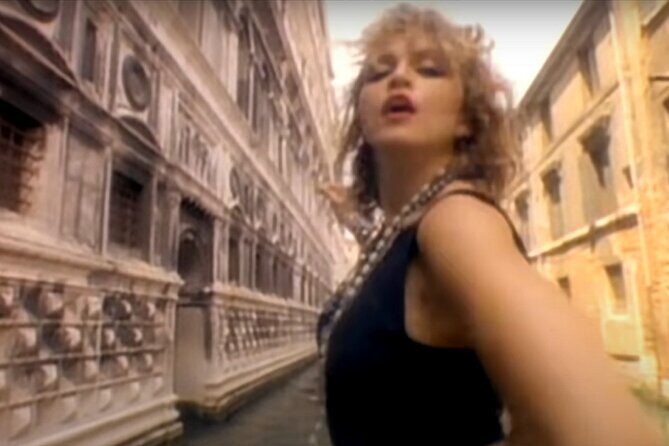
- Pop culture in the middle of history: Ca’ Zenobio and the Madonna Like a Virgin film spot
A Two-Hour Route That Tracks Love and Punishment in Venice
Gay life in Venice isn’t one story. It’s a knot of identities, coded meeting places, public risk, and creative people leaving their mark. What makes this 2-hour format work is the density: the tour hits about 19 stops, each timed around 10–15 minutes, so you get a “what happened here” snapshot repeatedly instead of a long lecture at one spot.
You start at Campo San Giacomo dell’Orio and finish at Ponte di Rialto, which is smart. You’re walking through some of the city’s most important layers without doubling back. And because it’s a capped group size with an English offering, you should expect more of a conversation and less of a rush-and-wait experience.
The content goes beyond modern identity labels and looks at how Venice itself handled sexuality and gender. Sometimes that meant secrecy and code. Sometimes it meant the authorities posting rules and using public spectacle.
You can also read our reviews of more tours and experiences in Venice.

Price, Group Size, and What $92.63 Buys You
At $92.63 per person for about 2 hours, you’re paying for more than a route. You’re paying for interpretation: someone turning Venice’s architecture and place names into a usable map of LGBTQ history.
Here’s why that matters for value. Venice can feel like a postcard maze. A tour like this helps you read what’s in front of you. When the guide points out a place where arcades were under surveillance, or why a bridge area became notorious, you start noticing patterns you’d never spot on your own.
Also, you’re not sharing the story with a huge crowd. The experience is designed for intimacy—listed as capped at eight travelers in the highlights, while the max group size is stated as 10 travelers. Either way, it should feel personal.
Finally, many stops are marked as admission ticket free, so the cost isn’t inflated by museum fees. You’re still getting stops that matter, just without the add-on ticket line.
Valerio Coppo’s Venice: Walking, Storytelling, and Place-Based Clues
The provider is deTourist Venice (Valerio Coppo), and the tour includes a tour leader & nature and interpretive guide. That combination shows up in how the route gets explained: you hear not only names and dates, but also the logic of the city—why a church’s layout mattered, why a bridge-side portico could become a meeting zone, and why certain crowds gathered near certain public announcements.
One theme you’ll notice quickly is how the guide balances intimacy with harsh reality. Venice’s LGBTQ past isn’t presented as gossip. It’s explained as how laws, public order, and social life interacted. Even when the stories get dark—iron cages, death sentences, surveillance—the tour keeps pointing you back to the physical setting.
If you want a Venice tour that goes beyond the standard flag-waving route and makes you see streets as evidence, this style fits.
Campo San Giacomo dell’Orio and Fondamenta del Megio: Poets and Diaries in Plain Sight
The first stretch is literary, but it’s not the kind of literature-in-a-vacuum tour. You begin at Campo San Giacomo dell’Orio, where the guide points out the neighborhood connection to an Italian poet who came out in the early 1970s and died by suicide years later. His work is described as among the first Italian poetry to explore homosexuality. The point here isn’t just the biography. It’s that even in a place that looks timeless, identities and self-discovery can be fairly recent—and Venice keeps holding that kind of memory in public space.
Next comes Fondamenta del Megio, tied to a Venetian historian from the 15th–16th century. His major work, the Diarii, is presented as a chronicle meant to cover Venice’s history, before another writer was officially appointed to do a similar job. The guide also frames why describing him as extremely kind wasn’t exactly a compliment. That little twist is typical of what you’ll get throughout: people weren’t only “good” or “bad.” They were complicated in how they fit Venice’s power structure.
What I like about this pair of stops is the pacing. You don’t jump into executions immediately. You start with writing—then you understand why a city that produced records also produced rules.
Church Arcades, Bridge Porticos, and Public Risk at Mater Domini and Ponte delle Tette
At Chiesa Santa Maria Mater Domini, you’ll hear how public authorities placed the church arcades under surveillance in 1488 to stop sodomites from cruising and meeting there. That’s a brutal reminder that sexuality wasn’t treated as private business. In Venice, the built environment mattered, and authorities treated certain hangouts like operational problems.
Then the tour shifts to street-level notoriety at Ponte delle Tette. This bridge neighborhood is described as the red light district par excellence in the 15th century, with authorities encouraging prostitutes to display their wares as a deterrent. Meanwhile, people called gnaghe—queers or men dressed as women—were known to cover their faces with cat masks and make cat-like calls in heat, offering explicit proposals to passers-by.
This stop has a delicate job. It could easily turn into a costume-and-catchphrases moment. Instead, the guide uses it to explain how Venice created space for certain behaviors while trying to control others through encouragement, surveillance, and public messaging. It also helps you understand the logic of why some areas got reputations.
If you’re sensitive to explicit references, be aware the tour does mention prostitution and explicit proposals as part of the history.

San Cassiano and Campo San Cassiano: Rolandina Roncaglia and the Opera-House Link
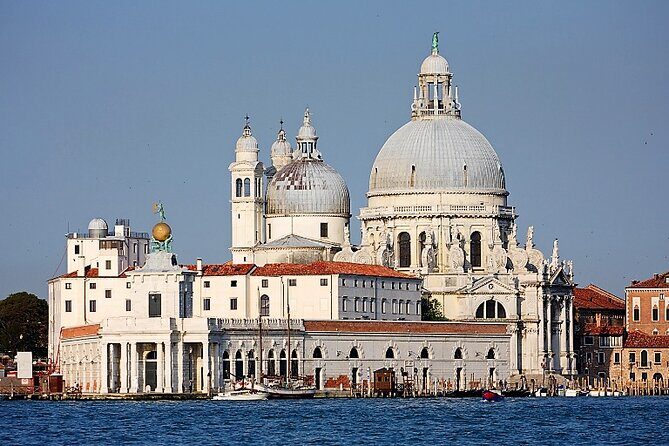
Chiesa di San Cassiano is where the tour becomes one of its most human stops. You’ll learn the story of Rolandina Roncaglia, described as the first trans person we know of in Italy. She was born Rolandino, lived as a woman for seven years in a house nearby, and worked by selling eggs at the local market. After that, she became a prostitute. When discovered in 1355, the guide recounts that she met a terrible death.
This isn’t a sanitized story. It’s presented as a reality check on how gender nonconformity could bring violence in a system that treated certain behavior as crime.
From there you move to Campo San Cassiano, tied to a theatre claimed to be the first public opera house in the world. The area is also linked to homosexual encounters, with Giacomo Casanova mentioned as pointing this out when he worked as a spy for state inquisitors in the 18th century.
That mix—opera house prestige next to coded encounters—helps explain Venice’s contradictions. The same city that built cultural landmarks also policed intimate behavior.
Canal Grande Edges and the Rialto Announcements: Codes, Proclamations, and Fear of Being Noticed
Along Canal Grande at Calle dell Ogio, the guide highlights a meeting connected to a writer and a pioneer of the British gay movement, plus a 19-year-old porter described as part of the story. The exact names aren’t provided in the tour info you have here, but the takeaway is clear: Venice wasn’t only a continental affair. It connected people across borders.
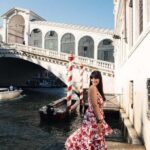
Then comes the Rialto area power play at Campo San Giacomo di Rialto. The guide points out how a statue nearby served as a podium for proclamations and announcements, including bans relating to sodomy. An officer read names of those sentenced to death, with executions happening on the block at the end of the staircase. Being near one of the city’s busiest areas—right by the Rialto market—made it ideal for public communication.
If you want the honest gut-punch of this tour, it’s here: LGBTQ life wasn’t only a private struggle. It was managed in public, with names and spectacle.
A short hop later is Ruga dei Oresi, where a “suspicious” pharmacy is said to have been used by sodomites for meetings. The tour info is blunt: even getting close could be grounds for condemnation to death. You’re not just learning history. You’re learning how fear worked—how proximity to the wrong space could become a legal trap.
Ca’ Zenobio and the Madonna Like a Virgin Factor: Pop Culture Inside Late Baroque Walls
Not every stop is about risk and punishment. One of the most surprising turns is Palazzo Ca’ Zenobio. Architecturally, it’s framed as one of Venice’s significant examples of late Baroque design, with interior decor that matches the drama of the exterior. But the story continues.
In the 18th century, the palace is described as a venue for intense intellectual life. Since 1993, after restoration, it’s used as a research centre for Armenian studies. And then the pop-culture twist: it’s noted as the main indoor location of Madonna’s Like a Virgin video in the 1980s.
Why this matters for your experience: it shows how Venice recycles meaning. A building can host intellectual evenings, then artistic film shoots, and still be part of an LGBTQ history walk because modern art and modern identity narratives share walls with older ones.
If you love the idea of seeing Venice as a living place rather than an open-air archive, this stop delivers.
San Sebastiano, San Marco, and the Iron Cage: Art That Teaches and Crowds That Punish
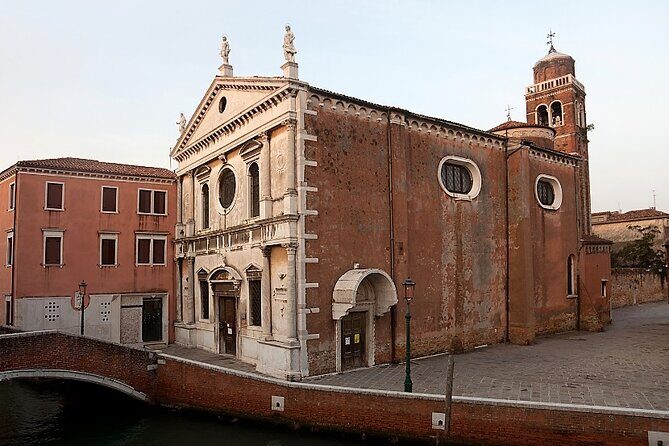
Next is Chiesa di San Sebastiano, a major art venue thanks to a cycle of paintings by Paolo Veronese, who’s buried here. The tour also frames San Sebastiano as the patron saint of the LGBT community worldwide. That connection might surprise you if your Venice mental map is mostly canals and churches, but it gives the walk a spiritual and artistic angle rather than purely legal history.
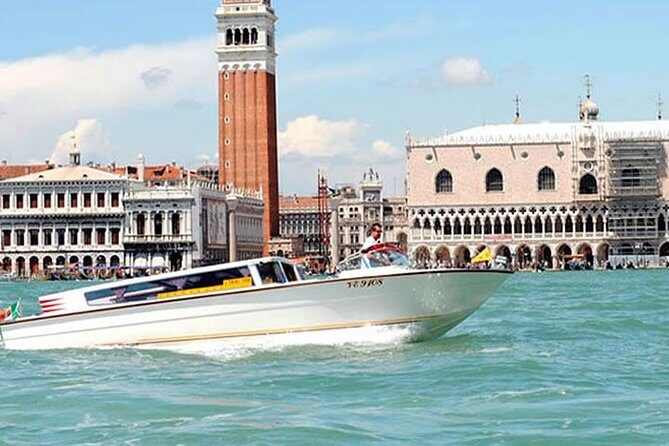
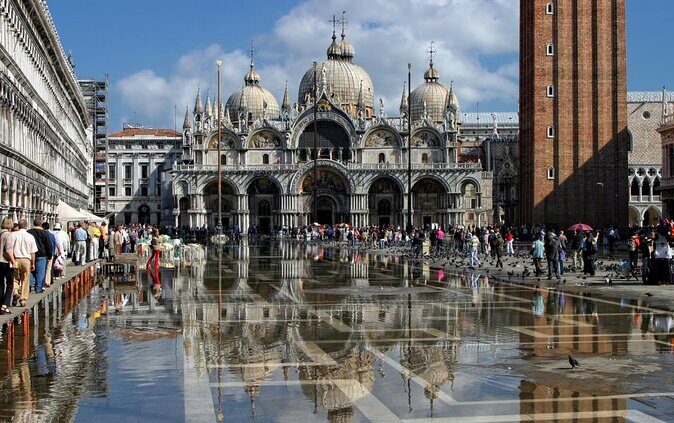
Then you’ll go outside Campanile di San Marco. The focus is an iron cage called the cheba, dating back to the 15th century and used in the 16th. It’s described as being used to expose sodomite priests to bad weather and crowd taunts.
From there, Piazzetta San Marco connects to executions up to the middle of the 17th century, again with Casanova mentioned as confirming. Put together, these stops create a clear picture: public spectacle was a tool, not a side effect.
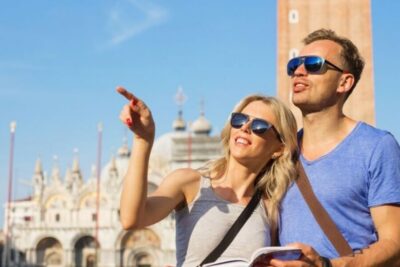
And in a city where people still gather near St. Mark’s for photographs, this is the uncomfortable counterpoint. Same square energy. Different purpose.
Harry’s Bar to the Final Palazzi: Where Love Kept Talking
You finish with places tied to writers, artists, and social life—some modern, some still older than modern labels.
At Harry’s Bar, the guide takes a careful approach: even if the founder insisted it was only rumor, the stop is presented as a famous bar where gay travelers gathered up to the 1970s. That nuance matters. It signals you’re exploring a legend that grew because the setting and the community made it believable.
Then it’s back to romance-and-writing addresses:
- Riva degli Schiavoni: a palace where a love story was staged between a Venetian rower and a famous German writer
- Calle del Dose da Ponte: an old hotel where a famous lesbian US painter lived, described as collecting love affairs with both men and women
- Palazzo Ca’ Dario: a palace known for unfortunate events tied to some of its owners, with the guide stating many of them were gay
- Palazzo Mocenigo: another palace connected to a famous British poet, noted for poetry and a bisexual component in a complex sentimental and sexual life
- Chiesa Parrocchiale di San Martino di Castello: the guide references a 1450 law listing a porch that no longer exists, connected to places used for night cruising by sodomites
This ending matters because it prevents the tour from being only trauma. You see how LGBTQ life leaves traces in art, literature, and the kind of personal stories palazzi hold in their walls.
Should You Book Gay Life in Venice?
Book it if you want Venice to feel readable—if you like tours that connect history to street corners, churches, and buildings you’ll pass later on your own. The small group size and strong storytelling from Valerio Coppo are a big part of the value, and the mix of documentary-dark topics plus pop-culture detours (yes, Ca’ Zenobio and Madonna) keeps the walk from becoming one-note.
Skip it if you’re looking for a nightlife-focused LGBTQ tour with light vibes only. This one spends real time on surveillance, punishments, and execution-related locations. You can learn a lot, but you need to be okay with the uglier side of history.
One final practical note: the tour runs about 2 hours, so plan to keep the rest of your day flexible. Venice walking adds up fast.
FAQ
How long is the Gay Life in Venice tour?
It lasts about 2 hours (approx.).
What language is the tour offered in?
The tour is offered in English.
How many people are in the group?
The experience is capped at eight travelers in the highlights, and the maximum size is listed as 10 travelers.
Where does the tour start and end?
It starts at Campo San Giacomo dell’Orio and ends at Ponte di Rialto.
Do I need admission tickets for the stops?
The itinerary notes Admission Ticket Free for the stops, and the tour includes the guide support.
Is there an access fee for some visitors?
On certain dates, people staying outside Venice who visit for the day may need to pay a €5 access fee. Check the provided link for which dates apply.
Is the tour suitable for most people, and are service animals allowed?
The info says most travelers can participate, and service animals are allowed. The meeting point is near public transportation.