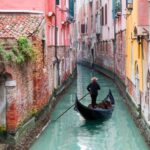
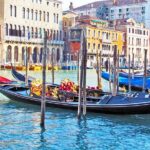
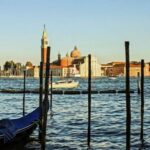
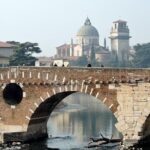
Venice teaches you with every corner. This walk is built for that kind of learning. I like that it focuses on Dorsoduro—where Venetians actually live, hang out, and wander on weekends—so the city feels less staged and more lived-in.
Two things I’d put near the top: you get stop-by-stop context for Venetian words and places (like squero and palazzo), and you end up in meaningful spots that most first-time routes skip. One thing to consider: a couple of the major sites along the way have admission not included, so you’ll want to budget extra if you decide to go inside.
The morning start helps, too. With guides Nicoló and Alexandra, the pace feels energetic and practical, and the tone stays grounded in responsible, people-first travel. Just remember this is a weather-dependent experience, and it’s best done with comfortable walking shoes.
In This Review
- Key things to know before you go
- Why Dorsoduro makes this Venice walk feel local
- Price and value: what $75.24 buys you (and what it doesn’t)
- Logistics that matter: meeting point, end point, and pace
- Campo Santa Margherita: learning Venice squares the practical way
- Scuola Grande dei Carmini: what a scuola grande means in Venice
- Squero Domenico Tramontin e Figli: the gondola boatyard stop you’ll remember
- Osteria Al Squero: aperitivo as part of the story
- Fondamenta Zattere and Campo Sant’Agnese: port, canals, and urbanism on foot
- Punta della Dogana: merchants, customs, and the Venice that ran on trade
- Santa Maria della Salute: Palladio, Venetian Baroque, and tradition in one stop
- Ponte de la Toletta and Ca’ Rezzonico gardens: carnival and palazzo atmosphere
- The guide experience: learning words like squero and palazzo without feeling tested
- What weather and ticket choices mean for your day
- Who this tour is best for
- Should you book the Venice Historic Walk with Cao Rio?
- FAQ
- FAQ
- How long is the Venice Historic Walk?
- How much does the tour cost?
- Where is the meeting point?
- Where does the tour end?
- What time does the tour start?
- Is this tour private?
- What’s included in the price?
- What is not included?
- Do I need an admission ticket for every stop?
- Are there any extra fees on certain days?
- What happens if the weather is bad?
Key things to know before you go
- A Dorsoduro-centered route that favors quiet backstreets over big-ticket crowds
- Real Venetian terminology explained in context, from scuola grande to squero
- Boat-building at a squero plus a stop for a Venetian aperitivo moment
- Port-and-city layout on foot, with canals and urbanism points along the way
- Architecture and tradition mix, including Palladio-linked and Venetian Baroque themes
- Private tour, mobile ticket, and a guide included in the price
Why Dorsoduro makes this Venice walk feel local
Dorsoduro is the neighborhood that often makes you feel like you’re seeing Venice the way Venetians do. It’s full of quieter streets, local rhythms, and architectural details that reward slow attention. Starting there also means the walk feels intentional, not random.
On this tour, you’re not just moving from famous building to famous building. You’re learning how Venice works as a city—its layout, its waterways, and the traditions that shaped what people built and where they gathered. That city-planning angle is a big part of why the experience sticks with me.
You’ll also get the language used around these places. Words like squero and palazzo aren’t treated like trivia. You’ll understand what they mean because you see the setting they belong to.
You can also read our reviews of more walking tours in Venice

Price and value: what $75.24 buys you (and what it doesn’t)
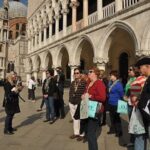
At $75.24 per person for about 2 hours 30 minutes, you’re paying for guided interpretation and a well-shaped route through areas you might not pick on your own. The guide is included, and the tour uses a mobile ticket, which cuts down on friction.
Most stops are listed with free admission ticket status for the tour points. That helps the trip feel like value rather than a string of add-on fees. The tradeoff is that some specific sights along the way are marked as admission not included, so if you want to go inside certain churches or similar locations, you’ll need to handle that yourself.
If you like history that’s connected to daily life—architecture, neighborhoods, and waterfront functions—this price makes sense. If you only want inside-church time or only top-tier paid museum interiors, you might feel you want more included admissions.
Logistics that matter: meeting point, end point, and pace
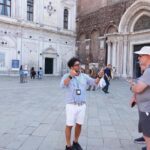
You start at Campo Santa Margherita (30123 Venezia VE) at 9:00 am, then you finish in Campo San Barnaba (30123 Venezia VE). It’s a private tour, meaning only your group joins the guide, and that usually makes Q&A easier and the route feel tailored to your pace.
The walk is designed for normal visitors: it says most travelers can participate and it’s near public transportation. Still, you’ll be doing a concentrated city stroll, so plan for comfortable shoes and a bit of standing time at viewpoints and architectural stops.
The order of the route also matters. You’ll begin in a square, work through institutions tied to Venetian life, then shift toward waterfront and larger landmarks. That flow helps your brain connect how Venice is organized: gathering spaces, craft spaces, water edges, and major ceremonial buildings.
Campo Santa Margherita: learning Venice squares the practical way
You start with Campo Santa Margherita, one of the classic Venetian squares where daily life shows up fast. This is the right opening because a Venetian campo isn’t just a pretty space—it’s a social room built into the city.
In the first stretch, the guide sets up how to read Venice at street level. You’ll be thinking about where people meet, how paths funnel between buildings, and why these squares matter for understanding what comes next.
The stop is short, about 10 minutes, so it’s not meant as a linger-and-lounge break. It’s more like a warm-up: get your bearings, then start seeing the city’s patterns.
Scuola Grande dei Carmini: what a scuola grande means in Venice
Next comes Scuola Grande dei Carmini. The tour frames this stop around a simple question: what is a scuola grande. That approach is smart because it gives you a way to interpret the building you’re looking at, rather than treating it like a random facade.
A scuola grande is tied to social and cultural life in Venice, so it fits the tour’s theme of traditions and community identity. You’ll learn the concept right where you can connect it to the architectural form and the local setting.
This is another short stop at about 10 minutes, so it works best if you’re the kind of traveler who likes quick, clear explanations. If you want long museum-style time, you may want to plan a separate visit later.
You can also read our reviews of more city tours in Venice

Squero Domenico Tramontin e Figli: the gondola boatyard stop you’ll remember
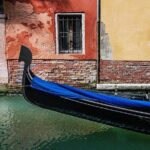
Then you hit one of the most Venetian-feeling parts of the route: Squero Domenico Tramontin e Figli. The key word here is squero, and the tour is built to explain it in context.
This is where Venice’s water-and-craft identity becomes concrete. You’re not just hearing that gondolas exist; you’re positioned at a gondola boatyard setting, so the idea makes sense immediately. It’s the kind of stop that turns a word you’ve heard into something you can actually picture.
Plan for about 10 minutes here. It’s long enough for meaning, short enough to keep the walk moving. If you’re a photo person, you’ll probably want to capture angles that show the waterfront/craft connection, not just the building itself.
Osteria Al Squero: aperitivo as part of the story
Right after the squero comes Osteria Al Squero, with a focus on the Venetian aperitivo tradition. This stop adds a practical human element to all that architecture talk: the city’s history isn’t only carved in stone. It’s also how people eat, drink, and socialize around their daily rhythms.
Alcoholic beverages aren’t included, so you can treat this as a snack stop or a light drink moment depending on your budget. The tour keeps it flexible, but the structure gives you a reason to slow down for about 15 minutes.
This is also where you can ask the guide about how Venice traditions actually show up today. The tour’s tone tends to connect past and present without turning it into a lecture.
Fondamenta Zattere and Campo Sant’Agnese: port, canals, and urbanism on foot
From craft and food, you shift to the city edge at Fondamenta Zattere, described as a Venetian port and canals point. This part of the walk is great for people who like understanding how a city works. You start seeing why Venice shaped itself around water routes and what that meant for movement and commerce.
After that, you head to Campo Sant’Agnese, where the theme becomes Venetian urbanism. This is the place to notice how buildings and streets steer your route, how neighborhoods organize around communal spaces, and how the city’s form creates its own logic.
These two stops are each about 15 minutes, so they’re balanced. You get enough time to register the pattern, but you still keep momentum toward the bigger landmarks.
Punta della Dogana: merchants, customs, and the Venice that ran on trade
Next is Punta della Dogana, framed around the custom house and merchants of Venice. This stop is a reminder that Venice wasn’t just a cultural center—it was also a commercial machine, and its geography helped it function that way.
This is one of the places where admission is not included. So treat it as a “learn and look” stop, then decide on the spot whether you want to add entry costs if offered.
Even without going inside, you’ll pick up the theme quickly: Venice’s identity was shaped by who came and what goods moved through its waterways. It’s a good contrast to the craft-and-square feel earlier in the route.
Santa Maria della Salute: Palladio, Venetian Baroque, and tradition in one stop
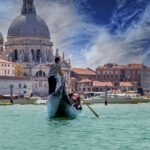
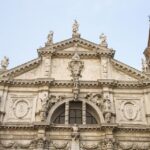
Then comes Basilica di Santa Maria della Salute, with a theme that blends Palladio, Venetian Baroque, and life traditions. The way it’s presented matters. The guide isn’t only pointing at style; they’re connecting it to tradition and the role it plays in daily cultural memory.
Like Punta della Dogana, this stop notes that admission is not included. If you’re short on time during your overall trip, you can still get plenty from the exterior and the guide’s framing. If you love architecture and want to spend more time in the building itself, you’ll need to plan extra ticket costs.
This stop runs about 15 minutes, which is enough time to understand the big themes without turning the morning into museum time.
Ponte de la Toletta and Ca’ Rezzonico gardens: carnival and palazzo atmosphere
After the bigger ceremonial stop, the walk pivots to something more playful: Ponte de la Toletta, tied to Venetian Carnival. Carnival is part of Venice’s identity, and this is a good way to see that culture isn’t sealed off in a calendar event. It lives in spaces, too.
You’ll then move to Giardini di Ca’ Rezzonico, framed as a Venetian palazzo setting. A palazzo stop works well at the end because it pulls your learning together. You’ve already seen squares, institutions, waterfront craft, and trade points—so now you can connect how elite residences and social power fit into the city’s physical structure.
Both of these moments are around 10 to 15 minutes. It’s not a long lingering garden stroll, but it gives you atmosphere and a strong finish.
The guide experience: learning words like squero and palazzo without feeling tested
A lot of “historic walks” end up as a facts list. This one leans more toward understanding. You’ll hear and use key words—squero for boatyards, palazzo for major residences, and scuola grande for the cultural/social institution idea—so the city’s vocabulary starts to click.
The guides, including Nicoló and Alexandra, keep the tone energetic and encouraging. In the style of the experience, the goal is not just to tell you what you’re looking at. It’s to help you interpret why it exists and how it connects to Venetian identity today.
The reviews also highlight a responsible travel angle—an emphasis on knowledge sharing and exchange. You can feel that in the way the route favors real neighborhood context over purely postcard scenery.
What weather and ticket choices mean for your day
This experience requires good weather. If it gets canceled because of poor conditions, you’ll be offered a different date or a full refund. You’ll also want to have a plan if you decide to add paid entries at the stops marked as not included.
If you’re trying to keep costs controlled, you can simply follow the guide’s explanation at free stops and treat the not-included sites as optional. If you’re there to soak up architecture and don’t mind extra admissions, you’ll probably appreciate being pointed toward the bigger landmarks with clear themes.
Either way, your best move is to dress for comfort and keep flexibility. A Venice walk goes well when you can adapt to the city’s weather and your own curiosity.
Who this tour is best for
This is ideal if you:
- want to learn Venice through neighborhood life, especially Dorsoduro
- like architecture and city layout, not just famous sights
- enjoy guided explanations of key terms and traditions
- prefer a structured walk that still feels natural and local
It may be less ideal if you’re only interested in long indoor museum-style visits. This tour is built for outdoor learning and interpretive context, with some optional paid entries depending on what you choose to do.
Should you book the Venice Historic Walk with Cao Rio?
I’d book it if you want a Venice day that feels like you’re being taught how to read the city: squares as social rooms, squero as gondola craft identity, waterfront edges as port logic, and palazzo-style power as part of the urban pattern. With a private setup, a guide included, and a route concentrated on Dorsoduro, the value is strong for the price.
Skip it only if you’re mainly chasing long-ticket attractions inside major sites. Otherwise, this walk gives you the kind of understanding that makes the rest of Venice easier to explore on your own.
FAQ
FAQ
How long is the Venice Historic Walk?
The walk lasts about 2 hours 30 minutes.
How much does the tour cost?
The price is $75.24 per person.
Where is the meeting point?
You meet at Campo Santa Margherita, 30123 Venezia VE, Italy.
Where does the tour end?
The tour ends in Campo San Barnaba, 30123 Venezia VE, Italy.
What time does the tour start?
The start time is 9:00 am.
Is this tour private?
Yes. It’s a private activity, so only your group participates.
What’s included in the price?
A guide is included.
What is not included?
The tour does not include alcoholic beverages and tickets inside the churches/palaces. Some specific stops also note admission not included.
Do I need an admission ticket for every stop?
No. Many stops are marked free for the tour points, but some entrances are listed as admission not included.
Are there any extra fees on certain days?
On certain dates, people staying outside Venice who are visiting for the day may need to pay a €5 access fee. Check the details and exemptions at https://cda.ve.it.
What happens if the weather is bad?
If it’s canceled due to poor weather, you’ll be offered a different date or a full refund.