REVIEW · VENICE
Glass Blowing Experience with Glass Master
Book on Viator →Operated by Gino Mazzuccato Murano Glass · Bookable on Viator
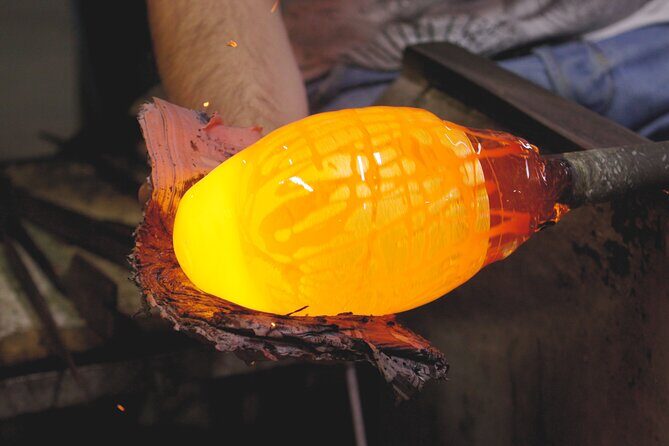
That glow of molten glass is pure theatre.
This Murano visit pairs a behind-the-scenes look at the glass master’s techniques with a short, real chance to blow glass yourself. I like that you get the story and the spectacle, and I also like that the guide keeps it grounded—history, materials, and what’s actually happening at the bench. The main thing to think about: the hands-on moment is brief, and the whole experience can feel short for the price.
You’ll start with a private water-taxi transfer to Murano, then step into the Gino Mazzuccato glass factory world. The pacing is designed to fit a tight, watch-and-try flow, followed by time to explore the shop for authentic Murano glass. If you’re expecting a long workshop where you take home a finished piece, plan for something more like an intro plus a souvenir-shopping stop.
In This Review
- Key points to know before you go
- Murano by private water taxi: what the ride adds
- Arriving at Gino Mazzuccato Murano Glass: where the day becomes real
- Meet the glass master: techniques you’ll actually understand
- The hands-on try: how blowing glass really feels
- Why you can’t take your blown glass home (and what that means)
- The shop stop after the demo: browse authentic Murano glass
- Price and value: what $240.96 per person really covers
- Who should book this Murano glass-blowing experience?
- Quick tips so you enjoy it more
- Should you book Glass Blowing Experience with Glass Master?
- FAQ
- FAQ
- How long does the Glass Blowing Experience take?
- Where does the experience take place?
- Do you get picked up from your hotel?
- Is this a private tour or shared group?
- What language is the experience offered in?
- Is it a workshop where you make and take home your own glass?
- Can you visit the shop after the demo?
- Are service animals allowed?
- Do most people get to participate in blowing glass?
- Is there any extra day fee in Venice?
- What happens if the weather is bad?
Key points to know before you go
- Private water-taxi pickup from your hotel/pick-up point on Murano transfer time
- Watch the master work first, then try to blow along with the glass master
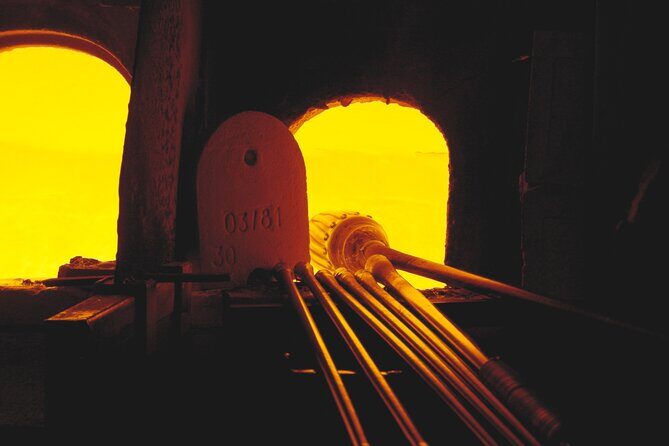
- Not a take-home workshop: your glass needs slow cooling (24–48 hours), so you won’t leave with your piece
- Factory + shop time to browse authentic Murano glass collection right after the demo
- Most travelers can participate, but the hands-on minutes may be limited by timing and how many people can blow at once
Murano by private water taxi: what the ride adds
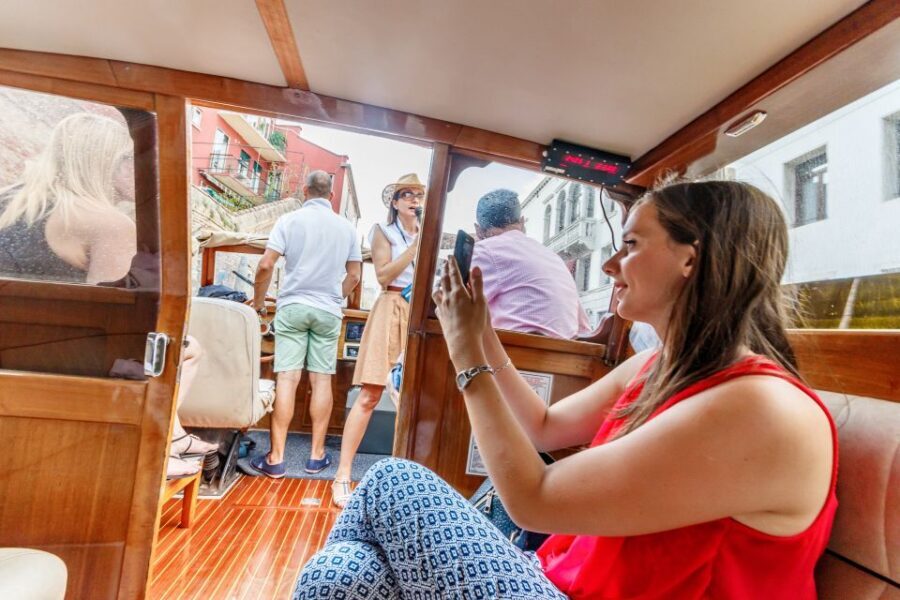
The best part of Murano is that it feels like a real break from Venice. This experience starts the same way: you find a private water taxi at your hotel/pick-up point at your scheduled time. That means you’re not stuck figuring out routes, ferry schedules, or crowd crush before you even reach the island.
Once you arrive, Murano’s glass reputation hits fast. You’re not just looking at glass as a product—you’re going to the source, where production still happens. The transfer also helps the vibe. You step into a more focused, timed experience instead of a free-form day where everything is “maybe.”
You can also read our reviews of more tours and experiences in Venice.



Arriving at Gino Mazzuccato Murano Glass: where the day becomes real
Your stop is at Gino Mazzuccato Murano Glass. When you get there, you meet a staff member who takes care of you and keeps things moving. The factory itself is the point: this isn’t a staged photo stop. You’re seeing the work environment where glass is heated, shaped, and handled with tight control.
One practical note: wear shoes you’re comfortable in around industrial spaces. You’ll be watching and then moving into position for your turn. If you’re the type who likes to get your bearings fast, arrive a few minutes early so you can settle before the master starts.
Also, Murano has the small island challenge: it’s easy to feel “busy” without being lost. If you’re visiting for the day from outside Venice, you may need to plan for the €5 access fee on certain dates (with exemptions listed on the official site). Bring a plan for that ahead of time, because it can be annoying when you’re already running on tour timing.
Meet the glass master: techniques you’ll actually understand
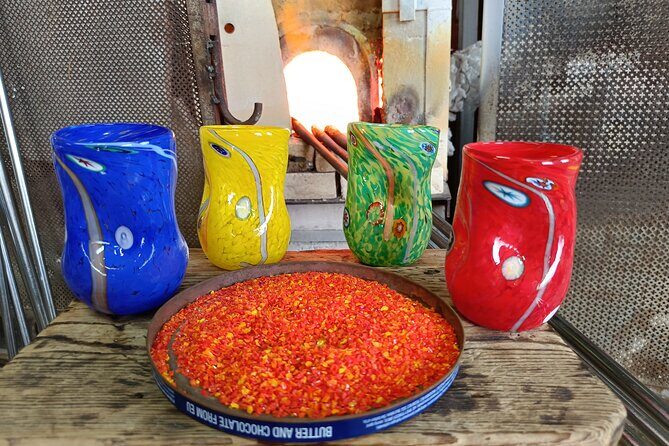
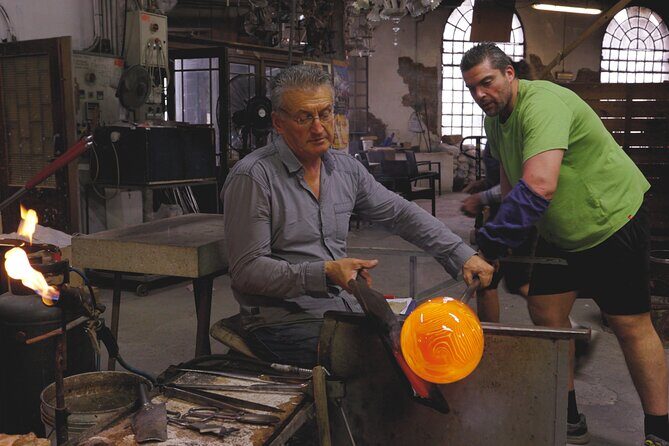
The experience begins with watching the glass master work. This is where the trip pays off, because you see the craft as a process, not a magic trick. You’ll likely see the master produce glass art pieces and use specific techniques that depend on timing, heat, and controlled movement.
A staff member explains glass history, materials, and production techniques while you watch. That’s important. Without context, glass blowing can look like a bunch of swirling and luck. With context, it becomes clear that you’re watching physics in action—molten glass behaves like a material with rules, and the master’s job is guiding it inside those rules.
In several accounts, the master’s personality lands too. People describe the presentation as funny and approachable, not stiff. And when a shop discount follows, the connection becomes clear: you’re learning how glass is made so you can shop with more judgment afterward.
The hands-on try: how blowing glass really feels
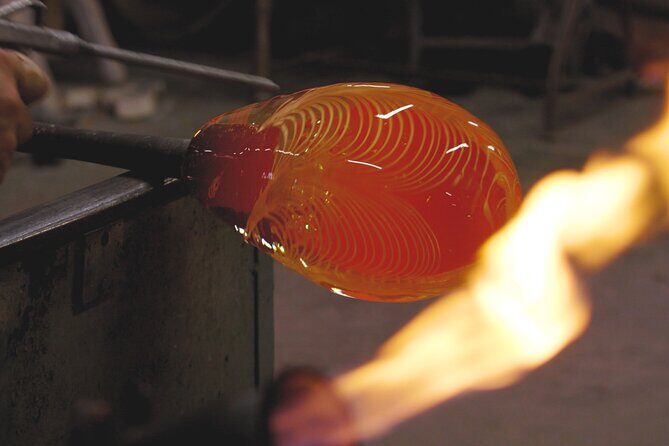
Here’s the big expectation check: this is described as a try to blow glass, not a full workshop. You’ll blow the glass along with the master, and you’ll get a real sense of what it takes to shape something while it’s hot and responsive.
From real-world feedback, the hands-on time can be short—sometimes around minutes, not a long session. Some people come away happy because they expected a quick intro and got exactly that. Others feel they didn’t get enough time for the price. If you’re paying premium prices, your best strategy is to go in clear-eyed: you’re buying access to a master’s show and a brief chance to do it yourself.
What you should look for in the experience:
- You’ll likely get instructions for pressure and timing, then a quick try
- You’ll learn by watching the master’s hands first
- Your turn is tied to safety and timing of the molten glass
A few helpful mindset tips:
- Don’t aim for perfection. Aim for control for a moment.
- Watch closely, because the master’s small adjustments matter.
- If you’re with kids, expect supervised participation; in past experiences, families have said children loved getting a try.
And a key reality: the glass you try making won’t be taken away by you. More on that next, because it affects value and expectations.
Why you can’t take your blown glass home (and what that means)
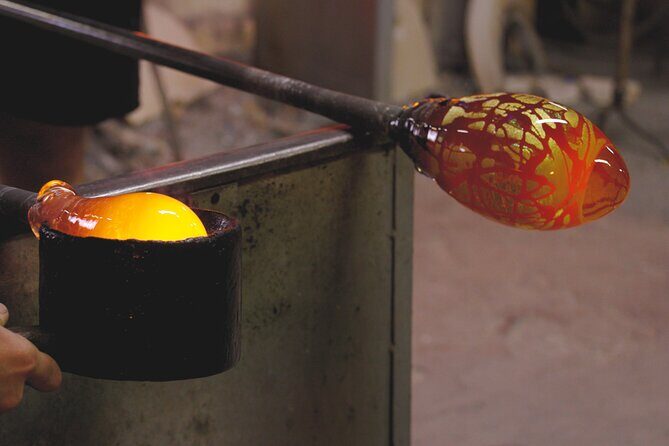
This is the part that trips people up, so read it closely before you go. The glass shaped and worked during your session has no possibility to be taken away with you. After shaping, the glass needs to cool down slowly to be tempered, and that takes about 24–48 hours.
This detail matters for value in two ways:
- You’re paying for the process, not the finished souvenir.
If your goal is to leave with a finished object in your hand, this won’t match that. If your goal is to understand and experience glass-blowing, it can still be great—just don’t expect a take-home craft.
- It shifts the “souvenir” to the shop afterward.
Your experience naturally ends with time to visit the collection and potentially purchase something you can take with you. Several people noted that a discount is offered at the store afterward, which is a nice pressure release if you do want to buy.
So if you’re shopping-minded, treat the demo as a preview for what’s worth buying. If you’re strictly souvenir-minded, you might feel disappointed unless you’re comfortable buying at the end.





The shop stop after the demo: browse authentic Murano glass
After the blowing moment, you can visit the glass collection and shop. This is a logical flow: you learn how difficult the work is, then you see the results up close.
Also, you should understand the tone. Some people report no-pressure browsing. Others feel it turns into a sales push, especially when the hands-on time felt too brief. The common thread is that the factory shop is part of the experience design. You’re not visiting just to watch; you’re also visiting a place where authentic Murano glass is sold.
My practical advice if you want to shop smarter:
- Decide your budget before you start looking.
- Spend most of your time comparing items rather than reacting to the first beautiful piece.
- If you see a discount mentioned, use it as a nudge—not a reason to buy instantly.
Price and value: what $240.96 per person really covers
At $240.96 per person and about two hours, you’re paying for something specific: private-style access to a factory setting, a master’s techniques, explanation from staff, and a brief hands-on attempt. You’re also paying for the Murano transfer by water taxi, which adds comfort and time savings.
The value question is really about time-and-turns:
- If you leave feeling you watched a true master and you got a meaningful chance to blow, the price can make sense.
- If you feel the demo was too short and your blowing time was almost token, you may feel the cost doesn’t match the minutes.
In the mixed feedback, two points show up repeatedly:
- People who loved the experience often say watching the master was amazing and the attempt was fun, even if short.
- People who were unhappy often mention the hands-on moment felt rushed and the total time felt underwhelming compared to what they expected.
If you’re trying to maximize value, ask yourself this before booking:
- Do you mainly want to see the craft and learn?
- Or do you mainly want a long workshop where you take home what you make?
This experience leans toward the first.
Who should book this Murano glass-blowing experience?
This is a strong fit if you want:
- A real factory visit on Murano, not a generic demo
- A short but memorable, interactive intro
- A chance to understand why Murano glass is not just decoration
It’s also a good choice if you like structured moments in your itinerary. The private timing keeps you from wandering, and the explanation helps you “read” what you’re seeing.
You might reconsider if:
- You need a longer hands-on workshop experience
- You expect to leave with your own finished glass piece
- You dislike shopping stops that are clearly part of the experience flow
Quick tips so you enjoy it more
- Go in expecting a try, not a full class.
- Wear comfortable shoes and plan for standing and watching.
- Bring your questions about techniques and materials—staff time is part of what you’re paying for.
- If you want to buy, decide budget first so the shop doesn’t rush you.
- If you’re visiting from outside Venice on a day-fee date, check whether you’ll be charged the €5 access fee.
Should you book Glass Blowing Experience with Glass Master?
I think you should book if your goal is to see a master glassblower at work in Murano and get a brief, real chance to blow glass yourself. The private water-taxi start plus the factory setting makes it feel like a proper experience, not a quick roadside show.
I’d hesitate if you’re the type who expects a long, take-home craft session. Because your glass can’t be taken away and the hands-on time may be short, this is best for people who enjoy watching the process and learning enough to appreciate what they might buy afterward.
If you’re in the sweet spot—glass curiosity plus a flexible attitude about time and souvenirs—this can be a fun, memorable Murano stop.
FAQ
FAQ
How long does the Glass Blowing Experience take?
It runs about 2 hours (approx.).
Where does the experience take place?
The experience is on Murano, Venice, Italy, at Gino Mazzuccato Murano Glass.
Do you get picked up from your hotel?
Yes. You’ll find a private water taxi at your hotel/pick-up point at the time of your experience.
Is this a private tour or shared group?
It’s listed as a private tour/activity, so only your group participates.
What language is the experience offered in?
It’s offered in English.
Is it a workshop where you make and take home your own glass?
No. You get to try blowing glass, but the glass you make cannot be taken away because it needs slow cooling and tempering after shaping.
Can you visit the shop after the demo?
Yes. After the experience, you can visit the rest of the glass collection and purchase authentic Murano glass.
Are service animals allowed?
Yes, service animals are allowed.
Do most people get to participate in blowing glass?
The information says most travelers can participate, but the actual hands-on time can depend on how the session is run.
Is there any extra day fee in Venice?
On certain dates, day visitors staying outside of Venice may need to pay a €5 access fee. You can check applicable days and exemptions here: https://cda.ve.it
What happens if the weather is bad?
The experience requires good weather. If it’s canceled due to poor weather, you’ll be offered a different date or a full refund.