REVIEW · VENICE
Grand Canal, Murano Glass Factory + glass blowing experience!
Book on Viator →Operated by Gino Mazzuccato Murano Glass · Bookable on Viator
Venice by water taxi feels like the good kind of effortless. I love the private Canal Grande ride and the way it frames everything you’ll see next. Then you step into Murano glass blowing, where the craft is real and the pacing stays lively.
Two things stood out right away: the guide’s storytelling on the water, and the chance to watch glassmasters at work before you try the technique yourself. One thing to keep in mind: the showroom stop includes a shop experience, and that part can feel a bit sales-forward for some people.
In This Review
- Key highlights worth planning for
- Canal Grande by private water taxi: where the Venice day actually starts
- Murano’s glass factory stop: what you’re really paying for
- The glass-blowing demo and your hands-on moment
- What the showroom time feels like (and how to handle it)
- Stop-by-stop breakdown: timing, flow, and what to watch for
- Stop 1: Canal Grande cruise toward Murano
- Stop 2: Gino Mazzuccato Murano Glass and the glassmaking show
- How much is it really worth? The price in plain terms
- Who this tour suits best (and who should think twice)
- A practical tip: confirm any boat feature you care about
- Should you book Grand Canal + Murano glass blowing?
- FAQ
- How long is the Grand Canal and Murano glass blowing experience?
- Where does the tour take place?
- Is pickup included?
- Is this a private tour?
- What’s included in the glass experience?
- What ticket do I need?
- What happens if the weather is bad?
- What’s the cancellation policy?
Key highlights worth planning for
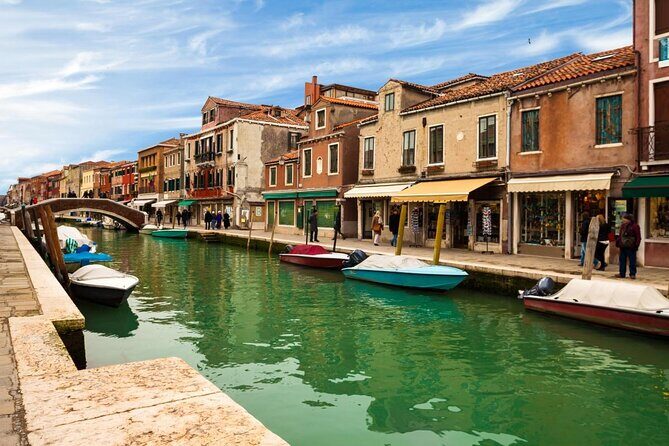
- Canal Grande views from a private water taxi, with commentary on art, history, and everyday life
- A glassmaster demonstration of blowing and sculpture techniques before you participate
- You get to blow glass yourself, but you won’t take a finished piece home
- An English-speaking guide on the route, plus a more human pace than big-group tours
- Time in the Murano showroom and shop, which can range from pleasant browsing to mild pressure
- Confirm details that matter to you, like whether any boat has special features
Canal Grande by private water taxi: where the Venice day actually starts
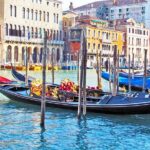
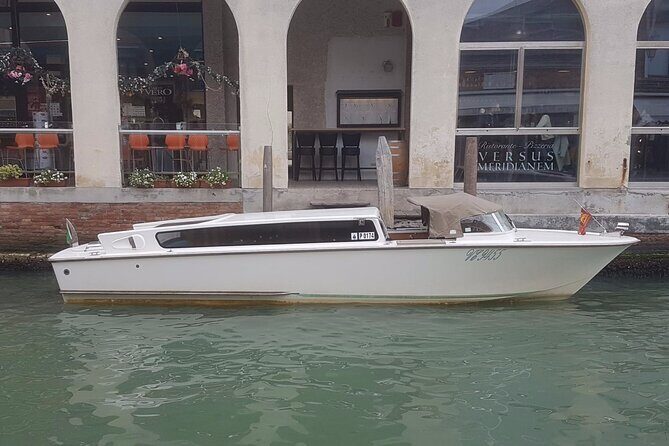
If you only have so much time in Venice, this is a smart way to get moving without getting swallowed by crowds. You ride by private water taxi, so your group gets its own space while the city slides by in a neat line of landmarks and side canals. It’s also a good format for first-timers, because the guide can orient you while you’re already seeing the sights.
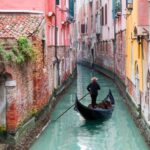
The route begins along the Grand Canal, then you continue toward Murano via smaller, typical canals. That’s a helpful contrast. The Grand Canal gives you the iconic Venice picture. The smaller canals show you the working side of the waterways, the scale, and how the city actually functions day to day.
Practical note: bring a camera strap and keep your phone secure. Water taxis move through tight turns and passing traffic, and you’ll want both hands free if the boat bounces a bit. Also, dress for wind off the water. Even when it’s warm on shore, the canal breeze can surprise you.
You can also read our reviews of more tours and experiences in Venice.


Murano’s glass factory stop: what you’re really paying for
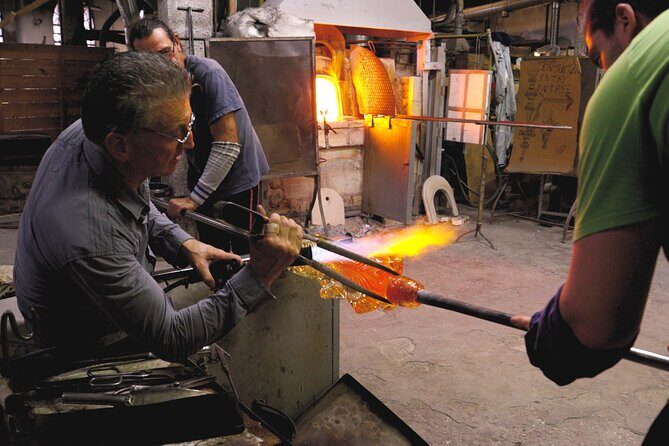
The Murano part isn’t just a photo stop. This experience is built around watching glassmaking up close, then doing it yourself. The factory is Gino Mazzuccato Murano Glass, and the emphasis is on the process: blowing, shaping, and the hand skills behind the final look.
The demonstration matters because it sets expectations for what you’ll try later. You see the craft in motion, and you get a better sense for why glass can look delicate and weightless while still being stubbornly technical. Then the experience shifts from spectator mode to participation.
The glass-blowing demo and your hands-on moment
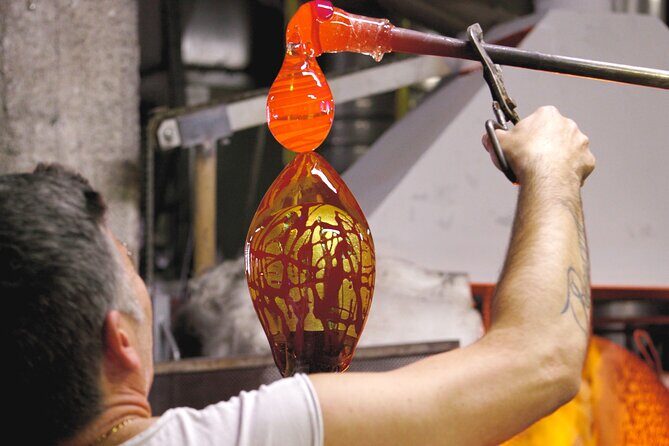
This is the heart of the tour, and it’s where most people feel the biggest payoff. The glass blowing demonstration is typically described as terrific, and you can see real technique rather than a quick staged show. One highlight from the guide side: Deborah was specifically praised for sharing interesting details on the history of the art, not just reciting basics.
Then comes the hands-on part: you get to blow glass. That’s not a sightseeing gimmick. It’s a chance to experience the teamwork of the room and the rhythm of the work. Even if you don’t have a craft background, you can feel how timing, pressure, and control all matter.
Here’s the key expectation-setting detail: you won’t make an object you can take home. That choice affects value and satisfaction. If you’re the type who wants a souvenir from everything you do, plan for a different kind of memory here: a brief, skill-based experience and a chance to shop afterward if you want something physical.
What the showroom time feels like (and how to handle it)
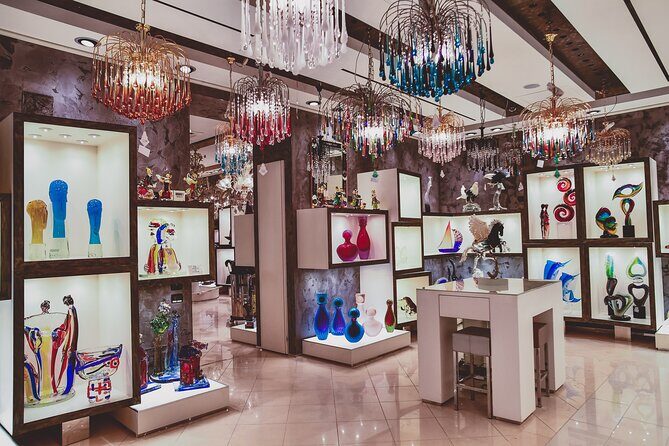
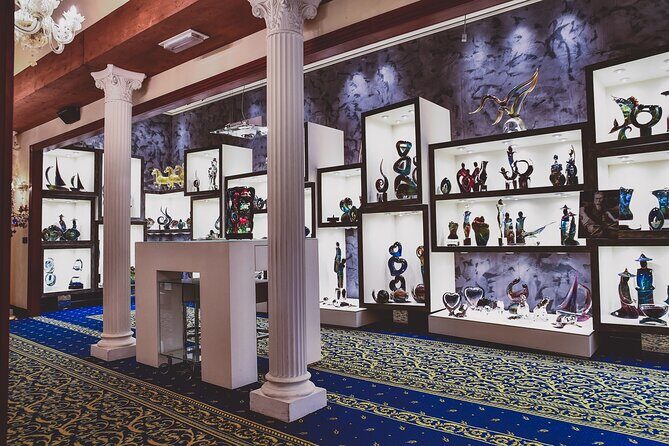
After the demonstration, you visit the collection of Murano glass artworks housed at the factory, then you’re directed to the gift shop. This part is a good match for glass lovers who want to slow down and look. It can also be the part that tests your patience, because some people feel the sales energy is a little pushy.
I’d treat it like this: set your own pace before you step in. If you want free browsing, tell yourself you’re scouting first. If you’re on a budget, decide that number in your head before you enter. Murano items are beautiful, but they’re also priced like art.
There’s a small human touch in the shop experience too. In one small group, everyone received a blue horse gift. It’s not something you should count on, but it hints at how the factory tries to make the visit feel personal rather than purely transactional.
Stop-by-stop breakdown: timing, flow, and what to watch for



Stop 1: Canal Grande cruise toward Murano
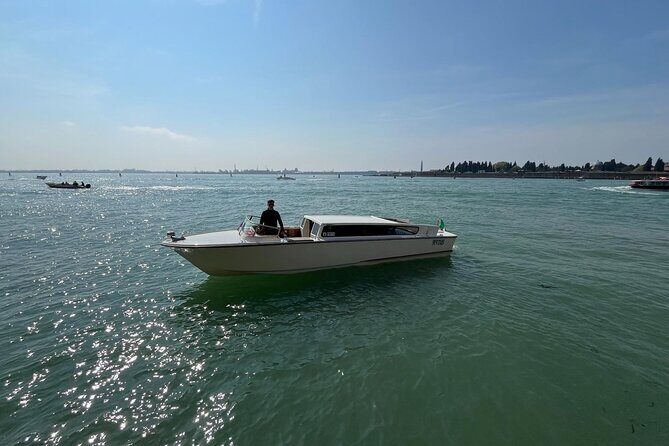
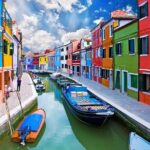
This leg is where the tour earns its “Venice” value. You get an hour on the water, which is long enough to enjoy the visuals and listen to commentary without feeling stuck. Your English-speaking guide talks about the art, history, and everyday life of Venice as you pass by.
What makes this stop special is the mix of big and small Venice. You’re on the Grand Canal for the signature sights, and then you transition toward the smaller canals that lead you to Murano. That gives you a fuller sense of the city’s water geography.
Possible drawback: water taxi conditions can change your comfort. If you’re sensitive to wind or motion, dress accordingly and position yourself comfortably. Also, the experience is weather-dependent, so if conditions are rough, your plans may change.
Stop 2: Gino Mazzuccato Murano Glass and the glassmaking show
This stop is built around two phases: demonstration, then hands-on blowing. You’ll also get time to see the Murano glass artworks collection and spend time in the shop.
What makes this stop feel worthwhile is the sequence. Watching first reduces the feeling of being thrown into an activity you don’t understand. The hands-on part then gives you a sense of accomplishment that purely browsing can’t match.
Possible drawback: pace and explanation level can vary. One disappointing account described a demo that felt rushed and a guide more focused on their phone than on the group. I can’t predict what your guide’s attention will be like, but you can improve your odds by arriving early, asking questions quickly, and speaking up politely if you want more context.
How much is it really worth? The price in plain terms
The price is listed at $289.65 per person, and it’s often booked about 44 days in advance. On the surface, that’s a lot for what sounds like a short excursion. But when you break down what’s included, the cost starts to make more sense.
You’re paying for:
- a private water taxi ride (not a shared boat with strangers),
- an English-speaking guide,
- admission tied to the glass factory experience,
- a glass blowing demonstration,
- and your own chance to blow glass.
The main factor that affects value is the souvenir expectation. You don’t take home what you make. That may lower satisfaction for some. But if you treat this as an activity you’ll remember, not a product you’ll pack, the price can feel more reasonable.
There’s also the “small group” element in practice. While the tour is described as private for your group, people still mention not feeling crowded. That matters in Venice. A calm, manageable group makes the whole experience feel smoother.
Who this tour suits best (and who should think twice)
This fits best if you want an organized day that mixes scenery with a real craft activity. You’ll likely enjoy it if:
- you’re short on time and want a clean route from Venice to Murano,
- you like seeing process, not just finished products,
- you’re curious enough to try glass blowing even without a take-home piece,
- you appreciate a guide who explains what you’re seeing while you ride.
Think twice if:
- you strongly prefer a low-pressure shop experience,
- you expect your water taxi to have special viewing features like a glass bottom (it’s not something you should assume),
- you want deep, detailed history for an hour-by-hour lecture. This experience is more about the craft and the experience flow.
A practical tip: confirm any boat feature you care about
One sore point in at least one experience was an expectation mismatch about the boat. If you care about something specific—like whether a water taxi has a glass-bottom—don’t gamble. Ask before you go, so you’re not disappointed when you arrive.
This is also good advice for anything that impacts comfort: seating position, where you’ll sit, and how you’ll handle wind and photos. Venice tours can be small on details until you’re standing there.
Should you book Grand Canal + Murano glass blowing?
Yes, if your priority is a memorable Venice-to-Murano day with actual hands-on craft time. The best part is the combination: you get the Grand Canal views and then you get a glassmaking experience that feels grounded in real technique, not just a show for tourists.
Skip or adjust expectations if you mostly want a shopping trip or if you need a take-home souvenir. Also, if you dislike sales pressure, set your shopping boundaries early and treat the showroom as inspiration unless you truly want to buy.
If you’re on the fence, I’d make the decision with this question: do you want to watch glass being made, or do you want to touch the process yourself? If the answer is the second one, this tour is very likely to land well.
FAQ
How long is the Grand Canal and Murano glass blowing experience?
The duration is listed as 2 to 4 hours, approximately.
Where does the tour take place?
It’s in Venice, Italy, with the route including a ride along the Grand Canal and a stop at a Murano glass factory on the island of Murano.
Is pickup included?
Pickup is offered.
Is this a private tour?
Yes. It’s described as private, with only your group participating.
What’s included in the glass experience?
You’ll enjoy a glass blowing and sculpture techniques demonstration, and then you’ll get to blow glass yourself. You won’t make an object you can take home. The tour also includes visiting the Murano glass artworks collection and the gift shop.
What ticket do I need?
A mobile ticket is included.
What happens if the weather is bad?
This experience requires good weather. If it’s canceled due to poor weather, you’ll be offered a different date or a full refund.
What’s the cancellation policy?
You can cancel for a full refund up to 24 hours in advance. If you cancel less than 24 hours before the experience starts, the amount you paid won’t be refunded.