REVIEW · VENICE
Learn to Row in the Venice Canals
Book on Viator →Operated by Venice On Board · Bookable on Viator
Venice looks best from the water. This lesson gets you past the postcard routes and into calmer canal life while you learn real rowing technique. I love that it mixes hands-on practice with boat history, and that you row with local instructors who care about keeping Venetian boating traditions alive. Guides like Stefano, Nicola, Emiliano, and Frederico bring the story to life as you learn how the boat moves and how rowers actually handle the rhythm.
Two things I especially like: first, you spend your time doing something, not just watching from a seat. Second, the route focuses on quieter, more residential canals—so you see Venice as it functions, not only as a tourist photo set. One consideration: this is weather-dependent, so if conditions are poor you may need to switch dates or accept a refund rather than forcing the trip.
In This Review
- Key Highlights You Should Care About
- Why Rowing Venice Canals Feels More Local Than Gondola Lines
- What You Learn: Traditional Boat History and Rowing Technique
- Your 90 Minutes on the Water: Stops That Shape the Route
- Chiesa della Madonna dell’Orto
- Ghetto Ebraico
- Fondamenta Dei Ormesini
- Campo dei Mori
- Casa del Tintoretto
- Group Size, Pace, and the Real Level of Effort
- Price and Value: Is $95.54 Good for Venice?
- What to Expect Day-of: From Meeting Point to Back-on-Water Finish
- Weather, and the €5 Access Fee You Should Know
- Should You Book Learn to Row in the Venice Canals?
- FAQ
- How long is the learn-to-row Venice canals experience?
- How much does it cost?
- Is the tour in English?
- Where do I meet for the tour?
- What size group is this experience?
- Do I need good weather?
- Is there a possible access fee for day-trippers?
- What if I have questions about cancellation timing?
- Is it suitable for most travelers, and can service animals join?
Key Highlights You Should Care About
- Small group (max 6 travelers) means more turns at the oar and less waiting around
- Local instruction from Venetians such as Stefano, Nicola, Emiliano, and Frederico
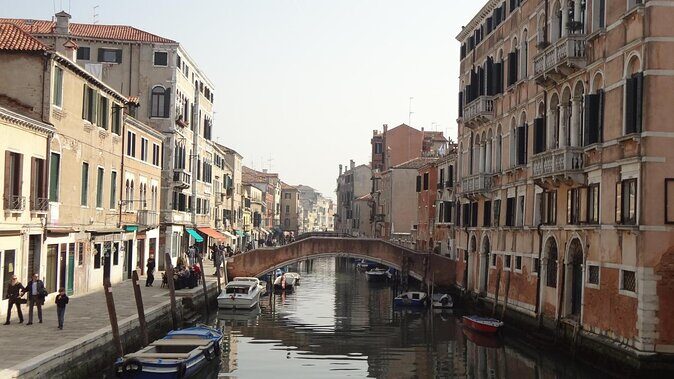
- Peacful Cannaregio-style canals that help you avoid the densest sidewalk crowds
- Boat-history intro first, so your rowing makes sense in context
- 90-minute, hands-on pacing that feels active but not punishing
- Options if weather is bad, since the activity requires good conditions
Why Rowing Venice Canals Feels More Local Than Gondola Lines
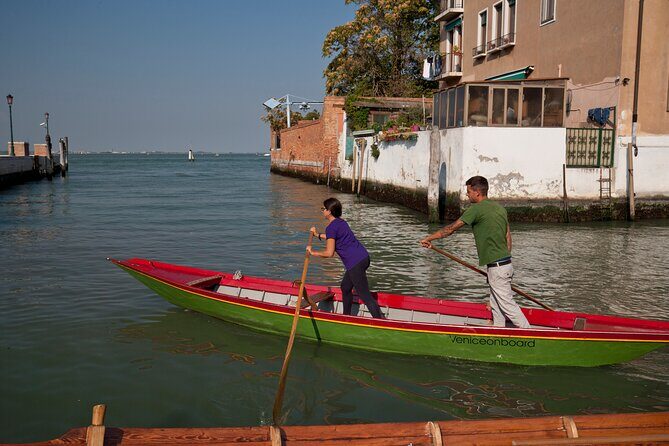
If you want Venice to feel like a living place, not a waiting room, this is a smart pick. You trade the usual grand promenade energy for narrow waterways where local buildings, footpaths, and boat traffic form the real rhythm of the city. Instead of walking past the same canal views again and again, you get a moving vantage point—quiet, close, and surprisingly peaceful.
The biggest value is that you’re not just being transported. You’re learning how to steer, how to coordinate your effort, and how rowing fits into Venetian boat culture. That hands-on angle also explains why many people come expecting a quick novelty and leave talking about technique and tradition.
And yes, you’ll still get classic Venice scenery: bridges, canal corners, and that layered architecture that looks best when you’re moving slowly. But the feel is different. You’re on a route that emphasizes calm stretches rather than the most crowded showpiece areas.
You can also read our reviews of more tours and experiences in Venice.

What You Learn: Traditional Boat History and Rowing Technique
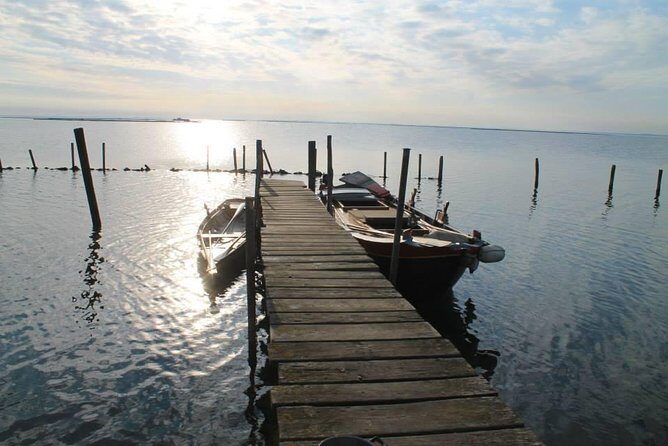
The experience starts with a short introduction that sets the stage. You’ll hear about traditional Venetian boats and the recovery work tied to keeping these crafts alive. That matters because rowing isn’t just muscle. It’s a set of movements developed for local water conditions, boat shape, and how Venetians travel by canal.
Then you shift from talk to practice. Expect real instruction on handling the oar and finding a rhythm that works for the boat. In reviews, guides often break things down clearly enough that people say they pick up the technique faster than they expected. One recurring theme: people discover that it looks simple from the dock, but rowing takes coordination—especially when you’re also learning how to navigate around other boats and structures.
You may also get details about gondolier tools and methods. One review specifically notes an explanation of the forcola, which is part of how gondoliers manage the boat. Even if you’re not taking a long ride like a gondola customer, that kind of context makes what you’re doing feel authentic, not generic.
Your 90 Minutes on the Water: Stops That Shape the Route
This is a guided route that moves from one named canal-area stop to the next, building from first orientation into freer rowing. The overall focus is discovering Venice by water in a way that feels calm. The course is designed for the kind of pace where you can actually learn without feeling rushed.
Here’s how the experience flows through the key stops:
Chiesa della Madonna dell’Orto
You start around Chiesa della Madonna dell’Orto, which gives you a clear “anchor” point before the quieter water stretches. Starting near a landmark like this helps you orient quickly—especially useful in Venice, where streets can twist and repeat. From the water, you also get a sense of scale: buildings feel taller and closer, and you notice canal edges the way locals do.
A practical takeaway: if you’re the type who gets overwhelmed by Venice navigation, starting with a recognizable point can keep the experience from feeling like a maze.
Ghetto Ebraico
Next comes Ghetto Ebraico, the area tied to Venice’s historic Jewish Ghetto. From a canal row, this stop lands differently than reading about it on a plaque. You’re seeing how dense the city is and how water interweaves with the neighborhood fabric.
Even when you’re focused on rowing, this is the part of the route that can make the city’s history feel spatial—like you can picture how people moved and lived here long before modern transport changed the waterways.



Fondamenta Dei Ormesini
Then you head toward Fondamenta Dei Ormesini, a waterfront area that feels more residential than showy. This is where the “quiet Venice” promise tends to show up best. The canal-side view often feels more like everyday life—less performance, more function.
For many people, this is the emotional highlight: the moment when Venice stops being a crowd and becomes a calm neighborhood.
Campo dei Mori
After that, you’ll pass through Campo dei Mori. From the water, squares like this make sense in a new way: you see the edges of buildings and how the canal meets the street-level world. It’s a perspective you don’t get when you’re stuck on a sidewalk.
If you’re traveling with kids or teens, this kind of stop is usually a good “breather” visual moment. You’re still rowing, but you can point out places and landmarks without turning it into a long lecture.
Casa del Tintoretto
Finally, Casa del Tintoretto adds an arts-and-culture connection at canal level. The name alone signals why it fits: you’re linking rowing and water travel to the real geography of Venice, including areas connected to major artists.
This stop helps close the loop of what the intro started: Venetian boats and local movement aren’t separate from the city’s creative identity. They’re part of the same street-and-water system.
Group Size, Pace, and the Real Level of Effort
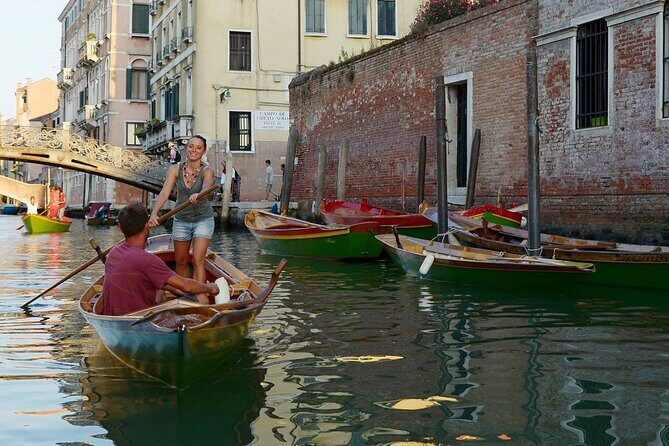
The group cap is 6 travelers, which is a big deal for value. Smaller groups typically mean faster feedback and more time for each person to practice turns at the oar. It also keeps the vibe calmer. You’re learning in motion, not waiting for an instructor to finish with another boat.
Most people can participate, and the activity is described as hands-on but not strenuous. Reviews back that up: people talk about it as a peaceful afternoon where time passes quickly. If you’re traveling as a family, that matters. You want an activity where kids can participate without feeling like it’s a full-on workout class.
One more point: Venice heat and sun can be real in the afternoons. Since the experience is on the water, conditions can feel better than a crowded walking tour—but it also means you should plan around the time of day you book.
Price and Value: Is $95.54 Good for Venice?
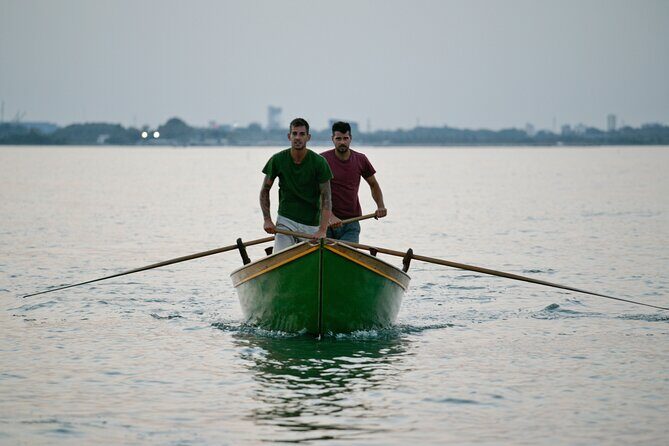
At $95.54 per person, you’re paying for three things at once: instruction, a guided route, and access to a smaller, quieter experience that most visitors miss. When you compare it to the cost of gondola rides, this usually feels like better value because you’re not only paying for a boat. You’re paying for a skill you can actually learn.
The reviews also point to a major value advantage: you get more than a seat-and-snap experience. People describe having instruction, time at the oar, and the chance to take turns rowing. That changes how you remember the trip. You’re not just thinking about scenery; you’re thinking about the movement you practiced.
If you’re trying to choose between a gondola ride and learning to row, this is the more active choice. If you want a quiet, scenic boat ride but still want to feel involved, this sits in a sweet spot.
What to Expect Day-of: From Meeting Point to Back-on-Water Finish
You’ll meet at Cantiere Nautico Navale Casaril S.r.l., 3009/H, C. del Magazzen, 30121 Venezia VE, Italy, and the activity ends back at the same spot. That round-trip setup helps you avoid the usual end-of-tour scramble common in Venice, where you can lose time just getting back to where you started.
The instruction format also tends to make the time feel balanced. You begin with a quick explanation, then you get out on the canals and focus on the physical skill of rowing. That keeps it from becoming either a lecture or a random boat ride.
Also, because the tour is offered in English, you can follow the instruction without guessing. That matters most when learning a new technique—small cues can make a big difference.
Weather, and the €5 Access Fee You Should Know
This experience requires good weather. If it’s canceled due to poor conditions, you’ll be offered another date or a full refund. In practice, that means you should treat the booking as part of your Venice plan, not something you rely on no matter what. If you’re building a tight schedule, leave some flexibility.
There’s also a potential €5 access fee on certain dates for day-trippers staying outside of Venice. The details and exemptions are listed on the city’s access-fee site: https://cda.ve.it. If you’re commuting from Mestre or doing a one-day push, it’s worth checking before you assume your tour price is the full cost.
Should You Book Learn to Row in the Venice Canals?
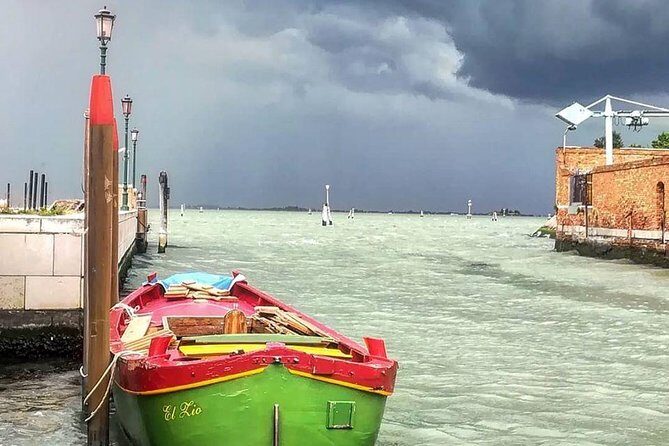
I recommend booking if you want a Venice experience that feels hands-on, calm, and genuinely different from the gondola line. This is a strong choice for families, for couples who want something more memorable than a standard ride, and for anyone who likes boats and local craft traditions.
Book it especially if you care about two themes: quiet canal views and learning a skill. Reviews consistently point to the guides’ passion for preserving rowing culture and the way instructors help you pick up technique quickly—whether you’re brand new or just curious.
Pass on it only if you’re looking for a mostly relaxing sightseeing ride with zero effort. This tour is peaceful, but it’s still about rowing and participating. Also, if your Venice dates are locked and you can’t adjust for weather, you should think twice—because good conditions are required.
If you want Venice in a quieter key, and you’re open to learning something you’ll carry home, this one is worth your slot.
FAQ
How long is the learn-to-row Venice canals experience?
It’s about 1 hour 30 minutes.
How much does it cost?
The price is $95.54 per person.
Is the tour in English?
Yes, it’s offered in English.
Where do I meet for the tour?
You’ll meet at Cantiere Nautico Navale Casaril S.r.l., 3009/H, C. del Magazzen, 30121 Venezia VE, Italy.
What size group is this experience?
The maximum group size is 6 travelers.
Do I need good weather?
Yes. The experience requires good weather, and if it’s canceled due to poor weather, you’ll be offered a different date or a full refund.
Is there a possible access fee for day-trippers?
On certain dates, day-trippers staying outside of Venice may need to pay a €5 access fee. Check details and exemptions at https://cda.ve.it.
What if I have questions about cancellation timing?
You can cancel for a full refund up to 24 hours before the experience starts. If you cancel less than 24 hours before, the amount paid is not refunded.
Is it suitable for most travelers, and can service animals join?
Most travelers can participate, and service animals are allowed.