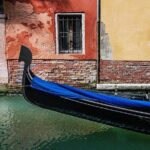
Venice feels bigger when you walk the backstreets. This day trip takes you by train from Padua and then threads you through quieter canalside neighborhoods, Jewish landmarks, and the classic sights around San Marco, with real breaks for espresso and traditional cicchetti.
I especially like two things: the round-trip train transfer is handled for you, so the day doesn’t turn into a transit scavenger hunt. And the route is built around how Venetians actually eat and linger—especially the cicchetti lunch in a historic bacaro tucked among the calli.
One possible drawback: you’ll do a good amount of walking on narrow streets, and the pace can vary in mixed-language groups, since the experience is designed for small numbers rather than one perfectly timed monolingual script.
In This Review
- Key highlights to know before you go
- Padua to Venice by train: the easiest way to start the day
- Cannaregio to the Jewish Ghetto: quieter Venice first, then the classics
- San Polo’s relaxed streets and bacari energy
- Rialto Bridge and the market: where Venice’s money story lives
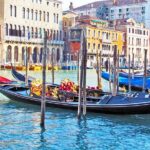
- A special Grand Canal viewpoint: getting beyond the postcard angles
- Cicchetti lunch in an ancient bacaro: eat the Venice way
- Piazza San Marco, the Bridge of Sighs, and what you won’t get inside
- Ferry back to the station: a calmer finish to a long walk
- Price and value: what $150.49 buys you in real terms
- Who should book this Padua-to-Venice experience
- A practical packing checklist
- Should you book Live Venice as a local departing from Padua?
- FAQ
- Where is the meeting point in Padua?
- What time does the tour start?
- How long is the experience?
- Does the price include train transfer from Padua?
- Is the Basilica of San Marco included?
- Are there any entrance fees?
- Is there a Venice access fee on day trips?
- Do I need to cover up to visit churches?
Key highlights to know before you go
- Small group (max 10) means you’re not getting steamrolled by a big crowd shuffle.
- Jewish Ghetto + Cannaregio streets give you a calmer Venice start before the main-sight rush.
- Rialto Bridge (1588–1591, Antonio da Ponte) plus a guided pass through the Rialto Market.
- A special Grand Canal viewing spot designed for a standout photo angle.
- Cicchetti lunch in an ancient bacaro helps you eat like the city, not like a museum.
- San Marco + Bridge of Sighs arrival closes the day in the postcard zone.
Padua to Venice by train: the easiest way to start the day
The best part of this tour is that you don’t have to figure out the logistics first thing in the morning. You start at Stazione FS di Padova (Piazzale della Stazione, 1) at 9:45 am, and you get round-trip transfer by train from Padua to Venice handled as part of the package.
Because the group is capped at 10 people, the whole flow tends to feel controlled: fewer waits, fewer lost phones, fewer awkward stand-and-stare moments in stations. And since the ticket is mobile, you’re not fumbling with paper while you’re scanning platforms.
Practical tip: aim to arrive a little early. Trains are trains, but also, Venice-day nerves are real. Give yourself a cushion so you can find the meeting area calmly and get settled before the walk begins.
You can also read our reviews of more tours and experiences in Venice.

Cannaregio to the Jewish Ghetto: quieter Venice first, then the classics
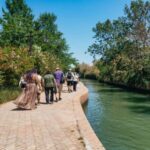
A big reason this works is the order. You begin in the area of the Jewish Ghetto (Ghetto Ebraico) and walk those streets at a human pace—still close to the heart of Venice, but calmer than the lanes around the most famous squares.
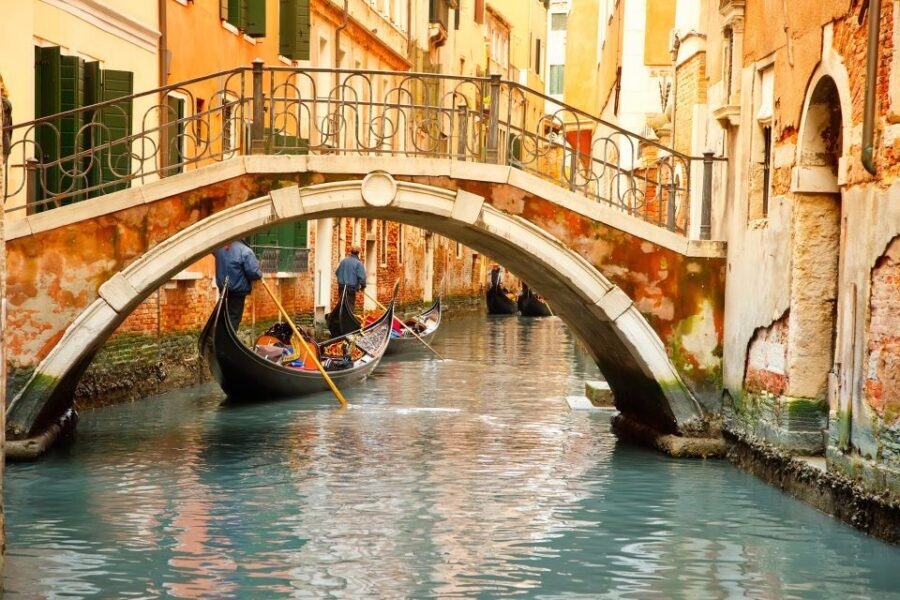
You spend time moving through the Ancient Jewish Ghetto, then continue through Cannaregio, which is where you get the Venice that feels lived-in. You’ll pass Strada Nova, one of the key routes linking Venice Santa Lucia station toward the Rialto area, plus Lista di Spagna. Cannaregio also has that “young people meet here” energy in places, without needing to hunt for it.
Two things I’d tell you to watch for here:
- The shopfront details. The route includes time for antiques shop windows and traditional Jewish shops, which is where Venice often surprises you most.
- The food-and-coffee rhythm. The tour stops you for espresso at a small café that has used the same recipe for almost a century. Even if you’re not a coffee person, this kind of stop is how you learn the city’s tempo.
One more useful note: this portion of the walk is also a good time to gauge your comfort level with Venice streets. Narrow lanes, bridges, and constant turns are part of the deal, and this tour commits to that real walking style.
San Polo’s relaxed streets and bacari energy
From Cannaregio you move toward San Polo, the smallest of Venice’s sestiere divisions, and known for a more relaxed feel on foot. This is a district where you see “houses and shops” working side by side, plus the classic Venetian taverns called bacari.
You’ll spend time around Campo San Polo, the largest square after Piazza San Marco, and an area that’s long been used for public life—events, celebrations, and everyday gatherings. The square sits among stately palaces, so it’s not just a stop sign on your way elsewhere; it gives you a sense of scale.
What I like about the San Polo segment is that it helps you shift from “I’m sightseeing” to “I’m walking through neighborhoods.” That matters because Venice’s major sights can feel like sets if you only hit the biggest names.
Also, San Polo is a good reminder: Venice isn’t only about bridges. It’s about daily work, daily meals, and small storefronts where the city’s character shows up between the big monuments.
Rialto Bridge and the market: where Venice’s money story lives
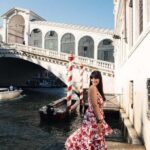
Then comes the main event for your Grand Canal day: the Rialto Bridge. You cross it and also get time for the Rialto Market visit.
A couple of details you can keep in your head while you’re on the bridge:
- It’s the oldest of the four Rialto-area bridges on the Grand Canal.
- The current bridge structure was built between 1588 and 1591.
- The architect credited for the project is Antonio da Ponte.
- It replaced an earlier wooden structure that collapsed twice and burned on several occasions.
On a practical level, the bridge is also a great “orientation” moment. If you’re new to Venice, it gives you a mental map of how the Grand Canal slices the city and why Rialto became the economic center for so long.
At the market, you’ll get a guided walk that helps you not just look, but interpret. Even if you don’t buy anything, the market helps you understand how Venice thinks about food, trade, and daily supply. It’s one of those stops where you can slow down, watch, and actually see the city doing what it’s always done.
A special Grand Canal viewpoint: getting beyond the postcard angles
You’ll also stop at a so-called hidden place where you can appreciate a completely exclusive view of the Grand Canal.
The key word here is view. This tour doesn’t just keep you in the biggest camera zones; it builds in at least one moment that feels like you’ve been let into a better angle of the city. If you care about photos, this kind of stop is worth its time—because the right viewpoint can make the same canal look entirely different.
Use this stop smart:
- Don’t treat it like a quick photo. Take a minute to watch boats pass and notice the way the canal buildings layer.
- If your group moves quickly, step slightly back. Let the view settle in before you move on.
This is also a good buffer for the day’s walking. You get a pause, a payoff, and a mental reset before you hit the biggest crowd magnet in Venice.
Cicchetti lunch in an ancient bacaro: eat the Venice way
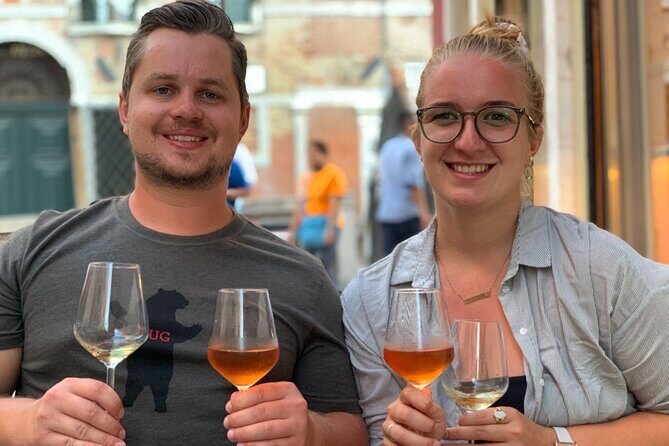
Lunch is built around traditional Venetian cicchetti served in an ancient bacaro, tucked among the narrow and intricate calli.
This is one of the best parts of the tour because cicchetti aren’t just food—they’re culture. They’re the city’s small-plate social habit: order a few things, share, sip, talk, and keep going at your own pace. A guided stop here saves you from the common mistake of picking a spot that’s close to the landmarks but miles away from how Venetians actually eat.
Practical advice so you enjoy the lunch without overthinking:
- Go in hungry enough for multiple small plates.
- If you’re sensitive to walking after meals, pace yourself. Venetians walk everywhere, but you still want your energy for San Marco at the end of the day.
You’ll leave lunch with a better sense of what you’ve been seeing all day: Venice isn’t only architecture. It’s also the way people fuel a long day of wandering.
Piazza San Marco, the Bridge of Sighs, and what you won’t get inside
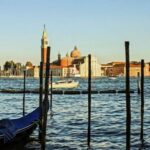
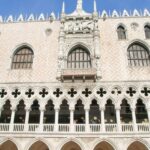
By the time you reach Piazza San Marco, you’re surrounded by the big names. The tour heads you into the area with the Basilica of San Marco, Doge’s Palace, the Correr Museum, the Campanile, and the Clock Tower.
Then you arrive at the Bridge of Sighs.
One important detail: visiting the Basilica of San Marco is not included. That means you’ll get the piazza experience and the Bridge of Sighs arrival as part of the flow, but if you want to step inside the basilica, you’ll need to plan that separately.
Also, Piazza San Marco is the lowest area of Venice and can be the first to flood with high water. You can’t control water levels, but knowing that helps you pack and plan calmly—especially for a long day where weather and water can affect how you move.
If you’re the kind of visitor who likes to spend extra time in one specific place, Piazza San Marco is the obvious choice. If you prefer moving briskly and leaving before the crowds fully max out, this tour’s pacing may feel just right.
Ferry back to the station: a calmer finish to a long walk
After San Marco and the Bridge of Sighs area, you take a ferry boat to reach the rail station. The ferry segment is about 30 minutes, and it’s a smart way to end the day because it breaks up the walking with a water-based ride.
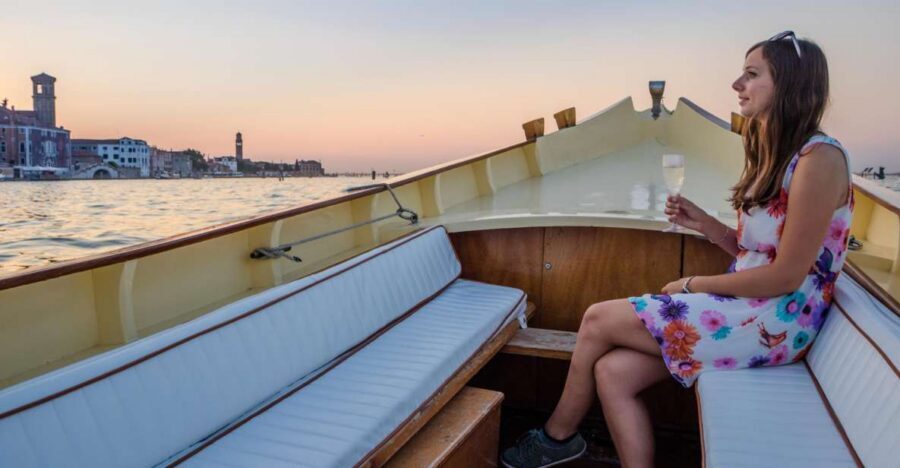
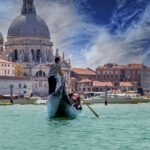
This also gives you a chance to look at the city from a different angle. Venice always looks different from water, and by this point you’re probably already noticing how the canals “organize” everything you’ve seen.
Then the day ends back at the meeting point in Padua, with the tour returning you to Stazione FS di Padova.
Price and value: what $150.49 buys you in real terms
The price is $150.49 per person, and the tour runs about 7 hours 30 minutes. That can sound like a lot until you translate what’s included.
What you’re getting for the money:
- Round-trip train transfer from Padua (not just local navigation once you arrive)
- A tour leader for the walking segments
- Insurance and technical organization via the provider
- A guided sequence that takes you from neighborhood streets to major landmarks without you having to stitch together multiple plans
On top of that, group size is max 10, and you have mobile ticket convenience.
Two cost considerations to keep in mind:
- Entrance fees are generally not required currently, though the tour notes this could change in the future.
- On certain dates, visitors staying outside Venice who are doing a day trip may need to pay a €5 access fee. Check the official guidance here: https://cda.ve.it
If you’re traveling during a day that triggers that €5 fee, don’t let it surprise you. It’s the kind of small extra cost that can turn a good value into an awkward value if you forgot it existed.
Finally, free cancellation is available up to 24 hours in advance of the experience start time, which is handy when weather or water levels are part of your planning.
Who should book this Padua-to-Venice experience
This tour is a strong match if you:
- Want a structured route from Padua with train transfers handled
- Like the idea of starting with Cannaregio + the Jewish Ghetto before hitting the biggest sights
- Enjoy food culture, especially cicchetti in a proper bacaro setting
- Prefer smaller groups rather than a swarm
It may be less ideal if you:
- Don’t enjoy long walking on narrow Venetian streets (moderate physical fitness is expected)
- Need very strict language consistency. One past experience described an English tour that was a mix with German and took longer due to translation needs.
A practical packing checklist
- Comfortable shoes (Venice is real walking, not casual strolling)
- A plan for churches: to visit churches, you need covered shoulders and legs
- Check the Venice access-fee rule for your date if you’re not staying in Venice
Should you book Live Venice as a local departing from Padua?
Yes—if you want a guided day that balances neighborhood Venice with the big icons, and you value having the train logistics taken care of. The combination of quieter streets, meaningful stops (including the ghetto area), Rialto’s trade center energy, and a cicchetti lunch is a smart blend.
I’d book it when:
- You’re doing Venice for the first time and want a route that doesn’t feel random.
- You want to avoid the hassle of piecing together transport, timing, and where to stand for the best views.
I’d think twice if:
- You dislike walking or you’re very sensitive to small pace changes caused by mixed-language group dynamics.
- You’re traveling on a date that triggers the €5 access fee and you’d rather keep costs totally predictable.
FAQ
Where is the meeting point in Padua?
You meet at Stazione FS di Padova, Piazzale della Stazione, 1, 35131 Padova PD, Italy.
What time does the tour start?
The start time is 9:45 am.
How long is the experience?
It lasts about 7 hours 30 minutes.
Does the price include train transfer from Padua?
Yes. The tour includes round trip transfer by train from Padua station.
Is the Basilica of San Marco included?
No. The tour notes that the Basilica of San Marco is not included.
Are there any entrance fees?
The tour says entrance fees are currently not required, though they may be required in the future by local government.
Is there a Venice access fee on day trips?
On certain dates, day visitors staying outside Venice may need to pay a €5 access fee. You can check applicable dates and exemptions at https://cda.ve.it.
Do I need to cover up to visit churches?
Yes. To visit churches, you need covered shoulders and legs.