REVIEW · VENICE
Palladio. A wonderful live tale through time&soul, from Ve/Pd/Vr
Book on Viator →Operated by Palladian Routes · Bookable on Viator
Time travel works better with a guide.
This private day trip stitches together Palladio’s world across Vicenza’s UNESCO sites and key villas tied to his legacy, told as a live tale through time and ideas. You also get the payoff of going beyond facades: you’ll look at ceilings, models, fresco programs, and even the way the streets shape daily life.
Two things I really like about this experience are the on-the-ground storytelling (your director-level guide connects the buildings to history, art, and the people who spread Palladio’s influence) and the simple fact that many important entries are handled for you. One consideration: not every major villa stop is fully included—Villa La Rotonda and Villa Foscari have entry excluded, so you’ll want to be ready for extra ticket planning and seasonal/weekday restrictions.
In This Review
- Key highlights worth planning around
- Why this Palladio tour feels like a live story, not a checklist
- The day’s structure: about 8 hours, private group, private transportation
- Getting from Venice to Vicenza without losing your energy
- Villa Chiericati: the Door of Time moment (no entry)
- Palazzo Valmarana Braga: private reception vibes and UNESCO fresco focus
- Piazza dei Signori and Basilica Palladiana: your Vicenza living room view
- Strada Maior and the Genius Loci feeling: architecture as everyday backdrop
- Palazzo Chiericati Museum: portraits that help you understand Palladio’s people
- Teatro Olimpico: the dream of the first covered theater, with light and sound
- Contrà Porti and the streets where cultures overlap
- Palladio Museum: wooden models that make design click
- Aperitif in the Palladian loggia: a break that still feels meaningful
- Villa La Rotonda (Capra) and Villa Foscari: the big names, but tickets are on you
- Villa La Rotonda (entry excluded)
- Villa Foscari (entry excluded)
- Price and value: what $612.81 buys you in real time
- Who should book this Palladio day trip
- Should you book Palladian Routes’ Palladio experience?
- FAQ
- How long is the Palladio tour?
- Is pickup available from Venice?
- What’s included in the price?
- Is lunch included?
- Do I need separate tickets for Villa La Rotonda and Villa Foscari?
- Does the tour include admission to major Vicenza sights?
- Where does the tour end?
- Are there any fees for entering Venice on day trips?
- Is the tour refundable if I cancel?
Key highlights worth planning around
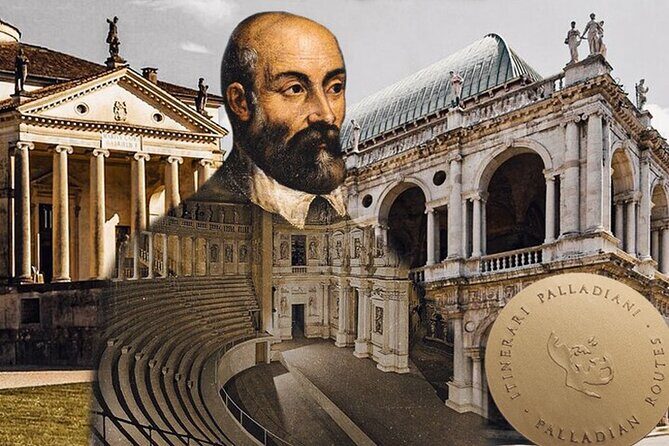
- Director-led narrative: You’re guided by the director of the Network of Owners of Palladio’s Villas, so the story stays tied to real places and real patrons.
- UNESCO focus in one day: Vicenza’s Palladian sites plus museum stops mean you’re not just “passing by.”
- The Olympic Theater show: The Teatro Olimpico visit includes a light and sound experience for that Greek-ideal effect.
- Models at the Palladio Museum: Wooden models help you actually understand how Palladio thought in 3D.
- Aperitif in Palladian style: You end part of the day with a toast in a loggia setting tied to Palladio’s architectural language.
Why this Palladio tour feels like a live story, not a checklist
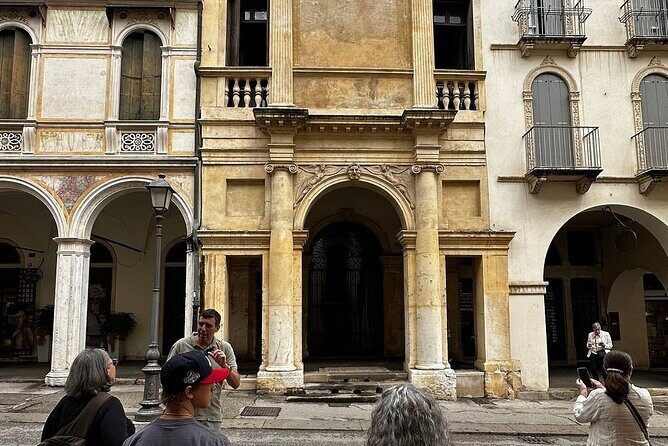
If you like architecture, you can tour buildings and still miss the point. This one is built to explain how Palladio’s ideas traveled—through patronage, design choices, and the way ideas get adopted and adapted.
The “from Venice to Vicenza, and back again” arc matters. Vicenza isn’t a museum town where everything feels frozen in time. It’s a working city with a Palladian backbone, and the tour leans into that contrast: polished palaces and civic monuments sit next to normal streets and shops.
You can also read our reviews of more tours and experiences in Venice.
The day’s structure: about 8 hours, private group, private transportation
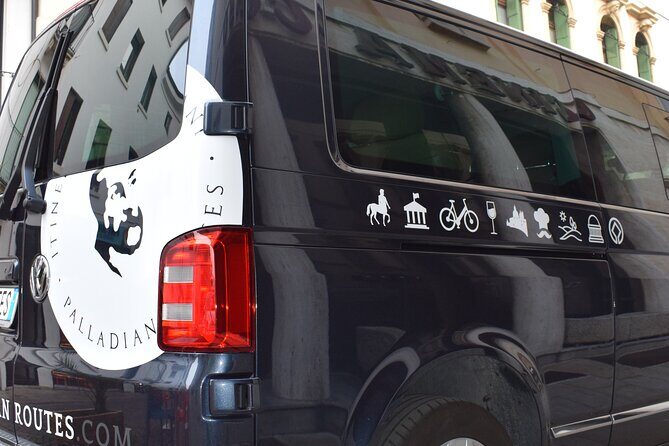
Plan for an around 8-hour outing. You’ll be in private mode, meaning it’s just your group (no big mixed crowd), with private transportation to keep the flow smooth between stops.
Because this is private, the pacing can feel more human. You’re not shoved through rooms at full-speed while someone shouts over you. You can also benefit from the guide’s flexibility—one of the big pluses is the way the director connects the sites so the day feels like one coherent argument rather than ten separate photos.
Getting from Venice to Vicenza without losing your energy
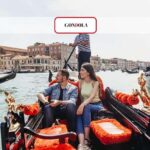
You have a few ways to think about the start. Pickup is possible, and on request the provider can arrange a water taxi transfer from your hotel in Venice for an extra cost (book at least 3 days ahead).
If you’re staying outside Venice, there’s also a real-world detail to plan around: on certain dates you may need to pay a €5 access fee depending on your situation and the day. It’s controlled locally, and the tour data points you to the city page for the exact calendar and exemptions.
Villa Chiericati: the Door of Time moment (no entry)
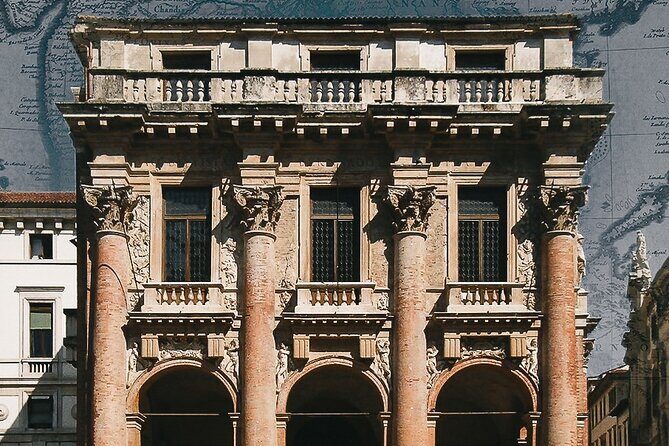
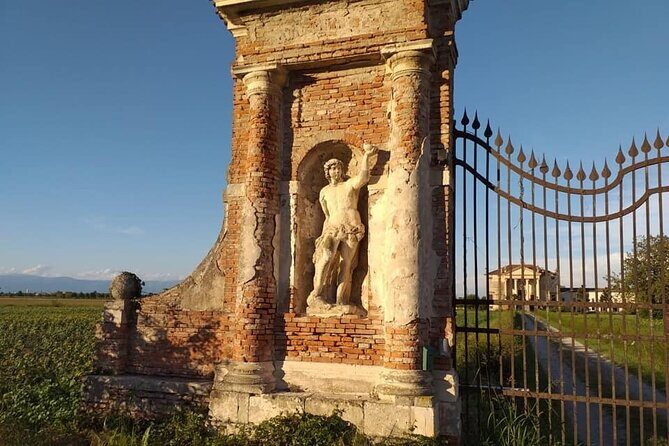
Your first stop is Villa Chiericati for what’s framed as the Door of Time—described as a romantic ruin-like setup. Even without entry, this kind of “arrival” stop can be smart: it sets mood and theme before you start checking UNESCO boxes.
What to expect here is mostly atmosphere and orientation. You’re not touring rooms; you’re getting pulled into the time-and-ideas framing that runs through the whole day. If you’re the type who wants historical context before the architecture gets technical, this opening works.
Potential drawback: since there’s no entry, you’ll want to treat this as a warm-up stop rather than a major sightseeing payoff.
Palazzo Valmarana Braga: private reception vibes and UNESCO fresco focus
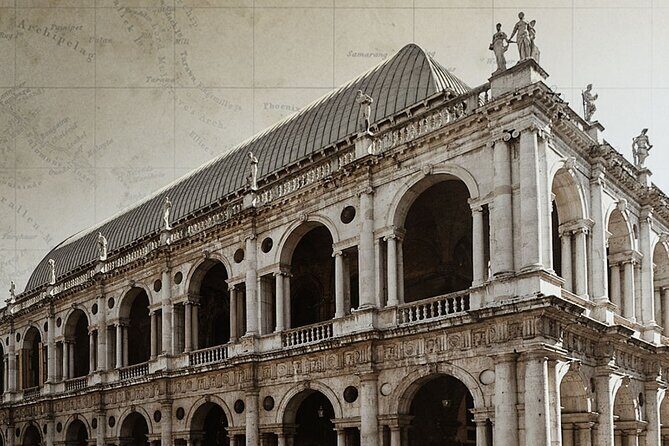
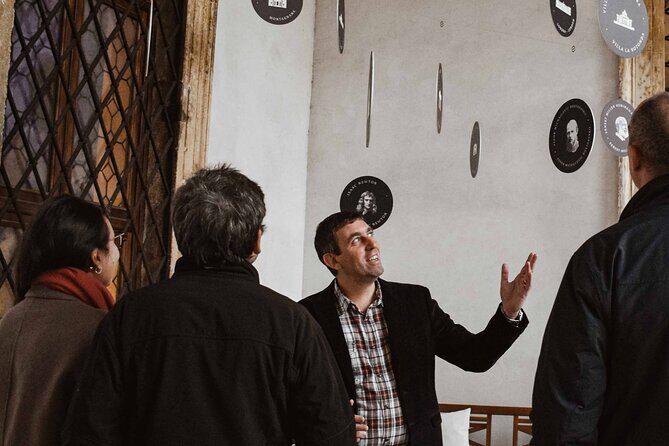
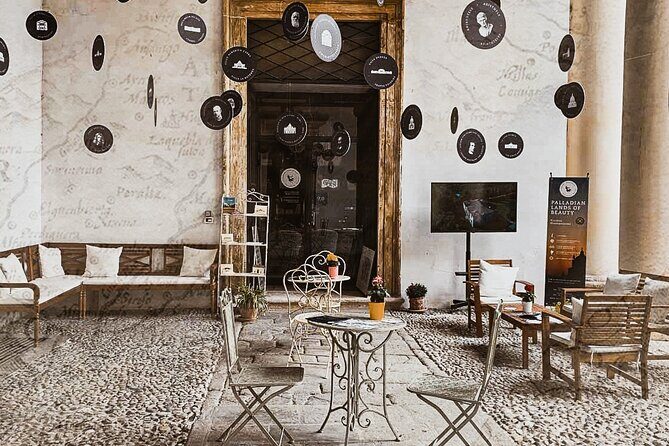
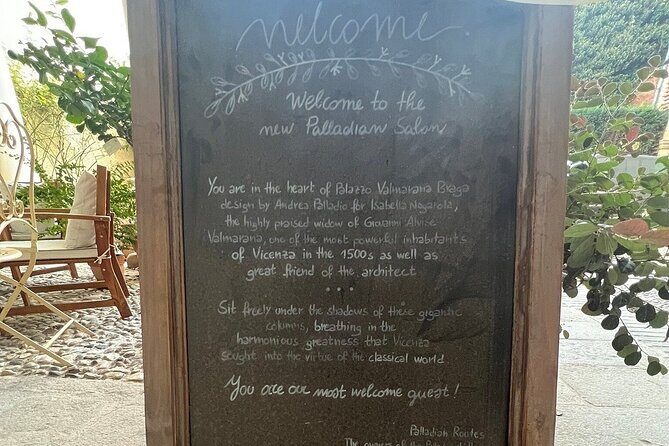
Next comes Palazzo Valmarana Braga, set up as a welcome/private reception in one of the city’s standout palaces. This stop includes admission, and it’s where the tour shifts from “story mood” to “specific art and specific spaces.”
Look for three things here:
- The impressive facade of a Palladian palace.
- The precious Renaissance fresco ceiling in the Count’s study (with a cosmology theme).
- The idea of Palladian influence spreading through the fabric of the world—this is where your director guide’s connections start feeling very concrete.
Because it includes entry, you’ll get more than exterior photos. You’ll likely have enough time to actually see details rather than rush through like a transit stop.
Piazza dei Signori and Basilica Palladiana: your Vicenza living room view
After the palaces, you shift into the city’s social heart: Piazza dei Signori. This is positioned as Vicenza’s “living room,” and it’s a good place to pause. The architecture here helps you understand why Palladio mattered: the buildings weren’t isolated—they shaped civic identity.
From there, the Basilica Palladiana is a key anchor. You’ll enter (entry included) and go up to terraces for a view back toward Piazza dei Signori, then go down into the arcades where you’ll encounter the Jewelry Museum and its goldsmith tradition.
This stop is one of the most practical “learning loops” on the day. The terraces teach how the squares connect; the arcades teach how craft and display worked in daily life.
Strada Maior and the Genius Loci feeling: architecture as everyday backdrop
Then you walk and read the city a little differently—Strada Maior, named in honor of Andrea Palladio. This isn’t just a pretty street. It links main Palladian works and it functions like a backdrop to normal life, with historic shops and buildings that still frame daily routines.
The tour description points to something useful: a Genius Loci (the spirit of place) you can notice even now. That’s not mystical fluff. It’s what you’ll feel when you see the architecture shaping how people move, pause, and shop.
A nice bonus here is the contrast moment: loggia views where Vicenza and Venice share a kind of scene. It’s the day’s “sense-making” section—less museum, more geography of ideas.
Palazzo Chiericati Museum: portraits that help you understand Palladio’s people
Palazzo Chiericati (UNESCO) is both a dramatic facade and a meaningful museum stop. It’s also described as a river landing place from Venice, which gives you another thread connecting the start of the day to what you’re seeing in Vicenza.
Inside, you focus on Venetian works (with artists including Tintoretto, Veronese, and Sansovino). Then you zoom in on large portraits on the main floor—specifically men who helped create the architect in one way or another.
This is one of the smartest parts of the program for readers who think architecture is just about architects. Palladio’s output depended on patrons, taste, and networks. The museum pieces make that human side harder to ignore.
Teatro Olimpico: the dream of the first covered theater, with light and sound
The Teatro Olimpico visit is set up as a must-see, and there’s a reason: it’s unique and it includes a light and sound show. You’ll discover the first covered theater in history and the ancient Greek ideal that Palladio and his circle were pursuing.
If you’re the kind of traveler who likes “stagecraft,” this stop gives you more than standing in a room. The atmosphere matters, and the included show is there to help you feel how the theater was intended to function.
Time is also sensible here: about 35 minutes. That’s enough to get the impact without dragging the day out too long.
Contrà Porti and the streets where cultures overlap
Contrà Porti is framed as a street that links layers of history and different cultures. One of the tour’s themes is that Vicenza sits at multiple crossroads—Renaissance energy on one side and Reformation influence on another.
Even if you’re mostly a “buildings guy,” this stop helps you understand why Palladian design spread. It wasn’t just style. It was a way of organizing thought—then translating it into stone, wood, and patronage.
Entry here is free, so it’s a lower-cost time investment that still adds context.
Palladio Museum: wooden models that make design click
The Palladio Museum is where the day starts turning technical—in a good way. You’ll get an entry-included visit that focuses on Palladio’s villas through wooden models, helping you understand the shape of his thinking.
This is the moment I’d recommend paying attention hardest if you’re even slightly interested in how architects plan. Models let you see relationships that are hard to get from photos. You can step back and realize: Palladio wasn’t only decorating. He was building systems of proportions, spatial logic, and repeatable ideas.
One more plus: the tour notes the museum can be opened for you even outside standard hours. That matters because it reduces dead time and keeps the day feeling efficient.
Aperitif in the Palladian loggia: a break that still feels meaningful
You end a strong stretch with a private aperitif in the Palladians’ loggia. It’s described as a toast with friends among quotes of the ancients and giant columns tied to virtues.
Think of this as a reset. After museum rooms and terraces, a seated drink gives your brain time to sort what you’ve just learned. The tour includes alcoholic beverages, so if you want a non-alcoholic option, you might ask in advance (the data only says alcoholic beverages are included).
Villa La Rotonda (Capra) and Villa Foscari: the big names, but tickets are on you
Now we hit the two villa stops that make Palladio feel iconic.
Villa La Rotonda (entry excluded)
Villa La Rotonda is described as the temple of man—his most famous and singular work. The tour can reach it by Palladian E-Bike (comfortable ride option), and you may enter only under specific scheduling rules (including a date window and Monday closures, plus noted exclusivity Tuesday–Thursday).
Here’s the key practical point: entry is not included. You’ll need to plan for separate ticketing. The tour also notes the villa is normally closed to the public on certain days and has seasonal restrictions, so your exact date matters.
One nice reality check from the experience format: because the guide is connected with villa owners, access and timing can sometimes be more flexible than you’d expect. In at least one case, visitors benefited from a more expanded experience at La Rotonda beyond what’s typically offered. Still, treat that as a bonus, not a guarantee.
Villa Foscari (entry excluded)
Villa Foscari is framed as the direction toward history, and it includes a stop in front of the villa emphasizing the pronaos concept and how the villa becomes a princely country palace above the Brenta canal.
Entry is excluded here too, but there is a helpful note: possible entry on the villa’s opening days can be arranged for an extra cost, and it can reduce the program in Vicenza if you choose it.
Price and value: what $612.81 buys you in real time
At $612.81 per person for an ~8-hour private outing, this isn’t a budget stroll. It’s priced like a curated, admissions-included architecture day with private transportation and a director-level guide.
Where the value shows:
- Private transportation: fewer bottlenecks, less commuting stress.
- Many entries included: palaces, basilica, museum, theater, and the Palladio Museum.
- Storytelling by a director-level guide connected to villa owners.
- E-bike option to reach La Rotonda when appropriate.
- Aperitif included, plus a little final Palladian gift.
Where you need to watch value:
- You’ll still likely spend extra on Villa La Rotonda and Villa Foscari entry, since those are excluded.
- Lunch is not included, so decide ahead how you’ll handle food timing during the day.
If you hate paying for “yet another ticket” during a tight schedule, you’ll probably still find it worthwhile because most major Vicenza stops are covered. If your priority is only one villa (for example, just La Rotonda), you might compare costs with a smaller-scope visit and add transport yourself.
Who should book this Palladio day trip
This one fits best if you:
- Care about architecture with meaning, not only postcard views.
- Want a private group day where the pace stays calm enough to actually look.
- Like a guided narrative that connects buildings to the people and ideas behind them.
- Appreciate indoor stops like museum collections and a theater show, not only outdoor streets.
It’s also a strong choice if you’re traveling with someone who likes art and history, because the day alternates between civic space, palaces, and objects like frescoes and models.
If you prefer self-guided touring, you can still build a Palladio route. But you’ll lose the “why this, then that” logic that makes the day feel coherent.
Should you book Palladian Routes’ Palladio experience?
Yes—if you want a guided, private day that treats Palladio as a living idea across Vicenza and beyond. The biggest reasons to book are the director-led storytelling, the concentration of key UNESCO sites, and the included theater show plus admissions that reduce wasted time.
Skip or reconsider if you:
- Are only interested in one villa and don’t want additional ticket planning.
- Need lunch included in the package and don’t want to think about timing.
- Are traveling on dates where Venice access fees apply and you want everything fully “transparent” up front.
Finally, because the tour is non-refundable and can’t be changed, treat the date as firm before you commit.
FAQ
How long is the Palladio tour?
It’s listed at about 8 hours.
Is pickup available from Venice?
Pickup is possible. The provider can also arrange a water taxi transfer from your hotel in Venice for an extra cost if requested at least 3 days before.
What’s included in the price?
The tour includes private transportation, entrance fees to the places mentioned as included, an itinerant tale by the director of the Network of Owners of Palladio’s Villas, an E-bike option for the ride to Villa La Rotonda (possible free use), an aperitif with alcoholic beverages, and a little final Palladian gift.
Is lunch included?
No. Lunch is not included.
Do I need separate tickets for Villa La Rotonda and Villa Foscari?
Yes. Villa La Rotonda entry is excluded, and Villa Foscari entry is also excluded. The tour mentions possible entry for Villa Foscari on opening days for an extra cost, depending on your choice.
Does the tour include admission to major Vicenza sights?
Yes. The program specifies admission included for stops like Palazzo Valmarana Braga, Basilica Palladiana, Teatro Olimpico, Palazzo Chiericati (civic museum), and the Palladio Museum.
Where does the tour end?
It ends in a different location than where it starts.
Are there any fees for entering Venice on day trips?
On certain dates, travelers staying outside Venice may need to pay a €5 access fee. The tour data points to the city page for details and exemptions.
Is the tour refundable if I cancel?
No. It’s non-refundable and cannot be changed for any reason.
If you tell me your travel dates and whether you’re staying in Venice (or just visiting for the day), I can help you sanity-check the Villa La Rotonda and the Venice access-fee risk points before you book.