REVIEW · VENICE
Prisons’ Palace: Maleficia, Inquistion torture tools
Book on GetYourGuide →Operated by CITY TOURS CO LTD · Bookable on GetYourGuide
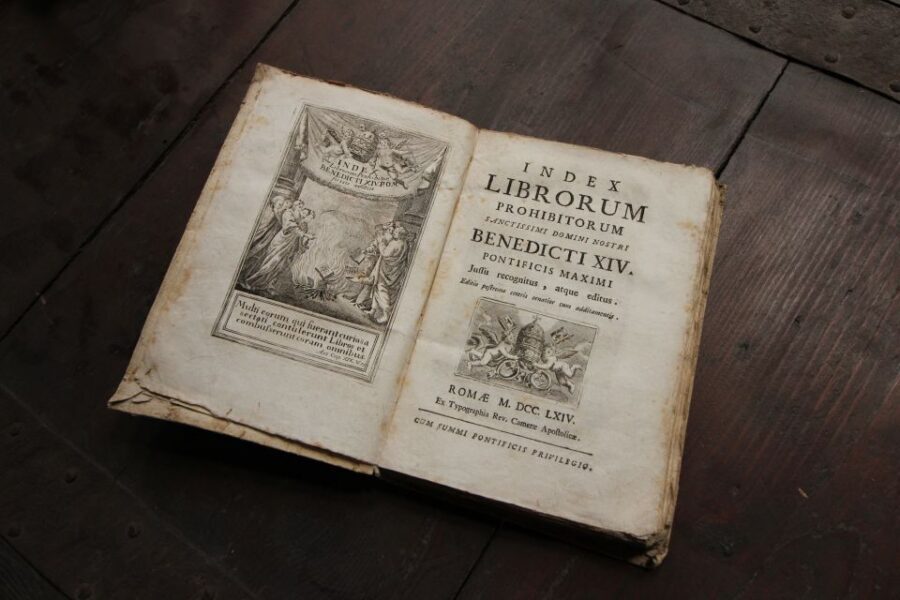
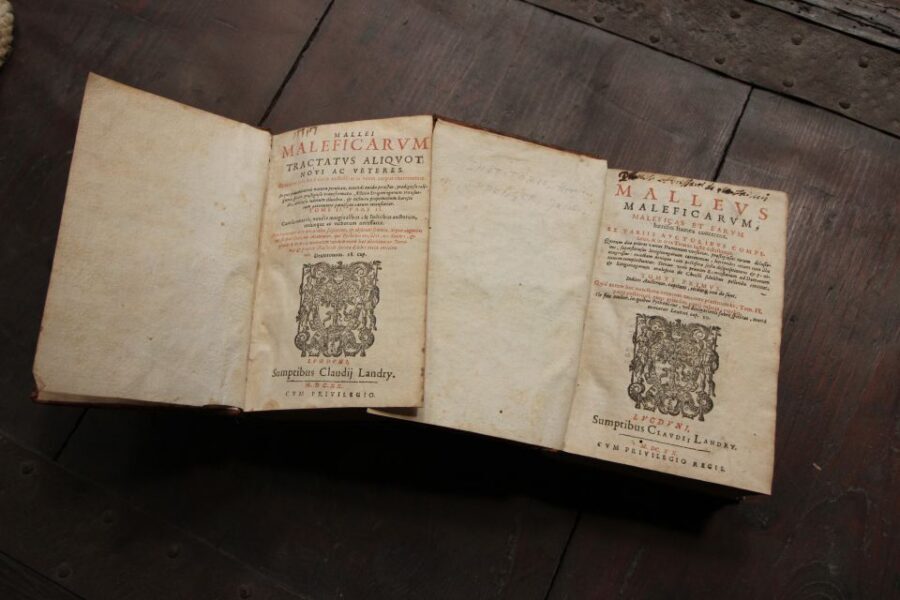
Witchcraft fear lived in stone here. The Prisons’ Palace houses the Maleficia Exhibition, built around reproductions and documents tied to the Holy Office’s witchcraft persecution in the 15th–18th centuries. What makes it interesting is the way it turns court records and “instruments of justice” into something you can actually see, including items linked to the Maleficia book.
I especially like the clear focus on the Inquisition tools of punishment (garrote and a pillory are called out), not just vague spooky stories. One possible drawback: this visit is not recommended for people with limited mobility, so if you have walking or transfer challenges, plan carefully.
In This Review
- Key highlights worth knowing before you go
- Prisons’ Palace: why this location changes the whole experience
- Your 60-minute plan: what happens during the visit
- The Maleficia Exhibition: documents and reproductions that tell the story
- Inquisition torture instruments: what you’ll actually see
- Holy Office justice and the witchcraft persecution angle
- The women’s cell and the Casanova thread
- Audio guide value: how to use it for better understanding
- Price and value: is $11 for Maleficia a smart buy?
- Getting there near San Marco without mixing up the palaces
- Who this tour suits best (and who should think twice)
- Book it or skip it: my straight answer
- FAQ
- Where is the Prison Palace meeting point?
- How do I get to the Prisons’ Palace from Doge’s Palace?
- How long is the visit?
- What does the ticket include?
- Is the audio guide available in English?
- Does the entry include a skip-the-line benefit?
- What are the opening hours?
- Is this visit suitable for people with limited mobility?
- What can I see in the Maleficia Exhibition?
Key highlights worth knowing before you go
- Prisons’ Palace setting: the exhibition sits in a famous detention building beside San Marco and Doge’s Palace.
- Maleficia Museum ticket + audio guide: you get a self-paced visit with commentary in English, French, Italian, and Spanish.
- Showpieces of punishment: the display calls out a garrote, head crusher, and an authentic whipping post.
- Holy Office documents: you’ll see ancient papers used in the witchcraft persecution story.
- A cell for women accused of witchcraft: the exhibition includes a space specifically set for women.
- Casanova connection: the material mentions Giacomo Casanova being accused of magic and occult activity.
Prisons’ Palace: why this location changes the whole experience
This ticket isn’t just for a museum room. You’re walking inside the Prisons’ Palace, a place that’s physically tied to justice, detention, and punishment. Being this close to San Marco Square and Doge’s Palace matters because the whole area feels like the legal and political center of Venice—so the exhibition doesn’t float in space. It hangs from a real building’s purpose.
The Maleficia concept is built on contrast: official records and “judgment” on one side, human suffering on the other. Even if you already know the broad outline of witchcraft persecution, the setting makes the subject feel less like folklore and more like documented power. It’s also a nice fit for a short visit because the palace layout lets you move through the exhibition with your own pace, without needing a half-day commitment.
You can also read our reviews of more tours and experiences in Venice.


Your 60-minute plan: what happens during the visit
The experience is scheduled for about 1 hour, which is a good length for a dark-history exhibition. You’re not trying to crowd in a city tour. You’re here for one focused theme, with enough time to read key objects and let the audio guide connect the dots.
Once you’re inside, expect the exhibition to work through a sequence of:
- suggestive testimonies, documents, and objects
- reproductions plus select original-style archival items (described as ancient documents used by the Holy Office)
- punishment devices presented as instruments of justice used against people accused of magic or evil spells
Because it’s self-guided with an audio commentary, you can slow down on what grabs you and skip ahead if you’re short on time. If you’re someone who likes to understand the “why” behind objects, the audio guide is the best way to keep your footing. If you’re more sensitive to graphic themes, treat the tools as educational displays and give yourself permission to pause.
The Maleficia Exhibition: documents and reproductions that tell the story
The Maleficia Exhibition is described as a journey through “mysteries, secrets, legends and historical facts” tied to the Republic period. The key idea for you is that it doesn’t just show objects. It ties those objects back to the way the Holy Office framed persecution.
Here’s what the experience explicitly includes:
- ancient documents used by the Holy Office in the persecution of witchcraft
- reproductions and original-style material connected to the Maleficia theme
- the presentation of the Tribunal of the Inquisition and how it condemned people accused of magical arts
One reason I think this museum works for many visitors is that it gives you multiple entry points. If you like history, you can focus on the documents. If you like material culture, you’ll follow along with the tools. If you want a “human scale” view, the exhibition also includes a women’s cell tied to accusations of witchcraft.
Inquisition torture instruments: what you’ll actually see
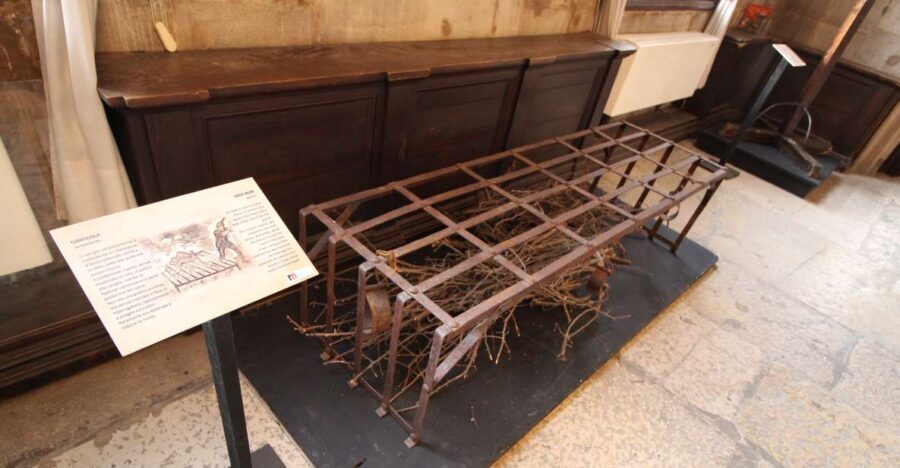
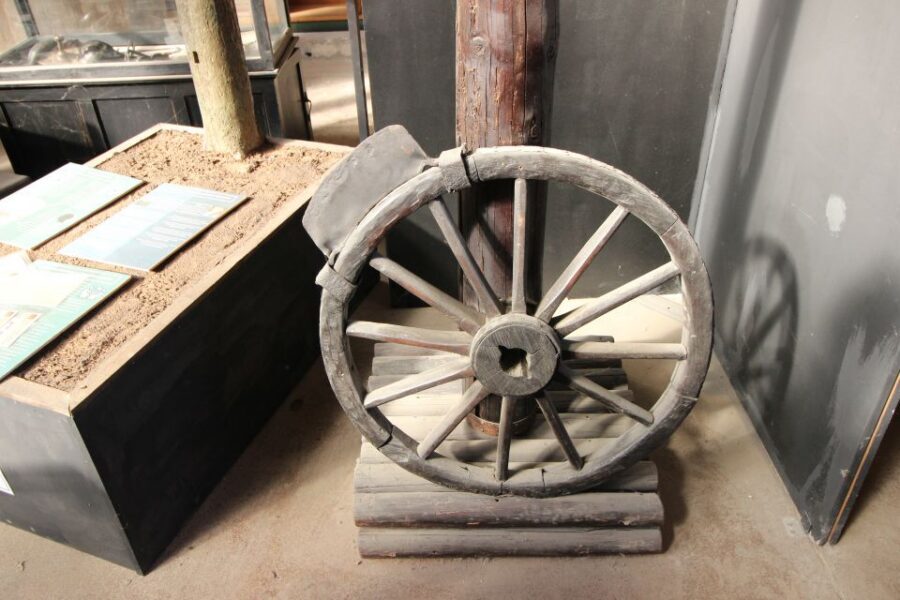
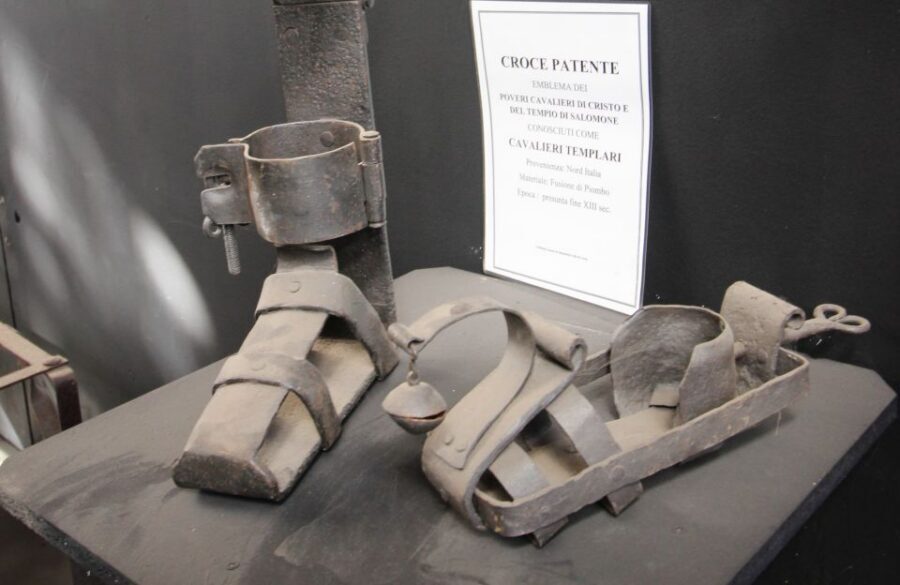
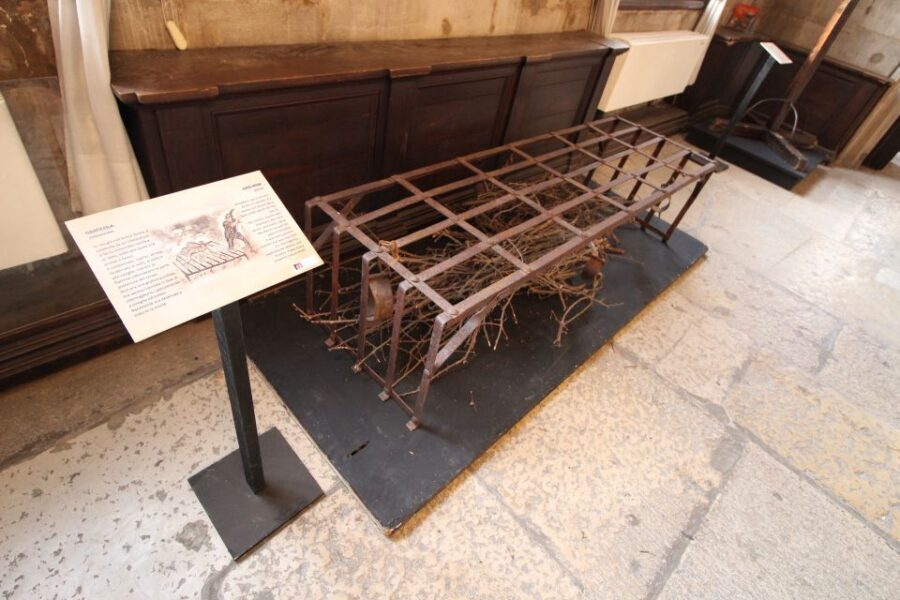
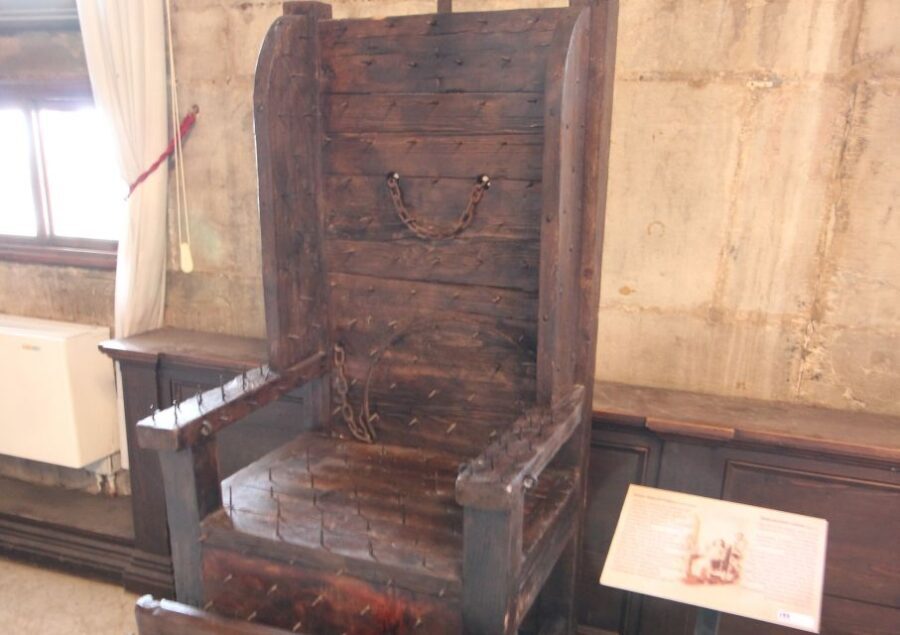
This is the portion you need to mentally prepare for. The exhibition specifically calls out torture-related devices and “instruments of torture” used as part of punishment and public justice.
According to the tour description, you’ll encounter:
- a garrote
- a pillory
- a head crusher
- an authentic whipping post
It’s also framed with the idea that these were prescribed in the original Maleficia book, which adds a layer of structure. You’re not just staring at odd medieval props. The exhibition aims to show the logic of how these devices were represented within the justice system of the time.
Practical tip: if you’re visiting with kids, teens, or anyone who dislikes violent or graphic themes, this is the section to plan for. The exhibition is designed to make you reflect on suffering and condemnation. That means you should expect emotional heaviness, even if the displays themselves are presented as museum objects.
Holy Office justice and the witchcraft persecution angle
The Maleficia story isn’t presented as random darkness. It’s specifically linked to the Holy Office and centuries of witchcraft persecution, with the Tribunal of the Inquisition as the framing authority.
In the exhibition’s own storytelling terms, you’ll connect the dots between:
- documents connected to the Holy Office
- condemnation of women accused of evil spells and magical arts
- the use of “instruments of justice” to counter witchcraft accusations
This is a useful angle if you’re trying to understand how fear turns into procedure. The exhibition’s materials are there to show that accusations weren’t just gossip. They became part of a system, and that system used artifacts, records, and punishment tools as part of enforcing its claims.




The women’s cell and the Casanova thread
Two elements make the Maleficia Exhibition feel more specific than a generic witchcraft display.
First, there’s a cell for women accused of witchcraft. Having a dedicated space matters because it shifts the story from an abstract idea of persecution to the lived reality of confinement tied to accusation.
Second, the exhibition includes a name you might recognize: Giacomo Casanova. The material notes that he was accused of dabbling in magic and the occult. For you, that’s a strong moment because it connects the theme to a famous figure rather than keeping it locked in anonymous suffering.
If you like when museums provide a “human hook” (a name, a place, a themed room), you’ll probably enjoy how these pieces give shape to what could otherwise feel like a list of devices and documents.
Audio guide value: how to use it for better understanding
This experience includes a commentary by audio guide (English, French, Italian, Spanish). Since the tour is only about an hour, the audio guide is not optional if you want the objects to make sense.
My advice: don’t try to speed-run the rooms. Use the audio guide like a set of signposts:
- Pause when a document is shown and let the narration link it to the broader persecution story.
- When you see a device, listen for what the exhibition says it represents and how it was presented as justice.
- If you’re sensitive to the subject, you can lower your pace without turning it into a chore. The audio guide gives you structure even if you skim the visuals.
Also, the tour explicitly includes audio guide access through Easyguide Veneto. That matters because you can line up the experience with your preferred language from the start.
Price and value: is $11 for Maleficia a smart buy?
At $11 per person for a 1-hour visit in the Prisons’ Palace, the value is fairly clear. You’re paying for:
- entry to the Maleficia Museum
- an included audio guide
- a site-based experience in a major historic prison building
What you should consider is the nature of the content. This isn’t a light cultural stop, and it may not feel worth it to you if you’re expecting a general Venice overview. The people who feel it could be better seem to be wishing for more breadth in how Venice tells this story. On the flip side, others say the visit matched expectations.
So think of the ticket as a focused, themed hour. If that’s what you want—documents plus reproduced punishment tools—$11 is a good deal. If you want a longer or more varied program, you may prefer a different format in Venice.
Getting there near San Marco without mixing up the palaces
The meeting point is Prison Palace close to San Marco Square beside Doge’s Palace. The tour gives a very specific navigation tip that will save you time and frustration:
- Do not go to the entrance of Doge’s Palace.
- To get to the Prisons Palace, cross the bridge on the right side of the entrance of Doge’s Palace.
This is exactly the kind of detail that keeps your visit from turning into a “where are we?” walk in the busy San Marco area. Give yourself a few extra minutes so you’re not rushing once you’re near the palaces.
Who this tour suits best (and who should think twice)
This is a strong match if you want:
- a short, focused museum time slot (about 1 hour)
- Venice connected to the justice system era, witchcraft persecution, and Holy Office records
- a “see the objects” experience: garrote, pillory, head crusher, whipping post
- an audio guide you can use in your language
It might not be the best fit if you:
- need step-free or mobility-friendly access (the tour is not recommended for limited mobility)
- want a gentle, family-friendly stop
- are looking for a panoramic, feel-good Venice taste instead of a grim, document-and-device exhibition
Book it or skip it: my straight answer
I’d book this if you’re the type of traveler who likes themed museums where you can pair objects with context. The Prisons’ Palace setting gives the Maleficia Exhibition weight, and the ticket includes an audio guide to tie together documents, reproductions, and the instruments of justice.
I’d skip it if you’re uncomfortable with heavy subject matter or you’re dealing with mobility limitations. Also, if you want a longer experience with more variety than a single hour, consider other Venice options that mix history with lighter stops.
In short: for $11 and an hour, it’s a focused and memorable stop—just go in knowing it’s serious.
FAQ
Where is the Prison Palace meeting point?
The Prison Palace is close to San Marco Square beside Doge’s Palace. You should not enter through the Doge’s Palace entrance.
How do I get to the Prisons’ Palace from Doge’s Palace?
Cross the bridge on the right side of the entrance of Doge’s Palace to reach the Prisons Palace.
How long is the visit?
The duration is 1 hour.
What does the ticket include?
It includes an entrance ticket to the Maleficia Museum and commentary by audio guide.
Is the audio guide available in English?
Yes. The audio guide is available in English, French, Italian, and Spanish.
Does the entry include a skip-the-line benefit?
Yes, skip the ticket line is included.
What are the opening hours?
The opening hours are from 10:00 AM to 5:00 PM.
Is this visit suitable for people with limited mobility?
No. It is not recommended for people with limited mobility and is not suitable for people with mobility impairments.
What can I see in the Maleficia Exhibition?
You can see reproductions, ancient documents used by the Holy Office, and instruments of justice such as a garrote and a pillory, plus items listed like a head crusher and an authentic whipping post, along with a cell for women accused of witchcraft.