Venice’s Biennale hits different at human pace.
This private tour zeroes in on one of the most important contemporary art moments in the world, helping you make sense of the national pavilions at the Giardini and what the 2026 edition is actually trying to say. I like that you start in the right place for orientation, then get guided insight instead of wandering alone through an overload of stalls, signage, and styles. One thing to plan for: it’s an outdoor walk, and if you go in hot weather, you may feel it.
The structure is tight and practical—about 1 hour 45 minutes total—so you can enjoy the art without turning your whole day into a museum marathon. I also like that you’re not stuck in a lecture; you get a professional guide/art historian specialized in contemporary architecture, which adds another layer to what you see in the pavilions. The main consideration is that the entrance ticket (30€) is not included, so you’ll want to factor that extra cost into your real trip budget.
In This Review
- Key things I’d watch for before you go
- Biennale 2026 in Minor Key: why this art event feels worth the effort
- Price and what it really buys you: $72.10 + your entrance ticket
- Where the tour starts at Giardini—and why that matters
- Biennale Architecture 2025 focus: how the guide changes what you notice
- National pavilions at Giardini: seeing 20+ signals without getting overwhelmed
- Arsenale and the bigger Biennale picture: what you learn even if you stay in Giardini
- Your guide matters: what a private contemporary architecture specialist adds
- Hot weather reality check: how to make the most of your 90 minutes
- Who this tour is best for (and who might want a different style)
- Should you book this Private Biennale 2026 tour?
- FAQ
- How long is the private tour?
- Is the tour private?
- What language is the tour in?
- Where does the tour start?
- Are Biennale entrance tickets included in the price?
- When will I receive confirmation after booking?
- Can I get a refund if I cancel?
Key things I’d watch for before you go
- Private, small-group feel: it’s only your group, which means more room to ask questions.
- Giardini is your starting point: you’ll focus on the Biennale area where it’s easiest to orient quickly.
- Architecture lens: the guide is specialized in contemporary architecture, so buildings and layout matter here.
- Biennale scope, simplified: you’ll get context for the bigger event, including competition works across hundreds of artists.
- English tour: good if you want the explanation in your language, not just a brochure.
Biennale 2026 in Minor Key: why this art event feels worth the effort
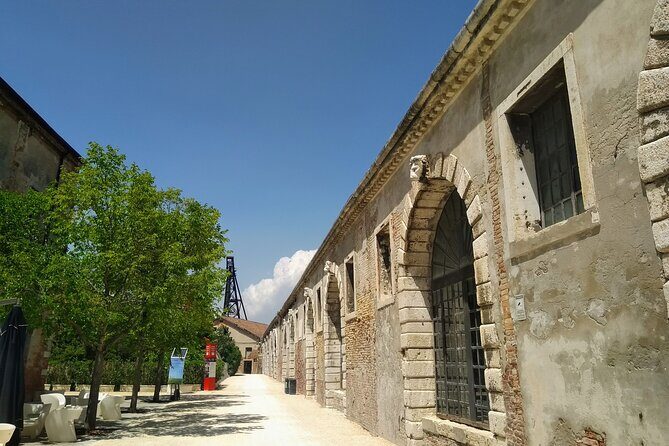
If you’ve ever stood in a crowd outside a Venice museum and thought, OK, where do I even start, you’re exactly who this kind of tour is for. The Biennale is famous, but it’s also big. The best way to enjoy it is to treat it like a curated route through meaning—not just a checklist of buildings.
This specific Biennale experience is aimed at contemporary art lovers who want clarity fast. You’ll connect what you see in the national pavilions to the bigger story of the 2026 edition, including the fact that the event features works by 300 international artists in competition. That number can sound abstract until you have a guide translating what you’re looking at and why it matters.
Also, the tour’s architecture focus makes a difference. In the Biennale spaces, the buildings are not neutral containers. They shape how you read the works. When your guide thinks in terms of contemporary architecture, you tend to notice things like layout, visual pathways, and how the pavilion’s form directs your attention.
You can also read our reviews of more private tours in Venice



Price and what it really buys you: $72.10 + your entrance ticket
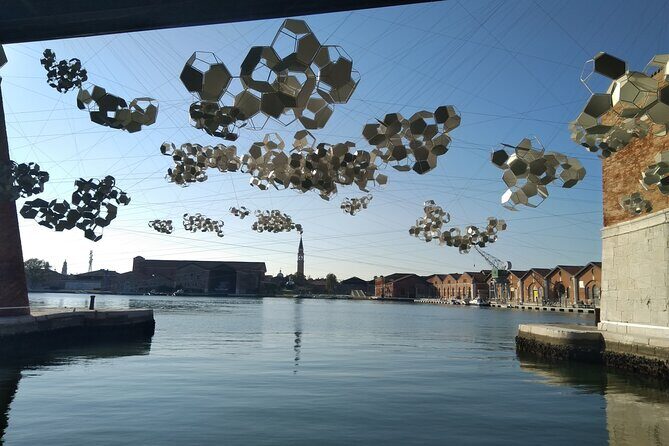
The listed price is $72.10 per person, and that covers the guide service for about 1 hour 45 minutes. The important line is that the entrance ticket is not included—you’ll need to add 30€ (book online or buy at the tickets office on-site).
Is that good value? For Venice, yes—if you care about having someone point you toward the most meaningful details. Without a guide, you can still have a great time, but you’ll likely spend a lot more time figuring out what you’re seeing and how to compare pavilions. With a guide, you trade some freedom for speed, and that trade usually pays off at the Biennale.
Here’s how I’d think about the “all-in cost”:
- You pay $72.10 for the private guide experience.
- You pay 30€ for the Biennale entrance ticket.
If you’re going with a friend, private tours often feel like better value than doing it solo—because the guide can tailor pace and questions to your interests. If you’re the type who wants to slow down for a few works instead of skimming everything, this format usually makes the day feel less chaotic.
Where the tour starts at Giardini—and why that matters
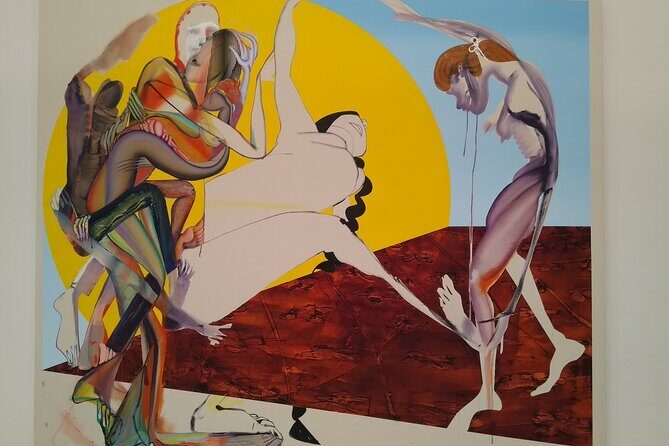
You begin at Giardini della Biennale, Calle Giazzo, 30122 Venezia VE, Italy. The tour ends back at the meeting point, so you’re not dealing with a long scavenger hunt across different areas.
Starting at Giardini matters because it’s one of the easiest places to get your bearings. The Biennale spreads out, with major venues beyond Giardini, but you need a strong first orientation point. Your guide starts there, which helps you understand what you’re walking into—then you’re better able to connect the dots as the Biennale concept expands.
The good news for practical planning: the meeting area is near public transportation, which is a lifesaver in Venice when you want to avoid extra walking just to get to the art.
Biennale Architecture 2025 focus: how the guide changes what you notice
One of the most interesting parts of this tour is the way it frames the Biennale through architecture. You’ll visit the Biennale Architecture 2025 area as part of the Giardini visit, along with the main national pavilions.
What that does for you is simple: it gives you a lens. Instead of treating each pavilion as a standalone room, you start reading it like a designed experience. Even if two countries show very different work, you can compare how each pavilion organizes space and attention.
And since the guide is an art historian specialized in contemporary architecture, you’re not just getting descriptions of artworks. You get the “why this form” layer—the relationship between the building envelope, the visitor path, and the way the work lands in your field of view.
This is especially helpful if you don’t want to be an expert before you arrive. You can walk in curious and still leave feeling like you understand the major threads.
National pavilions at Giardini: seeing 20+ signals without getting overwhelmed
The heart of the tour is the national pavilion area at Giardini della Biennale. This is where you can compare countries, styles, and approaches while still having time to process what you’re seeing.
A Biennale pavilion can feel like a mini world:
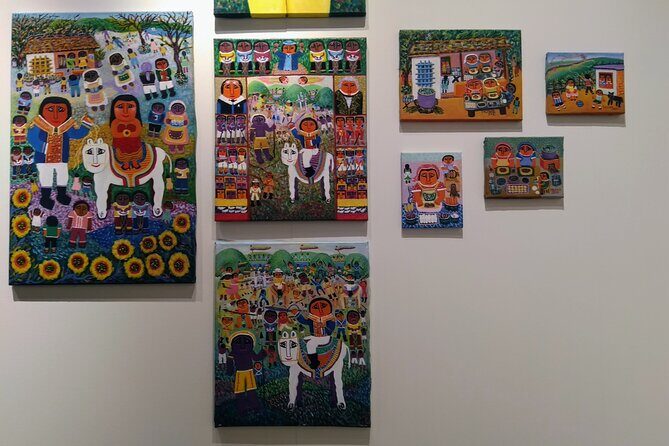
- Some are bold and theatrical.
- Others are quiet and concept-driven.
- Some lean heavily on the way the room is staged.
The value of a guide here is not speed for speed’s sake. It’s meaning-making. In roughly 1 hour 40 minutes at the main stop, you get a guided route that helps you understand what’s most important in the most innovative exhibitions linked to this edition.
If you’ve ever felt lost in a sea of labels, this is the fix. The guide helps you avoid the common pitfall: spending your energy trying to decode every little detail alone. Instead, you focus on the big ideas—and you learn enough to interpret what you missed later on your own.






Arsenale and the bigger Biennale picture: what you learn even if you stay in Giardini
The Biennale isn’t only Giardini. It also includes Arsenale venues, and this experience is designed to help you grasp that bigger spread. Even if your walking route is centered at Giardini, you’ll still get the context needed to understand how the event’s different locations relate to each other.
That matters because the Biennale can feel like separate exhibitions stapled together—unless someone explains the connections. With your guide’s commentary, you’ll be able to see how ideas travel across spaces and why the organizers place certain kinds of work where they do.
This is also helpful for planning your own time after the tour. If you want to go back later on, you’ll know what you’re looking for and how to prioritize.
Your guide matters: what a private contemporary architecture specialist adds
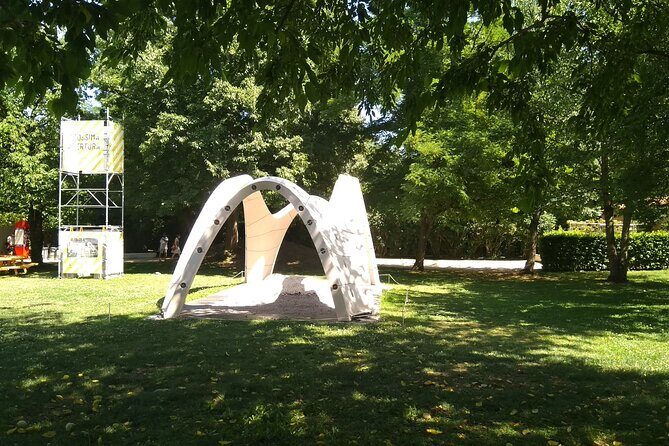
This is a private experience, so the guide isn’t managing a big herd. That changes the quality of the questions you can ask and the pace at which you move.
The tour includes a professional guide/art historian specialized in contemporary architecture. Translation: you’re going to hear thoughtful, interpretive commentary that connects design choices to contemporary art. You’re not limited to what you can read on the wall.
One more useful detail: the feedback associated with this experience includes Fiorella Pagotto (linked with veniceartguide.it), praised for being very strong at guiding people through the Biennale. Even if you don’t get the same guide, the specialized focus is a clear signal: this tour is designed for people who want more than surface-level descriptions.
If you like to ask why a space is arranged a certain way—or why an artwork feels the way it does—private is the way to go.
Hot weather reality check: how to make the most of your 90 minutes
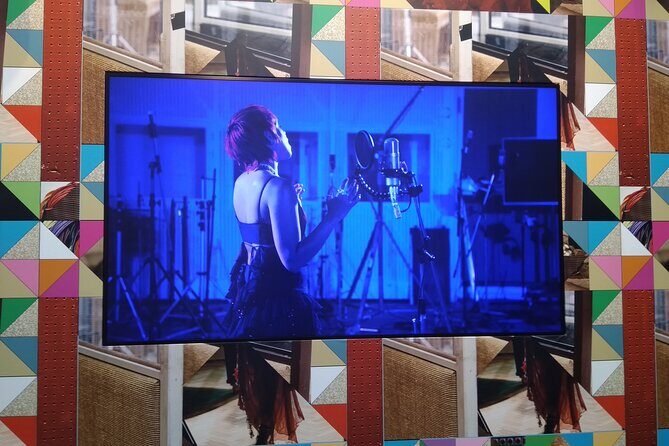
A tour like this is outdoors, and the Biennale grounds can feel intense when temperatures climb. One of the feedback notes specifically calls out that it can be too hot during hot summer conditions, even though the content is interesting.
So be practical:
- Bring water and plan short rest moments between pavilions.
- Wear breathable shoes.
- If you’re sensitive to heat, consider going earlier in the day (you’ll feel it less).
Even a great guided route can feel harder when you’re tired or overheated. Your goal is to preserve your attention for the art, not spend your energy fighting the weather.
Who this tour is best for (and who might want a different style)
This experience fits best if:
- You love contemporary art and want a guided explanation that helps you compare national pavilions.
- You’re interested in the built environment and how architecture shapes viewing.
- You want a private format so you can move at your pace and ask questions.
You might want a different approach if:
- You’re only interested in a quick “photo and walk” version.
- You don’t want to pay for a guide on top of the 30€ entrance ticket.
- You’re expecting a long, multi-venue day across every area. This tour is timed tightly around its main Giardini focus.
Should you book this Private Biennale 2026 tour?
I’d book it if you want the Biennale to feel understandable and worth your time. The mix of private guiding plus an art historian focused on contemporary architecture is a smart way to cut through the chaos. You’ll likely get more value from this format than from wandering the Giardini without help—especially when you’re dealing with a huge event featuring hundreds of competing artists.
Just go in with the right expectations:
- Bring energy for walking.
- Budget the entrance ticket (30€) on top of the tour price.
- If heat is a concern, plan your timing and hydration.
If that sounds like you, this is a very solid way to experience Biennale 2026 without turning your day into a stressful map-reading exercise. With the guide’s help, you can actually look at the art—and understand what you’re looking at.
FAQ
How long is the private tour?
It’s about 1 hour 45 minutes (approx.), with the main visit lasting around 1 hour 40 minutes.
Is the tour private?
Yes. It’s a private tour/activity, so only your group participates.
What language is the tour in?
The tour is offered in English.
Where does the tour start?
The meeting point is Giardini della Biennale, Calle Giazzo, 30122 Venezia VE, Italy.
Are Biennale entrance tickets included in the price?
No. The entrance ticket is 30€ and can be booked online or purchased at the tickets office on-site.
When will I receive confirmation after booking?
Confirmation is received within 48 hours of booking, subject to availability.
Can I get a refund if I cancel?
No. The experience is non-refundable and cannot be changed for any reason.