REVIEW · VENICE
Private Tour of Jewish Ghetto in Venice
Book on Viator →Operated by Free Walk in Venice · Bookable on Viator
Venice has a darker side. On this private walk through the Jewish Ghetto, you trade the usual postcard stops for street-level history, the kind you can actually picture and connect to people. I especially like how the guide, Lucia, brings the story alive with a mix of art history and personal connection, not just dates. And I really liked learning to recognize secret symbols in the neighborhood while you’re still standing right in front of the buildings.
The experience is also hands-on in a practical way: you’re not only walking and listening, you’re getting a short break to enjoy Venetian life with a glass of wine or a slice of cake at a traditional spot. One thing to consider: the tour does not include an in-depth visit to the synagogues, though you can get details to add that part.
In This Review
- Key highlights I’d center in your planning
- Why the Jewish Ghetto tour works better when it’s private
- From Campo San Geremia to the ghetto: how the walk is set up
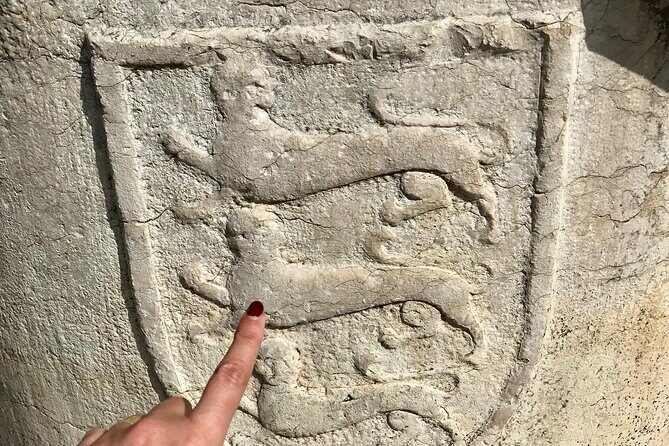
- Learning the meaning of secret symbols in the streets
- Ghetto Vecchio, Nuovo, and Nuovissimo: what changes between quarters
- Holocaust and Venetian Jewish life: how the story stays human
- The bacari stop: wine or cake that fits the neighborhood
- What’s included, what’s not (especially synagogues)
- Price and value: $349.13 per group for up to four
- Logistics that actually matter before you go
- Who this tour suits best (and who may want a different option)
- Should you book this Jewish Ghetto private tour?
- FAQ
- FAQ
- How long is the Private Tour of Jewish Ghetto in Venice?
- What does the tour cost?
- Is this a private tour or shared with other people?
- Is the tour offered in English?
- Does the tour include a synagogue visit?
- Where do we meet and where does the tour end?
- Do I need to bring a paper ticket?
- Is there an access fee in Venice on some dates?
- What happens if the weather is bad or I need to cancel?
Key highlights I’d center in your planning
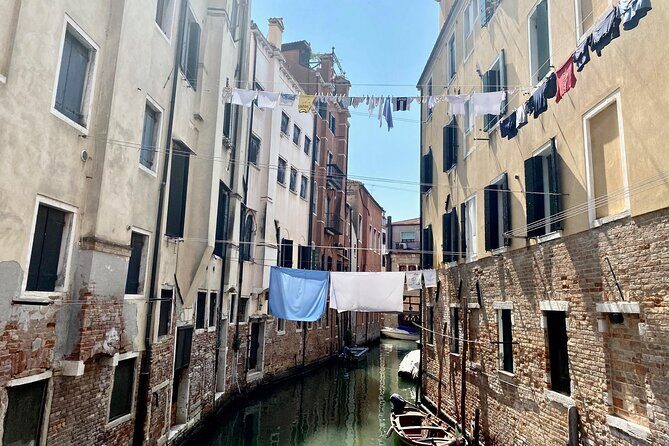
- Lucia as your guide: an art historian with deep grounding in Jewish history of Venice, plus a warm, funny way of answering questions
- Hidden symbols you can spot on the spot: you learn what to look for in the streets and facades around the ghetto area
- Three Jewish quarters in one route: you’ll cover the Ghetto Vecchio, Ghetto Nuovo, and the Ghetto Nuovissimo over about two hours
- Holocaust context where it matters: the guide connects World War II history to the impact on Venetian Jews
- A built-in Venetian food/drink pause: bacari-style stop for wine or cake, so you taste the neighborhood rhythm
- Private, not shared: it’s only your group, up to four people, so you can pace questions without feeling rushed
Why the Jewish Ghetto tour works better when it’s private
Venice’s center is easy to see, but it’s not always easy to understand. A private guide changes the game here because you’re walking through a part of the city with layers, rules, and consequences that never show up on a typical “highlights” route.
What I like most is the tone. Lucia doesn’t treat the area like a museum. She explains how the Venetian Republic shaped Jewish life, then brings you forward through the major tragedies of the 20th century, including the Holocaust and how it affected Venetian Jews. You end up with a sense of place, not just a timeline.
And because it’s private, you can ask the “why” questions that pop up while you’re looking at streets that feel oddly small for such big history. That’s where the tour earns its price.
You can also read our reviews of more private tours in Venice


From Campo San Geremia to the ghetto: how the walk is set up
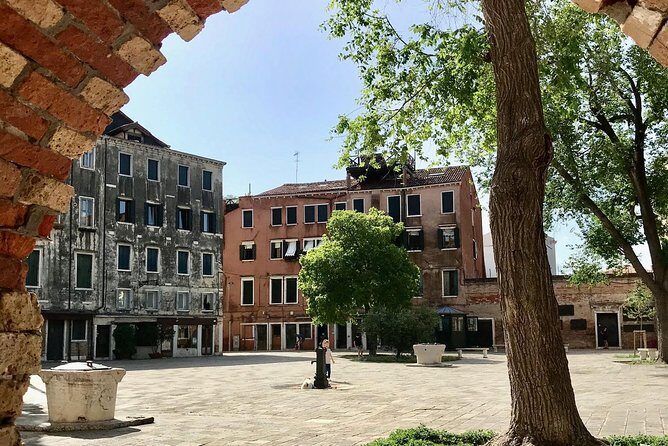
You start at Campo San Geremia (30121 Venezia), a real neighborhood square rather than some scenic corner made for tourists. That matters. Getting going there helps you feel like you’re entering the city’s older texture instead of just drifting into it.
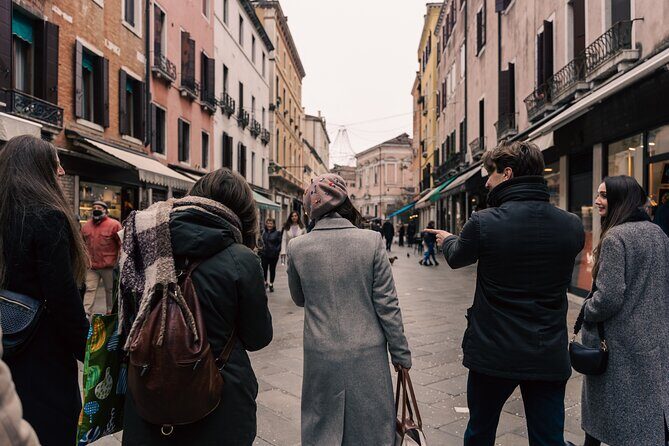
From the start, the pace is designed for learning while walking. You’re led through the origins of the word ghetto, why the Republic forced Jews to live in this area, and what life was like at the time. The guide also points out things you might otherwise miss—especially in smaller streets where the city doesn’t look like it does in a brochure.
You’ll also get panoramic views along the way, plus the kind of practical local tips that make your next meal easier. By the end, you finish outside the Jewish Ghetto area, still in the same district (sestiere de Cannaregio) near Fondamenta dei Ormesini. That ending point is helpful because you’re not trapped right back where you started, and you can keep exploring.
Learning the meaning of secret symbols in the streets
One of the most memorable parts is the focus on recognition—what to look for, where to look, and what it can mean. Instead of only hearing history, you’re trained to notice details in the neighborhood fabric.
Lucia teaches you to spot secret symbols in off-the-beaten-track corners. Even if you arrive with zero background, you’ll leave with a new habit: you’ll see Venice as a place that communicates through small clues, not just big monuments.
This is also where the tour feels especially valuable for first-timers. Venice is visually overwhelming. The guide helps you slow down just enough to read the city.
Possible drawback: if you prefer only major monuments and official landmarks, the symbol-reading part may feel more subtle than you expect. But if you like stories that live in everyday architecture, this is exactly the right angle.
Ghetto Vecchio, Nuovo, and Nuovissimo: what changes between quarters
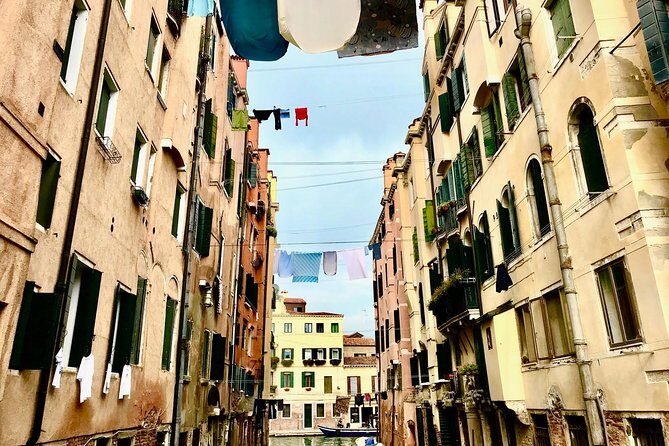
The route is built around covering multiple Jewish quarters of the area in one outing. You’ll spend time in the Ghetto Vecchio, Ghetto Nuovo, and Ghetto Nuovissimo, and the guide uses those names to shape your understanding of how the community and rules evolved.
Here’s the advantage of this structure: each quarter helps you understand a different chapter without making you walk across the whole city. In other words, you get variety without transportation stress.
Instead of just repeating one general story, Lucia uses the streets and their character to show how Jewish life and restrictions played out across time. It also makes the ghetto feel real rather than uniform. One moment you’re hearing about origins and enforced settlement; the next you’re learning what later eras did to Venetian Jews.
Holocaust and Venetian Jewish life: how the story stays human
Venice is famous for art and beauty. That’s part of why this tour lands so strongly. The ghetto area forces you to connect those cultural achievements to people who suffered profound harm.
The tour highlights the history of the Holocaust and its impact on Venetian Jews, framed in a way that connects the past to the streets you’re standing on now. You don’t just get broad facts. You get a sense of how the community was affected and how the consequences shaped lives.
In the practical sense, this is also a well-paced approach. Two hours is long enough to build understanding, but short enough that you won’t feel like you’re trapped in heavy material without a break. The guide’s tone helps too—she’s described as kind and funny, and that balance matters when you’re moving through difficult topics.






The bacari stop: wine or cake that fits the neighborhood
A lot of tours forget the simplest part: you’re in Venice, so eat and drink like you’re there. This one includes a stop for a glass of wine or a slice of cake in a traditional place.
I like this feature for two reasons. First, it gives your brain a reset window between history sections. Second, it turns the “local experience” from something vague into something concrete. You’re not only told how Venetians live—you get a small taste of it.
Lucia also shares the kind of everyday suggestions that are hard to find online: where she likes to eat cicchetti, where she goes to unwind, and what makes the neighborhood feel lived-in rather than staged. That blend of history plus lived routine is exactly what makes the tour feel personal.
What’s included, what’s not (especially synagogues)
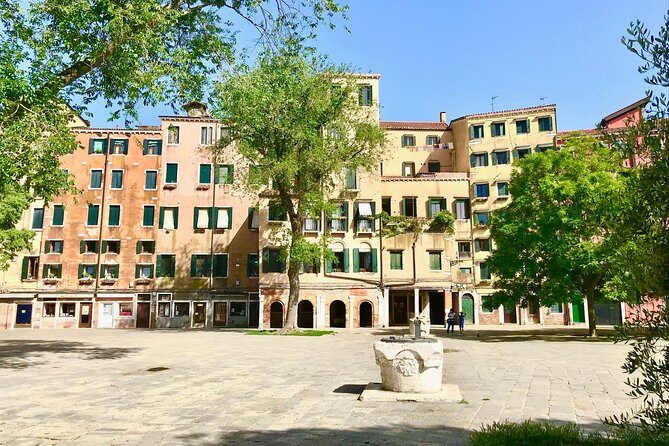
Included is a 2-hour private tour with an official tour guide. You’re offered the tour in English and you’ll get a mobile ticket.
Not included: a visit to the synagogues. That doesn’t mean you can’t add it. The guide can provide details so you can tack synagogue time onto your plan if you want that extra layer.
So how should you decide? If you want architecture and prayer spaces as part of your visit, you’ll likely want to plan an add-on. If you mainly want street-level history, symbol recognition, and the broader ghetto story, you’ll probably find this tour is already a strong fit.
Price and value: $349.13 per group for up to four
Let’s talk money plainly. The price is $349.13 per group, up to four people, for about two hours. That works out best when you treat it as a shared experience, not a solo splurge.
Here’s why it can still feel like good value even if you’re paying a higher per-hour rate than a generic walking tour:
- It’s private, so you get the guide’s full attention.
- The guide brings a specialized focus on Jewish history of Venice, including the Holocaust context and symbol recognition.
- You get a food or drink stop built into the tour, which reduces the “extra planning” you’d otherwise do.
If you’re traveling solo and compare against cheaper group tours, it may feel pricey. But if your group includes two or four people who want a more thoughtful, higher-touch guide experience, this cost starts to look more reasonable.
Also consider what you’re buying: you’re not only paying for movement around Venice. You’re paying for interpretation. In a place like the Jewish Ghetto, good interpretation is the difference between seeing streets and understanding them.
Logistics that actually matter before you go
This is a walking experience in an older neighborhood. It’s offered in English and confirmed at booking. Mobile ticketing is provided, and it’s near public transportation, which helps because getting around Venice isn’t always straightforward.
Timing note: the experience requires good weather. If Venice is rainy or rough, plan for an alternate date or a full refund if it gets canceled due to weather.
One more planning item: on certain days, visitors who stay outside Venice and come in just for the day may need to pay a €5 access fee. There are exemptions, depending on the situation. If you think this applies to you, check the official details linked by the operator before your tour day.
Who this tour suits best (and who may want a different option)
This is a great fit if you:
- want history that connects directly to the streets you’re walking
- enjoy symbolism, architecture clues, and learning to notice details
- care about the Jewish story in Venice, including Holocaust impact and community change
- prefer a calmer pace with room for questions
It may be less ideal if you:
- only want postcard landmarks and big outdoor views with minimal walking
- are mainly looking for a synagogue interior visit and don’t want to arrange an add-on
If your travel style is “give me meaning, not just photos,” this tour is right up your alley.
Should you book this Jewish Ghetto private tour?
I’d book it if you want a Venice experience with sharper edges and real context. The private format matters here. Lucia’s teaching style, her personal grounding in the subject, and the practical neighborhood touches (like the bacari stop and everyday suggestions) make this more than a standard walking tour.
I’d hesitate only if you strongly want synagogue visits included automatically, or if you’re not comfortable with walking through a compact area for about two hours. If those aren’t deal-breakers, this is a strong way to understand a part of Venice that deserves more attention than it gets in the usual itinerary.
FAQ
FAQ
How long is the Private Tour of Jewish Ghetto in Venice?
It lasts about 2 hours.
What does the tour cost?
It costs $349.13 per group (up to 4 people).
Is this a private tour or shared with other people?
It’s private. Only your group participates.
Is the tour offered in English?
Yes, it’s offered in English.
Does the tour include a synagogue visit?
No. Visit to the synagogues is not included, but the guide can share details on how to add that part.
Where do we meet and where does the tour end?
You start at Campo San Geremia, 30121 Venezia VE, Italy, and you end outside the Jewish Ghetto area near Fondamenta dei Ormesini, 30121 Venezia VE, Italy.
Do I need to bring a paper ticket?
No. You get a mobile ticket.
Is there an access fee in Venice on some dates?
On certain dates, some day visitors staying outside Venice may be required to pay a €5 access fee. Exemptions can apply, and you’ll want to check the provided link for details.
What happens if the weather is bad or I need to cancel?
The tour requires good weather. If it’s canceled due to poor weather, you’ll be offered a different date or a full refund. Cancellation is free up to 24 hours in advance for a full refund.