REVIEW · VENICE
Private tour Rialto area and Frari Church 2-Hour Tour
Book on GetYourGuide →Operated by Bucintoro Viaggi · Bookable on GetYourGuide
Rialto plus Frari is a tight, smart combo. You start at Campo San Luca, cross the icon Rialto Bridge, then shift from street life to serious art inside Frari Church. You’ll get your bearings fast and see why this part of Venice feels like the city’s “working heart.”
I especially like how the walk links monuments to daily life. You’ll look at the buildings along the Grand Canal (including work attributed to Sansovino and Scarpagnino) and then you’ll stand near the fruit and fish market area for a real sense of what people came here to trade. The second big win is Frari Church: Gothic space, major painters (Bellini, Titian, Vivarini), and a major landmark tied to Antonio Canova.
One drawback to plan around: Rialto Market is closed on Sunday and Monday, and church visits can be affected during religious functions. If your dates land on those windows, you may need to adjust expectations or request a reservation for access.
In This Review
- Key Points You’ll Care About
- Start at Campo San Luca: the easiest way into Rialto
- Rialto Bridge and the Grand Canal view that explains everything
- Sansovino and Scarpagnino: reading the buildings behind the postcard
- San Giacometto and the market scene you can actually feel
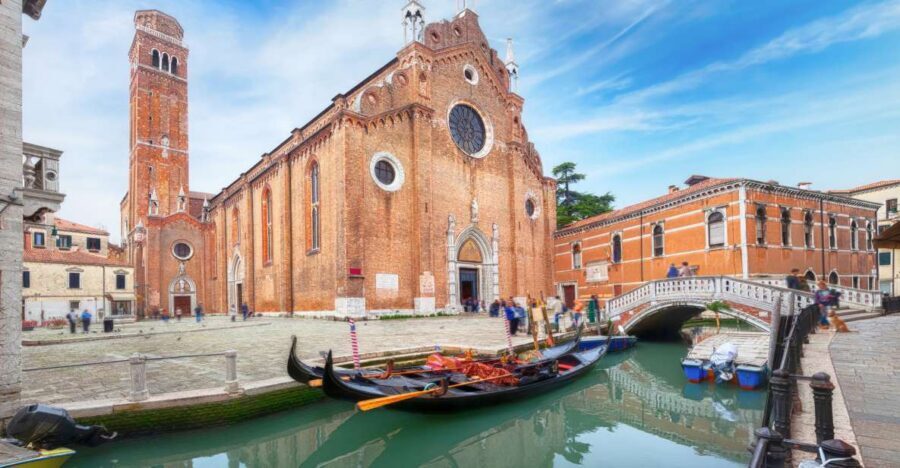
- Frari Church: Gothic space, big-name painters, and Canova
- Private guide value: what you gain in 2 hours
- Timing, closures, and how to keep your plan flexible
- Price and logistics: what’s actually included (and what you’ll pay separately)
- Should you book this private Rialto and Frari visit?
- FAQ
- Where does the tour start?
- How long is the private tour?
- What is included in the price?
- Are entrance tickets to churches included?
- Is the Rialto Market open every day?
- Can you always visit Frari Church during the tour?
- What languages are available for the guide?
Key Points You’ll Care About
- Private guide for a 2-hour, on-foot route that keeps you from wandering in Venice without a plan
- Rialto Bridge (Antonio Da Ponte) as the visual anchor for the whole start of the tour
- Rialto’s landmark buildings linked to the New and Old structures by Sansovino and Scarpagnino
- San Giacometto Church as a historical stop tied to its rebuild after a major fire
- Frari Church interior art featuring Bellini, Titian, and Vivarini, plus Canova’s monument
Start at Campo San Luca: the easiest way into Rialto
The tour begins at Campo San Luca, right in front of Bucintoro Viaggi. That matters more than it sounds. Venice is maze-like, and starting from a fixed landmark helps you actually show up ready to walk and look, not hunting for a meeting point while your feet cool off your enthusiasm.
From the start, you’re set up to understand Rialto as a “first introduction to a minor part of Venice,” in the sense that it’s a complete neighborhood experience in miniature. You’re not just passing by big sights; you’re walking the arc of how canals, commerce, and culture sit next to each other.
This is also a practical tour length. Two hours is long enough to make progress, but short enough that you still have energy for post-tour gelato, a snack stop, or an extra walk on your own.
You can also read our reviews of more private tours in Venice

Rialto Bridge and the Grand Canal view that explains everything
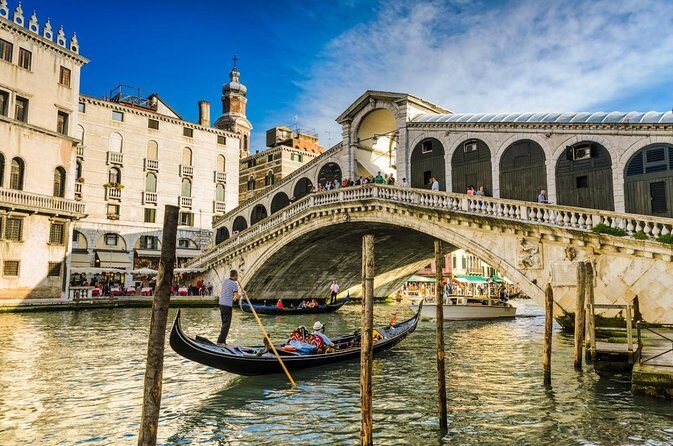
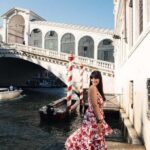
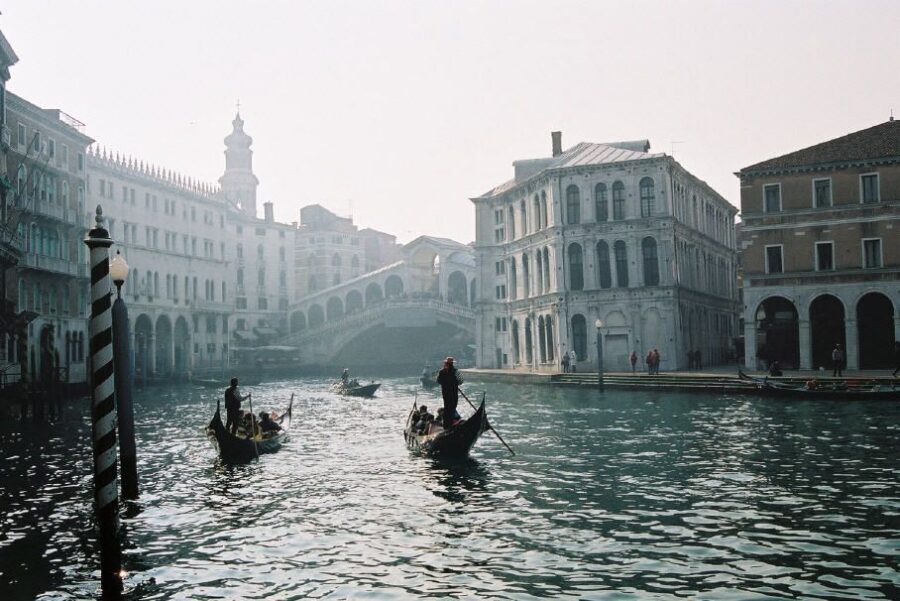
You cross the Rialto Bridge, built at the end of the 16th century by Antonio Da Ponte, one great arch with a loggia running along both sides. The structure is the kind of detail that helps you read the scene instead of just taking photos.
Here’s the useful part: the loggia with shops on both sides turns the bridge from a simple crossing into a market corridor. It’s a reminder that Venice didn’t separate “where people go” from “how people live.” You’ll see the bridge not as a postcard cutout, but as a tool city planners used to knit trade into movement.
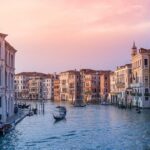
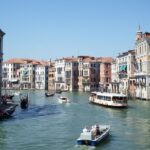
You’ll also get a sense of scale. The Grand Canal can feel surreal—wide, busy, and oddly calm at the same time. As you step across, you’ll understand why Rialto remained the symbolic center for so long. It’s a view that helps your later wandering make sense.
Sansovino and Scarpagnino: reading the buildings behind the postcard
After the bridge, the walk focuses on the classic Rialto waterfront buildings. This is where the tour becomes more than scenic. It teaches you what you’re looking at and why it’s there.
You’ll pass by the New Buildings built by Sansovino in the 16th century, now associated with the Judicial Court and Offices. Even if you don’t go inside, you’ll notice the shift in how the buildings present themselves: public work, civic function, and prestige, all stacked into the same canal front.
Then you’ll see the Old Buildings built by Scarpagnino in the 16th century. Comparing new versus old on the same stretch helps you spot how Venice evolves without fully abandoning what already works. It’s not “one and done.” It’s a city of upgrades and repairs.
If you like architecture and you want to understand Venice’s layers without a full art history lecture, this is a good pace. Your guide can point you toward the key visual cues along the way, so you can recognize what’s what instead of relying on a guidebook caption.
San Giacometto and the market scene you can actually feel
The stop at San Giacometto Church (rebuilt by Scarpagnino in the 16th century after a fire destroyed it almost completely) adds a human scale to the tour. Fires and rebuilds are part of Venice’s story, but most visitors skip the “why this building looks like this” moment.
Here, you’re given context that makes the church feel less like a random stop and more like a recovery story you can spot in the architecture and the reason it exists.
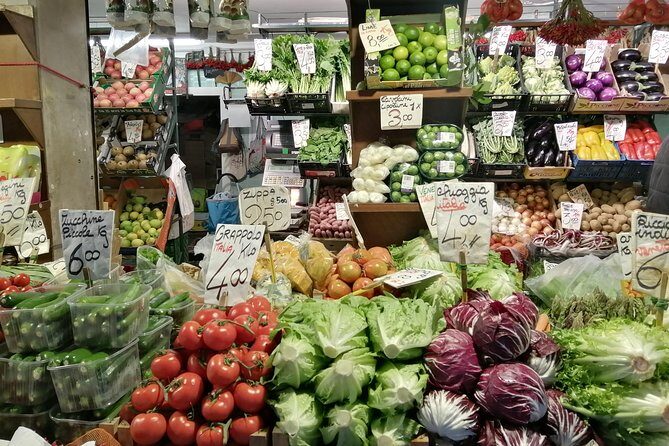
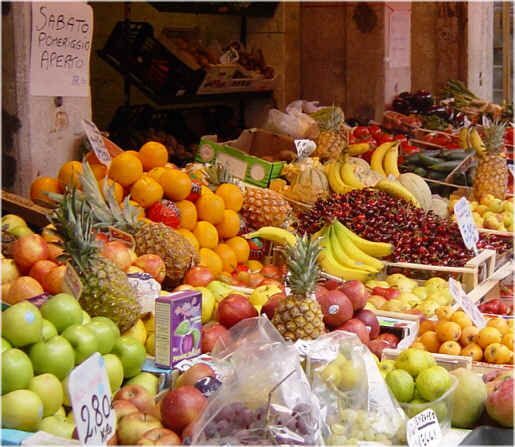
Then you move toward the area known for colorful fruits and fish—the classic market atmosphere around Rialto. Even if you’re not shopping, you’ll get the visual rhythm: rows, stalls, and the sense of everyday commerce.
Important planning note: the Rialto Market is closed on Sunday and Monday, and the tour timing may change the emphasis on what you see in that area. If your trip is Sun/Mon, don’t assume you’ll get the full market vibe. You’ll still see the neighborhood, but you may be photographing architecture and canal life more than the day-to-day food scene.
Frari Church: Gothic space, big-name painters, and Canova
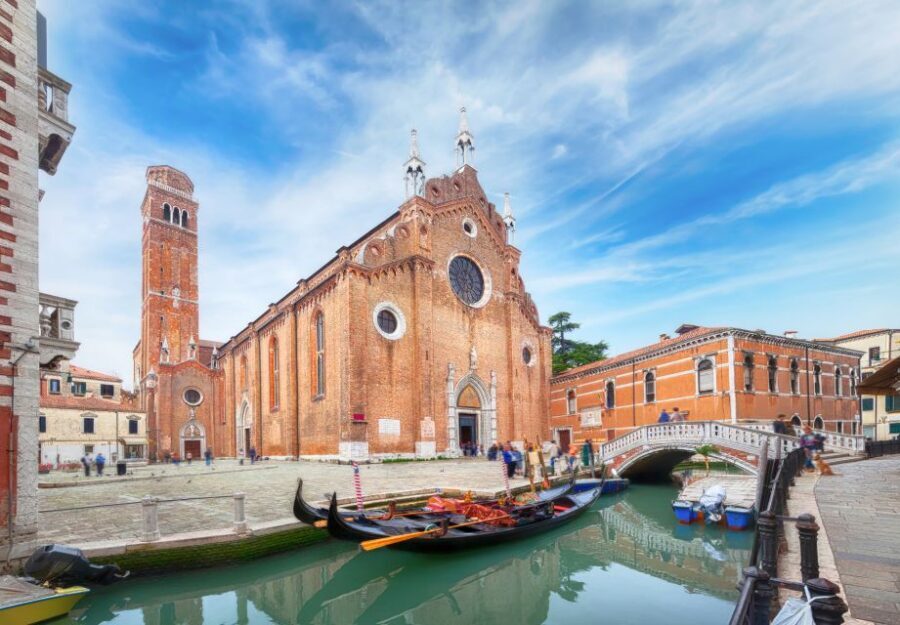
From the market zone, the tour heads to Frari Church, built in the early 14th century in Gothic style. This is a big step up in mood. Outside, Rialto is about motion. Inside Frari, the atmosphere shifts into stillness and weight.
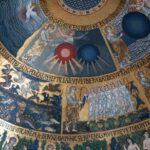
The interior is where Frari pays off. You’ll see works attributed to or associated with Bellini, Titian, and Vivarini. That trio alone is reason enough to consider the stop worthwhile, because it gives you a concentrated look at how Venetian painting developed its voice.
Then there’s the Monument to Antonio Canova, described as designed by the artist himself. This is one of those details that helps you feel you’re standing somewhere truly “official,” not just a pretty interior. If you care about sculpture and the way artists leave fingerprints in stone, this is a standout.
One practical heads-up: church visits can’t happen during religious functions. That means on certain days or times, you might not be able to enter as expected. The tour notes that it may be possible with a reservation on request, so if your schedule is tight, plan ahead and ask.
You can also read our reviews of more tours and experiences in Venice

Private guide value: what you gain in 2 hours
For a private tour, the big question is always value per hour. This one is $226.57 per group (up to 10 people) for 2 hours, and it includes a private guide for your time.
If you’re traveling as a couple, you’re effectively paying more per person. But if you have a small group of friends, the math gets friendly fast. At full capacity (10 people), you’re dividing the cost across a larger group, which is usually where a private tour becomes a smart spend.
Also, you’re not just paying for someone to walk beside you. You’re paying for the translation of “I’m seeing stuff” into “I know what I’m seeing.” Rialto’s buildings, bridges, and church art can blur together if you don’t have someone pointing out the right details at the right moment.
Two other practical benefits you’ll feel:
- Small-group control: since it’s private, your guide can slow down or speed up depending on what you’re interested in.
- Clear route design: you start at a fixed point, walk a logical arc, and end back at the same meeting area.
One more reality check based on reported experience: the tour has had at least one instance of short-notice cancellation by the local provider due to no guide being available. That’s rare, but it’s not something to ignore. If you book, keep your communication channel open close to departure and confirm you have the latest message from the provider.
Timing, closures, and how to keep your plan flexible
Venice is great, but it runs on a different rhythm than most cities. This tour’s main variables are spelled out clearly:
- Rialto Market closed on Sunday and Monday
- Frari Church may not be visitable during religious functions
- If needed, reservation for church access can be requested
So what should you do with this? Treat the tour as a framework, not a guarantee of perfect visuals at every moment. If you’re visiting on a Sunday or Monday, shift your mindset: you’re still getting the Rialto landmarks and the Frari interior. You just might miss the market full-volume “fruit and fish” vibe.
If you’re going on a day when religious functions could affect church entry, ask early about access and plan a nearby alternative (even just a short self-guided walk in the area) so you’re not stuck with nothing to do.
Price and logistics: what’s actually included (and what you’ll pay separately)
Here’s the straightforward breakdown:
- Included: private guide for 2-hour disposal
- Not included: entrance tickets to churches
- Tour type: private group, wheelchair accessible
- Languages: English, Italian, German, French
- Meeting point: Campo San Luca, in front of Bucintoro Viaggi
- End: back at the meeting point
That “tickets not included” detail matters because it can affect your day budget. Churches in Venice are often the cost item people forget to count. If you want Frari, budget for entry on top of the tour price.
Should you book this private Rialto and Frari visit?
I’d book this if you want a compact, first-time-leaning Venice experience with two big payoffs: Rialto Bridge/market area context and a real interior church visit at Frari.
I’d be cautious if:
- You’re traveling Sunday or Monday and you’re specifically hoping to see the market at full swing.
- Your schedule is inflexible around church access, especially if you hit a time with a religious function.
- You’re booking very last-minute. There has been at least one reported case of a late cancellation due to guide availability, so give yourself a little cushion.
If you like practical guidance and you want a route that helps you understand Rialto instead of just walking through it, this tour can be a strong use of your time. And once you’re inside Frari, the art stops being “nice to see” and turns into something you’ll remember: Bellini, Titian, Vivarini, plus Canova’s monument in the same visit.
FAQ
Where does the tour start?
It starts at Campo San Luca, in front of Bucintoro Viaggi Agency.
How long is the private tour?
The tour is 2 hours.
What is included in the price?
The tour includes a private guide for 2 hours.
Are entrance tickets to churches included?
No. Entrance tickets to churches are not included.
Is the Rialto Market open every day?
No. Rialto Market is closed on Sunday and Monday.
Can you always visit Frari Church during the tour?
Not always. Churches can not be visited during religious function. A reservation on request is noted.
What languages are available for the guide?
The live tour guide is available in English, Italian, German, and French.