Venice is loud on the main streets. This tour works because you start in calmer Cannaregio and finish at the iconic Rialto Bridge without staying stuck in the thick of it.
I especially like the small-group size (max 15), which makes it easier to hear your guide and ask real questions. I also like how the route blends daily life today with specific historic stops, from the church of Madonna dell’Orto to the gondola-makers’ area at Squero dei Muti.
One thing to consider: the pace is still walking, and the biggest “time magnet” for most people is the end near Rialto, where crowds pick up again. If you’re not up for a brisk 2-hour stroll, you may feel rushed.
In This Review
- Key highlights you’ll care about
- Cannaregio to Rialto: why this route feels like real Venice
- Getting there and knowing the walking reality (start at Hotel Antiche Figure)
- Campo San Geremia: the funny start that sets the tone
- Ghetto Ebraico: stepping into Venice’s Jewish Quarter
- Cannaregio canals and footbridges: why the quiet part matters
- Chiesa della Madonna dell’Orto: Tintoretto and the original paving context
- Palazzo Mastelli del Cammello: why the Camel House nickname works
- Squero dei Muti and Ponte Chiodo: gondola craft and an old bridge
- Rialto Bridge plus the lived-in world around it
- What you’re paying for: value at $47.16 for a 2-hour walking story
- Small-group pacing: where guides shine and where it can drag
- Who should book this tour (and who might skip it)
- FAQ
- How long is The Real Hidden Venice tour?
- Where does the tour start and where does it end?
- How big is the group?
- Is admission included for Chiesa della Madonna dell’Orto?
- What language is the tour in?
- Is there an extra Venice access fee to know about?
- Quick decision: should you book?
Key highlights you’ll care about
- Max 15 travelers (or private option) for a more personal, question-friendly walk
- Cannaregio first, then the Jewish Quarter, so you dodge the worst tourist bottlenecks
- Madonna dell’Orto and Tintoretto stops, plus a look at Venice’s older paving context in front of the church
- Squero dei Muti gondola factory area for a real link to how Venice works
- Rialto Bridge plus the market setting, so you get the landmark and the trade-life around it
- Practical guidance after the walk, including food and getting around tips shared by guides
Cannaregio to Rialto: why this route feels like real Venice
The biggest win here is timing and location. Instead of starting in the usual parade routes, you begin in Campo San Geremia in Cannaregio, where Venice feels more like a living neighborhood than a backdrop.
From there, the tour crosses into the Jewish Quarter, called the Ghetto Ebraico, and then you work your way back toward the Grand Canal’s famous bridge. That means you get variety in a short time: quiet footbridges and canal corners in the middle, then the big payoff at Rialto at the end.
You’ll also move at a manageable speed for a 2-hour tour. Each stop is short enough that you stay energized, but long enough for your guide to explain why the place matters. It’s a good setup if you want orientation plus stories, not a marathon of stand-and-stare sightseeing.
You can also read our reviews of more tours and experiences in Venice.


Getting there and knowing the walking reality (start at Hotel Antiche Figure)
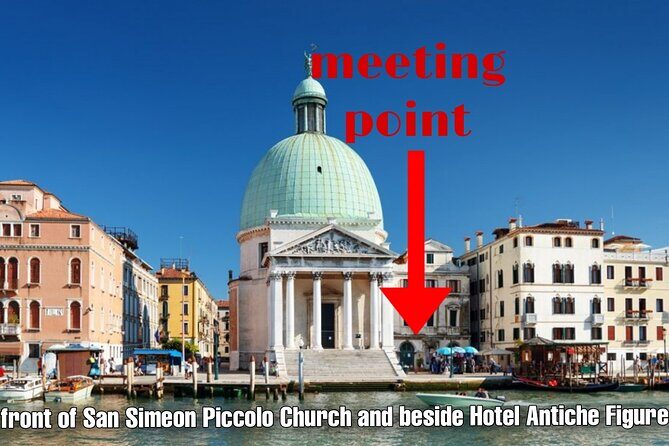
This tour meets at Hotel Antiche Figure, in the Santa Croce area near Fondamenta San Simeon Piccolo, not far from the Santa Lucia train station zone. You get pickup in front of the hotel, and the guide starts the walk from there.
You should plan for the walking part. Hotel pickup is included, but hotel drop-off is not, and the tour ends near Rialto Bridge. In practice, that’s usually fine because Rialto is a natural launching point for more exploring, but it does mean your route later is your choice.
A few practical notes that matter for comfort: the tour is designed for moderate physical fitness and it’s a good idea to wear shoes that handle Venice stone and occasional uneven ground. It’s also outdoors, so you’ll want decent weather.
Campo San Geremia: the funny start that sets the tone
Your first real moment is Campo San Geremia, a picturesque square in Cannaregio. The tour only gives it about 5 minutes, but that’s a smart move because it gets you oriented early and helps you read Venice’s streets instead of just moving through them.
This stop comes with a story about the campo itself, including an unusual and comic history. Even if you’re not a history person, that kind of background helps everything else click later, because you start noticing why certain buildings and corners exist the way they do.
What I like about starting here is the pacing. You begin away from the most crowded lanes, so you can focus on what your guide points out without feeling like you’re being swept along with everyone else.
Ghetto Ebraico: stepping into Venice’s Jewish Quarter
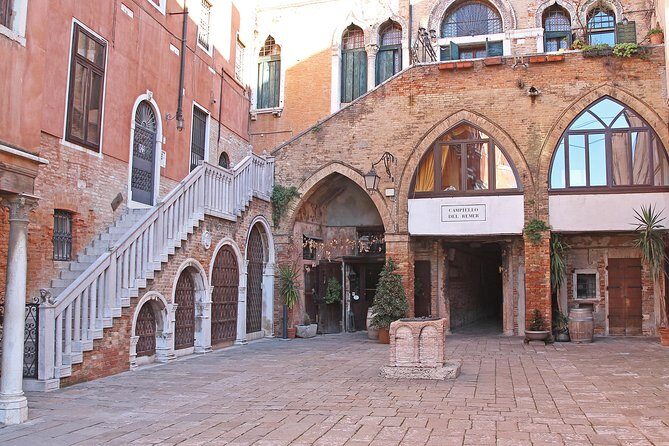
Next you cross into the Jewish Quarter, where you’ll learn how the word “ghetto” is connected to this area’s origins. You’ll spend about 15 minutes here, which is enough time for a focused walk-through and a few key explanations without turning it into a lecture.
This is the emotional center of the tour for many people because it’s not just about architecture. It’s also about how communities shaped Venice, and how the city’s identity was shaped by people living within it.
One downside to keep in mind: because this is an important area, you’ll want to keep your attention on your surroundings and your guide’s flow. If you’re the kind of traveler who prefers long, quiet wandering with zero structure, you may wish you had more time here.
Cannaregio canals and footbridges: why the quiet part matters

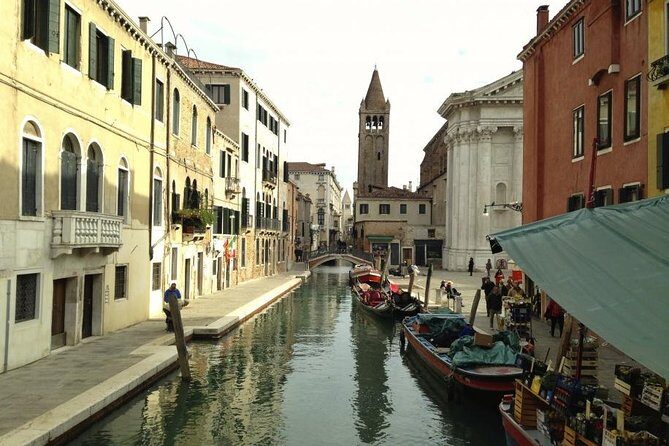
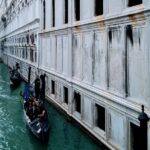
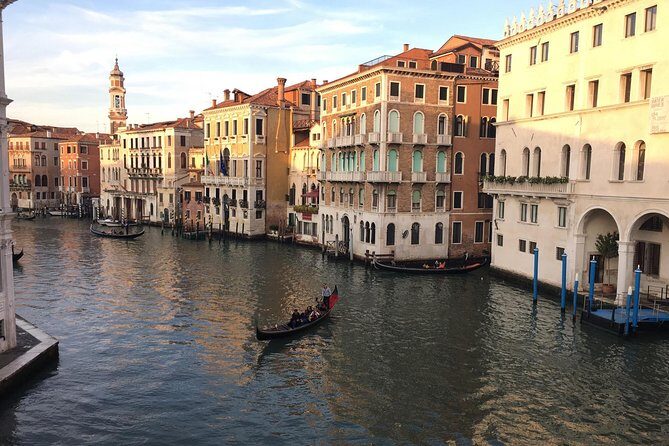
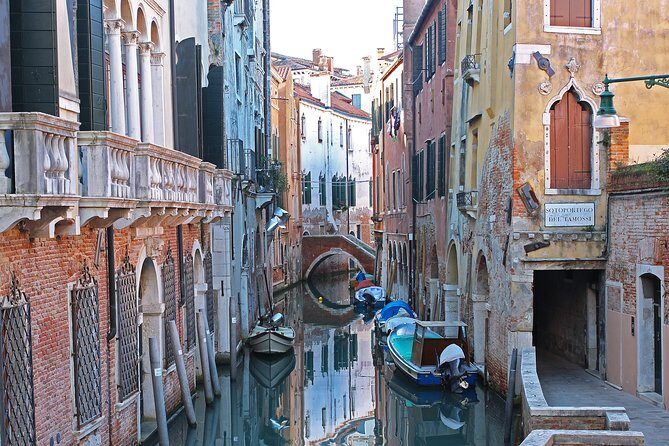
After the ghetto stop, you return to Cannaregio and spend about 30 minutes breathing in the quieter canal sides. This is where you get the Venice feeling that many first-timers miss: the footbridges, the smaller waterways, and the slower rhythm of daily life.
The tour frames this as the most romantic side of the neighborhood, but the real value is practical. When you see the quieter parts, you start understanding how Venice neighborhoods connect, where locals likely cross, and which alleys are designed for foot traffic rather than sightseeing crowds.
This is also a good stretch for photos, especially if you use your common sense timing. You won’t get photo solitude forever, but you’ll get better chances than the main promenade routes.





Chiesa della Madonna dell’Orto: Tintoretto and the original paving context
The tour then heads to Chiesa della Madonna dell’Orto. It’s about 5 minutes and it includes a key art point: the church is famous for Tintoretto paintings.
You’ll also hear about the original floor of Venice in front of the church. This is the kind of detail that makes a small stop feel meaningful, because it connects what you see with how Venice has been built and rebuilt over time.
Important practical note: the church stop is not included for admission in the tour pricing. That means you should be ready for a possible ticket cost if you want to go inside or linger around the areas your guide recommends.
Palazzo Mastelli del Cammello: why the Camel House nickname works
From the church you move to Palazzo Mastelli del Cammello, nicknamed the Camel House. The tour gives it about 5 minutes, which is short, but the pay-off is in the story behind the facade name.
That nickname isn’t random; it helps you read the building like a symbol, not just a wall. You’ll get the legend about the millenary palace, and the guide ties it to Venice’s habit of turning everyday life into lasting architecture.
If you love architecture and local lore, this is one of the stops that makes the tour feel like it has personality. If you only care about big-ticket landmarks, you might feel it’s a brief detour, but it still pays off because it keeps you learning instead of just walking.
Squero dei Muti and Ponte Chiodo: gondola craft and an old bridge
Two of the most “Venice-working” stops come next.
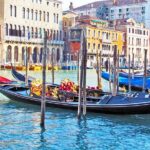
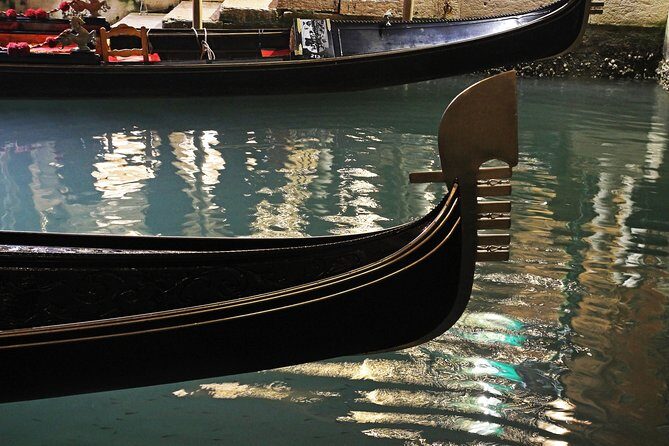
First is Squero dei Muti, the old gondola factory area. You’ll spend around 5 minutes here, but it’s a memorable one because it connects the city’s beauty to the craft that keeps it moving. Gondolas aren’t just a tourist prop; this is where you’re reminded they were built through skilled work.
Then comes Ponte Chiodo, the original bridge of the Venetian Republic, also about 5 minutes. That stop helps you understand Venice isn’t only canals and famous monuments. It’s a place where simple infrastructure decisions shaped how a republic functioned day to day.
If you want one reason to book this tour instead of doing a free-form walk, it’s this: the guide links small places to big stories quickly, so you don’t have to research everything mid-trip.
Rialto Bridge plus the lived-in world around it
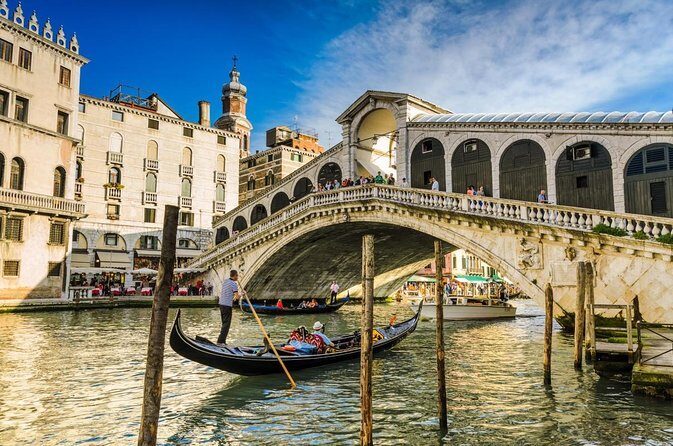
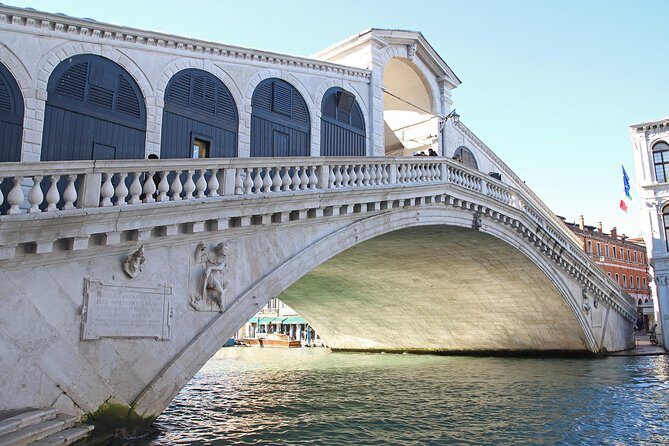
The tour’s most famous moment is Ponte di Rialto. You’ll spend about 15 minutes here, and your guide shares stories about the bridge’s traditions and the little-known sides of the 16th-century landmark.
You also get views from the bridge, plus a chance to understand why Rialto became central. It’s not just a photo stop; it’s a symbol of trade, movement, and Venice’s ambition.
After Rialto, you continue with two short-but-important context stops:
- Campo San Giacomo di Rialto (about 10 minutes): described as the first lived island of Venice. That detail helps you reframe the area as an actual settlement space, not just a sightseeing district.
- Mercato di Rialto (about 15 minutes): the old trade center of the Venetian Republic, La Serenissima. You’ll get a sense of the market’s role in daily life and the city’s economic heartbeat.
By the end, you’re well-positioned to keep exploring on your own. Since you finish near Rialto Bridge, you can easily pivot to nearby lanes, canals, or major viewpoints without backtracking.
What you’re paying for: value at $47.16 for a 2-hour walking story
At $47.16 per person for about 2 hours, the price makes sense if you value interpretation more than checklists. You’re buying three things: a local guide, a route through multiple neighborhoods, and enough “why” to make the sights more than scenery.
Here’s what’s included that adds real value:
- Local guide for the stories and context
- Local taxes
- 1 city map per person
- Pickup in front of Hotel Antiche Figure
- A maximum group size of 15 (plus private option if selected)
What’s not included:
- Madonna dell’Orto admission (the itinerary marks it as not included)
- Also, keep in mind the possible €5 access fee on certain dates if you’re visiting from outside Venice for the day. It’s mentioned as an occasional requirement, so it’s worth checking before you go.
If you’re comparing this to just buying a museum ticket or taking a generic walking tour, this one feels efficient. You get both the quiet neighborhood start and the big landmark finish, while still making room for real discussion. For short stays, that efficiency is a big deal.
Small-group pacing: where guides shine and where it can drag
The best version of this tour is guided walking that feels like conversation. With up to 15 people, you’re more likely to get your questions answered without waiting your turn forever.
The route also supports interactive moments, because you keep switching settings: square to footbridge, canal neighborhood to the Jewish Quarter, then church architecture, then gondola craft history, then Rialto’s trade focus. That variety helps your guide keep momentum.
A fair caution from real-world experience: not every tour ends up perfectly timed. In some cases, you might spend longer standing at a history-heavy moment, and it can be hard to hear if the group clusters. If you’re traveling with kids, older adults, or anyone who gets restless, consider setting expectations early: it’s a guided walk, not a free stroll.
Still, the consistent strength is that guides tend to bring Venice to life with stories and practical pointers. Some guides even share helpful after-tour suggestions like where to eat and how to get around, including getting to nearby islands like Murano.
Who should book this tour (and who might skip it)
Book it if:
- You want a quieter Venice start and a return to Rialto with context
- You like guides who explain daily life and why a place earned its reputation
- You want a short, structured walk that still includes multiple meaningful stops
Skip or choose differently if:
- You want long time inside major churches or you prefer slow, independent wandering
- Your party struggles with walking 2 hours in Venice stone and bridges
- You’re expecting a tour that never meets the more crowded Rialto area (you will finish near it)
Also, plan around the weather. Since it’s a walking experience, poor conditions can disrupt the outing.
FAQ
How long is The Real Hidden Venice tour?
It’s about 2 hours walking time.
Where does the tour start and where does it end?
It starts in front of Hotel Antiche Figure near Santa Lucia station and ends near Rialto Bridge.
How big is the group?
For the group option, the tour has a maximum of 15 travelers. A private group option may also be available.
Is admission included for Chiesa della Madonna dell’Orto?
No. The tour notes that admission for Chiesa della Madonna dell’Orto is not included.
What language is the tour in?
The tour is offered in English.
Is there an extra Venice access fee to know about?
On certain dates, people staying outside Venice who visit for the day may need to pay a €5 access fee. The tour info points you to the official city page for details and exemptions.
Quick decision: should you book?
Yes, if you want a smart 2-hour walk that blends quiet Venice neighborhoods with Rialto’s big landmark energy, guided by someone who connects places to daily life and local stories. If your group hates walking or needs lots of museum-style time, you might be better with a different format.