REVIEW · VENICE
Venice: Walking Guided Tour of the City Must-See Sites
Book on GetYourGuide →Operated by Orange Umbrella Srl · Bookable on GetYourGuide
Venice makes sense on foot. This 2-hour walk strings together the city center’s biggest landmarks and a few quieter corners so you learn the layout fast. I especially like the small-group pace and the English-only local storytelling, which helps you connect what you see at Rialto Bridge and St. Mark’s Square to how Venice actually works.
One drawback to plan for: this is an outdoor, no-entrance tour. You’ll do a lot of walking across uneven streets, so bring comfortable shoes (and water), and skip it if you have heart problems or need wheelchair access.
In This Review
- Key things that make this Venice walking tour worth your time
- Why this 2-hour Venice walk is a smart first-day move
- Finding the group at Campiello dei Squelini (Dorsoduro)
- San Rocco and San Polo: learning Venice by its street “neighborhood logic”
- Rialto Bridge crossing: the moment the city clicks
- Cannareggio and the Jewish Ghetto: where the walk becomes more meaningful
- Basilica de’ Frari and Titian: art you can spot without tickets
- St. Mark’s Square finale: Basilica and Palazzo Ducale from the “right” angle
- What you’re actually paying for: value in a $44, English-only format
- Pace, sound, and the guide factor that shows up in real reviews
- What to bring and how to survive Venice weather on a walking tour
- Should you book this Venice guided walking tour?
- FAQ
- Where is the meeting point for the Venice walking tour?
- How long is the tour?
- Is the tour guided in English?
- Are entrance fees included?
- Is this tour suitable for wheelchair users or people with heart problems?
- What should I bring for the tour?
Key things that make this Venice walking tour worth your time
- Meet in Dorsoduro near Ca’ Foscari at Campiello dei Squelini, by the coloured wall
- Small-group route through multiple sestieri including Rialto and Cannareggio
- Rialto Bridge crossing plus street-level views you’d miss on a quick photo stop
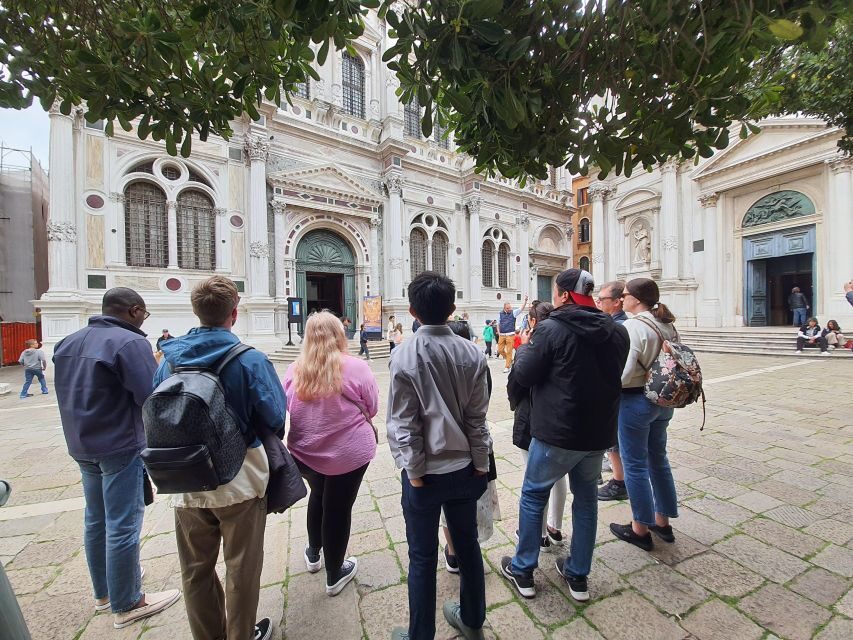
- Stops tied to big names and big art like the exterior of Scuola Grande di San Rocco and the Basilica de’ Frari area (Titian’s resting place)
- A Jewish Ghetto walk-by focus within the Cannareggio stretch
- Finish in Piazza San Marco so you’re dropped right where you’ll want to keep exploring
Why this 2-hour Venice walk is a smart first-day move
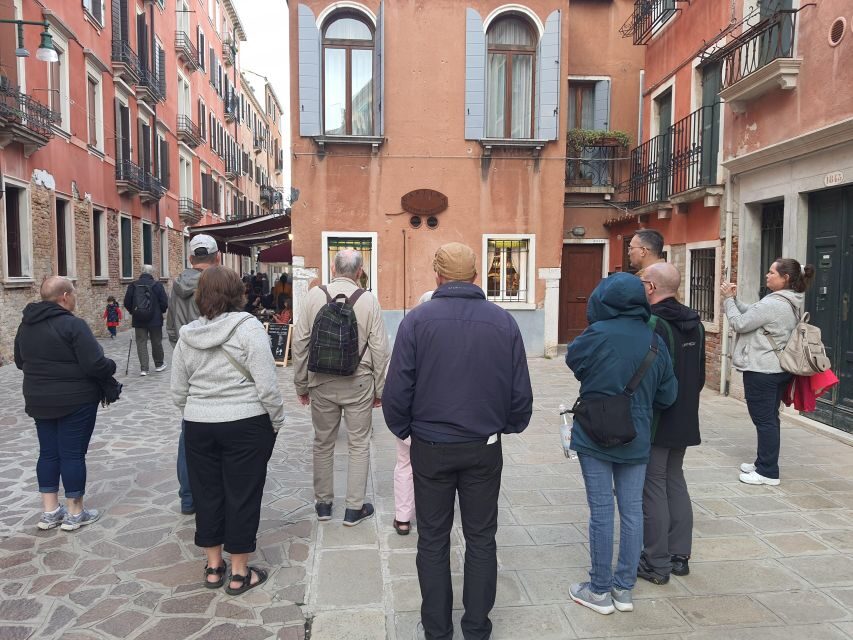
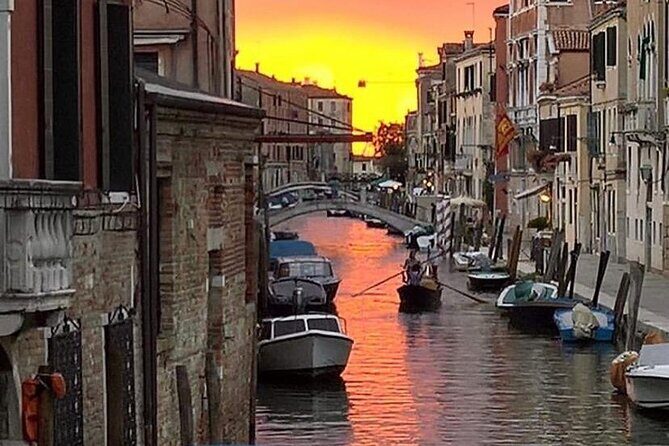
Venice can feel like a maze until someone gives you a mental map. This tour does that job in two hours by moving you across key areas rather than looping around one neighborhood. You start in Dorsoduro, cross toward the Rialto area, then keep rolling through Cannareggio, before ending at Piazza San Marco.
That arc matters. By the time you reach St. Mark’s Square, you’ve already learned the “spine” of the city you’ll use later—how canals frame routes, where major crossings funnel foot traffic, and which streets tend to lead you into and out of major sights. It’s also a good way to shake off the first-day overwhelm when fog, heat, or rain make you want to retreat to your hotel.
You can also read our reviews of more walking tours in Venice


Finding the group at Campiello dei Squelini (Dorsoduro)
You meet at Campiello dei Squelini, near Ca’ Foscari University in the Dorsoduro district, by a coloured wall. Venice is good at hiding landmarks, so arriving early is not optional. The tour asks you to be there 10 minutes before departure, and the group can’t wait more than 5 minutes—you also won’t be able to join once the walk has started.
This is the part where planning pays off. If you’re coming from another area, give yourself extra time for the usual wandering you’ll do on Venetian footpaths. One review note even flagged that navigating the maze can be tricky when time is tight, so treat this meeting point like an appointment, not a casual meet-up.
San Rocco and San Polo: learning Venice by its street “neighborhood logic”
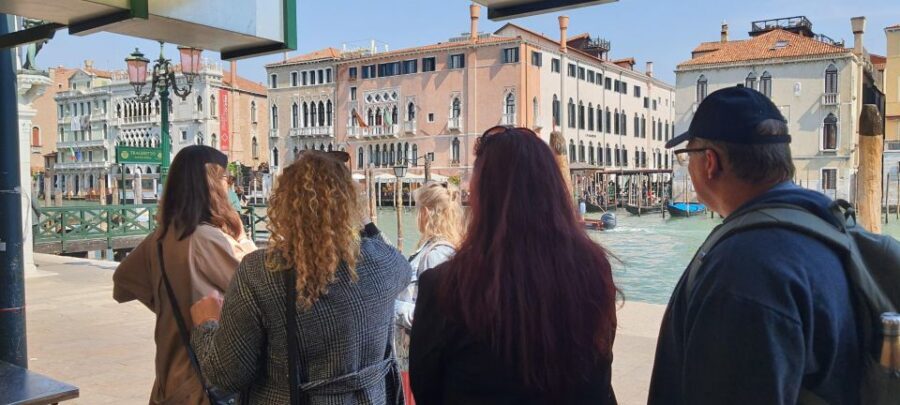
Early on, you’ll stop near Scuola Grande di San Rocco for a short 15-minute guided moment focused on sightseeing and explanation. You’re not going inside on this tour—there are no entrance tickets included—but you do get a chance to read the place from street level. That changes the experience: instead of treating buildings like backdrops, you start understanding why they’re here and what they meant.
Next comes San Polo for another 15-minute guided sightseeing stop. San Polo is one of those districts that helps you see Venice as more than postcard squares. Even without entering any sites, the guide’s commentary helps you notice the different “feels” of the city blocks: where the action concentrates, how streets funnel toward crossings, and how canal life shapes daily movement.
A nice bonus: guides on this tour often bring practical context along with the facts. In past experiences, guides such as Valentina, Flavia, and Irena have been praised for turning general history into usable orientation, including ways to understand how areas connect and how Venetians think about their city.
Rialto Bridge crossing: the moment the city clicks
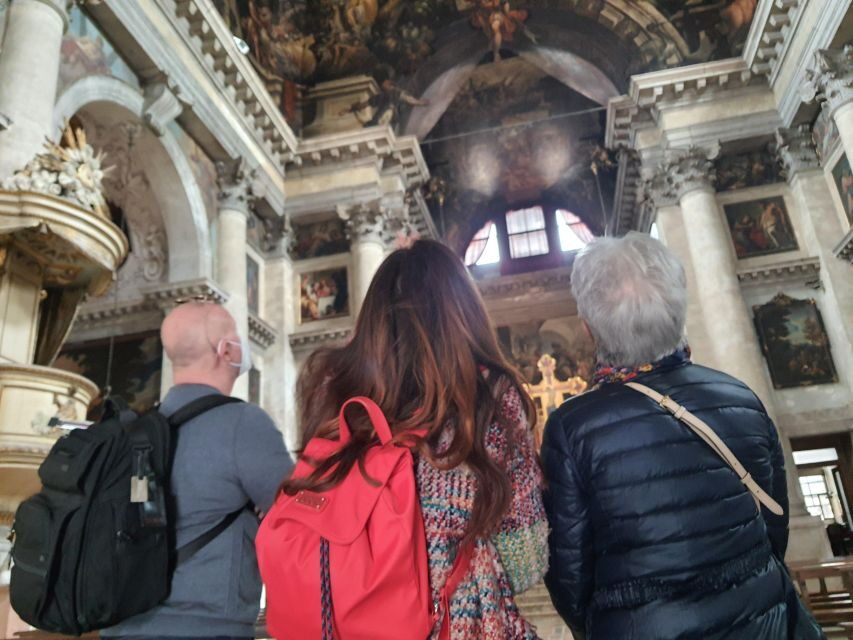
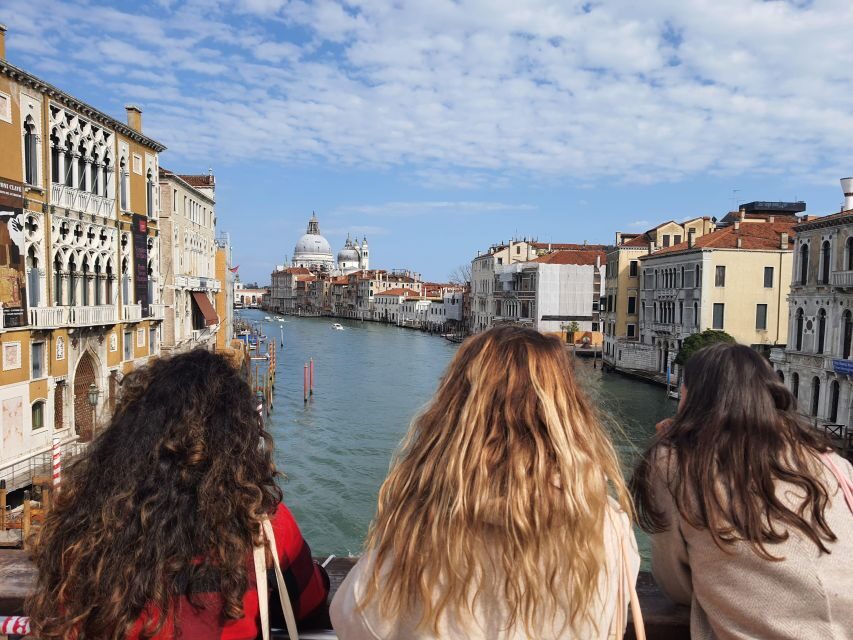
Rialto Bridge is the main character here, and you’ll cross it during the walk. You’ll spend time around the Rialto area, with a guided sightseeing stop that’s about 15 minutes—enough time to hear the story without turning the bridge into a stand-still crowd scene.
What I like about this approach is that it’s not just about the view. The guide uses the bridge and surrounding lanes to explain how Venice’s geography guides commerce, travel routes, and even where people ended up building certain kinds of institutions. It’s the classic “look, then understand” method, and for a first visit it works fast.
Also, don’t underestimate how energizing a bridge crossing can be in Venice. After you walk through canalside streets, stepping onto the bridge gives you a new vantage point and helps your brain stitch the map together. If you’re trying to photograph, you’ll get chances, but the bigger win is still the orientation.
Cannareggio and the Jewish Ghetto: where the walk becomes more meaningful
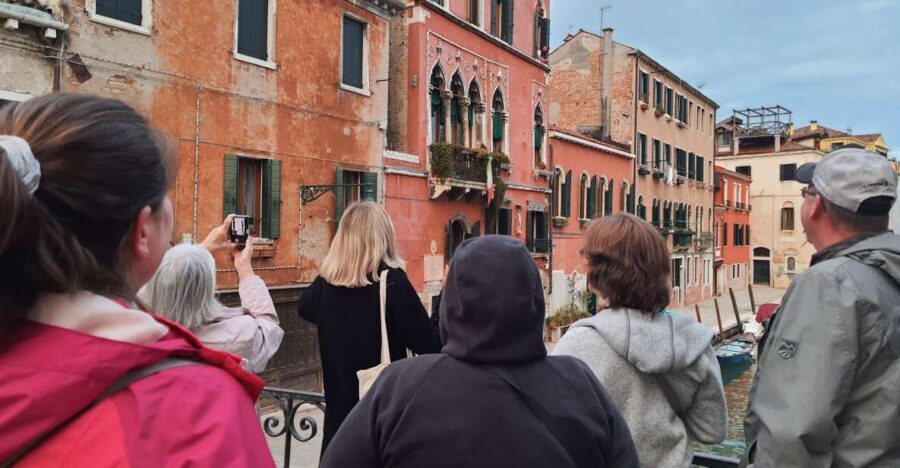
Later you’ll walk through Cannareggio, including an area associated with the Jewish Ghetto. This isn’t presented like a checklist stop. The value is in connecting the neighborhood to Venice’s broader story—how different communities lived, worked, and shaped the city’s culture.
Even though this is an outdoor tour with no entrances, these streets still deliver something important: perspective. You learn that Venice isn’t one giant monument. It’s a working city with neighborhoods that have their own rhythms, and the guide helps you notice what makes each section different.
Because the walking route is set, this portion is also a good time to pay attention to your footing and pace. Some streets tighten, some stretches feel longer than you expect, and the guide’s pacing keeps the group moving without rushing past the points that matter.
You can also read our reviews of more guided tours in Venice





Basilica de’ Frari and Titian: art you can spot without tickets
One of the more memorable exterior stops in the tour description is near the Basilica de’ Frari, tied to the painter Titian, who rests there. You’ll see the basilica from outside, along with the area around Scuola Grande di San Rocco.
This is a smart choice if you’re not trying to cram in long lines or multiple admissions. You still get the significance—who is associated with the site and why the place earned its reputation—without needing to plan around ticket timing. It also keeps the tour moving, which matters on a 2-hour schedule.
If you’re the kind of person who likes art references, this is where the guide’s personality really shows. Multiple guides—like Gianmarco and Flavia—have been praised for making stories vivid and for weaving humor into historical context. That matters because you’re not just staring at stone; you’re hearing what people attached to those stones and why it still resonates.
St. Mark’s Square finale: Basilica and Palazzo Ducale from the “right” angle
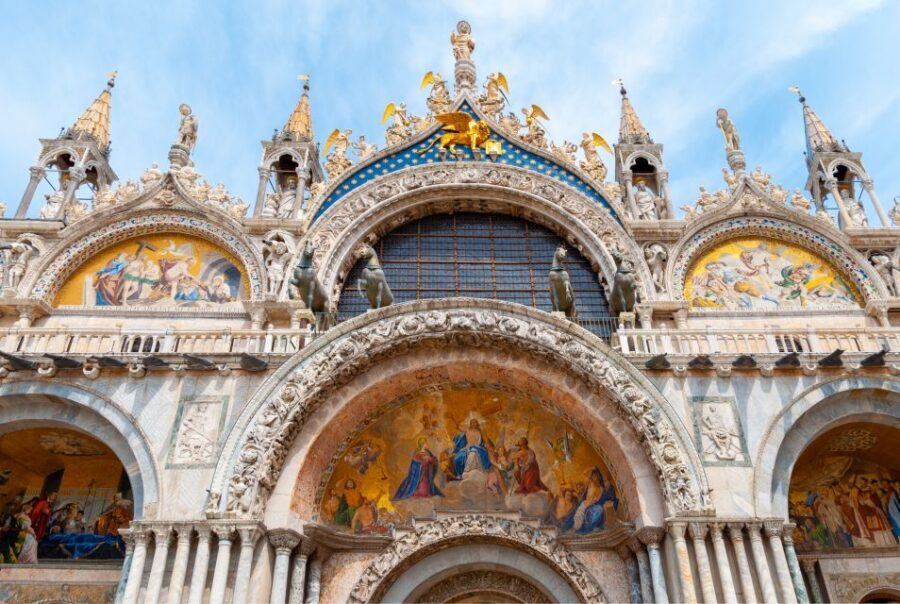
The tour ends in Piazza San Marco, one of the best finishing points because it’s immediately useful. You’ll admire St. Mark’s Basilica and Palazzo Ducale as part of the walk’s endpoint, with the tour description emphasizing the viewing and appreciation rather than entrance access.
Ending here helps you in two ways:
- You get a natural launchpad for the rest of your day, since you’ll already be where the city concentrates its must-see sights.
- You’ll have context before you step into the crowds. By the time you arrive, the guide has already framed the city’s main “why,” so St. Mark’s feels less like a single dramatic photo and more like the culmination of the route you just learned.
It’s also a confidence boost. People often feel lost in Venice after they arrive, then feel better once they’re oriented around a major landmark like this. Finishing in Piazza San Marco is a practical move.
What you’re actually paying for: value in a $44, English-only format
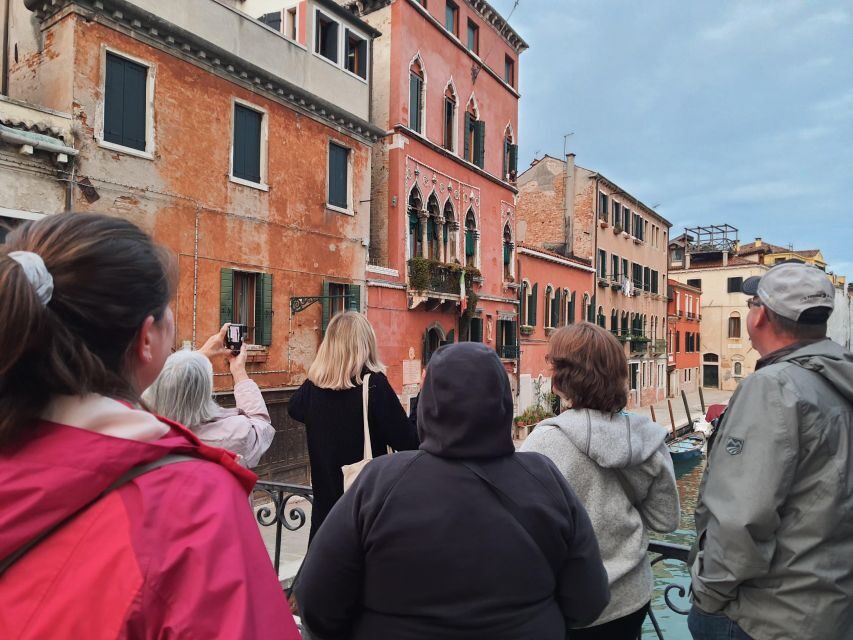
At $44 per person for about 2 hours, you’re buying three things: guidance, structure, and story. The tour includes an English-speaking local expert and is a small-group walking tour, which usually means you’re not getting steamrolled by a giant crowd. You’re also not paying extra for admissions on this specific walk—there are no entrance fees included, so the value is concentrated in the “how to see Venice” part.
What you don’t get is the “inside” experience. Since entrances aren’t included, you should treat this as orientation plus exterior appreciation, not as a substitute for visiting St. Mark’s Basilica or Palazzo Ducale with tickets. If your priority is ticketed sights, you’ll likely pair this with separate entry plans later.
Still, for many first-time visitors, this is the sweet spot: enough time to cover major areas like Rialto Bridge and St. Mark’s Square, without burning your whole day on lines or long museum time. And since the tour is done only in English, you won’t be stuck decoding gestures when you most want clear explanations.
Pace, sound, and the guide factor that shows up in real reviews
This tour moves city-to-city on foot, so pace matters. The structure is short sightseeing blocks—each highlighted stop is about 15 minutes—which helps you stay focused instead of zoning out. Reviews also point out that the walk is tiring for people who don’t do much walking, so if you’re planning this for a day when you want to do a lot afterward, plan for slower legs later.
Sound matters too in Venice. In one experience, headsets worked well so the guide was easy to hear. Even if you don’t get headsets on every departure, the broader point is solid: you’re not meant to “guess” the facts. This is a guided experience with explanations built into the route.
The most praised aspect in the feedback is the guide energy. Names that come up repeatedly include Analisa, Irena, Gianmarco, Flavia, Valentina, Julia, and Annalisa—and the common thread is how they help people understand Venice beyond just the headline sights. Many were praised for being engaging, for keeping the pacing right, for sharing practical after-tour tips (like where to eat or where to find quieter areas), and for using humor alongside history.
What to bring and how to survive Venice weather on a walking tour
This is an outdoor walking tour with no inside time to reset. Pack like you’re walking for two hours in a real city, not strolling in a museum.
Bring:
- Comfortable shoes (non-negotiable)
- Weather-appropriate clothing
- A bottle of water, because you can’t count on adding stops
And one practical tip: since the meeting point has strict timing, plan to arrive a bit early even if you think you’ll be right on time. Venice streets can swallow your sense of distance. If it’s raining, expect wetter footing and more slippery bridges and steps, too.
Also, the tour is not recommended if you have heart problems or other serious medical conditions. And it’s not suitable for wheelchair users, so don’t count on accessibility workarounds.
Should you book this Venice guided walking tour?
Book it if you want a fast, organized way to learn Venice’s layout and see the big icons—especially Rialto Bridge and the build-up to Piazza San Marco—without buying multiple tickets for a short window of time. It’s also a strong choice for your first day because it gives you mental anchors across Dorsoduro, San Polo, Rialto, Cannareggio, and the Jewish Ghetto area, so you know where you are later.
Skip it (or swap it) if you need wheelchair access, can’t do a long outdoor walk, or you specifically want to go inside landmark buildings on this exact outing. For the ticket-in crowd, plan separate admissions and use this tour as the orientation spine.
If your goal is simple—get oriented fast, learn the stories that make the places click, and finish where you can keep exploring—this is a very reasonable bet for $44.
FAQ
Where is the meeting point for the Venice walking tour?
You meet at Campiello dei Squelini, near Ca’ Foscari University in the Dorsoduro district, by the coloured wall.
How long is the tour?
The tour lasts 2 hours.
Is the tour guided in English?
Yes. The tour is conducted only in English.
Are entrance fees included?
No. Entrance fees are not included, and the tour is an outdoor walking route with no entrances.
Is this tour suitable for wheelchair users or people with heart problems?
No. It is not suitable for wheelchair users, and it is not recommended for travelers with heart problems or other serious medical conditions.
What should I bring for the tour?
Bring weather-appropriate clothing and comfortable shoes. It’s also recommended to bring a bottle of water, since the tour does not add stops.