REVIEW · VENICE
Venice: La Fenice Theater Tour
Book on GetYourGuide →Operated by Barcelona Exp · Bookable on GetYourGuide
One ticket, one hour, and suddenly Venice has a soundtrack. This Teatro La Fenice tour takes you from the theater’s modest doorway at Campo San Fantin to a jaw-dropping interior where opera history feels close enough to touch. I especially like how the tour focuses on what makes La Fenice sound so good and how it connects that atmosphere to real premieres by Rossini and Bellini. One thing to consider: it’s a shared tour, so the pace and route can feel a touch more group-focused than a private visit.
You’ll also get context that makes the name La Fenice meaningful. The theater has burned and rebuilt more than once, and that “phoenix” story isn’t just trivia; it’s part of why the building still carries such strong energy. And if you’re the type who likes structure—meet, see the highlights, then be out—you’ll appreciate the clear 60-minute format.
In This Review
- Key Highlights You’ll Actually Care About
- Teatro La Fenice in Venice: The “Phoenix” Theater Story You’ll Hear in Real Time
- Meeting at Campo San Fantin: What to Expect Before You Ever Enter
- Going Inside: The Opulent Interior Details That Make It Worth the Ticket
- The 60-Minute Tour Flow: How the Stops Fit Together
- Sitting in the Auditorium: Why the Acoustics Are the Big Deal
- Premieres You’ll Remember: Rossini and Bellini in One Hour
- The Fires and Rebuilds: Why the Phoenix Theme Feels Personal
- Who Leads the Tour: The Difference Between a List and a Story
- Price and Value: Is $77 Worth It?
- Planning Tips That Keep This Tour Stress-Free
- Should You Book This Teatro La Fenice Tour?
- FAQ
- Where is the meeting point for the Teatro La Fenice tour?
- How long is the tour?
- How much does the tour cost?
- Is transportation included from my hotel?
- What’s included in the price?
- What language is the live guide?
- What should I bring with me?
- Is this a private tour?
- Is the tour refundable if I cancel?
- Is the tour wheelchair accessible?
Key Highlights You’ll Actually Care About
- Aurora-level atmosphere inside a “Phoenix” theater: modest exterior, dramatic interior once you step in
- Auditorium acoustics: you sit where sound was built to travel, with a sense of scale (over 1,000 seats)
- Premier story in one hour: Rossini and Bellini debuts, plus modern premieres like Stravinsky and Britten
- Design details to notice: gilding, red velvet seating, and a grand chandelier you can’t miss
- Behind-the-scenes operations: you’ll hear how the theater runs day to day
- Guides make or break it: the tour is praised for pacing and deep detail (guides like Alberto are noted for this)
Teatro La Fenice in Venice: The “Phoenix” Theater Story You’ll Hear in Real Time
La Fenice literally means The Phoenix. On this tour, that name stops being poetic and starts being practical history. The theater has been destroyed by fires more than once, including major ones in 1836 and 1996, and rebuilt each time. That cycle of loss and return shapes how people experience the building today. It’s not just a pretty room for performances; it’s a cultural symbol of resilience in the middle of Venice.
What I like about how the tour frames this is that it avoids turning the place into a museum-only monument. You learn why La Fenice matters for premieres, but you also hear how the theater stayed active after rebuilding. The focus moves beyond the past and into what still happens onstage now, including an emphasis on contemporary works.
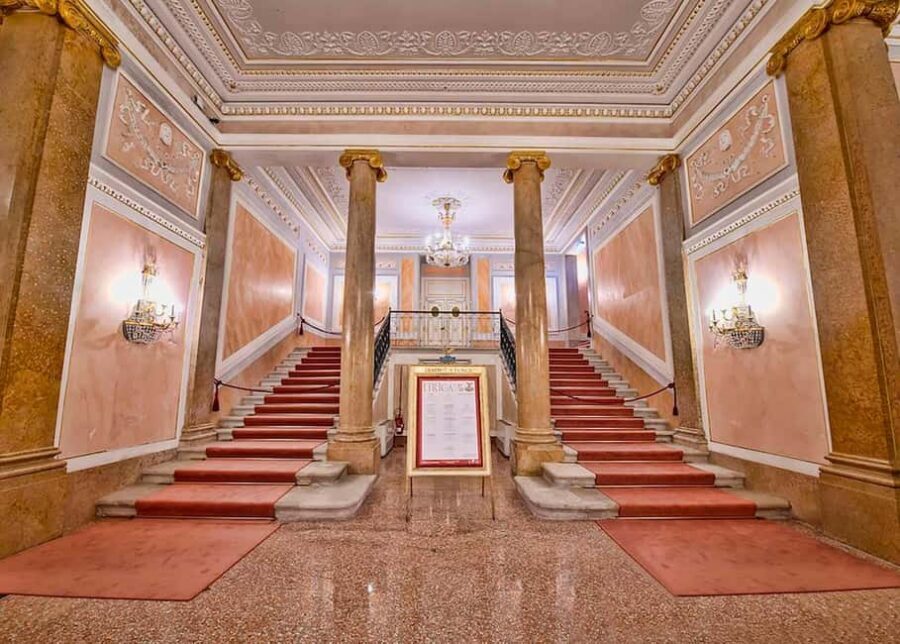
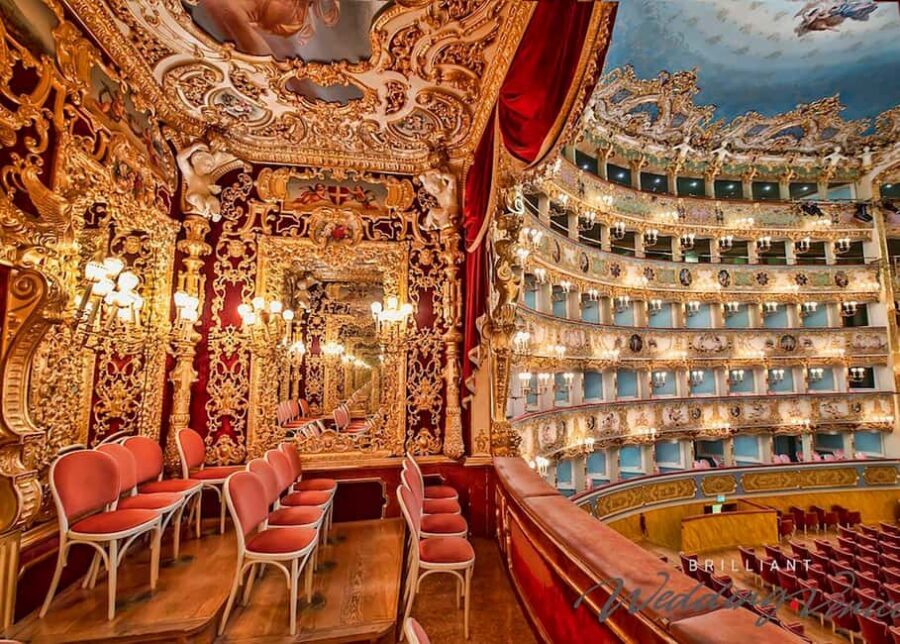
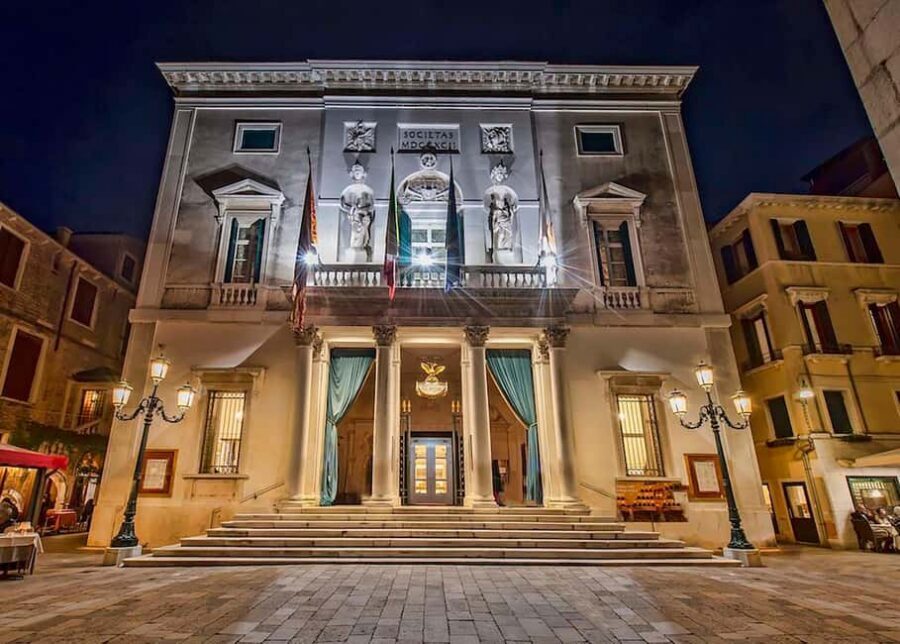
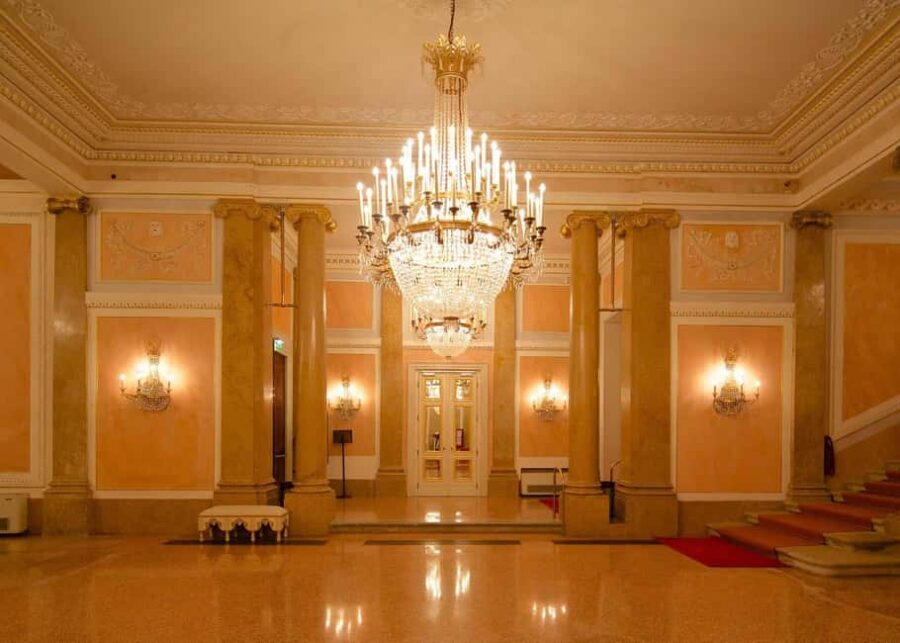
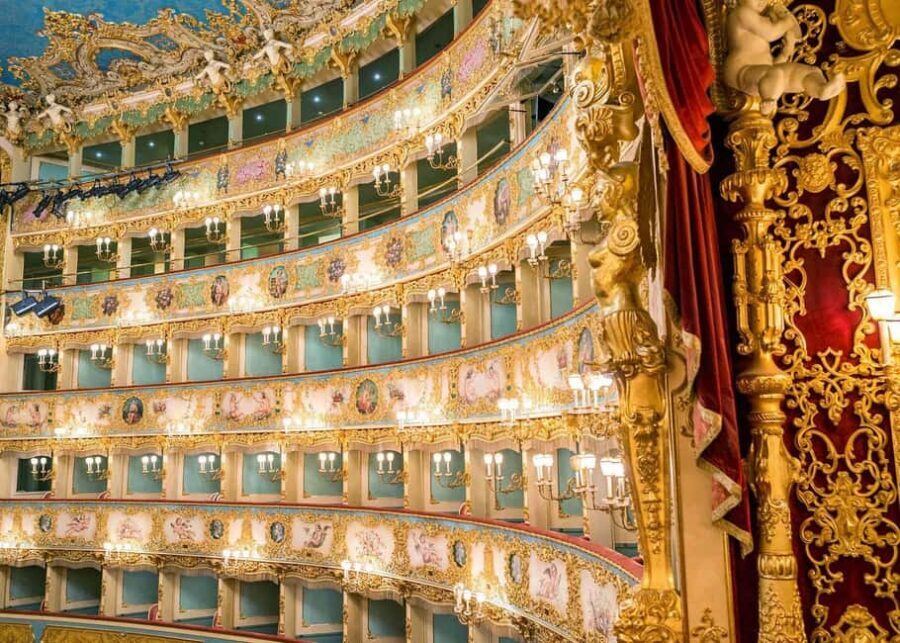
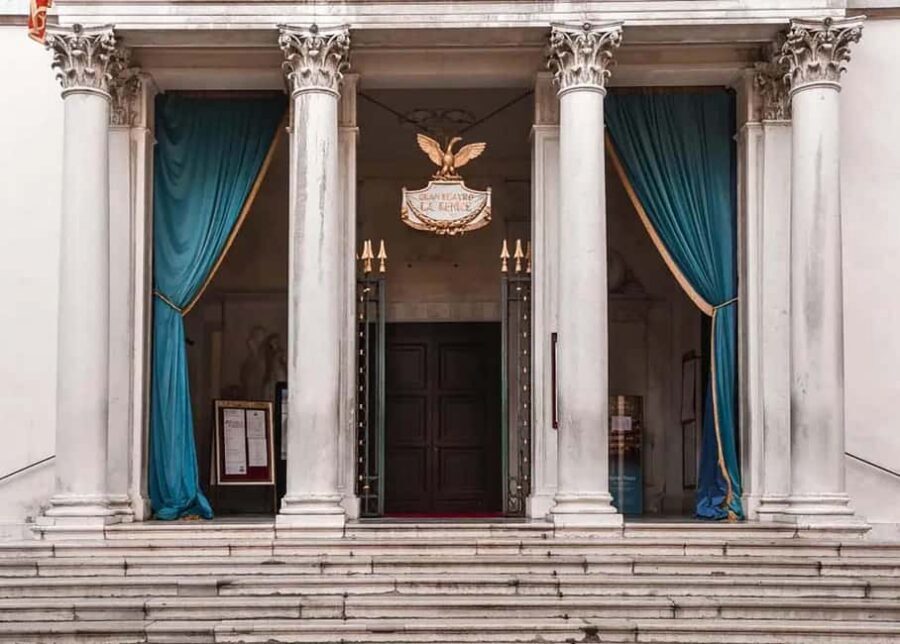
You’ll also get the basic feel of the building quickly. From the outside, the theater can seem restrained. Then you step inside and the tone changes—gilded surfaces, red velvet seating, and a large chandelier hanging over the room. It’s the kind of entrance that makes you automatically look up and around, like your brain is trying to catch up with the scale.
You can also read our reviews of more tours and experiences in Venice.



Meeting at Campo San Fantin: What to Expect Before You Ever Enter
You meet at Campo San Fantin, at the entrance to Teatro La Fenice. That’s useful because it keeps your morning or afternoon simple: you don’t need to hunt for a backstreet office or puzzle over a weird pickup point.
Here’s the practical part: the explanation happens inside the theater, not during a long pre-tour walk. That means you’re not standing around waiting for the real visit to start. Still, because it’s a shared tour, expect other people to be part of the scene when you arrive. If you like quiet moments, give yourself a minute or two to orient yourself before the guide begins.
One more detail that matters for planning: it’s English and the tour lasts about 1 hour. That time is tight enough that you’ll want to show up with your head in the right place. Don’t arrive late and then rush the experience—opera houses deserve your full attention.
Finally, bring a passport or ID card. This is one of those boring requirements that can turn into an avoidable hassle if you forget.
Going Inside: The Opulent Interior Details That Make It Worth the Ticket
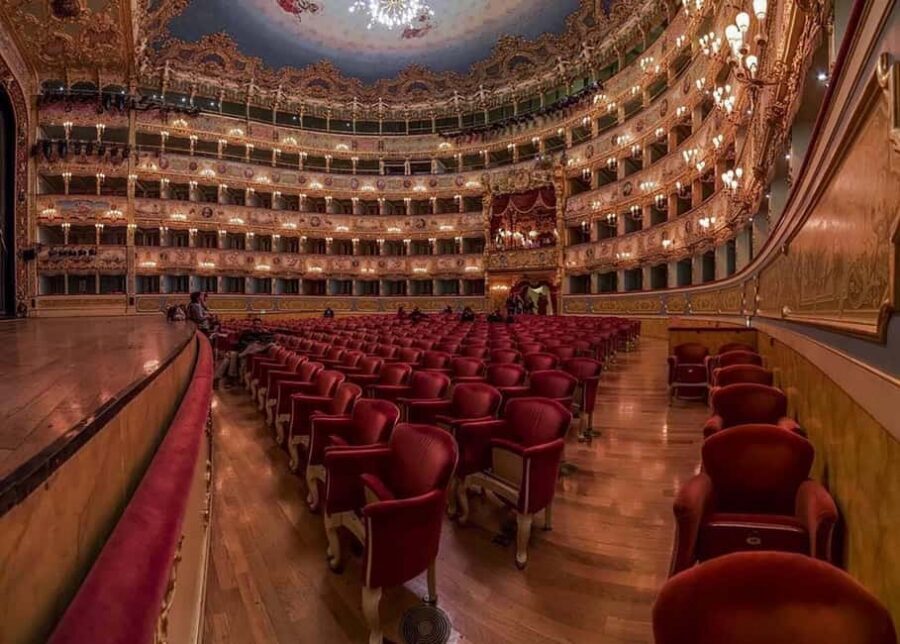
I think La Fenice works because it doesn’t depend on one single wow-factor. It stacks them. Once inside, you’re surrounded by visual cues that scream craftsmanship and status: gilded details, deep red upholstery, and that dramatic chandelier. Even if you’re not an opera superfan, your eyes will understand what kind of venue this is.
The tour also points out how the building’s design supports performance. It’s easy to walk into a theater and just think about seating. This tour nudges you to notice how the space shapes sound and audience impact, which is where La Fenice becomes more than a sightseeing stop.
And yes, the story helps. When you connect a visual detail to a real premiere, it sticks in your mind. The building feels less like set dressing and more like a machine designed for live music.
The 60-Minute Tour Flow: How the Stops Fit Together
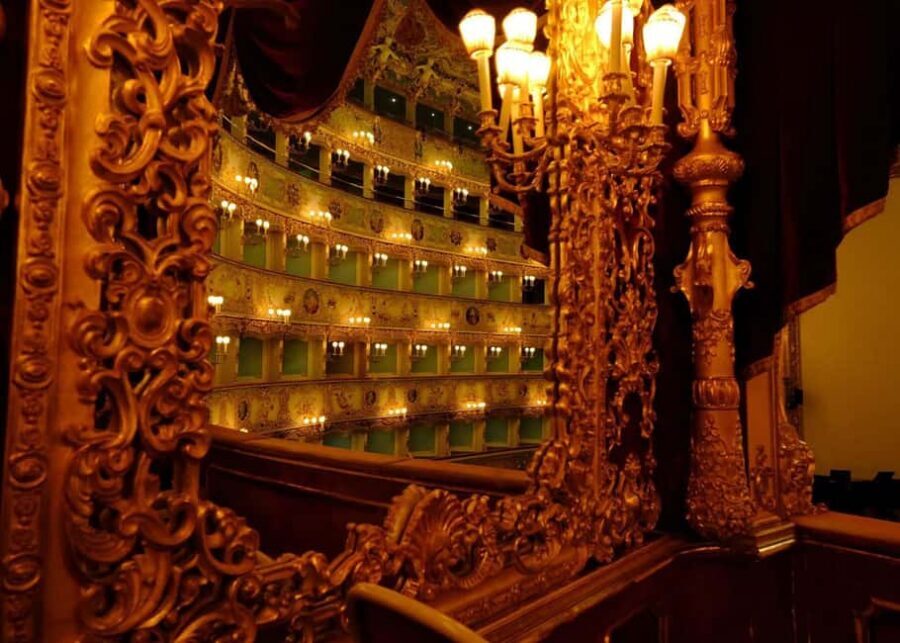
The structure of this tour is efficient. You enter, then the guide leads you through the core highlights, with the order allowed to vary at the guide’s discretion. In plain terms: don’t assume the exact sequence will be identical every day, especially with shared groups.
Still, you can count on the experience hitting three main beats during the hour:
- History and why the theater matters
- What to look for visually and architecturally
- The performance-ready side of the building, including the auditorium experience
The tour also includes behind-the-scenes insights into daily operations. You won’t get a backstage free-for-all, but you should come away with a clearer idea of how a major opera house works when it’s not holding a performance.
If you’re tempted to book something else right before or right after, I’d be cautious. It’s advisable not to pair tours with close timings on the same day, because Venice can punish tight schedules, and shared tours don’t always let you control the finish time perfectly.
Sitting in the Auditorium: Why the Acoustics Are the Big Deal
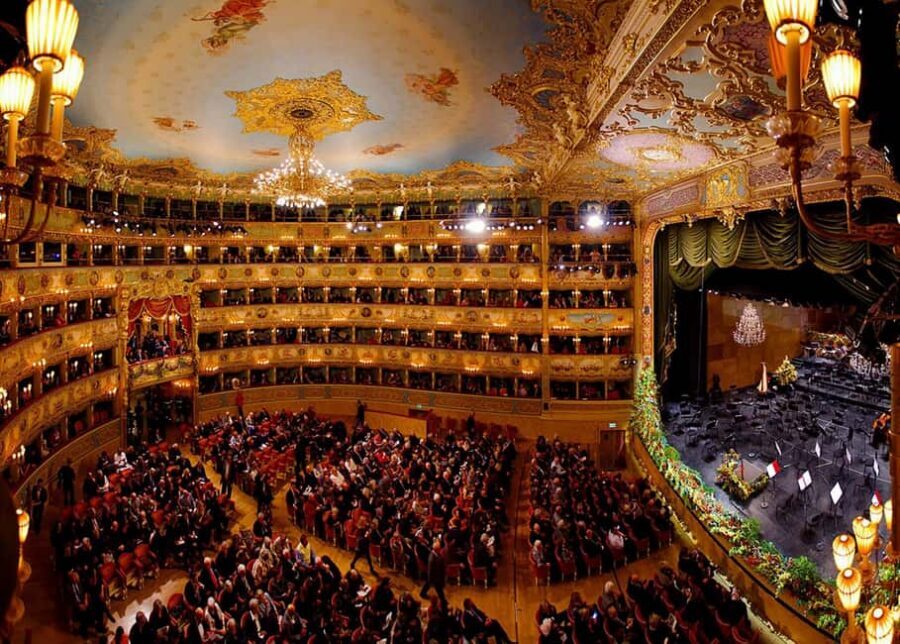
The highlight for many people is the auditorium seat time. This theater seats over 1,000 people, and the tour explains why that scale matters for the way sound travels. You’ll hear about world-class acoustics—how the room supports performers and carries sound in a way that makes the experience feel immediate.
What helps is that the tour doesn’t talk acoustics in abstract terms. It connects them to the kind of forces La Fenice hosts, including a 98-piece orchestra and a 66-member chorus. Even if you never imagine yourself hearing that exact setup, it gives you a scale reference. You start to understand why the room was built to hold that volume and complexity and still keep it readable for an audience.
When you’re sitting there during the tour, the point isn’t that you’re watching an opera. It’s that you’re learning the theater’s personality. Some venues feel dry or distant. La Fenice is described as having the kind of sound that creates a strong performer-to-audience connection. If you’ve ever loved the feeling of being surrounded by music, this is the version you’ll want.





Premieres You’ll Remember: Rossini and Bellini in One Hour
Opera fans have every reason to be excited here, because La Fenice was a major launchpad for important works. The tour highlights premieres tied to major composers—especially Rossini and Bellini.
You’ll hear about Rossini operas that dazzled audiences at La Fenice, including Tancredi, Sigismondo, and Semiramide. You’ll also connect the theater to Bellini debuts such as I Capuleti e i Montecchi and Beatrice di Tenda. The guide doesn’t just list titles; the value is in understanding why these premieres mattered to Venice and why this venue gained its reputation.
Here’s the practical payoff for you as a visitor: once you learn these names in a real place, you’re more likely to recognize them later if you read program notes for an opera elsewhere in Italy—or even if you watch recordings at home. It turns abstract composer history into a mental map.
The tour also touches on how La Fenice kept moving forward. It places special emphasis on contemporary works and mentions major modern premieres, including Stravinsky’s The Rake’s Progress and Britten’s The Turn of the Screw. That detail matters because it prevents the tour from feeling like a one-way trip to the past.
The Fires and Rebuilds: Why the Phoenix Theme Feels Personal
The phoenix story isn’t just a slogan. You’ll learn about the theater being destroyed by fires in 1836 and 1996, then reconstructed again each time. That’s a huge part of why the theater still carries emotional weight.
I like when a tour treats history as something that shapes the present, not just something you recite. Here, the fire-and-rebuild narrative explains why La Fenice continues to function as a serious opera house rather than becoming a relic. It also helps you appreciate the audience experience as something that survived near-disaster.
When you connect that resilience to the gilded interior and the carefully tuned auditorium, it makes the building feel earned. Venice didn’t just preserve beauty; it rebuilt it.
Who Leads the Tour: The Difference Between a List and a Story
A good guide is the whole point of a one-hour tour. This one is praised for guides who keep things moving and make the material land. One guide name that comes up is Alberto, noted for being well paced and for giving plenty of detail.
For your decision-making, this matters because La Fenice has a lot going on fast: architecture, theater mechanics, premieres, and a timeline with fire disasters. If the guide rushes, it turns into a blur. If they pace it well, you walk out feeling like you actually learned something useful.
You also get a live English guide, which is important for a place like this where the best parts are often in the explanation, not just in visuals.
Price and Value: Is $77 Worth It?
At $77 per person and 1 hour, you’re paying for a curated, guided experience inside one of the world’s best-known opera houses. There’s no transportation included, and food and drinks aren’t included either, so plan on spending only for the tour itself.
So what makes the price feel fair?
- You get entrance plus a professional guide (not just a self-guided pass).
- You get a compact tour of a major venue, including the parts that usually take much longer to explore properly.
- You learn the premiere connections (Rossini and Bellini) and the modern continuity (Stravinsky and Britten), which makes your visit more than a photo stop.
What might make it feel expensive for you?
- If you’re only interested in taking pictures and don’t want any context, you may not use the guide’s time to its full value.
- If you want a long, slow exploration without group pacing, a shorter shared tour may feel limiting.
In Venice, one big rule applies: time is precious. For many people, this is a good way to get high cultural value without sacrificing your whole day.
Planning Tips That Keep This Tour Stress-Free
A few details will help you have a smoother experience:
- Don’t stack tours too tightly. Keep your schedule flexible.
- Bring ID (passport or ID card).
- Use a WhatsApp number when booking, because support will contact you after you reserve.
- Expect itinerary variation. The order can change depending on the guide.
Also, the tour is not suitable for wheelchair users. If accessibility is a concern, you’ll need to look for another option.
Should You Book This Teatro La Fenice Tour?
You should book if:
- You want one focused stop that combines architecture, history, and the science of sound in just an hour.
- You care about opera context—especially Rossini and Bellini—and want those names tied to a real stage.
- You like guided pacing and a structured visit rather than wandering alone.
You might skip or reconsider if:
- You only want a quick exterior-and-photos stop.
- You prefer private, slow-paced tours where nothing is shared and the schedule is entirely yours.
- You need wheelchair accessibility.
If you fit the first group, this is a strong buy. It’s not trying to do everything in Venice; it’s trying to make one iconic place make sense in a short time. That’s exactly the kind of value that works well when your days are already packed.
FAQ
Where is the meeting point for the Teatro La Fenice tour?
You meet at Campo San Fantin, at the entrance of Teatro La Fenice.
How long is the tour?
The tour lasts about 1 hour.
How much does the tour cost?
It costs $77 per person.
Is transportation included from my hotel?
No. Transportation from/to the hotel is not included.
What’s included in the price?
Your ticket includes a professional guide and entrance to the theater.
What language is the live guide?
The guide provides the tour in English.
What should I bring with me?
Bring a passport or ID card.
Is this a private tour?
No, it’s a shared tour.
Is the tour refundable if I cancel?
Yes. Free cancellation is available up to 24 hours in advance for a full refund.
Is the tour wheelchair accessible?
No. It is not suitable for wheelchair users.