REVIEW · VENICE
Venice: Scuola Dalmata di San Giorgio e Trifone Audioguide
Book on GetYourGuide →Operated by lineadacqua edizioni · Bookable on GetYourGuide
Phone audio makes this Venice stop easier. The Scuola Dalmata di San Giorgio e Trifone audioguide is built for wandering at your own pace, starting from the Sala Terrena and moving room to room while hearing what you’re looking at. I like the painting-first guidance (you get the story behind works such as Saint George Slaying the Dragon and The Vision of Saint Augustine), and I like that it’s meant to work hands-free on your phone. The one drawback to plan for: a few people report link or code confusion, so I’d sanity-check access before you arrive.
This digital guide is positioned as web-based, so your smartphone plus browser is the whole setup. You’ll also get the Scuola’s background, plus the life of Vittore Carpaccio, with audio available in Italian, English, and French for up to 8 hours from the first activation.
Keep in mind the museum ticket is not included, so you’ll still need to buy entry at the ticket office on the left when you reach Calle dei Furlani, 3259a. On the plus side, the activity is listed as wheelchair accessible, and you’ll just need headphones and a charged phone.
In This Review
- Key things to know before you go
- What the Scuola Dalmata audioguide gives you (and what it doesn’t)
- Getting started at Calle dei Furlani: ticket office and phone setup
- Sala Terrena to the rooms: how the walk is structured
- The paintings you’ll hear about: what to look for as you walk
- Saint George Slaying the Dragon
- Saint Tryphon and the Basilisk
- The Vision of Saint Augustine
- How Vittore Carpaccio fits in
- Language, timing, and the “8 hours from activation” rule
- Price and value: $3.40 audioguide plus €6 entry
- The one risk to plan around: link or code confusion
- Who this works best for (and who might skip it)
- Should you book this audioguide?
- FAQ
- Is the museum entry ticket included?
- Where do I access the audioguide on my phone?
- How long is the audioguide valid?
- Which languages are included?
- What should I bring with me?
- Is it wheelchair accessible?
- What time does the experience end?
- Is free cancellation available?
Key things to know before you go

- Self-paced route from Sala Terrena so you can linger where the paintings catch your eye
- Phone-based multimedia guide meant to start right from your browser
- Clear art stop points tied to specific works like Saint Tryphon and the Basilisk
- Vittore Carpaccio coverage alongside the Scuola’s own story
- 8-hour window from first activation so plan your timing when you start the guide
- Ticket cost on top since entry to the museum is €6 and not included
What the Scuola Dalmata audioguide gives you (and what it doesn’t)
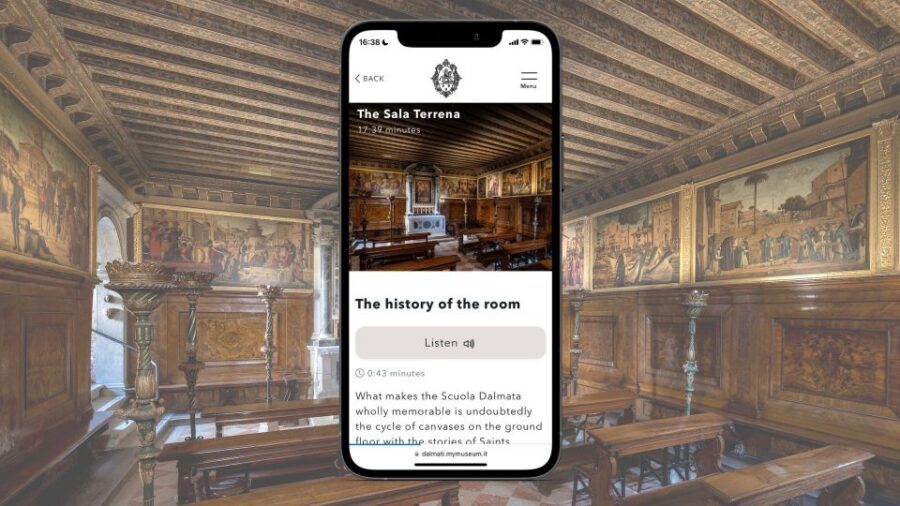
This is not a guided tour with a person leading you. It’s a digital, web-based audioguide for the Scuola Dalmata di San Giorgio e Trifone—often associated with the name degli Schiavoni—so you control the pace.
What you do get is instruction and context while you’re standing inside the museum rooms. The guide is designed to move you through the experience starting at Sala Terrena, then continuing room by room as you learn about the Scuola and the key art you’re seeing.
What it doesn’t include: the museum entrance ticket. The guide is priced separately (listed at $3.40 per person), while museum entry is €6 at the ticket office. That split matters because the “value” depends on how you want to spend your time in Venice. If you’re already planning to visit the Scuola anyway, a low-cost phone guide can be a smart add-on. If you were hoping to get one price that covers everything, you’ll want to budget for entry.
Also, this runs on your smartphone browser, not a separate app you install. That sounds simple, and it can be great—until your phone browser doesn’t cooperate. I’ll show you exactly how to avoid the common “where is the link” type of problem later.
You can also read our reviews of more tours and experiences in Venice.



Getting started at Calle dei Furlani: ticket office and phone setup

You’ll start at Calle dei Furlani, 3259a. When you arrive, the ticket office is at the entrance of the building, on the left.
Here’s the practical move: buy your museum ticket first (since it’s separate), then focus on getting the audioguide running. If you wait and try to troubleshoot access while standing in a queue, you’ll lose time and patience.
To reach the guide, use the link provided for the audioguide:
https://dalmati.mymuseum.it/
You’ll want two things ready before you tap anything:
- Headphones (so you’re not competing with other sound in the rooms)
- A charged smartphone (the guide is web-based and you’ll be walking around)
One more timing detail: the digital guide is valid for 8 hours from first activation. That means if you start the guide too early—like before you’re actually inside and ready to look at the paintings—you’ll burn your time window.
Sala Terrena to the rooms: how the walk is structured
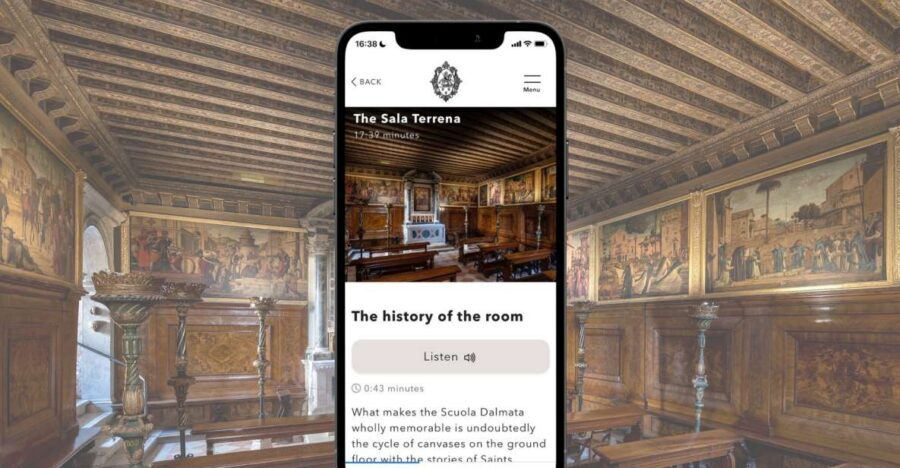
The guide is built around an easy flow: start in Sala Terrena, then follow the rooms in sequence at your own pace. Instead of rushing through and hoping you catch the context, you can take the museum step by step.
In a small-to-medium museum like this, that control is valuable. Venice is busy. You’ll probably do other sights that day. Being able to pause, step closer to a work, and then replay the audio in your own rhythm makes the visit feel less like a checklist and more like an actual experience.
As you move through, the audioguide focuses on:
- The story of the Scuola Dalmata di San Giorgio e Trifone
- The life of Vittore Carpaccio
- Painting descriptions, including what to look for and what the scene is communicating
The end result is that you don’t just see art—you understand what the guide wants you to notice. That turns a “nice room” into a “now I get it” moment.
The paintings you’ll hear about: what to look for as you walk
The most useful part of a self-guided audio visit is when it tells you what matters in the art. This guide does that with specific works you’ll encounter as you progress through the rooms.
Here are the painting stops listed in the experience description, and how to use them:
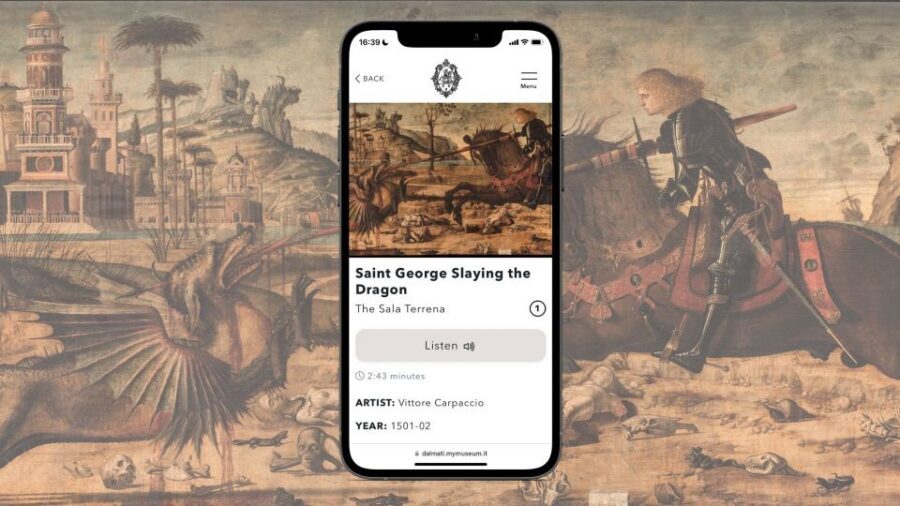
Saint George Slaying the Dragon
This is the kind of subject where details can get lost if you only glance. Use the audio cue to slow down. When the guide starts describing the scene, look for the main action first, then check surrounding elements—because the audio is meant to add meaning to what’s on the canvas, not just repeat the obvious.






Saint Tryphon and the Basilisk
This one is especially good for a self-paced experience. Audio helps you track symbolism and story beats while you’re standing still. If you’re the type who likes to look, then read, then look again, this is your moment to do that without feeling rushed.
The Vision of Saint Augustine
If you’re paying attention to architecture or religious art in Venice, this title is a helpful anchor. When the guide speaks, let it guide your eyes. Don’t force yourself to memorize everything; just pick up the key idea and notice how the painting delivers it visually.
How Vittore Carpaccio fits in
The guide is also meant to cover the life of Vittore Carpaccio, tying the museum experience to a major name in Italian painting. You don’t need to be an art expert to benefit. The audio is there to translate context into something you can grasp while you’re looking.
Language, timing, and the “8 hours from activation” rule
Audio guides are often annoying because they force you to start at the wrong moment. Here, the rule is straightforward: the guide is valid for 8 hours from first activation.
That’s good for planning, but it means you should activate it when you’re ready to start walking through the museum rooms. If you do it outside or at the door “just to check,” you can easily eat your time window.
Language options are listed as:
- Italian
- English
- French
So you can pick what you’ll actually enjoy listening to. If you’re comfortable in English, that’s usually the best bet for staying focused. If you’re trying to practice, French or Italian can add a fun extra layer—without making the meaning harder to follow.
Price and value: $3.40 audioguide plus €6 entry
Let’s talk value like a realist.
You’re paying $3.40 per person for the digital audioguide portion. The museum entry ticket is €6, and it’s not included.
So your all-in cost isn’t just the guide price. It’s more like: guide + entry. Whether that’s “worth it” depends on what you want from the visit.
Here’s the value logic that makes sense:
- If you want self-paced context and you like learning while you look, a low-cost phone guide is often a good deal. You get specific painting guidance and Scuola background.
- If you mainly want a quick walk-through with no audio and you don’t care about the meaning, you might feel the extra cost isn’t doing much for you.
Also, this is listed as wheelchair accessible, so the experience is structured to be visitable even if you don’t move fast through the rooms.
The one risk to plan around: link or code confusion
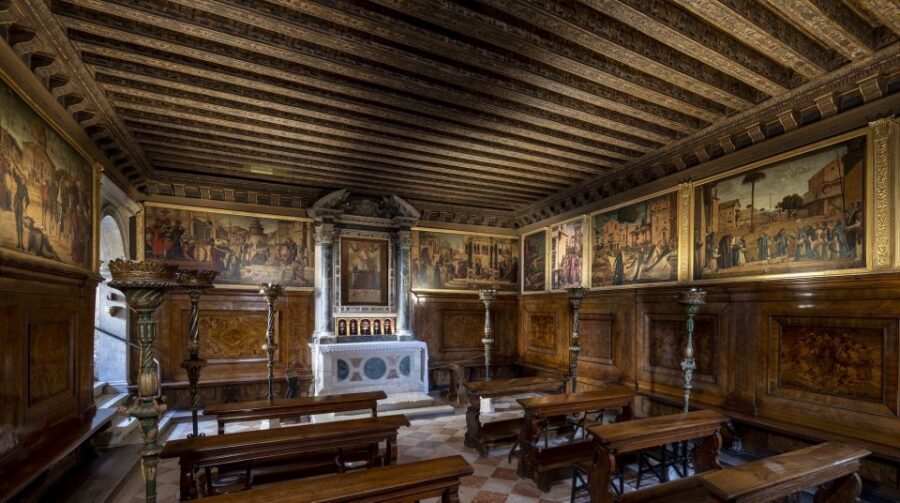
The biggest practical caution comes from the fact that people have had trouble locating the audioguide link or getting it to work after receiving access details. I can’t tell you which exact step will fail for you, but I can tell you what to do to reduce the odds.
Try this before you head into the museum:
- Open https://dalmati.mymuseum.it/ on your phone while you’re still outside.
- Make sure the site loads and you can see the place where audio starts.
- Confirm you can play audio with headphones.
Then, once you’re at the Scuola, you’re not starting from scratch. You’re just switching from “testing” to “listening.”
And if the site does not cooperate on your phone, have a simple backup mindset: either switch to a different browser on your device (if you can) or at least be ready to get help at the entrance ticket area. The ticket office is there for ticket questions, and you’ll be at the right location anyway.
This kind of prep doesn’t take long, and it can save you from turning a calm museum visit into a frantic phone hunt.
Who this works best for (and who might skip it)
This audioguide fits best if you like:
- Self-paced museum time, not a tight group schedule
- Art explanations while you’re standing in front of the work
- A phone-based format you can control without waiting for a person
You might skip it if:
- You hate any tech setup during your trip
- You’re visiting only for quick sightseeing and you don’t care about captions or story context
- You rely on offline-only plans (because this guide is described as web app-based)
It also suits travelers who want a targeted experience. The guide has specific painting titles and a clear starting point at Sala Terrena, so you won’t feel lost.
Should you book this audioguide?
If you’re planning to visit the Scuola Dalmata di San Giorgio e Trifone anyway, I’d lean yes—because for the price of a few coffees, you’re buying context while you look. The idea of starting at Sala Terrena and getting guided descriptions for works like Saint George Slaying the Dragon and The Vision of Saint Augustine is exactly how audioguides should work: practical, pointed, and meant to help your eyes do the right thing.
But don’t be casual about the setup. Because some people reported access/link trouble, your best move is to test the link in advance on your phone, and only then buy museum entry.
If you want a museum visit you can control, this is a good match. Just bring headphones, charge your phone, and do a quick link check before you step inside.
FAQ
Is the museum entry ticket included?
No. The museum ticket is not included. You can buy entry at the ticket office at the entrance, on the left. The standard price listed is €6.
Where do I access the audioguide on my phone?
Use this web link on your smartphone browser: https://dalmati.mymuseum.it/
How long is the audioguide valid?
It’s valid for 8 hours from the first activation.
Which languages are included?
The audioguide is listed as available in Italian, English, and French.
What should I bring with me?
Bring headphones and a charged smartphone (since you’ll use the digital audioguide on your phone).
Is it wheelchair accessible?
Yes, the activity is listed as wheelchair accessible.
What time does the experience end?
The activity ends back at the meeting point.
Is free cancellation available?
Yes. Free cancellation is listed as available up to 24 hours in advance for a full refund.