REVIEW · VENICE
Your evening in Venice – Legends&Ghosts&Aperitif
Book on GetYourGuide →Operated by ANDREAPAOLO BARBINI TOUR LEADER · Bookable on GetYourGuide
Venice feels different after dark. This 3-hour night walk puts you with Andrea Paolo Barbiini in the neighborhoods locals actually use, then slips you into a very old Venetian osteria for lagoon seafood cicchetti and aperitivo. I especially like the way you get context for what you’re seeing, including bridge-name and plaque details, and then you’re rewarded with food that fits the setting, not a tourist trap. The one catch: there’s no full dinner included, so if you want a proper sit-down meal you’ll pay extra.
Two things I love are the contrast between touristed Venice and Cannaregio after the day crowds thin, and the chance to taste cikketti at an authentic osteria rather than just grabbing snacks on your own. You should also know the focus is walking through older parts of town and learning as you go, so it’s not the kind of tour where you can rest every few minutes.
If you’re the type who wants Venice beyond Rialto and St. Mark’s—where people still live on the edge of the lagoon—this is a great way to spend your evening.
In This Review
- Key highlights worth planning for
- From Fondamente Nuove to a locals-only Venice vibe
- Cannaregio at night: where the city breathes
- Gondola craft and Carnival clothing: seeing work, not just sights
- The Jewish Ghetto walk: history you can actually feel
- The “residents city place” stop: why Venice is more than monuments
- Skip-line osteria time: lagoon seafood cicchetti, done simply
- A quick note on what’s included vs extra
- Aperitivo choices: spritz, wine, prosecco, plus the simple options
- Optional dinner at Osteria Casa Bonita: good if you still have energy
- Price and what $59 buys you in real terms
- Who this tour is best for (and who should skip it)
- Should you book this Venice evening walk?
- FAQ
- What time does the tour start, and where do we meet?
- How long is the experience?
- Is aperitivo included, and what can I choose?
- Is dinner included in the price?
- What food will I try during the tour?
- Is the tour suitable for food allergies?
- Does it run in English, and what about the group size?
Key highlights worth planning for
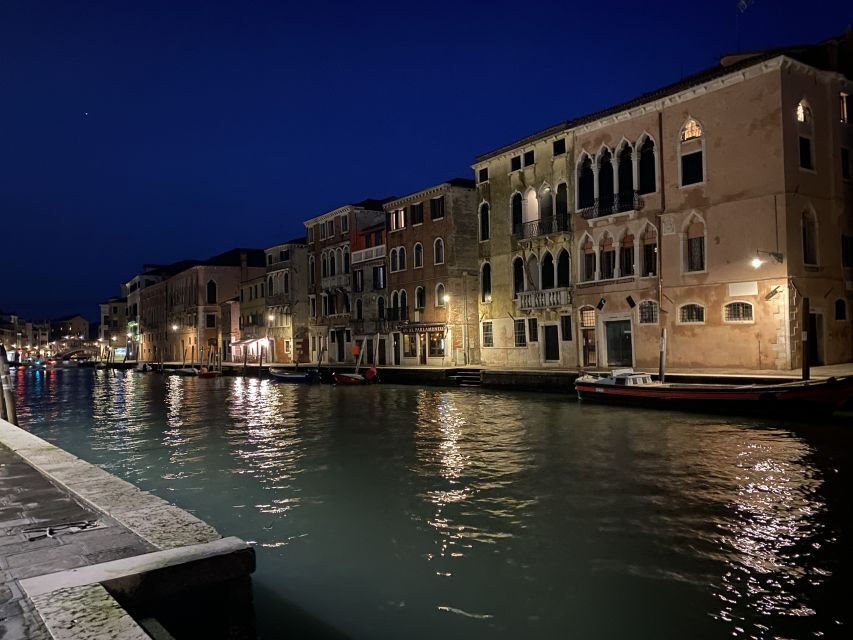
- Fondamente Nuove 6:30pm start: a dusk stroll that helps Venice feel less staged
- Small group (up to 10) with an English-speaking guide, so questions actually work
- Jewish Ghetto walk in one of the oldest districts still connected to Jewish Venice
- Cannaregio locals-first vibe: you’ll see where the city eats, drinks, and chats
- Skip-line osteria stop for lagoon seafood cicchetti (cikketti) and wine or spritz
- Gondola craft details: you’ll see one of the last gondola-related workshops in operation
From Fondamente Nuove to a locals-only Venice vibe
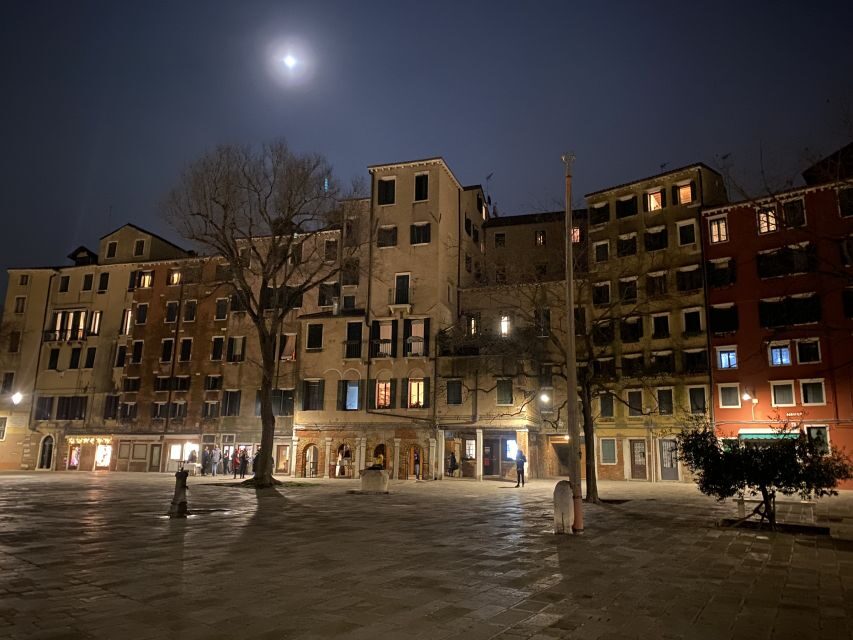
You start at Fondamente Nuove (Gate B) around 6:30pm. It’s an easy meeting point to reach via the waterbus network, and arriving 5–10 minutes early helps you start on time.
Then the evening begins in earnest: the guide sets the tone with stories and details that make the streets feel lived-in, not museum-like. This is the part of Venice where you don’t just photograph buildings—you notice why certain places matter, how locals move through the city, and what still survives when the tourist routes go quiet.
If you like the feeling of getting your bearings fast, this tour helps. You’re walking as the city lights up, and the guide points out street-level things you’d usually miss unless someone shows you where to look—like the meanings behind names on plaques and bridge references.
You can also read our reviews of more evening experiences in Venice


Cannaregio at night: where the city breathes
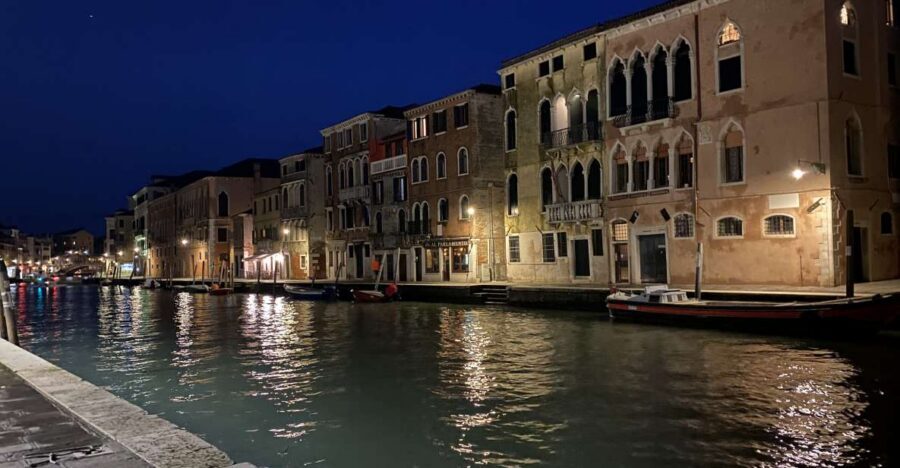
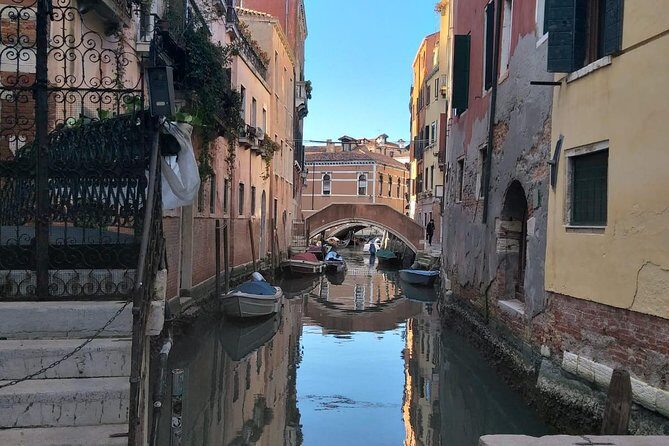
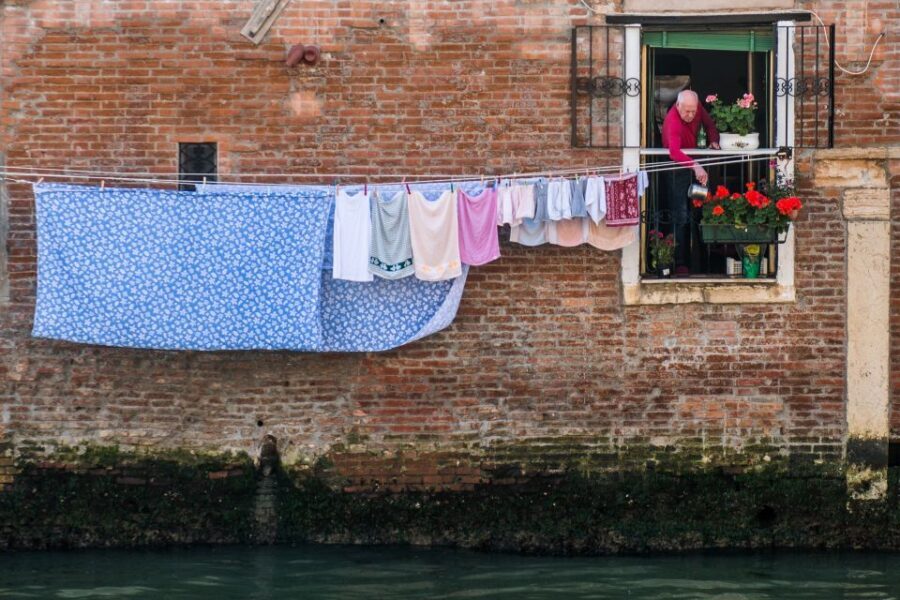
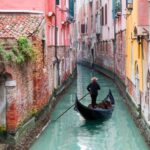
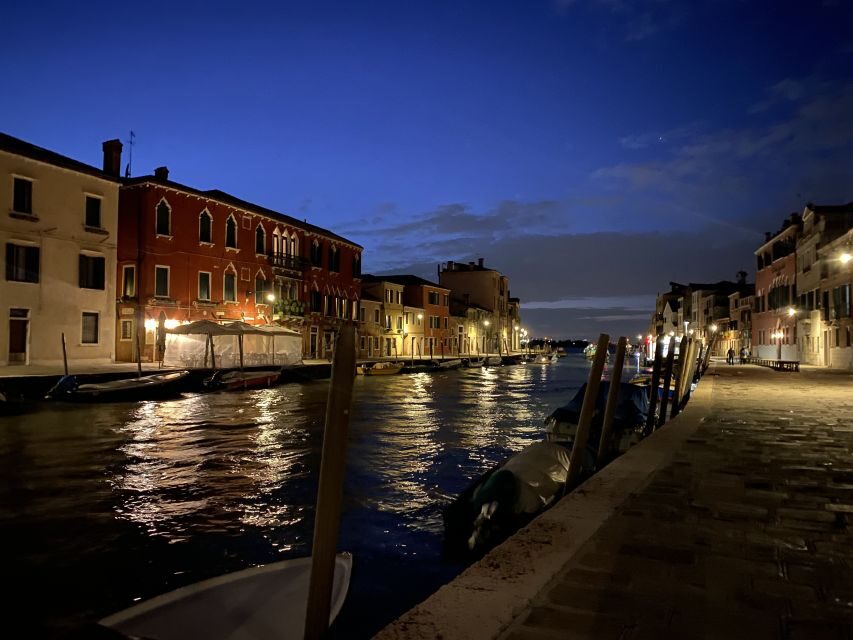
The route leans hard into Cannaregio, one of Venice’s most “real-feeling” districts. This is where you’ll sense the everyday rhythm: balconies, canal views, and the kind of lanes that don’t exist for cruise-shoppers.
The tour frames this part as a look at the city as locals know it. The guide also points toward the idea that some of the most important Venice isn’t in the big, famous squares—it’s in the quieter areas where daily life and tradition keep running.
One practical upside: evening walking in Cannaregio often feels calmer than the center. You’re still in Venice, but the atmosphere can be more conversational, which makes the later aperitivo stop feel like it fits rather than interrupts.
Gondola craft and Carnival clothing: seeing work, not just sights
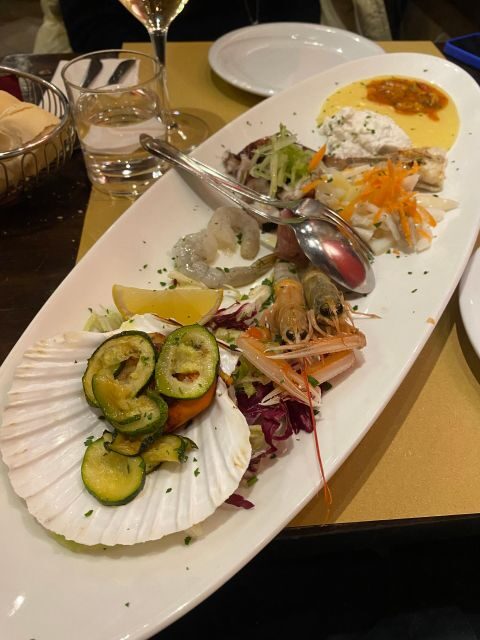
Venice is famous for gondolas, but this experience adds the production side. You’ll see a gondola-related factory/workshop, described as one of the last five, where a family still makes gondola craft and Carnival clothes.
That matters because it shifts your mental picture from Venice-as-postcard to Venice-as-industry. The same city that looks fragile on the surface relies on real trades—skills passed down, stitched together, and kept alive by people who still show up for work every day.
Even if you’ve seen gondolas before, this stop gives you a different angle. You start thinking about who makes the iconic things you only notice from the water, and why Venice still needs craftsmen as much as it needs canals.
The Jewish Ghetto walk: history you can actually feel
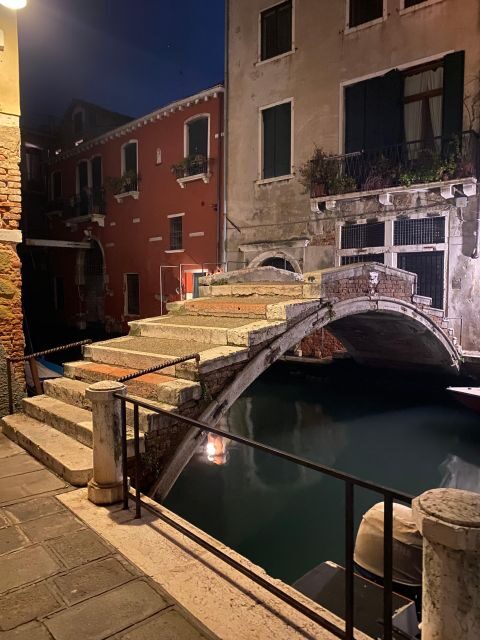
You’ll stroll through the oldest Jewish district in the world, the Venice Jewish Ghetto. This is one of those places where the stone and streets aren’t just scenic—they’re part of a long, complex story.
The guide focuses on meaning, not just dates. You’ll also get time around the district’s religious landmarks, and in particular, the tour can include moments that feel respectful and emotional—like passing near synagogues and understanding why this area is central to how Jewish life shaped Venice.
What I like about this segment is the pacing. It’s not a sprint to the next landmark. You’re walking through a real neighborhood fabric, and the guide helps you connect it to how Venice works and who the city has been, not just what it looks like.
The “residents city place” stop: why Venice is more than monuments
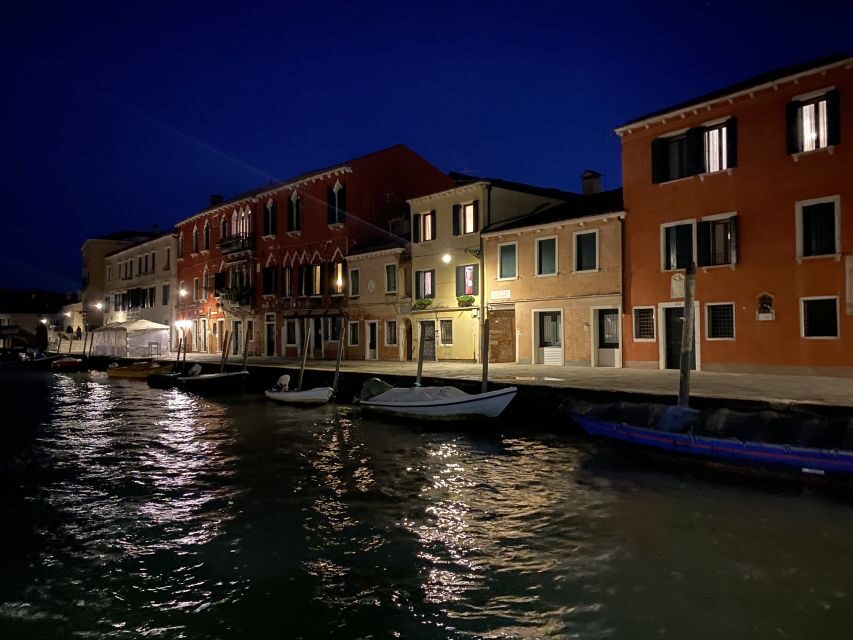
A big theme here is living Venice. The tour includes a visit to a spot the guide describes as a place where the last Venetians now live—an idea that pushes back on the common Venice script where everyone stays briefly and moves on.
In practice, this is your moment to slow down and understand the difference between tourism Venice and local Venice. You’ll get explanations that help you see how traditions and daily life are still happening, just tucked behind the busier areas.
This is also where you can start noticing small signals: where people gather, what they eat, how they use the city spaces, and how “ordinary” life keeps Venice from becoming a theme park.



Skip-line osteria time: lagoon seafood cicchetti, done simply
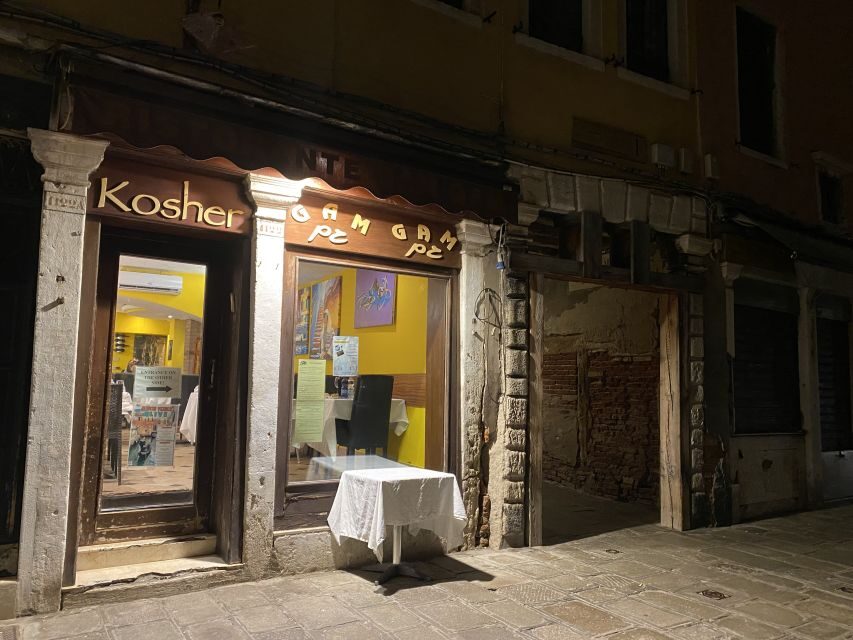
After the walking portion, you head to a very old Venetian osteria—access described as skip-line. That’s a small but meaningful perk in Venice, where waiting can eat into your evening and where lines often form right when you’re hungry.
The food focus is lagoon seafood cuisine, served in the form of Venetian tapas called cikketti. Think variety and small plates, not a single heavy dish. You’re tasting the lagoon’s flavors in the way Venetians tend to: bite-sized, shareable, and built for conversation.
This stop also feels tied to the theme. You’re not eating in the middle of nowhere, and you’re not eating far from the neighborhoods you just walked through. The osteria choice supports the point of the evening: Venice at ground level.
A quick note on what’s included vs extra
The osteria experience is built around the cicchetti and aperitivo. Dinner is not included. If you want a fuller sit-down meal, there’s an optional extra later, and costs depend on what you order.
Aperitivo choices: spritz, wine, prosecco, plus the simple options
A key value piece is that the tour ends with an aperitivo time choice. You can select from:
- Spritz
- White wine
- Prosecco
- Coca cola
- Water (natural or sparkling)
If you choose spritz, the details matter. The spritz uses local Veneto white wines—like Pinot Grigio, Soave, or Prosecco—and the bitter liqueur can include Aperol, Gran Classico, Select, Campari, or Cynar. The guide also notes that if you order without specifying the bitter, you might get a spritz made with Select.
Prosecco here is the DOCG style from Valdobbiadene. That’s useful because it’s a specific region and a specific category, not just any cheap sparkling wine. You’re paying attention to the right thing without having to become a wine expert.
Practical tip: if you’re hungry after the walk, the cicchetti pairing is where the evening makes sense. Aperitivo works best when you’re ready to nibble—not when you’re waiting for a big dinner.
Optional dinner at Osteria Casa Bonita: good if you still have energy
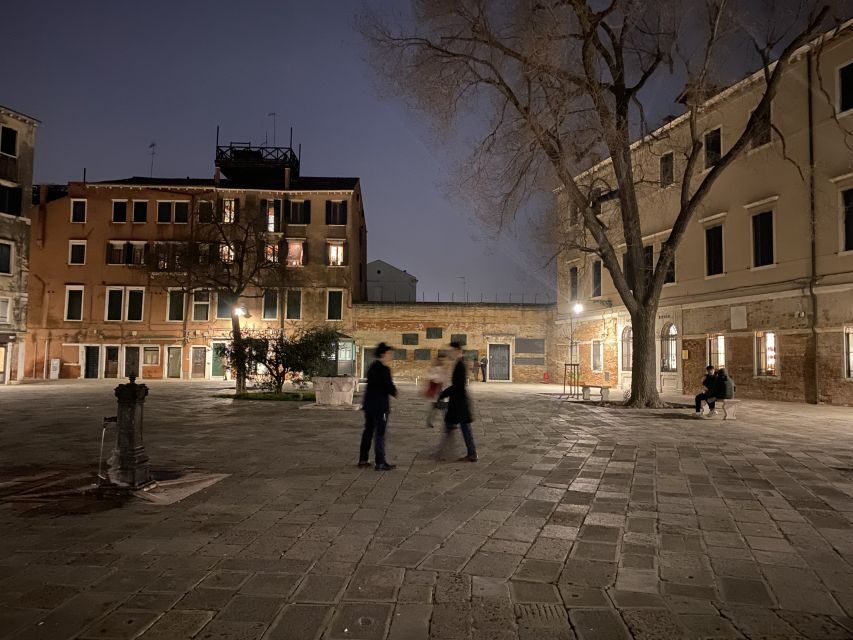
At the end, there’s an optional, non-mandatory dinner stop at Osteria Casa Bonita for anyone who wants to keep going. The menu focus stays on lagoon seafood, and you can eat in good company with the rest of the group.
Pricing isn’t one single fixed number, but the data you’re given indicates fish dinner starts from around 10 euros per person, and another dinner approach is mentioned as starting around 15 euros for couple-sharing. Because ordering varies, I’d treat this as a “start-from” guide rather than a promise.
This is also a good moment for social time. The walk gives you context; the dinner (optional) gives you the relaxed ending.
Price and what $59 buys you in real terms
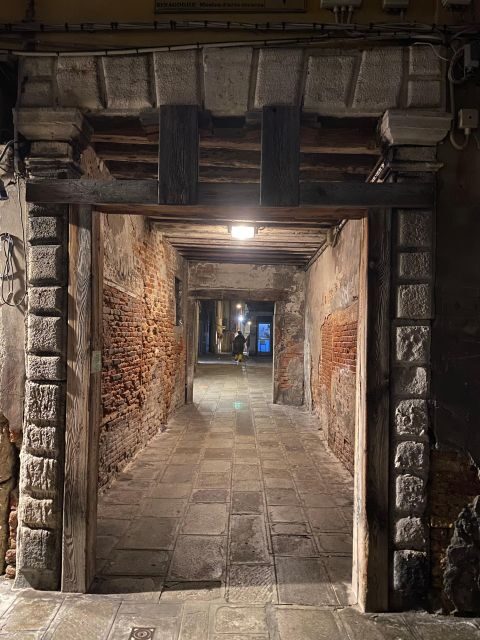
For $59 per person, you’re buying three things that usually cost separate money in Venice:
1) Guided storytelling and walking time (3 hours, with a small group)
2) A guided cultural route through districts most day-trippers skip
3) Aperitivo plus cicchetti at an osteria, which is where the food value really shows
You’re not paying for a big plated dinner that might feel overly heavy or overly touristic. Instead, you’re paying for an evening that matches how Venetians often eat and drink: small bites, drinks, and lots of talking.
If your plan is to add a separate dinner later, yes, you’ll likely spend more. But if you like sampling and prefer to control your total bill, this setup can feel like better value than an all-in “tourist meal” you don’t actually want.
Who this tour is best for (and who should skip it)
This works especially well for you if you:
- Want a locals-first look at Venice, not just major sights
- Like seafood and are open to trying cicchetti in an osteria setting
- Enjoy guided walking with stories, jokes, and street-level detail
- Appreciate a small group where the evening feels personal
It may be a poor fit if you have food allergies, since the tour is not stated as suitable for allergies. Also, if you strongly prefer a sit-down meal included in the price, the “aperitivo + cicchetti” approach may feel lighter than you hoped.
Should you book this Venice evening walk?
I’d book it if you want Venice to feel like a city again. This tour blends three things that click together: neighborhoods with real residents, a stop tied to Venetian food culture, and a guide who can make details land.
Skip it if you want a long, full dinner at a set menu price. And if food allergies are part of your needs, don’t risk it.
If you’re comfortable with a dusk walking plan and you love the idea of ending with drinks and lagoon seafood snacks, this is one of the better “evening value” options in Venice.
FAQ
What time does the tour start, and where do we meet?
You meet at 6:30pm at the Fondamente Nuove stop (Gate B). Aim to arrive about 5–10 minutes early.
How long is the experience?
The total experience is listed as 3 hours. The walking time is roughly 6:30pm to 8:00pm, depending on the flow of the evening.
Is aperitivo included, and what can I choose?
Yes. In the end of the tour you can choose among spritz, white wine, Prosecco, Coca cola, or water.
Is dinner included in the price?
No. Dinner is optional. There is a non-mandatory dinner offer at Osteria Casa Bonita after the main experience.
What food will I try during the tour?
At the osteria stop you’ll taste lagoon seafood cuisine served as cikketti (Venetian tapas/snack-style bites).
Is the tour suitable for food allergies?
No. The tour is listed as not suitable for people with food allergies.
Does it run in English, and what about the group size?
The tour is guided in English, and it’s a small group limited to 10 participants.