REVIEW · VENICE
Create Your Own Murano Glass: Beginner’s Glassblowing Class
Book on Viator →Operated by Wave Murano Glass · Bookable on Viator
Making glass in Murano is hands-on history, not a show. I love the small-group setup (max 4 people), which keeps coaching close and stress low. I also like how the class builds skill in stages, from movement drills to working with hot glass around 1000°C. The big catch is that this is physical and hot. If you get rattled by extreme heat or you’re not comfortable with demanding activity, you’ll probably prefer a simpler Murano tour.
You’ll spend about 2 hours in the workshop, then your piece needs time to anneal overnight. That means most people plan to return next day to pick it up, or arrange shipping for an extra fee.
In This Review
- Key things I’d zero in on before you book
- Why this Murano beginner class feels different from a typical factory stop
- Step-by-step training: from hand drills to 1000°C molten glass
- Step 1: movement drills with no glass
- Step 2: exercises with hot glass
- Step 3: blow your own Murano piece
- What you actually make, and what that means for your expectations
- The annealing reality: why you’ll usually pick up next day
- Small-group coaching on Murano: what “max 4 people” changes
- Price and value: what $296.41 buys you (and why it can be worth it)
- Meeting point on Fondamenta da Mula: keep it simple and arrive early
- What to wear: the safety checklist that actually matters
- Do this
- Provided
- Avoid
- Who this class suits best (and who should choose a simpler Murano stop)
- Best fit
- Skip it if
- Should you book the beginner Murano glassblowing class?
- FAQ
- How long is the beginner’s glassblowing class in Murano?
- Where do I meet for the class?
- Is the class small, and is it offered in English?
- What will I make during the class?
- When can I pick up my glass?
- Can the glassblowing piece be shipped instead of picked up?
- What’s included in the price?
- What should I wear?
- Is there an access fee for some Venice day visitors, and what about cancellation?
Key things I’d zero in on before you book
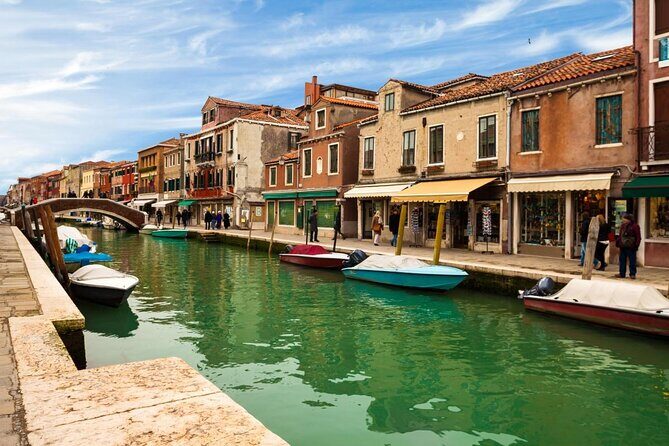
- Max 4 people means you’re not watching from the sidelines.
- Stage-by-stage training starts with drills with no glass, then moves to hot molten glass.
- Hot work is real: you’ll practice with glass at roughly 1000°C.
- You choose a simple piece type: a drinking cup/bowl or a small custom vase.
- Annealing drives the schedule: pick up next day, or ship later.
- Safety tools are provided: safety glasses, plus a heat sleeve for your arm.
Why this Murano beginner class feels different from a typical factory stop
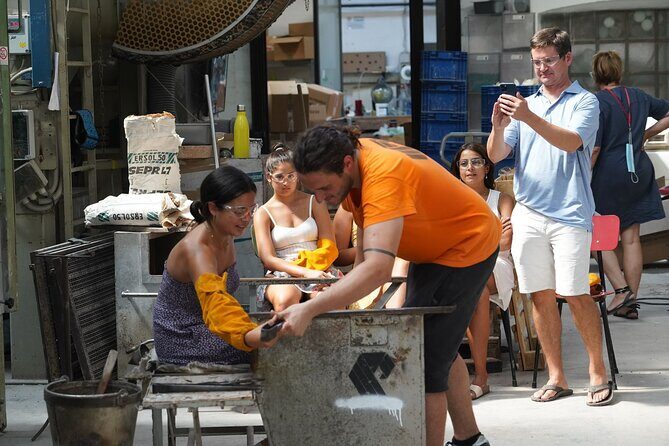
Most Murano experiences either feel like a sales visit or like a one-way viewing session. This class is built so you do the craft yourself—under close guidance—inside the working rhythm of a glass studio.
What I like is the “learn it, then do it” structure. You’re not just told that glassmaking is precise. You feel why it’s precise, because the timing and hand control matter. And because the group is tiny, you get real feedback instead of general tips.
You can also read our reviews of more tours and experiences in Venice



Step-by-step training: from hand drills to 1000°C molten glass
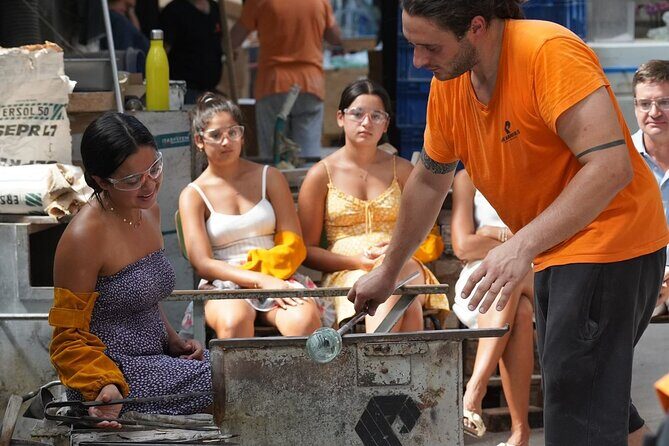
The teaching approach is practical. You start with exercises that don’t involve glass, just to get your body and coordination on the right track.
Step 1: movement drills with no glass
You’ll practice the basic motions and hand-eye coordination that glassblowing demands. This is the part that helps beginners avoid the classic problem: getting frustrated because the first thing you do is hot and heavy and moving fast.
Step 2: exercises with hot glass
Next comes the real heat. You work with molten glass around 1000°C, with hands-on practice designed to help you develop a feel for how the material behaves when you move it.
This is where you’ll also notice why the class isn’t for everyone. Even with training, you’ll be close to extreme heat, and you’ll need calm focus.
Step 3: blow your own Murano piece
Finally, you blow your own artifact. You’ll have time to make one piece that falls into a beginner-friendly category, either:
- a drinking cup/bowl, or
- a small custom vase
In the process, you’ll be coached through what to do and when to adjust your hands. You’re making something small enough to finish, but complex enough to feel like real Murano glass—not a “souvenir craft.”






What you actually make, and what that means for your expectations
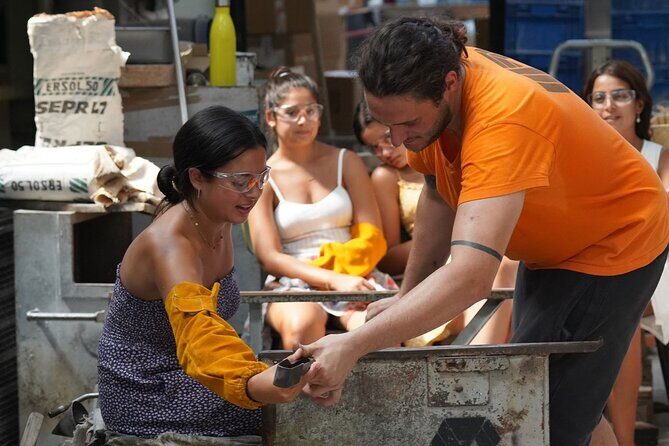
This class is aimed at first-timers, so the goal is not a perfect masterwork. The goal is a solid, personal Murano piece that you can be proud of because you made it with your own hands.
You’ll leave knowing the difference between safe practice and the moment where you must commit—because glass responds quickly. That’s also why the class can feel intense: glassmaking doesn’t wait for you to catch up.
If you’re hoping to create a giant vase or a highly intricate design, you might be disappointed. But if you want a real skill-building experience and a physical memory you can use or display, it’s a great match.
The annealing reality: why you’ll usually pick up next day
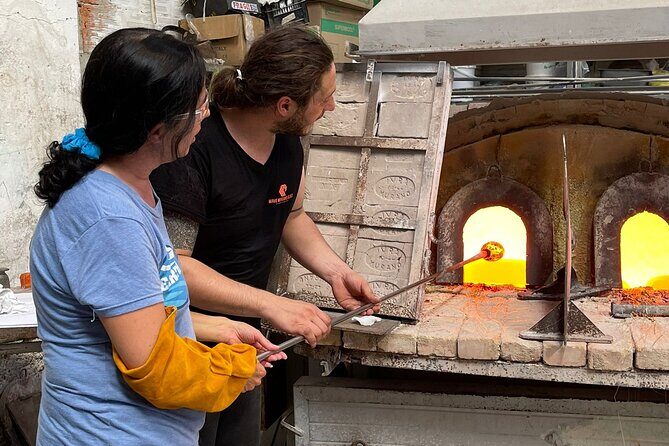
Here’s the schedule truth: your piece needs to anneal overnight. That’s not a marketing detail—it’s what glass requires to cool properly without cracking.
So plan on one of these options:
- Pick up next day: return after annealing is complete.
- Early morning sessions: one review notes that if you book an early class (like 8:00am), you may be able to pick up in the early afternoon before leaving the island.
- Shipping: available for an extra fee (not included).
One more practical timing note from the experience: you may need time after class for cooling before anything is ready to take. A review also mentions the studio closes around 5:00pm, which is another reason early booking can help if you’re trying to pack Murano into a tight day.
Small-group coaching on Murano: what “max 4 people” changes
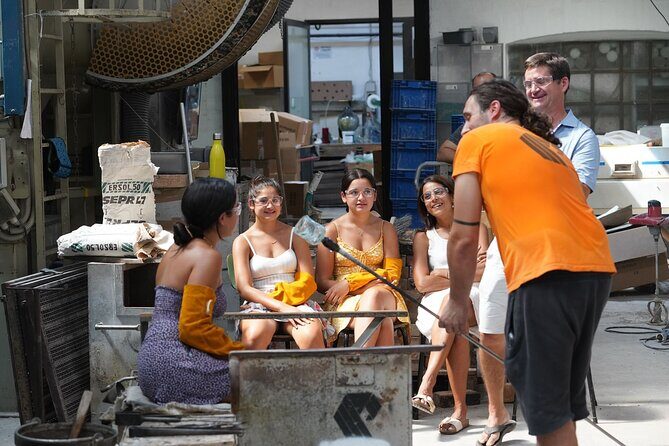
In a group of four, you don’t just get instructions—you get attention.
You’ll likely see the studio work closely with the artists, because this is a working space, not a staged demo room. Multiple instructors are referenced in the experience, including names like Tam, Hillary, Melissa, Emilia, and Emelia. Since classes can vary by date, you can’t guarantee a specific teacher, but you can expect patient, step-by-step guidance.
The “small” also matters for safety and pacing. If one person needs extra time to learn the motion, the instructor can slow down without turning the whole room into a waiting line.
Price and value: what $296.41 buys you (and why it can be worth it)
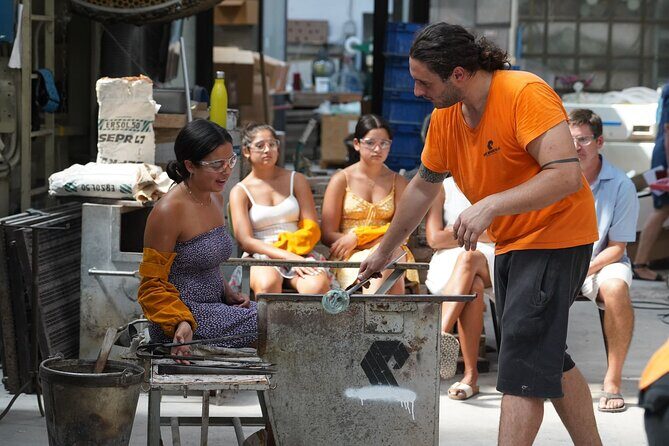
$296.41 is not cheap, especially when you’re in Venice where you can find plenty of cheaper Murano tours. But this price buys something different: you’re not paying for a passive viewing.
Here’s what you’re effectively paying for:
- Hands-on instruction designed for beginners
- Actual practice moving from cold drills to hot glass
- A finished piece that goes through annealing
- A workshop experience limited to 4 people
The value improves if you’re the type of person who wants a “do it” memory, not a “walk by it” souvenir. If your ideal trip includes learning a craft and bringing home a piece with your name on it (metaphorically speaking), this class makes sense.
If you hate heat, dislike physical effort, or want a low-effort cultural stop, you’ll likely feel the price more than the experience.
Meeting point on Fondamenta da Mula: keep it simple and arrive early
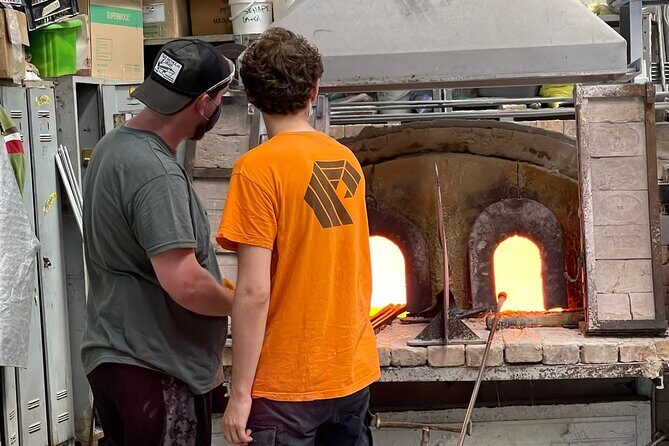
You’ll meet at Fondamenta da Mula, 152, 30141 Venezia VE, Italy, and the activity ends back at the meeting point.
It’s near public transportation, which helps if you’re combining Murano with other Venice plans. Still, glass studios can be easy to miss, especially if you’re docking at one spot and walking over with no spare time.
My advice: give yourself buffer. Show up early, check you’re in front of the right location, and don’t plan a tight train/bus connection right after.
What to wear: the safety checklist that actually matters
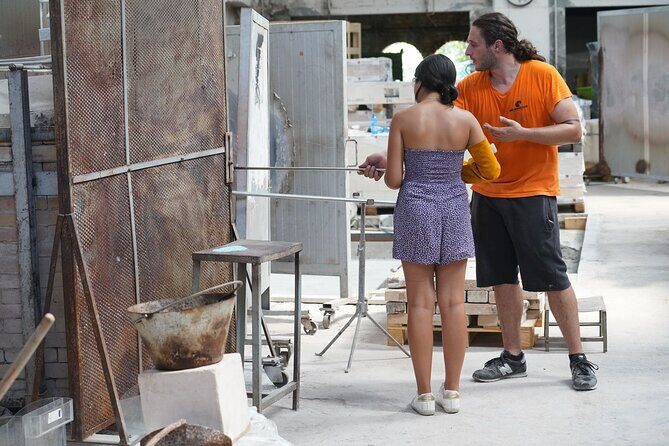
You’ll be in a furnace room and near hot materials, so clothing is part of the experience, not an afterthought.
Do this
- Wear closed shoes (no sandals, flip-flops, or slippers)
- Wear clothing that can handle heat and minor splashes
- Consider long pants, especially if you’re bringing kids or anyone who tends to move quickly
Provided
- Safety glasses
- Water to rehydrate
- A sleeve to protect your arm from furnace heat
Avoid
- Synthetic clothing not recommended
- Anything that leaves skin exposed where small splashes could happen
One review also notes that splashes of hot glass can happen, and that long clothing reduces the chance of a nasty surprise. It’s not meant to scare you. It’s meant to help you dress like you’re about to work around serious heat.
Who this class suits best (and who should choose a simpler Murano stop)
This experience is built for beginners, but it’s not built for everyone.
Best fit
- You want a hands-on craft in Murano
- You enjoy guided practice and learning by doing
- You’re okay with moderate physical effort
- You can handle close-range heat without panic
Skip it if
The class is not recommended if you have trouble resisting extreme heat, if you panic easily, or if you have health issues that make intense conditions risky.
If you’re unsure, it’s worth being honest with yourself. A Murano glass factory tour can still be moving and beautiful. But it won’t test your heat tolerance the way glassblowing does.
Should you book the beginner Murano glassblowing class?
Book it if you want the best kind of souvenir: one where the process matters as much as the result. This class is small, structured for beginners, and it gets you into the craft instead of letting you watch from behind glass.
Don’t book it if you want a relaxed, low-intensity activity. The heat is real, and the work requires focus plus physical effort.
If you can handle warm (even hot) workshops and you like learning skills you can show off later, you’ll probably love it. Plan for an overnight anneal, dress for safety, and consider an early session if you’re trying to pick up the piece before leaving the island.
FAQ
How long is the beginner’s glassblowing class in Murano?
It runs about 2 hours (approx.) in the workshop.
Where do I meet for the class?
The meeting point is Fondamenta da Mula, 152, 30141 Venezia VE, Italy, and the activity ends back at the meeting point.
Is the class small, and is it offered in English?
Yes. It has a maximum of 4 travelers, and it’s offered in English.
What will I make during the class?
As a beginner, you’ll make either a drinking cup/bowl or a small custom glass vase.
When can I pick up my glass?
Your piece has to anneal overnight, so you’ll generally pick it up the next day. Some schedules may allow an early pickup if you choose an early class session.
Can the glassblowing piece be shipped instead of picked up?
Yes. Shipping is available for an extra fee, and it is not included in the cost of the experience.
What’s included in the price?
Water to rehydrate, safety glasses, and a sleeve to protect your arm from furnace heat are included.
What should I wear?
Wear closed shoes. Synthetic clothing is not recommended, and the class does not provide clothing.
Is there an access fee for some Venice day visitors, and what about cancellation?
On certain dates, day visitors staying outside Venice may need to pay a €5 access fee (details and exemptions are listed on https://cda.ve.it). Cancellation is free up to 24 hours before the experience for a full refund.