REVIEW · VENICE
Venice: Pasta and Tiramisu Cooking Class with Wine
Book on GetYourGuide →Operated by The Roman Food Tour · Bookable on GetYourGuide
Fresh pasta beats souvenir pasta.
This 3-hour Venice class turns sightseeing time into a real kitchen lesson: you make fresh fettuccine and ravioli, then finish with tiramisu while you sip wine. I like that the instructors teach the traditional methods step by step, not just how to assemble a plate. I also like that you sit down to eat what you made with plenty to drink, so it feels like a complete evening plan. One consideration: this is a traditional recipe style class, so allergy and dietary needs have limits, and cross-contamination can’t be guaranteed.
You’re also not stuck in a generic demo room. The class happens in the heart of Venice, with time afterward to wander the Dorsoduro streets if you feel like stretching the day. From what I’ve seen in the most highly praised sessions, hosts such as Barbara, Serena, Eddie, and Lauti bring the kind of pacing that keeps beginners from freezing up. If you’re looking for quiet museum-style learning, this is the opposite: it’s social, hands-on, and meant to be fun.
In This Review
- Key points to know before you cook
- Venice in 3 Hours: What You Actually Learn in the Kitchen
- Fresh Fettuccine and Ravioli: Pasta Skills That Travel With You
- Fettuccine: feel matters
- Ravioli: shaping without stress
- The part that surprised me most
- Tiramisu Done Properly: Dessert Technique, Not Shortcut
- Wine, Limoncello, and Coffee With Your Meal in Dorsoduro
- Your Host Matters: The Teaching Style Behind the Best Sessions
- Dietary Needs and Allergies: What’s Safe, What Isn’t
- Price and Value at $78: Why This Can Be a Better Deal Than a Fancy Dinner
- Where the Class Fits Into Your Venice Day (and Where to Walk After)
- Who This Pasta and Tiramisu Class Is Perfect For
- Should You Book This Venice Pasta and Tiramisu Cooking Class?
- FAQ
- How long is the cooking class?
- What’s included in the price?
- What do I make during the class?
- Is there wine included during the meal?
- Is this class vegetarian-friendly?
- Are vegan options available?
- Can they accommodate food allergies?
- Is it suitable for people with gluten intolerance or lactose intolerance?
- What language is the guide teaching in?
- Is there free cancellation?
Key points to know before you cook
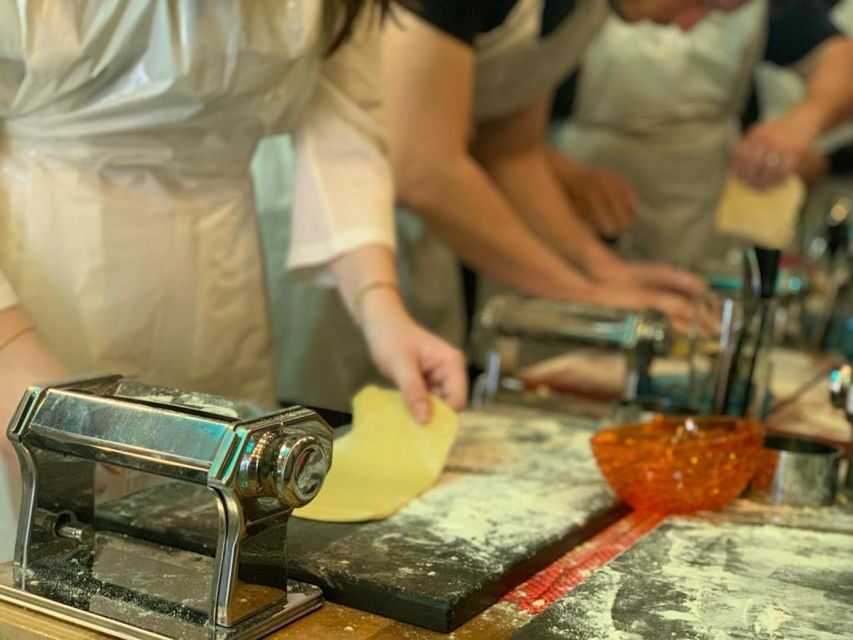
- Hands-on pasta making: you learn fresh fettuccine and ravioli techniques, not just watch.
- Tiramisu at the end: you’re making dessert, not only talking about it.
- Wine and limoncello with your meal: you eat what you cooked while you relax.
- Dorsoduro time window: plan a post-class stroll in a real local neighborhood.
- Host-led teaching matters: the best sessions are led with clear steps and lively energy.
- Dietary notes are specific: gluten, dairy, and eggs are part of the traditional method.
Venice in 3 Hours: What You Actually Learn in the Kitchen
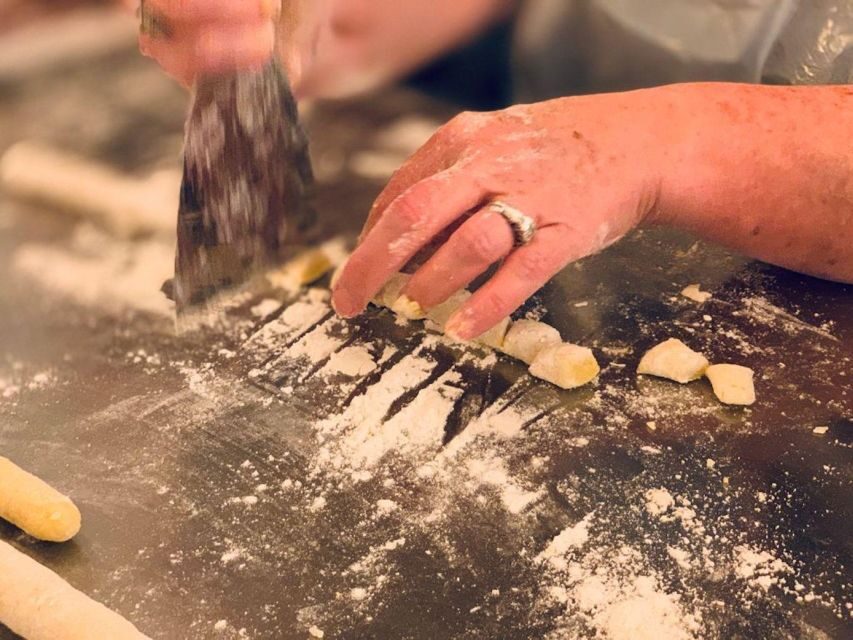
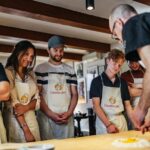
If Venice feels like nonstop walking, this class is a smart reset. You trade streets for a table, flour for a work surface, and menus for actual technique. The format is straightforward: you roll up your sleeves, work through the pasta dough process, then move to tiramisu, and finally sit down together to eat.
The big practical win here is how much you take home in muscle memory. You’ll learn how the dough should feel as you work it, how to keep it manageable, and how to shape pasta so it cooks well. Then, you learn tiramisu the classic way, including how to build the dessert rather than rushing it like a quick weekend project.
Timing also matters. Three hours is long enough to do real work, not long enough to drain you. Afterward, you’re fed and ready to explore, which is how this turns into more than a cooking ticket. It becomes a plan for an entire chunk of your day.
One more real-world detail: the sessions are taught in English. That’s huge in Venice, where even small misunderstandings can make you feel lost in the kitchen. Here, the instruction is designed for you to follow along and ask questions during the process.
You can also read our reviews of more cooking classes in Venice

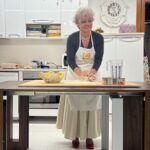

Fresh Fettuccine and Ravioli: Pasta Skills That Travel With You

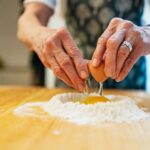
Let’s talk pasta, because that’s the center of gravity. This class focuses on making fresh fettuccine and ravioli from scratch. You get ingredients and guidance, so you’re not scrambling for tools or hunting for specialty items in advance. You also get time to ask questions, which is where beginners usually win big. Pasta dough has quirks, and it helps to have someone correct you before you develop bad habits.
Fettuccine: feel matters
Fresh fettuccine isn’t just about cutting. It’s about rolling dough evenly and working with it before it gets too dry or too sticky. You’ll learn how to roll and manage thickness, and you’ll understand why small changes can affect texture after cooking. Even if you never become a pasta expert at home, this teaches you how to judge the dough instead of guessing.
Ravioli: shaping without stress
Ravioli can intimidate people, mostly because it looks fussy. In this class, it’s taught as a process. You’ll learn how to work with filling and how to close the pasta so it holds together. The goal isn’t perfection at first try. It’s learning the steps that make the difference between ravioli that hold their shape and ones that fall apart.
The part that surprised me most
The most valuable teaching moment in classes like this is usually the small “why” behind the step. You don’t just get told what to do. You learn why it matters for the final bite. That’s why so many people leave feeling like they can replicate pasta back home with better results than they expected.
You can also read our reviews of more wine tours in Venice
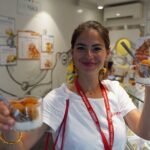
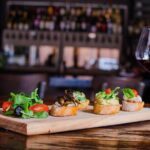




Tiramisu Done Properly: Dessert Technique, Not Shortcut
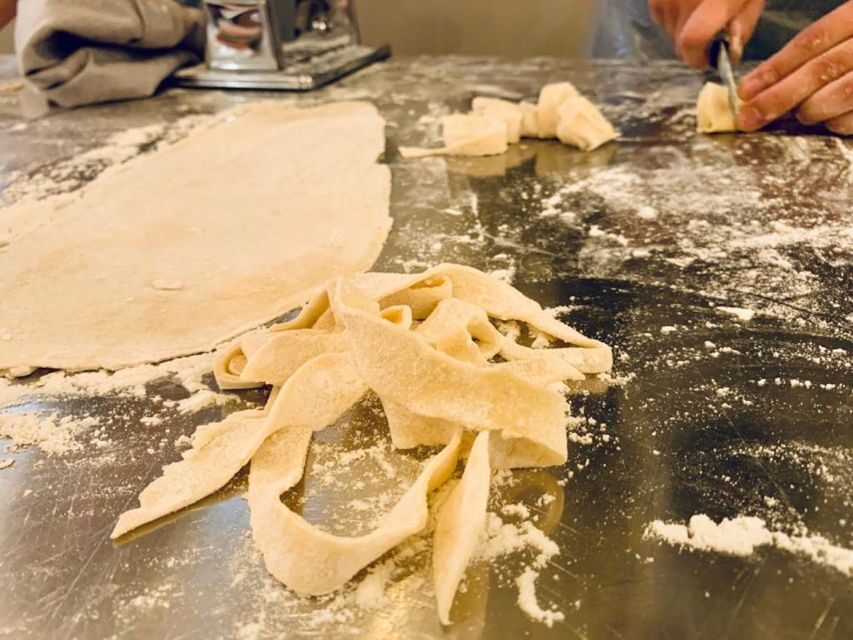
Tiramisu is a crowd favorite, but it’s also a dessert with rules. This class treats it like something worth learning properly. You’ll make tiramisu during the session and then sample it with the rest of your meal.
Even without knowing all the exact components, you can count on technique being the point. Traditional tiramisu is about balance: sweetness, coffee flavor, and texture. The instruction focuses on building that balance rather than turning it into a rushed assembly job. In a class setting, you also learn practical timing, like when to combine elements and how to keep the texture right.
A useful mindset shift: instead of thinking of tiramisu as a recipe you copy exactly, you’ll start thinking of it as a method you can adjust. That’s what lets you handle different ingredients at home later.
Wine, Limoncello, and Coffee With Your Meal in Dorsoduro
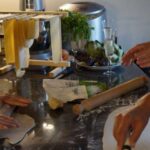
One reason this class feels like a win in Venice is how the meal is structured. You don’t just cook and leave. You sit down and eat what you made, and your table includes wine, plus limoncello and coffee at the end.
That matters for two reasons. First, you get to taste your own work while it’s still fresh and properly timed. Second, the wine-and-dessert finish makes it feel like a dinner plan, not a rushed activity. You’ll also get a chance to talk with other people around you as you relax.
And about that location. The class is in the heart of Venice, and afterward you can explore nearby streets in Dorsoduro. Dorsoduro is the kind of neighborhood where you can wander without feeling like you’re in a theme park. If you want to stretch the evening, this is a nice way to turn your cooking win into a walking win.
If you’re planning your day, this also helps. Cooking sessions are a strong option when you’re tired of chasing landmarks. After, you’ll be ready to roam again, without the hunger crash that hits when you wait too long to eat.
Your Host Matters: The Teaching Style Behind the Best Sessions
Cooking classes live or die on the teacher, and this one has a track record for strong hosts. In highly praised experiences, hosts like Barbara, Serena, Eddie, Thomas, Lauti, and Fammy show up as names linked with clear steps, a fun pace, and lots of interaction.
What you should look for in a great host experience?
- Instructions that are easy to follow, even if you’ve never worked with dough.
- Enough back-and-forth so you can ask questions without feeling rushed.
- A group energy that keeps things light while still staying practical.
Several of the best sessions also emphasize pacing. That sounds basic, but it’s not. In a kitchen, if the group moves too fast, your ravioli will be weird. If the group moves too slow, you’re standing around thinking too hard. When it’s done well, time flies because you’re always doing something.
Also, people talk about hosts who bring personality into the room. That doesn’t mean it’s chaotic. It means the experience feels like being taught by someone who genuinely cares about food and teaching.
Dietary Needs and Allergies: What’s Safe, What Isn’t
This is the part you should read carefully before you book, especially if you have allergies.
The traditional focus includes gluten, dairy, and eggs. The provider offers substitutions for people with allergies or food preferences, and you should inform them when booking about your specific needs. The important catch: you cannot guarantee 100% freedom from cross contamination.
There’s also a clear limits list:
- Not suitable for people with gluten intolerance
- Not suitable for lactose intolerance
- Not suitable for vegans
- Not suitable for children under 3 years and babies under 1 year
At the same time, the activity info says dietary options are available (including vegetarian and vegan support listed as options), but the not-suitable section adds firm restrictions. If you’re dealing with dietary restrictions, don’t assume vegetarian means dairy-free or gluten-free. Ask directly what substitutions are possible for your case, and be honest about the severity.
Price and Value at $78: Why This Can Be a Better Deal Than a Fancy Dinner
At $78 per person for 3 hours, you’re paying for three things: the lesson, the ingredients, and the meal experience with wine. In Venice, that combination is often better value than many sit-down dinners because you’re getting both education and consumption, not just food.
Here’s the value math that matters:
- You’re not paying only for a plate. You’re paying to learn techniques for pasta and tiramisu.
- Ingredients are included, so you’re not subsidizing anything you’d otherwise buy yourself.
- The meal comes with free-flowing wine, plus limoncello and coffee, which turns the class into a full table experience.
You can also view it as a time-value trade. Venice is expensive and exhausting on your schedule. Spending 3 hours doing hands-on food work can be cheaper and more satisfying than paying for another late-night meal you’ll remember only as expensive.
The class is best value when you’re hungry and curious. If you’d rather browse restaurants than learn a skill, it might feel like a detour. But if you want a memorable Venice evening that includes food you made with your own hands, the price starts to make sense fast.
Where the Class Fits Into Your Venice Day (and Where to Walk After)
Venice works best when you alternate intensity. This class is a low-stress switch: less walking, more doing. You can slot it into your day after a heavy museum or church block, or before you settle into an evening stroll.
After the class, you have the option to stay in the restaurant with your new table-mates, or head out to explore Dorsoduro nearby streets. That’s practical: you’re already close to where you want to be, and you won’t need a second plan to fill the time.
If you like to plan ahead, think of it like this:
- Morning or early afternoon: a sightseeing push.
- Late afternoon or early evening: pasta and tiramisu with wine.
- Evening: a Dorsoduro walk while you’re still in the Venice mood.
Also consider weather. Cooking classes are a great fall-back when Venice weather is unpredictable, because you stay warm and productive indoors.
Who This Pasta and Tiramisu Class Is Perfect For
This class is a strong match if you’re any of the following:
- A beginner who wants a guided way to learn fresh pasta
- A foodie who likes food with context, not just flavor
- A couple looking for a shared activity that ends in a proper meal
- Families with older kids who can handle a hands-on kitchen environment (the age limit is stated clearly for very young children)
It’s also a great reset if you’ve been doing lots of sightseeing. Sitting down after the cooking part means you finish with a full stomach and less decision fatigue.
One more note: if you dislike group dining or chatter, you might find the social table vibe a little much. But if you’re open to meeting people, it’s part of the appeal.
Should You Book This Venice Pasta and Tiramisu Cooking Class?
Book it if you want a genuine Venice experience that doesn’t end when you leave the restaurant. You’ll make fresh fettuccine, shape ravioli, and create tiramisu, then eat everything with wine, limoncello, and coffee. With strong hosts like Barbara, Serena, Eddie, and Lauti showing up in excellent sessions, the odds are good you’ll get clear instruction and a fun, friendly room.
Skip it or research carefully if you have serious dietary restrictions or gluten, dairy, egg, or lactose intolerance. The class is traditional by design, and cross-contamination can’t be guaranteed.
If you want one night in Venice that feels like real life instead of another photo stop, this is a smart bet.
FAQ
How long is the cooking class?
The class lasts 3 hours.
What’s included in the price?
The experience includes the cooking class, ingredients, and wine.
What do I make during the class?
You’ll make fresh fettuccine and ravioli, and you’ll also prepare tiramisu.
Is there wine included during the meal?
Yes. You’ll sample the dishes you prepare, and the meal includes free-flowing wine.
Is this class vegetarian-friendly?
Vegetarian dietary options are listed as available. You should inform the activity provider of your dietary needs when booking.
Are vegan options available?
Vegan support is listed as an option, but the activity is also noted as not suitable for vegans. Check with the provider before booking if this applies to you.
Can they accommodate food allergies?
They offer substitutes for allergies or food preferences, but the traditional recipe includes gluten, dairy, and eggs, and cross contamination can’t be fully guaranteed. Tell them your allergy details when booking.
Is it suitable for people with gluten intolerance or lactose intolerance?
It is not suitable for people with gluten intolerance or lactose intolerance.
What language is the guide teaching in?
The live tour guide speaks English.
Is there free cancellation?
Yes. You can cancel up to 24 hours in advance for a full refund.