REVIEW · VENICE
Eat Like a Local: Venice 3-Hour Small-Group Food Tasting Tour
Book on Viator →Operated by J&H Enterprises, LLC · Bookable on Viator
Venice tastes better with a map. This small-group food tour strings together Rialto market bites, bacari-style wine bars, and a final gelato stop, so you get both serious local eating and a quick read on where everything is in the city. I love how the menu is built around cicchetti and seasonal ingredients, so the food feels current, not random. I also like the human side: guides such as Marianna, Anna, Sara, Martina, Carlo, Greta, and Mercedes bring stories that make you understand what you’re eating and why Venice does it that way.
One possible drawback: Venice food tours often mean lots of standing at counters and eating on the move, so it’s less ideal if you strongly prefer long sit-down meals or a fully seated experience.
In This Review
- Key points at a glance
- Why This Tour Begins Near Rialto Bridge
- What You’ll Eat: Coffee, Cicchetti, Fish, Cured Meats, Gelato
- Rialto to Bacari Counters: The Eight Stops in Real Life
- Stop 1: Mercati di Rialto for coffee and pastries
- Stop 2: An old bacaro tied to Casanova
- Stop 3: A family pastry shop and Venice’s sugar story
- Stop 4: Santa Croce for more cicchetti
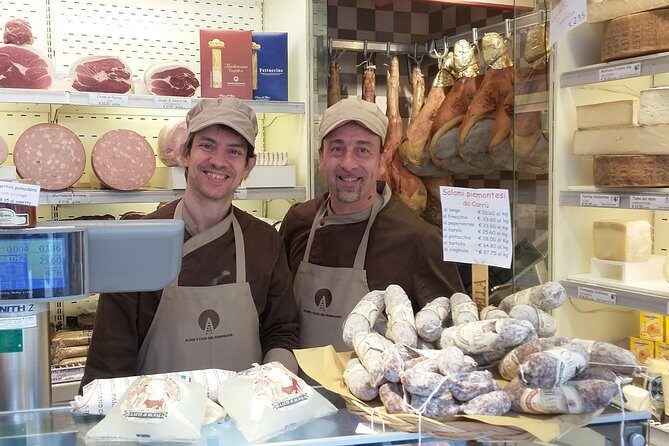
- Stop 5: Santa Croce cured meats and cheese with an owner
- Stop 6: San Polo restaurant for pasta, risotto, fish, and sarde in saor
- Stop 7: Cannaregio (or Castello) for more cicchetti
- Stop 8: Artisan gelato in Cannaregio
- The Walking Comfort Reality (and How to Prepare)
- Price and Value: Does $107.10 Make Sense?
- What Guides Do Differently (The Part You Can’t Google)
- Who Should Book This Venice Food Tasting Tour
- Practical Tips Before You Go
- Should You Book This Tour?
- FAQ
- How long is the Venice Eat Like a Local food tasting tour?
- Where does the tour start and end?
- How many stops and tastings are included?
- What foods and drinks are included?
- Is wine included?
- Can the tour accommodate dietary restrictions?
- What’s the group size?
- What language is the tour offered in?
- Does the tour run in rain?
- Is there an extra Venice access fee?
Key points at a glance
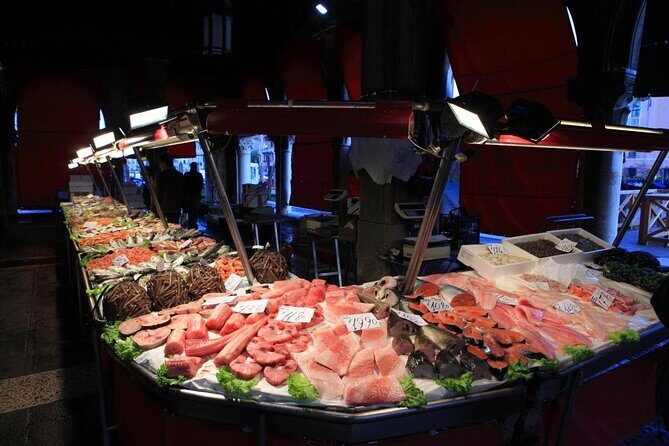
- Rialto Bridge start, easy orientation as you walk Venice with food stops that actually teach you the city
- Cicchetti + wine bars instead of a single restaurant meal, with tastings served across multiple local spots
- 15 tastings across 8 stops, including coffee-and-pastry first, then fish, cured meats, and sweets
- Seasonal focus with fresh seafood and wines paired with traditional snack culture
- Small group feel (max 15, sometimes up to 19 with extra food) and guides who talk like real locals
Why This Tour Begins Near Rialto Bridge
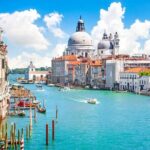
If you’re trying to get your bearings fast in Venice, starting at Rialto makes sense. The meeting point is right in the Rialto area, near Campo San Giacomo di Rialto and steps from the church by the famous bridge. You’re close to the core market life of the city, and that means the early tastings feel grounded in where Venice actually shops and eats.
This setup also helps you later. After a tour like this, you’re not just carrying souvenirs. You’re carrying a mental map of the neighborhoods you passed through—places like San Polo, Santa Croce, Cannaregio, and sometimes Castello—plus the habits that go with them. The result is that your next meal is easier to plan.
And the walking piece matters. The tour includes time to admire canals and historic landmarks along the way, so you’re not stuck only thinking about food. You still get that Venice “this is real” feeling while you’re moving between stops.
You can also read our reviews of more food & drink experiences in Venice

What You’ll Eat: Coffee, Cicchetti, Fish, Cured Meats, Gelato
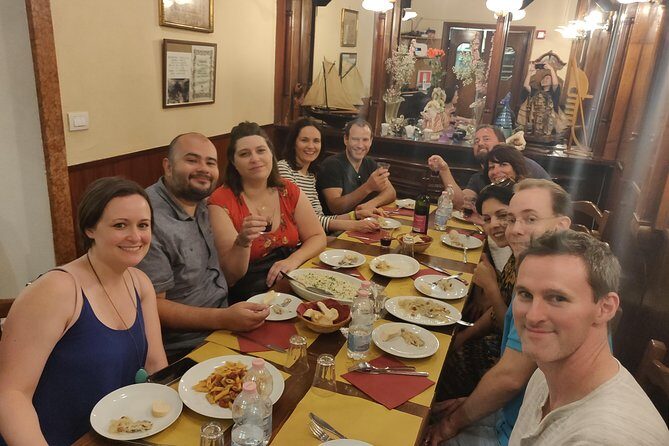
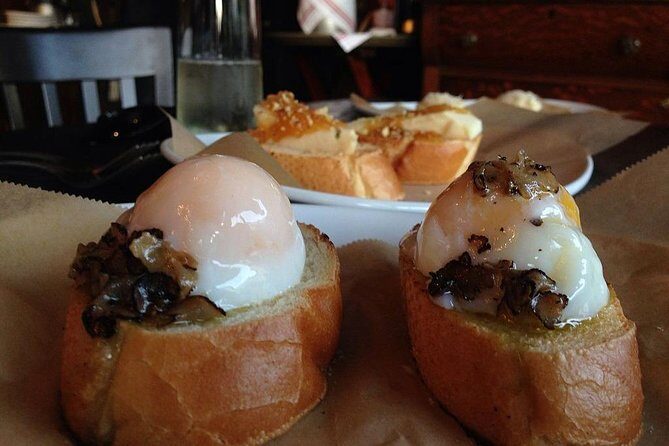
This isn’t a one-and-done meal. It’s a multi-stop grazing style tour. The big promise is that you’ll eat so much that you do not need breakfast, lunch, or dinner. That’s not just marketing talk either. The tour is structured around 15 tastings, plus cicchetti snacks paired with drinks and multiple sweet moments.
Here’s the food rhythm you should expect:
- It kicks off with coffee and pastries, the Venetian way to start your day.
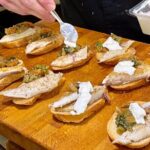
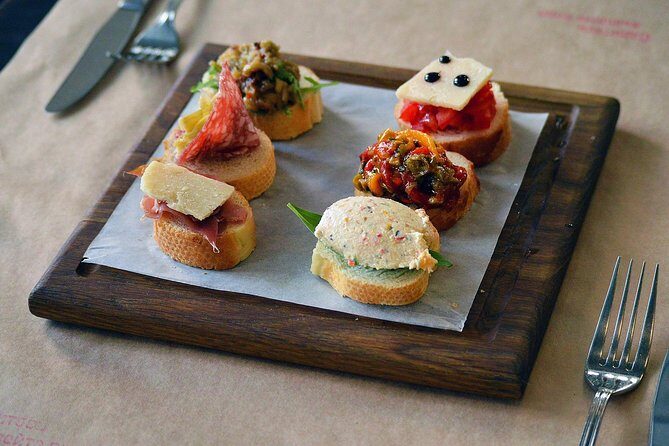
- Then you move into wine bars with cicchetti—Venetian snack culture that’s a lot like tapas in spirit, but with its own identity.
- As the tour progresses, you’ll find savory highlights tied to the lagoon, including 5–6 kinds of fish.
- You’ll also get local cured meats and cheese, plus a standout Venetian seafood dish: sarde in saor (served with wine).
- The sweet ending leans hard into the city’s pastry pride and closes with cookies and artisan gelato.
The best part for me is the “menu variety without decision fatigue” aspect. You’re not standing around reading wine lists and menus under time pressure. Your guide sets the pace, chooses places locals would recognize, and you just show up hungry.
Rialto to Bacari Counters: The Eight Stops in Real Life
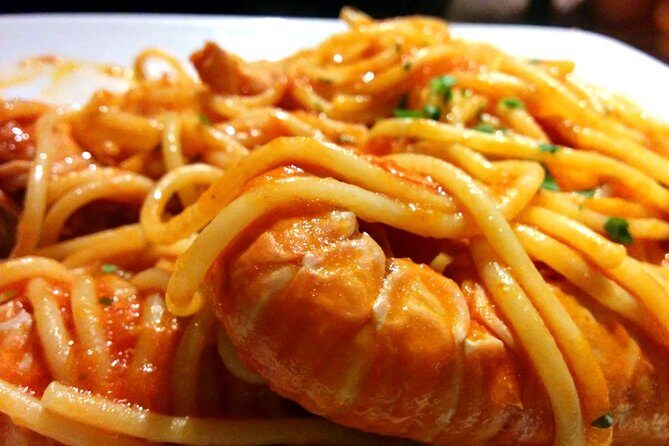
Think of the itinerary as a tour of Venice eating culture, not a checklist of dishes. Each stop teaches a different slice of how people actually snack, drink, and celebrate.
Stop 1: Mercati di Rialto for coffee and pastries
You start in the Rialto market zone, with coffee and pastries that lean into Venice’s long love of sweets. The tour then nudges you into wine-bar culture with bites that feel like lunch or early dinner energy, even if it’s daytime. This is a smart warm-up stop: it gets you moving, wakes up your appetite, and sets the tone for the rest of the day.
What to watch: pastries can be filling, so if you’re the type who wants to pace yourself, you’ll want to pace your pastries too. It’s still a good start.
Stop 2: An old bacaro tied to Casanova
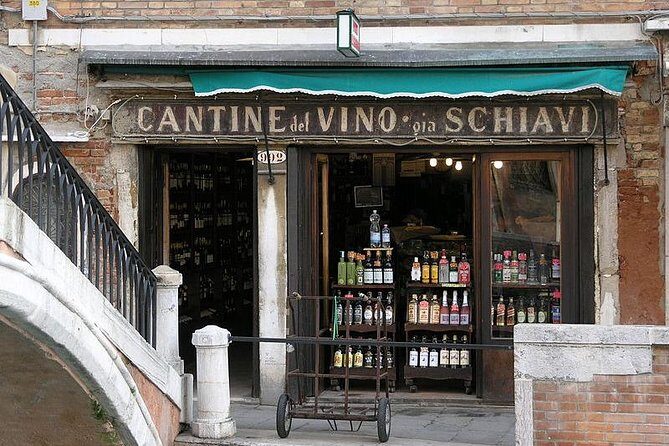
Next up is the kind of place you might miss if you’re only chasing the postcard views. The tour visits Venice’s oldest bacaro, a wine bar linked to Giacomo Casanova. You’ll taste their popular cicchetti in an atmospheric setting with wooden beams, copper pots, and standing-only counters.
This stop is valuable because it shows the social side of Venetian drinking. You’re not sitting in a formal dining room, and you’re not just eating. You’re watching the rhythm of a bar that feels built for conversation.
Consideration: standing counters and tight spaces are part of the charm. If you need a lot of sitting time, plan for that reality.
You can also read our reviews of more tours and experiences in Venice


Stop 3: A family pastry shop and Venice’s sugar story
Then comes the sweet-history moment. Venice was an early importer of sugar from the East, and that access helped create a pastry tradition that blends influences and local creativity. At a family-owned pastry shop, you’ll hear why Venetian sweets are more than dessert. They’re connected to craftsmanship, celebration, and what the city has prized over time.
You’ll taste pastries, and you’ll also get a mental hook for future dessert choices. After you hear the background, you start recognizing why some sweets taste the way they do.
Stop 4: Santa Croce for more cicchetti
Santa Croce continues the snack-and-sip format with another local bar stop. This segment keeps the pace relaxed and lets you build comfort with how cicchetti work: one bite at a time, paired with wine, in a bar environment that feels local rather than staged.
This is one of the stops that makes the tour feel like more than “just food.” You’re learning how to eat like Venice—small portions, frequent pauses.
Stop 5: Santa Croce cured meats and cheese with an owner
Now you shift from snacks to a more product-focused tasting: regional cured meat and cheese prepared and explained with an owner. You’ll get stories about how they’re made and how to tell quality.
This stop is a win if you like detail. You’ll leave better equipped to order confidently later—especially if you want a good antipasto board without falling into obvious tourist traps.
Stop 6: San Polo restaurant for pasta, risotto, fish, and sarde in saor
This is the “big comfort” stage of the tour. You’ll go to a locally frequented restaurant, one that’s been visited by celebrity chefs. The meal includes the day’s pasta or risotto, a freshly caught fish of the day dish, and sarde in saor—a Venetian specialty known for its distinctive flavor profile, paired with wine.
This stop matters because it turns the lagoon’s ingredients into something substantial. Up to now, you’ve been tasting your way through the city. Here, you get proper satisfaction.
Drawback to note: by this point, you’ve already eaten a lot. Pace yourself earlier so you can enjoy everything here rather than just “survive” it.
Stop 7: Cannaregio (or Castello) for more cicchetti
Depending on the day, you’ll go to Cannaregio or Castello for another cicchetti round. The tour keeps the structure the same, but the location can shift based on what’s freshest.
This is practical because it means you aren’t guaranteed one single static version of Venice. You’re getting the working city.
Stop 8: Artisan gelato in Cannaregio
The final stop goes sweet in a serious way. You’ll get artisan gelato and learn how it’s made, plus how to spot a good gelateria in Venice. If gelato in Cannaregio isn’t the day’s plan, the tour can swap districts, but gelato is still the finish line.
This ending is ideal because it ties the whole tour together. You start with coffee and pastries, and you end with gelato. You feel the sweep of Venice through its desserts, not just one bite.
The Walking Comfort Reality (and How to Prepare)
The tour is described for moderate physical fitness, and that matches what the experience feels like in practice: you’re on your feet for a good chunk of time. Some stops involve standing at counters and outdoor tasting situations. One review even noted that some locations have a restroom, but not every stop promises one.
So my advice is simple:
- Wear comfortable shoes you can walk in for 2.5 to 3.5 hours.
- Expect standing portions during tastings.
- Bring an appetite that can handle seafood and a few surprises.
If you have mobility limits or you need long seated time, I’d plan a different style of tour. This one is built around Venice’s eating culture, which often happens right where people stand.
Price and Value: Does $107.10 Make Sense?
At about $107.10 per person, the value comes from how the tour is assembled—not just the label of a food tour. Here’s the math logic I’d use:
- You’re getting 15 tastings plus wine and a full sequence of savory and sweet stops.
- You’re visiting 7–8 local bar and restaurant locations, meaning multiple drinks and multiple food formats (cicchetti, cured meats, fish dishes, gelato).
- Your guide is paying attention to pacing and pairing, which is hard to replicate if you try to DIY it.
If you tried to recreate this on your own, you’d quickly spend time figuring out what’s good and where locals go. A tour like this trades that decision energy for a guided route with real culinary context. For many people, that’s the best kind of value: you pay money to reduce guesswork.
One more value angle: guides like Marianna and Anna consistently get praised for making the tour feel warm, personal, and genuinely fun. That matters because good food alone doesn’t guarantee a good experience. The guide’s stories help you taste better.
What Guides Do Differently (The Part You Can’t Google)
One of the strongest recurring themes around this tour is the guide experience. Names like Marianna, Anna, Sara, Martina, Carlo, Greta, and Mercedes show up again and again, and the feedback points to the same pattern: they’re not only describing dishes. They’re connecting them to Venice life.
You’ll hear why:
- pastry traditions exist the way they do
- bacari culture works with standing counters
- cicchetti pairs with wine for the right pacing
- sarde in saor fits into Venetian flavor identity
That kind of narration turns “samples” into understanding. It also gives you practical next-step advice for eating during the rest of your trip—how to order, what to look for, and how to avoid wasting money on a view with a questionable menu.
Who Should Book This Venice Food Tasting Tour
This is a strong fit if you want:
- a first or second day introduction to Venice food culture
- a break from restaurant hunting
- a mix of history and eating that doesn’t feel lecture-heavy
- a small-group setting where you can ask questions
It’s also a great option if you like meeting other travelers. The small group format keeps the vibe sociable without turning it into a bus tour.
I’d think twice if:
- you strongly prefer fully seated, plated courses for most of the tour
- you need fully predictable menus
- you have dietary restrictions and haven’t planned ahead
The tour notes that you should tell them about dietary needs at least 24 hours before departure so they can try to accommodate you.
Practical Tips Before You Go
- Come hungry. This is a “full by the end” kind of tour, and people often underestimate just how much food a multi-stop format adds up to.
- Plan to walk. Venice is Venice, and even a “food tour” is still a walking tour.
- Ask your guide what to try next. The best value is not only the tasting—it’s what you learn so your future meals are smarter.
Also, a small heads-up for timing: tours meet 15 minutes before the start time near Campo San Giacomo di Rialto, and the tour ends near the Rialto Bridge.
Language is English, and on Italian and Venetian national holidays, English is the only offered language.
Should You Book This Tour?
If you’re planning your Venice meals and you want a guided, local-feeling route that leaves you satisfied, I’d say yes. This one has a clear structure: coffee and pastry, cicchetti and wine bars, fish and cured meats, then gelato. It’s hard to replicate that flow at home without spending hours planning and still ending up in places that don’t feel local.
Book it especially if it’s your first Venice trip or if you’re short on time and want maximum payoff in one afternoon. The biggest thing to consider is stamina and standing portions. If you can handle that, this is one of the most direct ways to eat like Venice without guessing.
FAQ
How long is the Venice Eat Like a Local food tasting tour?
It runs about 2 hours 30 minutes to 3 hours 30 minutes.
Where does the tour start and end?
The tour starts at Campo San Giacomo di Rialto (Campo S. Giacomo di Rialto, 30125 Venezia VE) near the steps of the Chiesa San Giacomo di Rialto church. It ends near the Rialto Bridge (Ponte di Rialto).
How many stops and tastings are included?
The tour includes 8 stops, with 7–8 bar/restaurant stops, and it’s described as including 15 tastings.
What foods and drinks are included?
Coffee and pastries kick things off, then you’ll taste cicchetti with Venetian wines. The tour includes fish tastings (5–6 kinds), local cured meats and cheese, pasta or risotto, sarde in saor, cookies, and artisan gelato.
Is wine included?
Yes. Venetian wines are included and paired with cicchetti during the tour.
Can the tour accommodate dietary restrictions?
You should tell the operator at least 24 hours before departure about dietary restrictions (for example, no fish, no meat, or gluten free) so they can try to accommodate you. If you don’t give advance notice, accommodations may be more limited.
What’s the group size?
The maximum is listed as 15 people per tour. The operator also notes demand can lead to up to 19 people, with extra food and wine to compensate.
What language is the tour offered in?
The tour is offered in English. On Venetian and Italian national holidays, English is the only language offered.
Does the tour run in rain?
Yes, it operates rains or shines. If it’s canceled due to poor weather, you’ll be offered a different date or a full refund.
Is there an extra Venice access fee?
On some dates, day-trippers visiting Venice from outside the city may be required to pay a €5 access fee. Details and exemptions depend on the date.