REVIEW · VENICE
Venice: Street Food Tour with a Local Guide and Tastings
Book on GetYourGuide →Operated by Food Raphael Tours and Events · Bookable on GetYourGuide
Venice tastes better on foot. This 2.5-hour street food walk strings together Rialto Market color, classic Venetian snack culture, and landmark stops like Basilica dei Frari, guided in English by locals such as Tone, Vanessa, and Ana. You’ll cross Rialto Bridge, wander the food stalls by the Grand Canal, then finish in Campo Santa Margherita where local life keeps going.
I love that the guide ties each bite to context: what you’re eating, where it fits in Venetian tradition, and how locals actually order. I also love the variety—cicchetti-style snacks in bàcari, samples ranging from regional bites to buranelli biscuits, plus artisanal gelato.
One possible drawback: if you need vegan, dairy, or gluten-free food, this tour can’t accommodate those diets.
In This Review
- Key highlights worth planning around
- Why this Venice street food tour hits the sweet spot
- Starting in San Marco and crossing to the Rialto Market
- Rialto market tastings: what you’re actually learning
- Campo San Polo and Basilica dei Frari: history that doesn’t feel like a detour
- Cicchetti in bàcari: Venetian tapas, explained properly
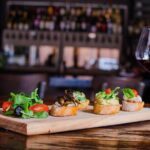
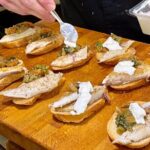
- What you’ll eat: small bites that add up
- The walk toward Campo Santa Margherita in Dorsoduro
- Price and value: is $57 worth it?
- Who this tour suits best (and who should skip it)
- Should you book this Venice street food tour?
- FAQ
- How long is the Venice street food tour?
- What’s included in the price?
- Are drinks included?
- Where do I meet the guide?
- Can I get a vegetarian option?
- Can vegan, dairy, or gluten-free diets be accommodated?
- Is the fish market part included on every tour?
- Is the tour suitable for wheelchair users?
- What should I bring?
Key highlights worth planning around
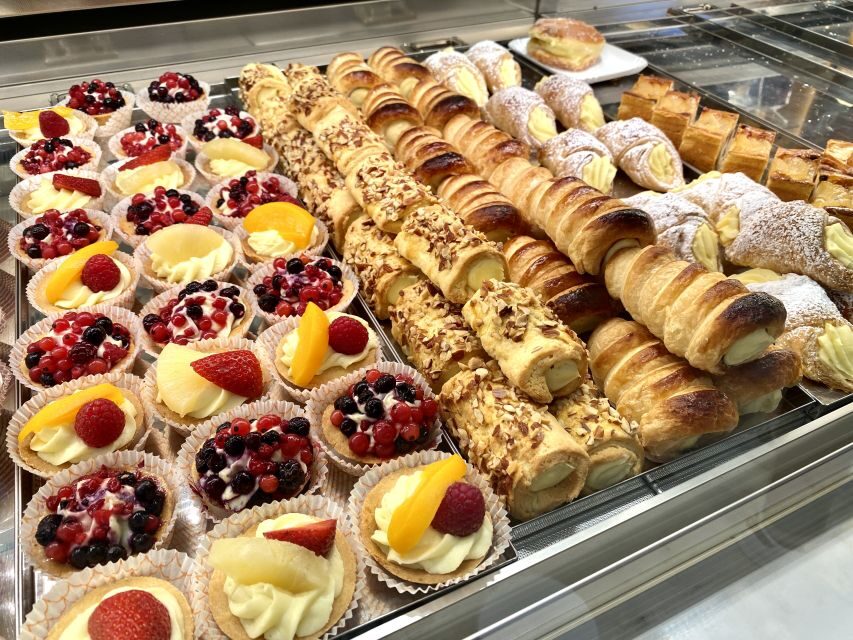
- Rialto Market timing matters: you’ll see the daily fish-and-produce rhythm up close, with note that the fish market is closed on certain days and on afternoon tours.
- Cicchetti stops feel local, not touristy: small plates in cozy bàcari, explained as you go.
- Landmark breaks without slowing you down: Basilica dei Frari and a few key squares keep the walk grounded in real Venice.
- You’re set up to eat like Venetians: tastings are designed for small-bite pacing so you leave full, not stuffed.
- Guides really steer the menu: many groups highlight guides like Tone and Ana for thoughtful explanations and good options when tastes vary.
Why this Venice street food tour hits the sweet spot
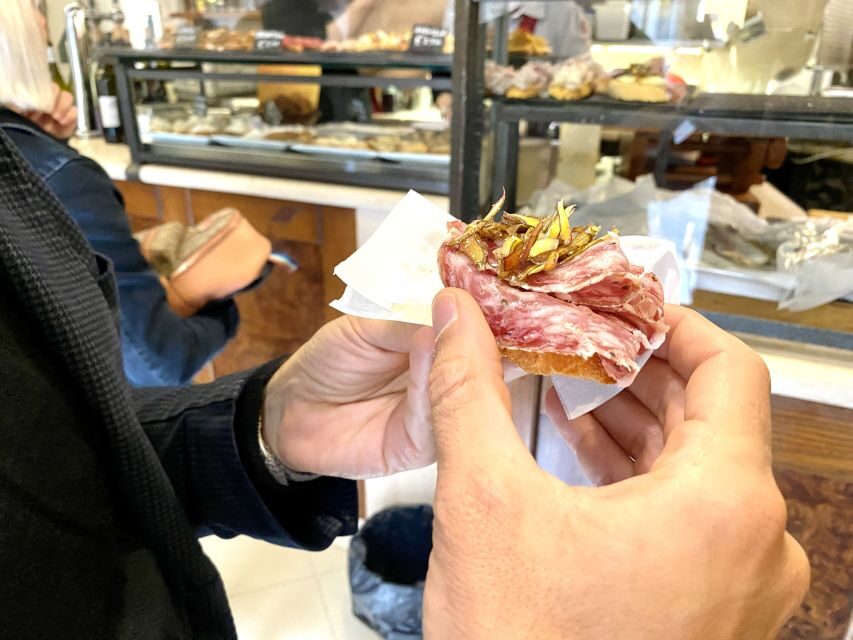
A food tour can go two ways: either it’s a parade of random snacks, or it’s a guided map of why the food exists in the first place. This one aims for the second kind. In 2.5 hours, you get a compact route that mixes Rialto sights, everyday market life, and the logic behind Venetian street eating—especially cicchetti.
I like that you’re not just “tasting.” You’re learning how Venetian snacks work as a routine. Guides (I’ve seen names like Tone, Dennis, Vanessa, and Ana show up in feedback) often connect what you’re about to eat to the city’s history and neighborhoods, which makes the flavors feel less like a checklist and more like a story you can actually follow while walking.
Still, you should go in with realistic expectations about food limits. Drinks are not included, and certain diets aren’t possible (more on that later). If you need specific dietary needs, you’ll want to double-check before you commit.
You can also read our reviews of more food & drink experiences in Venice

Starting in San Marco and crossing to the Rialto Market
You meet your guide in Campo San Bartolomìo next to the statue. Your guide will be holding a sign that says Food Tour, so it’s usually easy to spot the group without playing Marco Polo.
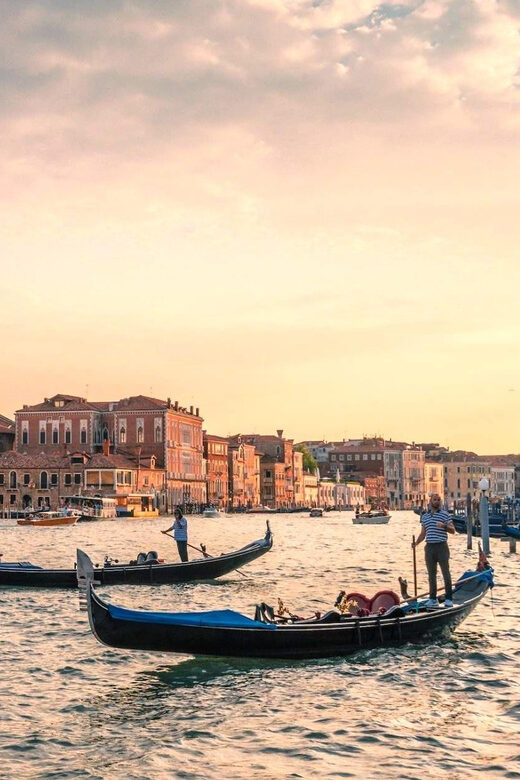
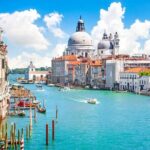
From there, the route takes you toward Rialto. You’ll cross the Rialto Bridge and follow the Grand Canal’s edge to reach the Rialto Market. This is where the tour earns its reputation: the market isn’t a staged food hall. It’s where people shop for ingredients—fresh fish, produce, and the stuff that turns into lunch later.
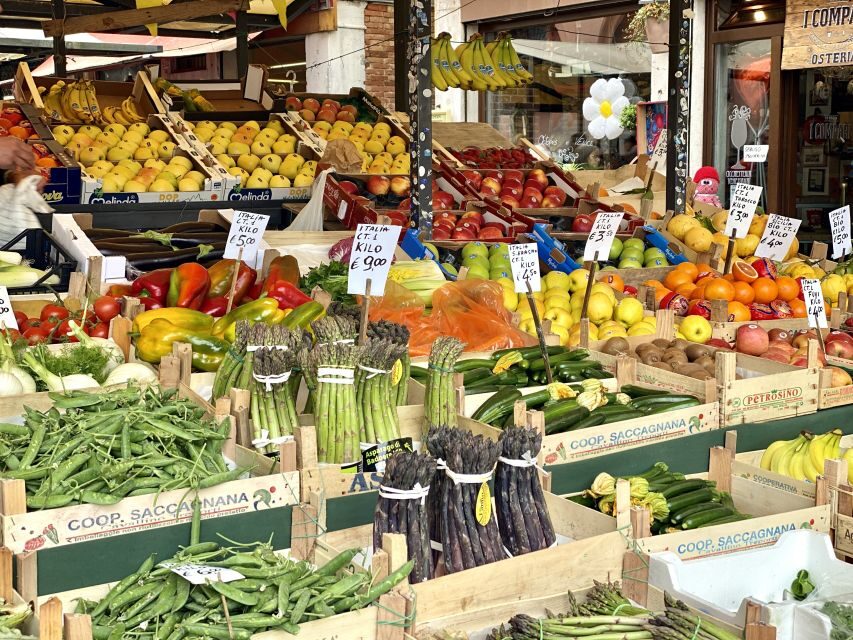
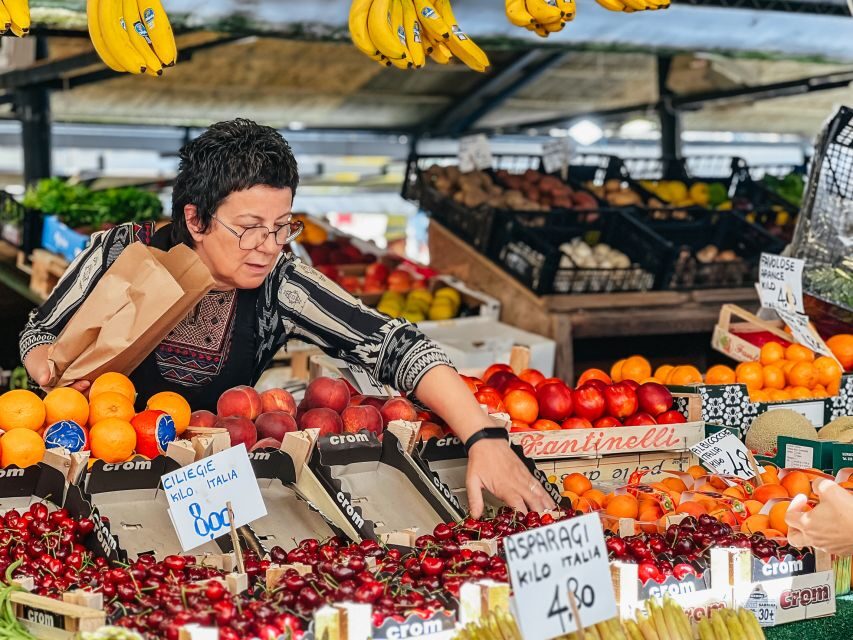
The produce stalls are the part most first-timers remember because the colors look almost unreal in daylight. But the bigger value is watching the flow of everyday Venice. You’re seeing a system—what’s in season, what people are buying, and how quickly market shopping happens when you live this close to water and supply routes.
One practical note: the fish market component can change based on timing. The fish market is closed on Sundays, Mondays, and Italian holidays. If you pick the afternoon tour, the fish market is also closed, so you’ll want to treat that as a route variation, not a deal-breaker.
Rialto market tastings: what you’re actually learning
At the Rialto Market, you’re not just looking. You’re tasting—and that tasting is the “translation” step from sights to flavors. The guide’s role matters here. People often rave about how guides explain the dishes before you eat them, so you’re not stuck guessing what’s normal in Venice versus what’s just available.
The tour’s snack style tends to match local habits: small plates meant to keep moving. That’s why cicchetti fits so well into the overall structure. After you’ve seen ingredients up close, the snacks start to make sense as outputs of the market world.
If you’re a first-time visitor, the market stop also helps you orient the city fast. You get a feel for where major pedestrian routes naturally funnel, and you learn what parts of Venice are mostly about daily life versus what’s aimed at cruise crowds.
Campo San Polo and Basilica dei Frari: history that doesn’t feel like a detour
After the market, you head toward Campo San Polo and enter the Basilica dei Frari. This isn’t an all-day museum stop; it’s a timed pause that gives the walk context. Venice’s food culture is tied to neighborhood identity, religious calendars, and local community routines. By mixing the market with a major church stop, you’re getting both halves of the same city.
Then you pass through squares like Campo San Bartolomeo, where locals gather. Those small public spaces matter in Venice because so much of daily life spills out from apartments into streets and plazas. A big sightseeing tour can blur those places into generic backdrops. Here, they’re functional landmarks in a route built around local rhythms.
If you don’t love churches, this stop might feel like “one more thing.” But the practical value is that the guide uses the location as a bridge back to how Venetians live, celebrate, and eat.
Cicchetti in bàcari: Venetian tapas, explained properly
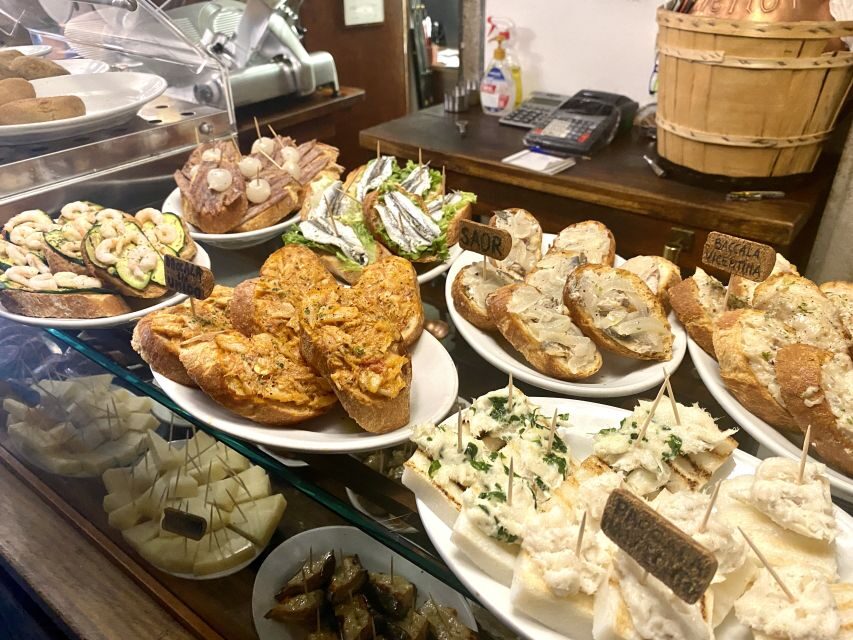
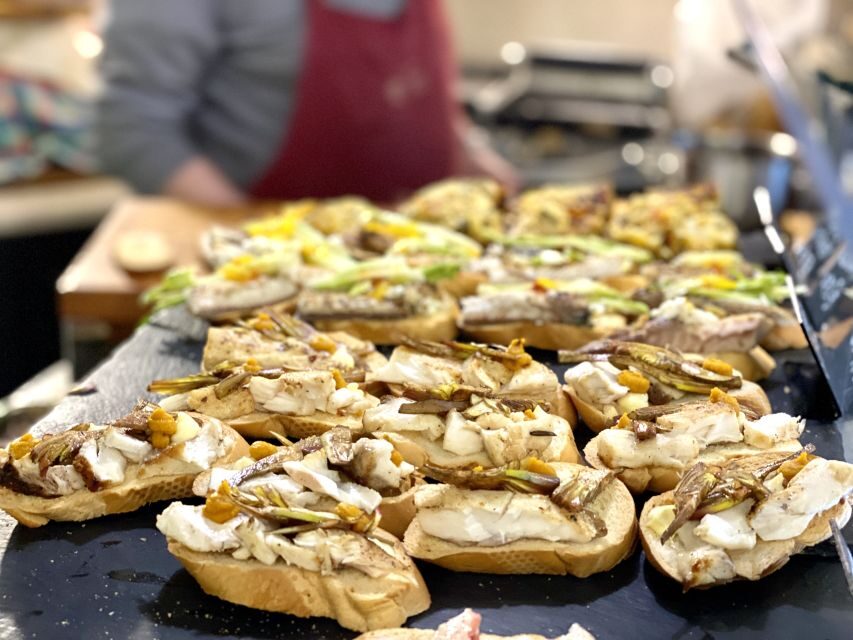
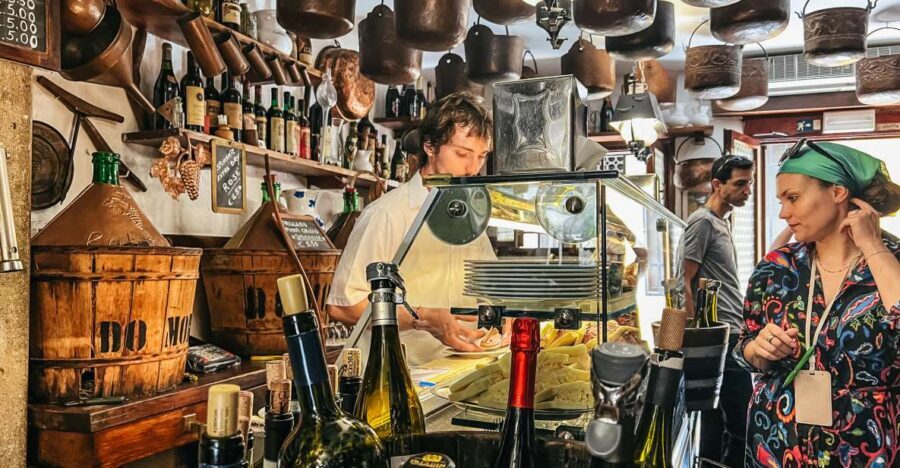
Now for the star move: cicchetti. This tour treats cicchetti as culture, not just food. You’ll experience these tapas-like snacks in cozy bàcari—Venetian bars where people stop for a bite and something to drink, often as part of their social routine.
What makes this portion work is the pacing. You’re not thrown into one giant meal. The tour spreads tastings across multiple stops so you can keep walking, digesting, and still try enough to feel like you ate a real lunch.
From the feedback you provided, many people specifically liked the guide’s approach to options and explanations. One recurring theme is that you can ask for alternatives when you don’t want a particular flavor, and you’re not judged for taking the more comfortable path. That matters in Venice, because a lot of “authentic” street food can involve seafood-forward flavors and bold combinations.
Also, drinks aren’t included, so if you want a spritz or wine pairing, you’ll be buying it on your own at certain stops. In the review notes you shared, prices mentioned were roughly in the €2.50–€3.50 range for drinks, and some guides do wine pairings optionally. That’s a useful heads-up for budgeting.
You can also read our reviews of more tours and experiences in Venice



What you’ll eat: small bites that add up
This is where people are often surprised. Even though the foods are bite-sized, the tour tends to feel filling by the end. A lot of comments highlight that you leave satisfied because the tastings come in enough quantity and variety to cover the experience.
Expect a mix of Venetian specialties and street-food type snacks. Your route includes items like buranelli biscuits, plus other traditional bites that match local tastes rather than generic Italian tourist fare. The tour also includes artisanal gelato, which gives you a sweet reset before the final leg.
If you’re the kind of eater who wants to try things you wouldn’t order alone, this tour supports that. Multiple notes mention adventurous selections like seafood-based preparations and other local specialties. If you’re more cautious, the guide’s approach is usually flexible: they describe what’s coming and offer choices so you don’t feel stuck eating something you dislike.
One small strategy: come hungry, but not starving. Since you’ll be sampling several items over 2.5 hours, being overly hungry can make everything feel too intense. Being properly hungry makes the variety enjoyable instead of overwhelming.
The walk toward Campo Santa Margherita in Dorsoduro
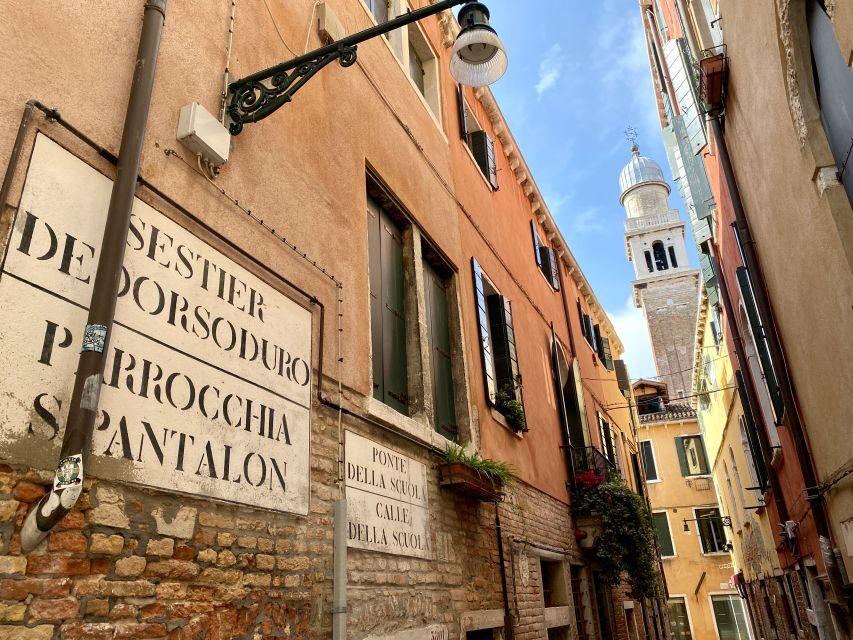
The finish is Campo Santa Margherita in the Dorsoduro district, near the university. This is a smart ending point because it’s surrounded by local restaurants and farmers’ market energy, so you’re not dumped back into a dead-end tourist zone.
Campo Santa Margherita also makes sense geographically. By the time you reach it, you’ve already seen Rialto’s market axis and Basilica dei Frari’s religious landmark. Ending in Dorsoduro gives you a sense of how Venice shifts from one neighborhood identity to another—without needing a second tour to keep moving.
In your final stretch, expect the mood to feel more like you’re walking with locals after their errands. It’s a good place to keep your momentum going if you still have appetite for one more gelato or a simple drink.
Price and value: is $57 worth it?
For $57 per person over 2.5 hours, you’re paying for three things: a local guide, a walking route with key stops, and multiple tastings. Drinks are not included, which is normal for this kind of tour, but it’s important for value math.
Here’s the way I’d judge whether it’s a good deal: if you’re new to Venice and you don’t know what to order in bàcari, the guide can save you trial-and-error. The tastings help you sample Venetian snacks you might not pick on your own, especially if your food preferences lean toward safer options.
Also, you’re getting more than food. The route includes historical highlights such as Basilica dei Frari and scenic urban segments like Campo squares and the market environment. That combination is why many people describe it as a strong introduction to Venetian street food and a practical way to orient themselves on their first days in the city.
If you already have a strong plan for cicchetti stops and you’re confident ordering in Italian, you might feel it’s less of a bargain. But for most first-time visitors, $57 for a guided tasting walk with multiple locations is a fair value.
Who this tour suits best (and who should skip it)
This tour is ideal if you want Venice food that feels local, not generic. You’ll probably enjoy it most if you like walking, you’re curious about cicchetti culture, and you don’t mind that some dishes are seafood-forward.
It’s also a good fit if you want an easy way to explore neighborhoods you might otherwise miss. Multiple comments you shared mention that the walk takes you into pockets of Venice off the main drag.
Skip it if any of these are true:
- You need vegan, dairy, or gluten-free food, because those diets can’t be accommodated.
- You use a wheelchair, since the tour is not suitable for wheelchair users.
- You expect drinks to be included in the price (they aren’t).
Should you book this Venice street food tour?
Yes—if you want a smart first taste of Venice that connects market life to cicchetti. The biggest reason to book is the structure: Rialto Market sights, guided tastings along the way, and an ending in Dorsoduro where you can keep exploring on your own.
Book this especially if you like clarity. People repeatedly highlight that guides such as Tone, Ana, Vanessa, and Dennis explain dishes and the local meaning behind them, and that the pacing keeps you comfortable while you try a range of foods. If you’re the type who asks questions and wants recommendations for what to do next, this tour usually delivers that too.
One final decision tip: if you specifically care about the fish market, choose your timing carefully. The fish market is closed on Sundays, Mondays, and Italian holidays, and it’s closed on the afternoon tour. If fish-market access is a must for you, pick accordingly.
FAQ
How long is the Venice street food tour?
It lasts about 2.5 hours.
What’s included in the price?
The tour includes several food tastings, a local expert guide, and a walking tour.
Are drinks included?
No, drinks are not included.
Where do I meet the guide?
Meet in Campo San Bartolomìo next to the statue. Your guide will be holding a sign that says Food Tour.
Can I get a vegetarian option?
Yes. Vegetarian options are supported, and you can inform the provider of dietary needs when booking.
Can vegan, dairy, or gluten-free diets be accommodated?
No. Vegan, dairy, and gluten-free diets cannot be accommodated.
Is the fish market part included on every tour?
No. The fish market is closed on Sundays, Mondays, and Italian holidays, and it’s closed on the afternoon tour.
Is the tour suitable for wheelchair users?
No, it is not suitable for wheelchair users.
What should I bring?
Wear comfortable shoes.