REVIEW · VENICE
Ellegi Murano Glass: The Art of Tradition
Book on GetYourGuide →Operated by Ellegi Murano Glass Srl · Bookable on GetYourGuide
Murano glass turns heat into art fast. At Ellegi Murano Glass, a family-run workshop with a tradition said to be about 600 years old, you get glass processing demonstrations and see the furnace up close. The main thing to consider is that the visit is short, so what you see depends on flow, language availability, and hearing.
I like that it’s easy to tack onto a day on Murano: the factory is just a few steps from the Faro boat stop and near big stops like the Glass Museum and the Basilica of Santa Maria e San Donato. You’ll also find a smooth setup for most people, since there are no architectural barriers mentioned, and it’s designed for wheelchair access.
You also get solid value for the time—about $5 per person—plus kids up to 15 go free, and pets are welcome. Still, with a factory this popular and a demo this quick, it’s smart to manage expectations about seeing everything in depth.
In This Review
- Key things that make Ellegi Murano Glass worth your stop
- Why this Murano glass demo feels different than a quick sales pitch
- Finding the factory: Faro boat stop to a courtyard sign
- The 15-minute rhythm: what happens from start to finish
- Inside the demo: furnace heat and the moment glass becomes form
- Two techniques explained: hot-blown vs molded glass work
- Showroom time: handmade pieces you can actually buy
- Value for $5: why a short ticket can still make sense
- Language, noise, and crowd flow: how to get the best version
- Best for families, craft lovers, and quick-sightseeing days
- Should you book Ellegi Murano Glass?
Key things that make Ellegi Murano Glass worth your stop
- 600-year family tradition: A workshop built on passing down technique through generations, with no formal school path listed.
- Short, focused demo: Plan for about 15 minutes, with the experience described as lasting around 20 minutes depending on the flow.
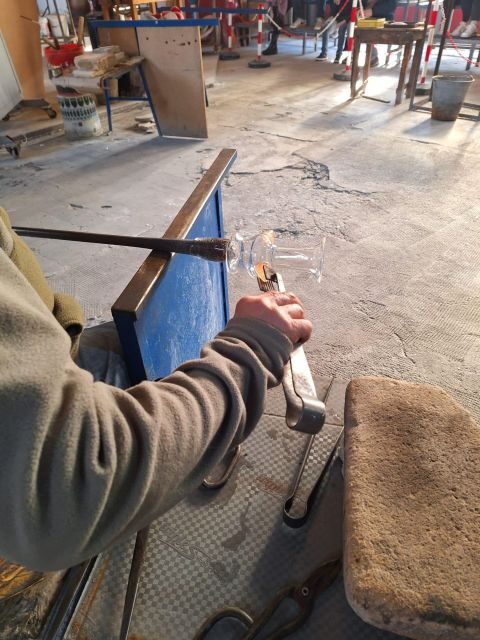
- Furnace and real glass shaping: You watch hot glass get extracted at high temperatures and shaped in front of your eyes.
- Two techniques explained: You get explanations of the hot-blown and molded processes in your chosen language.
- Easy Murano access: Close to Faro stop and major Murano sights; even a private boat pier is available via taxi.
- Kids free and pets welcome: It’s set up to be practical for families, not just art-school tourists.
Why this Murano glass demo feels different than a quick sales pitch
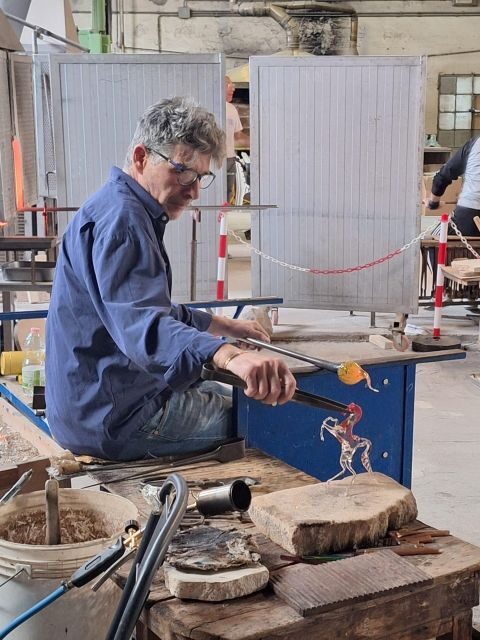
Ellegi Murano Glass keeps the tone simple: you come in, you watch skilled people work, and you leave with a better sense of what Murano glass making actually involves. Instead of just pointing at finished objects, the focus is on the steps—how glass is extracted from intense heat and shaped by hand.
The short format is a feature, not a flaw. At around 15 minutes for the guided tour (sometimes closer to 20), you get the core “how it’s made” story without burning half a day. That matters on Murano, where you may already be walking between the Glass Museum, churches, and canals.
I also like that this place is built on craft continuity: the idea that the technique comes from generation to generation shows up in the way they frame the demonstrations. It’s not presented as a one-off trick; it’s treated like a working tradition.
One thing to keep in mind: the experience quality can hinge on practical details like language choice, noise level, and how the demonstration schedule runs that day. If you need very specific language coverage, it’s worth planning carefully.
You can also read our reviews of more tours and experiences in Venice.


Finding the factory: Faro boat stop to a courtyard sign
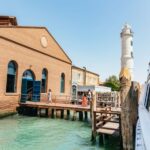
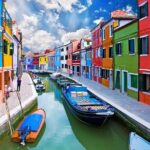
Getting here is refreshingly easy. The factory is located just a few steps from the main boat stop on Murano named Faro, which means you can hop off, walk in, and be back on the island circuit fast. You’re also close to the Glass Museum and the Basilica of Santa Maria e San Donato, so it fits naturally between major sights.
If you’re not in the mood for walking (or you’re arriving with friends by private transport), there’s another option. The information states that they have a private boat pier if you come by private taxi, which can save time and hassle.
Inside, you meet in the internal courtyard of the factory. There’s a sign above the entrance with the factory name, so look up as you approach; it makes the start point easy to identify.
This is also where the “no barriers” promise shows up. The tour location is described as wheelchair accessible and smooth to reach, which is a big plus in places like Venice where streets can turn into a puzzle.
The 15-minute rhythm: what happens from start to finish
Here’s the simple flow you can expect. You start at the Ellegi Murano Glass Factory in the internal courtyard, where the guided visit begins. Then you watch the glass processing demonstrations, and you also get time in the showroom.
The experience is basically a quick loop: courtyard to demo, then back to the showroom area. You’re not losing your day, but you also shouldn’t plan to multitask while you’re inside—this is a watch-and-listen experience.
Even though the tour is brief, the way it’s structured is meant to keep it understandable for different age groups. Explanations are available in Italian, English, Spanish, and French, and that helps a lot when the shaping happens fast.
Because it’s short, it helps to come in with a clear goal. If you want the real takeaway—how hot glass becomes art—stay focused during the furnace portion. That’s the moment that tends to make people stop talking and just watch.
Inside the demo: furnace heat and the moment glass becomes form
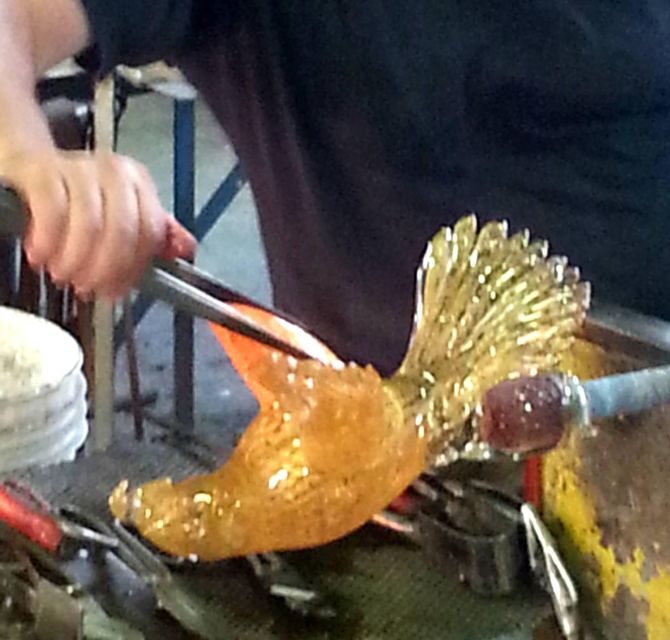
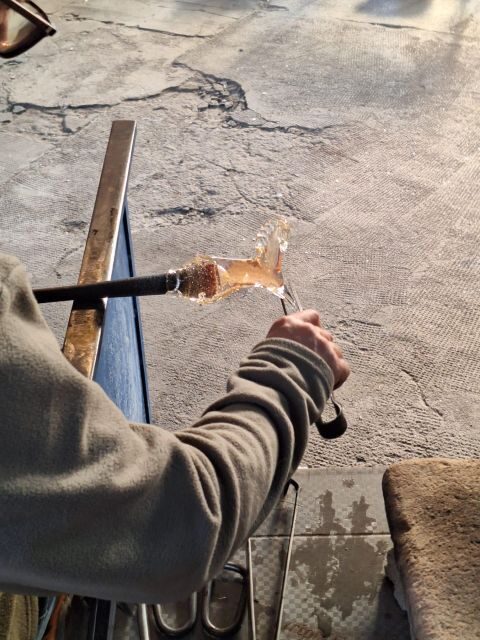
The heart of this visit is the demonstration of glass processing techniques. They describe hot glass being extracted at high temperatures, then shaped right in front of you by skilled craftsmen.
If you’ve seen photos of blown glass before, this still hits differently because you’re seeing scale and motion in real time. The tools, the rhythm, and the speed with which the artisans work are part of the story. Kids often find it magical, and adults usually appreciate how technical it really is once you watch long enough.
They also mention that the demo covers production of artistic glassware, not just a generic “look at glass” moment. You’re watching something purposeful: shaping glass while it’s still workable.
The furnace is called out specifically, which matters because it sets the right mood. You’re not just in a showroom; you’re in a workshop space where heat is central and everything makes practical sense.
One realistic consideration: because the time is limited, you might see the most exciting steps rather than the entire workflow from raw materials to final packaging. If you’re hoping for a long, step-by-step craft documentary, you’ll want a different kind of experience.
Two techniques explained: hot-blown vs molded glass work
What I like here is that it’s not one single trick. The information says there are two techniques used, and each one is explained in detail by the speaker in the language required for the tour.
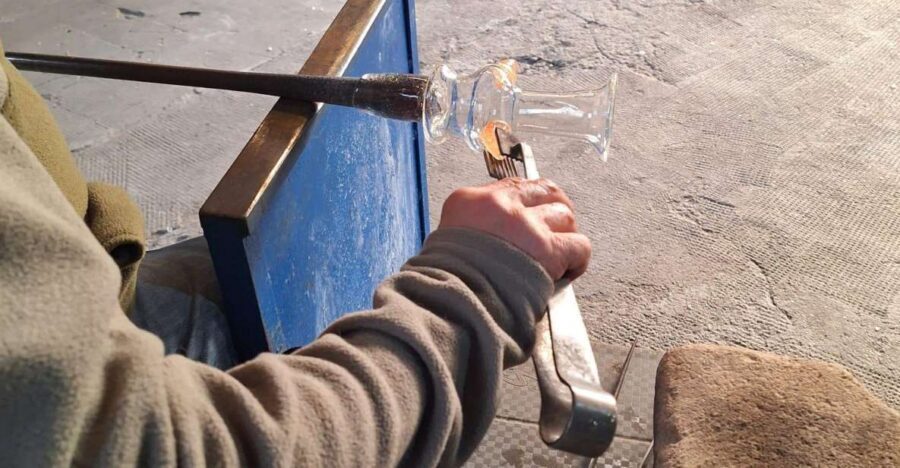
The techniques referenced are hot blown or molded glass. In plain terms: you’ll see the kind of shaping that relies on blowing, and you’ll also see how molding can form glass into a specific shape.
This matters because it teaches you to look smarter. When you later see Murano objects in shops, you can start thinking about the method behind the shape—whether it was formed by free-hand blowing techniques or by using molds to guide the result.
The demo is also framed as a memory-maker, not just a lecture. Watching glass transform while someone explains what you’re seeing gives you context, and that context is what makes the experience stick.
Do expect it to move at a quick pace. When craftsmen are working at furnace-hot temperatures, slow viewing isn’t really the point. Your best strategy is to position yourself where you can clearly see the action and the speaker’s explanation.



Showroom time: handmade pieces you can actually buy
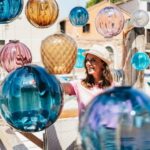
After the demonstration, you visit the showroom in the same area. This is where you can admire the finished handmade products and shop if something catches your eye.
I like that this isn’t framed as a hard-sell pressure moment. The showroom exists because the craft is the product, and it’s the natural next step: you see the technique, then you see the result.
Because it’s a factory showroom tied to their own work, you can think of it as a chance to connect what you watched to what you might take home. The details may be small, but your brain has just been trained on the technique, so you’re more likely to appreciate the differences in form and process.
One thing to watch for: if parts of the display area are under refurbishment, your experience could feel more limited than expected. That’s not guaranteed, but it’s a real enough possibility that you should check what’s open when you arrive.
Value for $5: why a short ticket can still make sense
Let’s talk money. At about $5 per person, this is a low-cost way to get real craft time on Murano without needing a long workshop booking.
The big value isn’t just the price. It’s that you’re paying to watch actual glass processing—at heat, in motion, with explanations in multiple languages. In a place where it’s easy to spend time only browsing storefronts, this gives you a practical understanding of the art.
Is it perfect? Not necessarily. Some people have found the experience more like a quick stop than a deep, unhurried master class. It’s also possible to feel that hearing or pacing isn’t ideal, especially if the group flow or the speaking setup doesn’t line up with your spot.
Still, as a short add-on, it’s hard to beat. If you want a Murano highlight that doesn’t steal your entire day, this works.
Language, noise, and crowd flow: how to get the best version
This is the part you should take seriously, because the tour is short. They offer live guidance in Italian, English, Spanish, and French, which is a great system on paper.
In practice, your experience depends on whether the language you picked matches what’s running that session. If you booked Spanish or French and language coverage is your top priority, I’d treat that as a must-check before you commit to the exact time slot.
Hearing also matters. The demo includes spoken explanations while glasswork is happening in front of you, and the space is described as a workshop-like setting. If you’re sensitive to noise, pick a spot where you can see both the speaker and the crafting action.
Finally, keep your expectations aligned with the format. With a factory stop measured in minutes, there will be a limit to how much you can see. Some people feel they can’t observe everything closely, and you can’t expect a one-on-one experience at this pace.
Best for families, craft lovers, and quick-sightseeing days
This experience is set up for a broad mix of visitors. Kids until 15 years old are free, and they welcome pets, which makes it easier to plan a day without finding separate activities for younger family members.
If you love making sense of what you’re seeing—why a shape exists, what changes in the process—this is a good match. A short guided demo gives you context you can carry into the rest of Murano, from museums to church visits.
It also works well if your day on Murano is already packed. You can pair it with major sights near Faro, then spend the rest of your time walking, browsing, and taking photos.
Who might skip it? If you’re the type who wants a long, behind-the-scenes workshop tour with every step explained slowly, the short timing here may feel rushed. For that, you’ll probably want a different workshop style that’s built for extended observation.
Should you book Ellegi Murano Glass?
Book it if you want a practical Murano craft moment with real demonstrations, clear language options, and easy access from Faro. At around $5, it’s a low-risk way to see how artistic glass is shaped while it’s still hot, then connect that to the showroom pieces.
Consider a different option if language accuracy is critical for you, if you need a quieter, longer viewing experience, or if you’re hoping to see every part of the production workflow. Since the tour is brief and can vary day to day, go in knowing your goal is the main technique demo and furnace moment—not an hour-by-hour factory documentary.
If you’re building a Murano day around major sights, this is one of the simplest ways to add “how it’s made” to your itinerary.