REVIEW · VERONA
3-Hour Walking Tour with Guide Discovering Verona
Book on Viator →Operated by Guide in Verona · Bookable on Viator
Verona is small, but it has layers. This 3-hour walk helps you see the city’s big names and the quieter stories that explain how it all fits together. I like that it links history to specific streets, so the centro storico feels logical instead of random.
Two things I really love: the focus on iconic Verona landmarks and the way the guide turns them into real, human stories (often with fun facts). I also appreciate the manageable group size (max 20) and the steady pace that lets you actually look, not just hustle for photos.
One possible drawback: it’s still a walk for 3 hours, so if you’re tired easily or not used to cobblestones, plan on comfortable shoes and breaks when you need them.
In This Review
- Key Highlights You’ll Notice Right Away
- Starting at Piazza Bra: Verona’s Stage Is Already Set
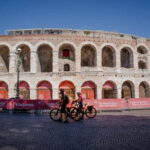
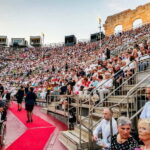
- Arena di Verona: Start With the Monument Everyone Knows
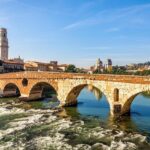
- Scaligero Bridge: A Medieval Photo Magnet With a Brain Attached
- Piazza dei Signori: Where Power Played Out in Public
- San Lorenzo and Other Churches: Not Just Pretty Buildings
- Piazza delle Erbe: The City’s Center Feels Like a Living Stage
- Casa di Giulietta: Juliet Is Here, But You’re Looking at the City Too
- Cattedrale di Sant’Anastasia: Big Church, Clear Reasons to Care
- I Portoni della Bra and Arche Scaligere: Verona’s Symbols and Its Power Buried
- Romeo’s House (Casa di Romeo): The Legend’s Address
- Arco dei Gavi: Roman Echoes in a Renaissance-Style Verona
- Chiesa delle Sante Teuteria e Tosca: Veneto’s Oldest Place of Worship
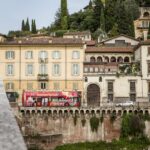
- Finishing at Piazzale Castel San Pietro: A View That Adds Closure
- How the 3-Hour Walking Format Fits Real Travel Days
- Price and Value: Why $68.67 Can Be Fair
- Who This Tour Is Best For (and Who Might Skip It)
- Should You Book This Verona Walking Tour?
- FAQ
- How long is the 3-Hour Walking Tour with Guide Discovering Verona?
- What language is the tour offered in?
- Is pickup available?
- Where do we meet and where does the tour end?
- Is there a group limit?
- What happens if the weather is bad or I need to cancel?
Key Highlights You’ll Notice Right Away
- Arena di Verona first: you start with one of the world’s most famous monuments and get its “how did this happen?” story.
- Scaligero Bridge stop: classic medieval architecture with time for photos and an explanation of what makes it special.
- Verona’s power centers: Piazza dei Signori and nearby streets put the city’s political past into context.
- Church stops that matter: you’ll see multiple churches tied to Verona’s long religious history, not just one quick visit.
- Romeo-and-Juliet sights with a historical angle: Casa di Giulietta and Casa di Romeo are part of the route, but the emphasis is on the real city around the legend.
- End with views from Castel San Pietro: the walk finishes with a look at Verona from above, so the day feels complete.
Starting at Piazza Bra: Verona’s Stage Is Already Set
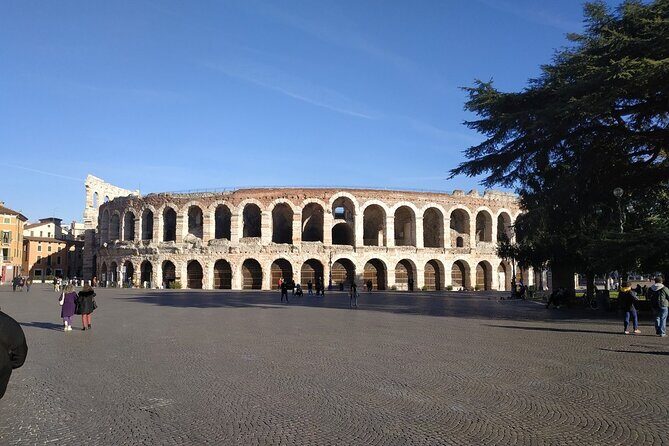
Your tour begins at Piazza Bra, right in the heart of Verona’s main showpiece area. This is a smart starting point because it’s easy to orient yourself fast—most of what you’ll see later is connected to the streets radiating out from here.
From the start, expect a guided rhythm: you’ll move at a walking pace that makes stops meaningful. With a small group (up to 20), you’re less likely to feel lost in a crowd, and it’s easier to ask basic questions about what you’re looking at.
The route is designed for a “walk and understand” experience. Instead of just checking boxes, you get the city’s timeline in chunks, moving from major monuments to political squares to the religious sites that shaped daily life.
You can also read our reviews of more walking tours in Verona

Arena di Verona: Start With the Monument Everyone Knows
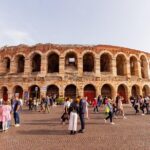
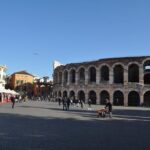
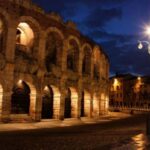
The first stop is the Arena di Verona. Even if you’ve seen photos, the scale hits differently in person. This tour frames it as more than a famous building—it’s treated like a starting chapter in Verona’s story.
You’re given about 15 minutes here, and the guide’s goal is to help you understand why the Arena feels so iconic. You’ll also get a sense of the monument’s “secret history,” which is a great approach for anyone who’s tired of generic descriptions.
Admission at this stop is listed as free, which is a nice bonus for value. Practically, it means you can spend your time learning rather than worrying about ticket steps.
Tip for your photos: stand back for a wider view of the Arena first, then move in for details. The guide’s timing makes it easier to do both without feeling rushed.
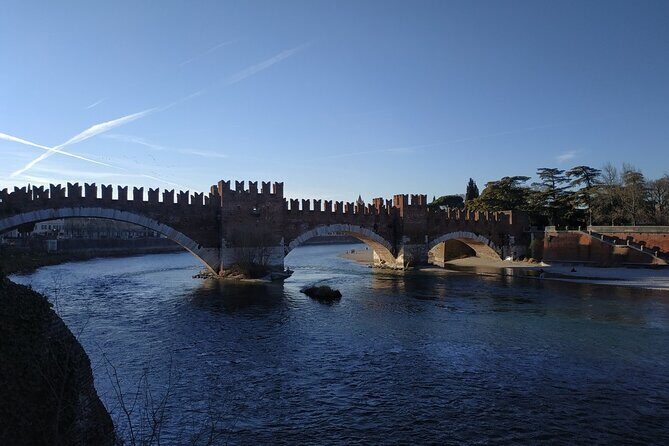
Scaligero Bridge: A Medieval Photo Magnet With a Brain Attached
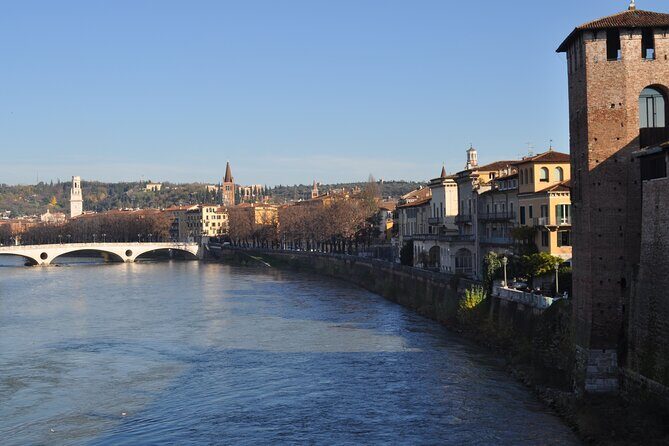
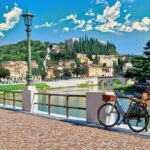
Next you’ll walk to the Scaligero Bridge. This is one of those Verona scenes that you’ll recognize instantly, even if you can’t place it on a map. The key here is the explanation that gives the bridge weight beyond the postcard view.
You’ll have around 8 minutes. That’s short, but it’s enough time to get photos and hear what makes the design special, especially in a city where different eras overlap so neatly.
Admission is listed as included for this stop, so you shouldn’t need to solve any extra ticket puzzles. It’s one less thing to juggle on a busy walking route.
If you like architecture, this stop is a strong early win. The guide’s descriptions make the bridge feel like part of Verona’s working identity—not just a pretty crossing.
Piazza dei Signori: Where Power Played Out in Public
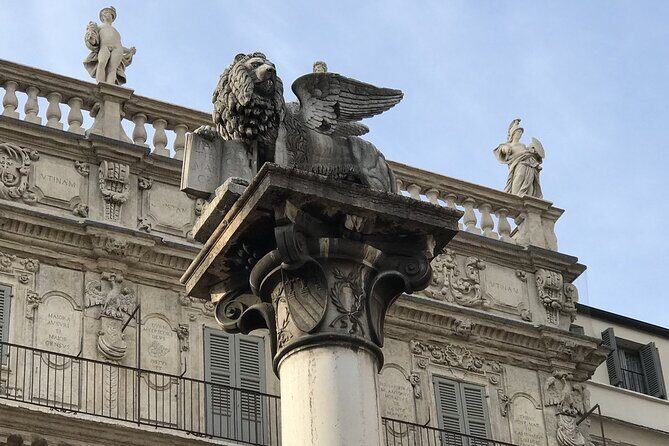
Then you reach Piazza dei Signori, about 20 minutes on this stop. This square matters because it’s tied to the center of Verona’s political life.
What I like about this kind of stop is that it changes how you “read” the city. After you know where power concentrated, the buildings around you start to look purposeful, not decorative.
This is also a good stretch of time to pause and just watch. Squares like this are where Verona’s street life makes sense—people move through the same spaces that mattered historically.
Admission is listed as free for this stop. So again, you’re paying for the story and guidance, not for another timed ticket entry.
San Lorenzo and Other Churches: Not Just Pretty Buildings
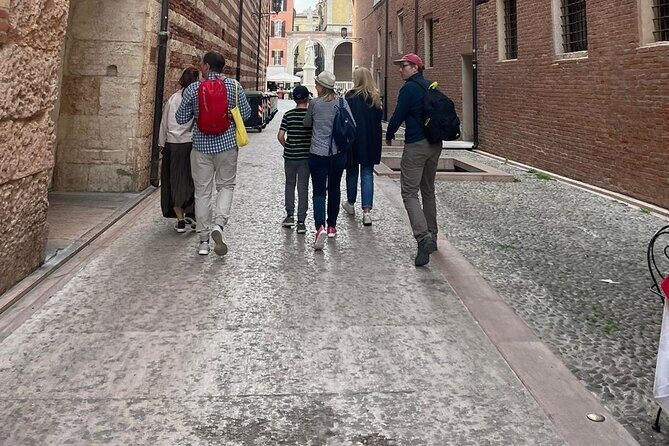
Your walking route includes chiesa di San Lorenzo – Verona (about 5 minutes). This is the kind of quick stop that helps you spot Verona’s religious artistry without turning the whole tour into a cathedral marathon.
The tour keeps going with additional church highlights later, which I found helpful. You don’t just get one viewpoint; you get several small doses of meaning tied to different eras and functions.
Even with short time blocks, churches on this route tend to be chosen for specific features. So if you’re the type who likes to notice textures, symbols, and artwork, you’ll get more out of them than a generic walk-by.
Admission is listed as free at San Lorenzo. The practical value is that the guide can focus on explanation while you keep moving.
You can also read our reviews of more guided tours in Verona


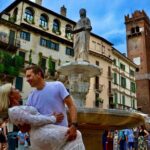
Piazza delle Erbe: The City’s Center Feels Like a Living Stage
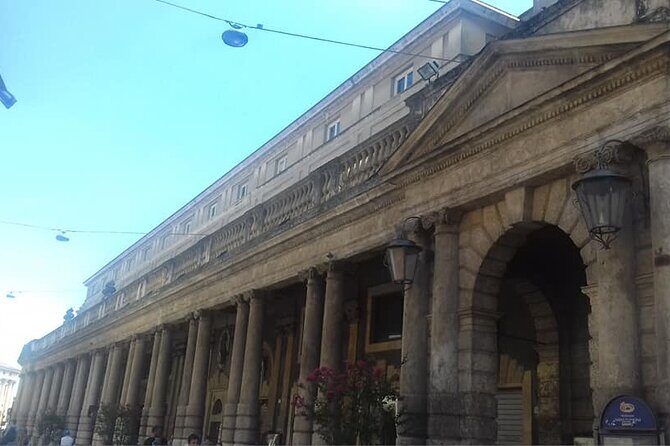
Piazza delle Erbe is next, and it’s a classic for good reason. You get about 20 minutes here, which is long enough to feel the square as a place, not just a photo backdrop.
This stop is described as the center of Verona with an atmosphere where there’s a story around every corner. That’s exactly what you want from a walking tour: details that help you understand what you’re seeing right now.
I like giving this square time because it helps you slow down. Even if you don’t stop for a snack, you can look at how the space shapes movement—where people gather, where they pass through, and how the buildings frame the square.
Admission is listed as free. So this is mostly about timing, guidance, and letting the city’s daily rhythm do its job.
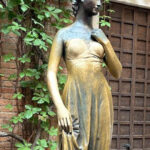
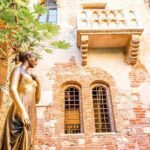
Casa di Giulietta: Juliet Is Here, But You’re Looking at the City Too
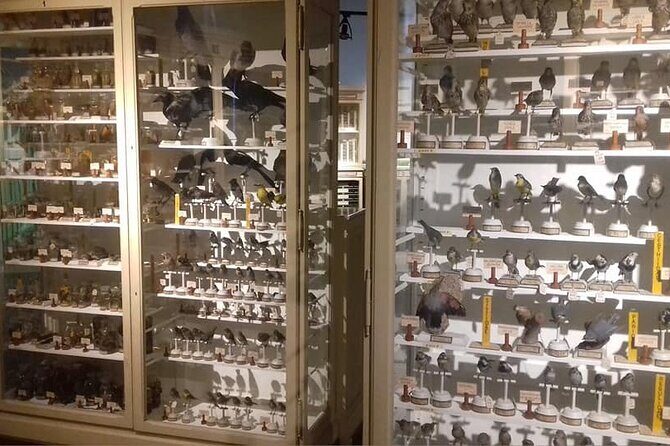
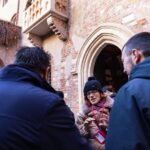
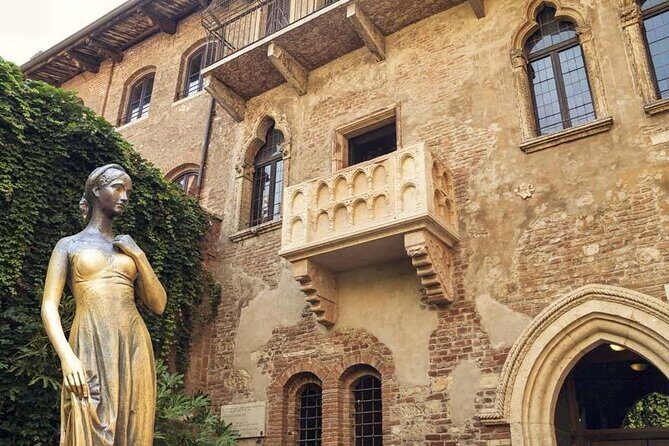
The tour heads to Casa di Giulietta for about 15 minutes. Yes, it’s one of Verona’s most famous stops, and it’s tied to Shakespeare’s tragedy.
What makes this version worth your time is the angle: you’re told the true story behind what the site represents, not just the romantic headline. That turns it from a tourist checkbox into a more thoughtful entry point into how Verona sells (and interprets) its legends.
Admission is listed as free. That helps you focus on the guided storytelling rather than budgeting for extra fees mid-walk.
If you’re traveling with kids, or you’re simply a fan of the Romeo-and-Juliet myth, this stop will likely be a highlight. If you’re more history-focused, you’ll still get something out of it by learning how the legend connects to the city’s identity.
Cattedrale di Sant’Anastasia: Big Church, Clear Reasons to Care
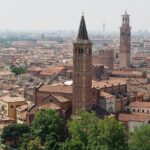
Next is Cattedrale di Sant’Anastasia, about 12 minutes. This is described as the largest church in Verona, and the tour connects it to Pisanello’s frescoes.
This kind of stop works well on a walking tour because it’s specific. You’re not just told a church exists—you’re pointed toward the artistic reason it’s notable.
Admission is listed as free, so the tour remains easy to manage. You can spend time looking at the church’s role in the city’s long timeline without worrying about extra costs.
Practical note: churches can feel cooler and quieter than streets. That’s a nice mental reset during a 3-hour walk.
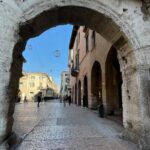
I Portoni della Bra and Arche Scaligere: Verona’s Symbols and Its Power Buried
I Portoni della Bra is a short stop (about 10 minutes), described as one of the city’s symbols. Even if you don’t know it by name, you’ll recognize how distinctive these structures are once you see them.
Then comes Arche Scaligere for about 20 minutes. This is one of the most rewarding stops if you like medieval power. The site is described as the burial place of the princes of the Middle Ages, which gives the stones a purpose beyond decoration.
I like when tours treat tombs as history with stakes. You get the feeling that Verona’s elite left marks not just in palaces and politics, but also in how they were remembered.
Admission is listed as free for these stops, so the value is mostly in what the guide helps you understand.
Romeo’s House (Casa di Romeo): The Legend’s Address
The route includes Casa di Romeo (Romeo’s House) for about 10 minutes. This is another famous Verona stop, but it’s paired with the same approach as Juliet: you get the site tied to the story while the guide keeps pointing you back to the real city around it.
You’ll notice the tour includes Romeo’s House more than once. That can actually be helpful. Two short passes give you a chance to see how the streets and viewpoints work, not just the one front-facing moment.
Admission is listed as free for the Romeo house stops. So again, you’re paying for guidance and timing more than ticket friction.
Arco dei Gavi: Roman Echoes in a Renaissance-Style Verona
Arco dei Gavi is listed as a stop about 10 minutes. It’s described as a piece of ancient Rome, but “immersed” in the Veronese Renaissance.
That phrasing matters. Verona doesn’t just preserve history in separate boxes. It layers it—so you can feel the Roman imprint showing up inside later styles.
This stop is short, but it’s the kind of stop that changes how you look at other buildings afterward. Once you’ve been primed to notice layers, you start spotting them on your own during the rest of the day.
Admission is listed as free, so you’re moving on quickly without paying more.
Chiesa delle Sante Teuteria e Tosca: Veneto’s Oldest Place of Worship
Chiesa delle Sante Teuteria e Tosca is about 10 minutes and is described as the oldest place of worship in the Veneto. That’s a big claim, and it gives this stop a sense of age you can feel.
I like this inclusion because it adds depth. After the famous names, you get a reminder that Verona’s story also lives in quieter institutions that served normal routines for centuries.
Admission is listed as free, which keeps the tour smooth.
Finishing at Piazzale Castel San Pietro: A View That Adds Closure
The tour ends at Porta Leoni, via Leoni, but the route includes a final viewpoint stop at Piazzale Castel San Pietro for about 10 minutes. This is described as the place where “our was born,” which appears to be tied to the Romeo story in this route.
Even without focusing on the wording, the important point is the viewpoint. Finishing with height is a great way to lock in what you learned. You can step back, see how the city spreads, and understand how the monuments connect.
Admission is listed as free, and this final stretch is about feeling the geography, not collecting more facts.
Then you wrap up at the end point near Porta Leoni. It’s a practical exit because you’ll be close to onward walking or local transit.
How the 3-Hour Walking Format Fits Real Travel Days
This is a 3-hour tour, offered in English, and it’s designed to cover a lot without feeling like a full-day marathon. That matters in Verona, where you’ll often want time afterward for wandering, gelato, or a self-guided loop back through the streets.
The group size max is 20, which is a real quality factor. In smaller groups, guides can keep an eye on pacing and make sure everyone is keeping up. In fact, guides named Evgeniy/Eugenio are described as checking in on pace and adjusting so you stay comfortable.
Also, this tour is described as requiring good weather. That doesn’t mean it only runs in perfect sunshine. It does mean you should plan your schedule with a little flexibility and be ready for the fact that you’re outdoors for most of it.
If you’re traveling with kids, the tour is described as fun even for children, so long as you keep your expectations realistic about what a walking tour can do in 3 hours.
Price and Value: Why $68.67 Can Be Fair
The price is $68.67 per person for about 3 hours with an English-speaking guide. At first glance, it’s not “cheap,” but walking tours like this often earn their cost in two ways: clarity and saved time.
First, you’re not just paying for movement. You’re paying for interpretation—how the Arena fits into Verona’s long story, how the squares connect to power, and how bridges and tombs fit into the city’s identity.
Second, the stop list shows that most admission items are listed as free, with at least one stop explicitly included. That reduces the chance you’ll get hit with surprise costs as you go. It also means your guide can keep you moving without constant detours to buy tickets.
So the value is strongest if you like context. If you prefer pure photo time with zero talking, you might find a guided format less satisfying than a self-guided route.
Who This Tour Is Best For (and Who Might Skip It)
You’ll probably love this tour if you want:
- A clear introduction to Verona’s center without needing to do heavy research first
- A guide who explains monuments like they’re part of everyday Verona’s identity
- Romeo-and-Juliet sights plus real history around them
You might skip it if:
- You dislike walking and prefer shorter stops with less movement
- You already know Verona deeply and want a very specialized theme
- You need fully flexible pacing (this is still a guided walk, and the route is set)
Should You Book This Verona Walking Tour?
If you’re going to do only one guided experience in Verona, I’d lean toward booking this. It hits the major anchors—Arena, Juliet, Romeo, key squares, major churches, and medieval tombs—then connects them into a story that makes the city feel coherent.
The biggest decision point is your tolerance for a 3-hour outdoor walk. If you’re good on your feet, this is a strong way to learn faster and feel more confident exploring on your own afterward.
FAQ
How long is the 3-Hour Walking Tour with Guide Discovering Verona?
It lasts about 3 hours.
What language is the tour offered in?
The tour is offered in English.
Is pickup available?
Yes, pickup is offered.
Where do we meet and where does the tour end?
You start at Piazza Bra, Verona VR, Italy and end at Porta Leoni, Via Leoni, 37100 Verona VR, Italy.
Is there a group limit?
Yes. The tour has a maximum of 20 travelers.
What happens if the weather is bad or I need to cancel?
The experience requires good weather. If it’s canceled due to poor weather, you’ll be offered a different date or a full refund. You can cancel up to 24 hours in advance for a full refund.