REVIEW · VENICE
Friendinvenice Cannaregio &Jewish Heritage- private tour
Book on Viator →Operated by Friend in Venice Private Tours · Bookable on Viator
Venice’s quieter side has serious stories. This private 3-hour walk blends everyday Cannaregio life with the Jewish Ghetto and a quick look at Tintoretto’s home. It is intimate, paced by your group, and led in English.
I especially like the way the route connects local Venice—bacari, children playing, and even rowing culture—with the rules and pressures that shaped Jewish life in the Venetian Republic. The other big plus is the guide experience; Giorgia stands out for being friendly, informative, and able to tune parts of the tour to your interests.
One thing to consider: the stops are time-sliced. You’ll spend about 1 hour in the Ghetto area and only around 10 minutes at Casa del Tintoretto, so it is not for you if you want long, slow museum-style time at any single place.
In This Review
- Key points at a glance
- Cannaregio and Jewish Heritage: a Venice tour with purpose
- Meeting point and pacing on a 3-hour private route
- Stop 1: Cannaregio’s reed-marsh origin and the Venice locals still use
- Stop 2: Ghetto Ebraico and the March 29, 1516 decree
- Stop 3: Casa del Tintoretto on Fondamenta dei Mori in about 10 minutes
- Giorgia’s guiding style: friendly, tailored, and careful with context
- Value check: what $162.31 buys in Venice
- Practical notes before you go
- Should you book this Cannaregio & Jewish Heritage private tour?
- FAQ
- How long is the Friend in Venice Cannaregio and Jewish Heritage private tour?
- What neighborhoods are included?
- Is pickup available?
- Is the tour private?
- What language is the tour offered in?
- Are tickets included for each stop?
- Where does the tour start and end?
- Is there an access fee for some visitors?
- What is the cancellation policy?
Key points at a glance

- Private, English-language tour: only your group, with a guide who can adjust the flow.
- Hotel pickup in Venice: convenient start, with the tour ending in Cannaregio.
- Cannaregio first, Ghetto second: you build context before you enter the historic area.
- Included tickets where it counts: Ghetto Ebraico and Casa del Tintoretto are covered.
- A quick Tintoretto stop: short visit, packed with details on his house and art legacy.
Cannaregio and Jewish Heritage: a Venice tour with purpose
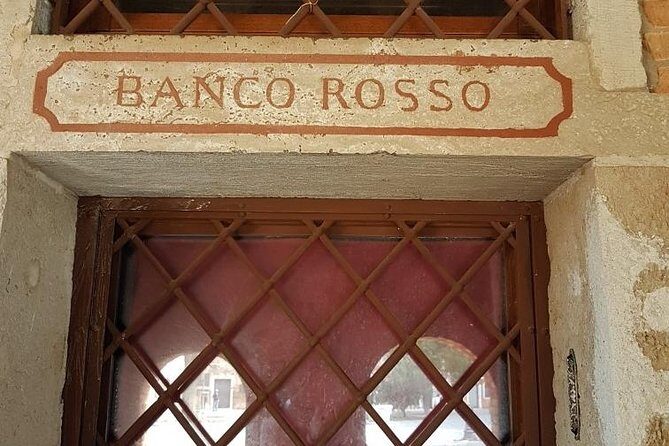
This is not a checklist tour. The structure matters: you start in Cannaregio, Venice’s more lived-in side of town, then shift into the history of the Ghetto Ebraico, and finally tie the trip to art through Tintoretto’s house.
That order is smart because it helps you read the city in layers. Cannaregio gives you texture—streets where old customs still show up, canal life beyond the main tourist routes, and that sense of Venice as a functioning neighborhood. Then the Ghetto stop gives you the historical weight: rules, identity, and survival under a republic that both constrained and protected. Finally, Tintoretto’s home anchors everything in a specific place and time, not just broad timelines.
If you like tours that connect people, place, and power dynamics—without turning it into a lecture—this one fits well.
You can also read our reviews of more private tours in Venice


Meeting point and pacing on a 3-hour private route
The tour is listed as starting in Venezia and ending in Cannaregio (30121). Pickup is offered from any hotel in Venice, so you don’t waste your energy dragging yourself through confusing alleys before the tour even starts.
Because it’s a private tour/activity, your group participates together, not mixed with strangers. That usually means you get a more natural conversation pace and fewer stop-and-go interruptions.
The timing is also clear:
- About 2 hours in Cannaregio
- About 1 hour at the Ghetto Ebraico
- About 10 minutes at Casa del Tintoretto
Total time is approximately 3 hours.
That 10-minute Casa del Tintoretto element is exactly what you should expect from a short, well-targeted add-on. You’ll get the story behind the building and its famous features, but you won’t get a slow wander the way you might at a full art museum.
Stop 1: Cannaregio’s reed-marsh origin and the Venice locals still use
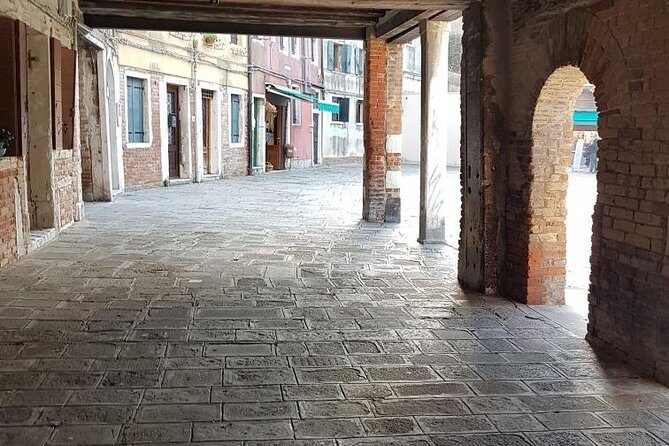
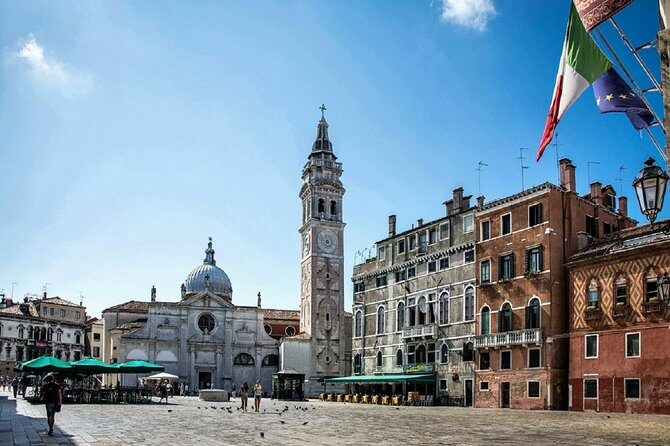
Cannaregio is a sestiere with a softer rhythm than the most famous central stretches. The tour frames it with a simple origin story: the area likely takes its name from the fact that, long ago, it stood on a reed marsh. That kind of detail may sound small, but it changes how you picture Venice’s beginnings—water, wetlands, and constant adaptation.
What I like about starting here is that it is not just sights. You get to notice living traditions, still visible in daily life. The route points out the kinds of things you’d otherwise miss: bacari (the local wine bars) where residents go, children engaged in typical games, and even the practice of Voga Veneta, the traditional rowing style.
The tour also connects Cannaregio to boat culture in a practical way. There are rowing associations based near Campo Sant’Alvise, with facilities for hauling boats in the lagoon. The idea is to practice with calmer waters and less intrusiveness from heavy motor traffic. Even if you are not a rower, it helps you see that Venice’s canals are not only scenery—they’re a workplace and a training ground.
Practical tip: bring comfortable shoes. Cannaregio is made for walking, but Venice’s surfaces and footpaths demand a calm stride. Also, since you’re moving through real neighborhood space, keep your voice down and your gestures respectful around residents and open doorways.
Stop 2: Ghetto Ebraico and the March 29, 1516 decree
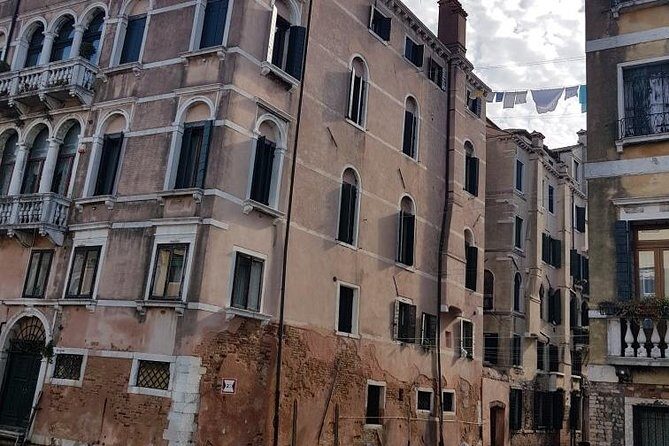
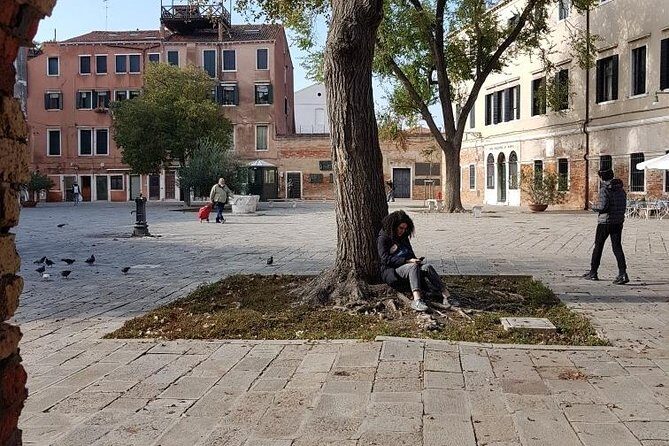
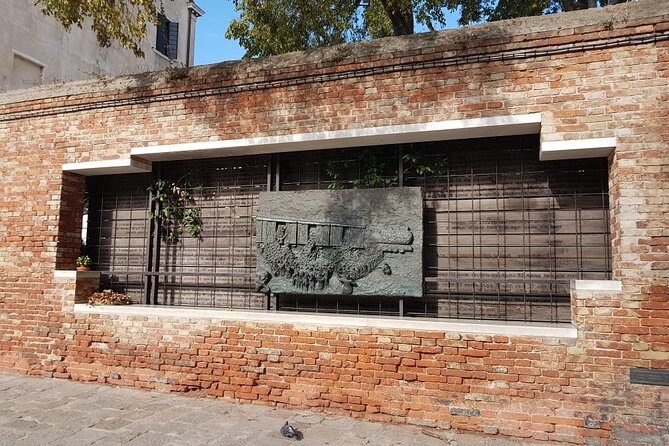
Then you step into the Ghetto Ebraico, where the stories shift from everyday street life to the architecture of rules. The tour explains how the number and importance of Jews in Venice grew over time, but not in a straight line. There were alternating moments of permission and prohibition—an unstable reality that shaped daily life.
On March 29, 1516, the Republic issued a decree to organize Jewish presence. That decree mattered enough to get specific about city planning and economic roles:
- Jews were required to live in the area where the old foundries (called geti) had been located.
- They had to wear a sign of identification.
- They were involved in managing pawnshops at rates set by the Serenissima.
And yes, the tour also makes clear the flip side: those regulations were onerous, but the community received freedom to practice faith and protection in the case of war. That combination—restriction paired with a form of protection—helps you understand how power worked in the Venetian Republic. It was not one-note oppression, and it was not one-note tolerance. It was a system with controls and exceptions.
Why this stop is valuable in real terms: you leave with a clearer understanding of how identity could be both regulated and defended at the same time. That is exactly the kind of context that makes later European history make more sense.
A respectful note: this is a place tied to real heritage. Slow down, listen, and don’t treat the streets like a photo set. Your guide’s pacing helps keep the focus where it should be.
Stop 3: Casa del Tintoretto on Fondamenta dei Mori in about 10 minutes
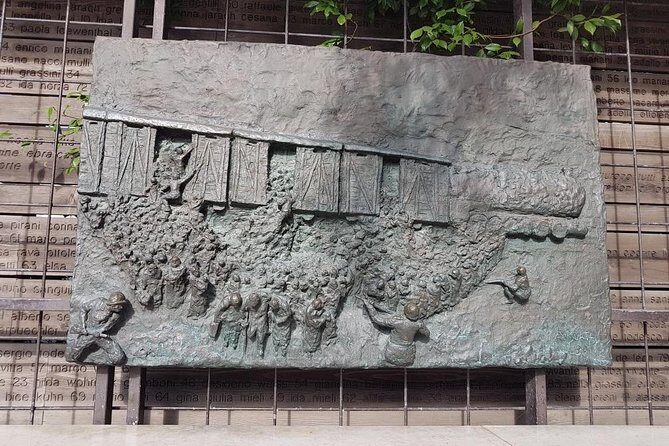
The final stop is Casa del Tintoretto, located along Fondamenta dei Mori, not far from Campo dei Mori. It is a short visit by design, but the guide’s details make the building feel specific rather than generic.
Here’s what makes the house stand out:
- Tintoretto (Jacopo Robusti) lived here during his lifetime (1519–1594), except for a period when he went to the court of the Gonzagas in Mantua (between 1590 and 1593).
- The house is 15th-century Gothic: tall and narrow, with a three-light window on the first noble floor.
- The façade includes a plaque remembering the house’s connection to the painter.
- There’s a small marble statue of Hercules with a club, with a tradition that Tintoretto himself placed it on the building.
- A marble statue of an Arab is located a few meters to the left of the entrance door, completing a series of four figures that begins in Campo dei Mori.
If you’re a Tintoretto fan, the tour also ties this house to his wider work. He has major pieces in places such as the Scuola Grande di San Rocco (painted there for 25 years, from 1563 to 1588) and the Gallerie dell’Accademia. And the tour points to one famous scale-bomb: Il Paradiso, described as the largest canvas by some accounts, at about 170 square meters, still seen in the entrance wall of the Sala del Maggior Consiglio at Palazzo Ducale.
Even the fact that frescoes on some palace façades exist now mostly only as memory is useful. It reminds you that Venice is always changing—what survives is as much about time and damage as it is about talent.
Because this stop is only about 10 minutes, go with the mindset of getting the story behind the façade. For a deeper Tintoretto day, you’d plan a separate art-focused visit later.
You can also read our reviews of more historical tours in Venice



Giorgia’s guiding style: friendly, tailored, and careful with context
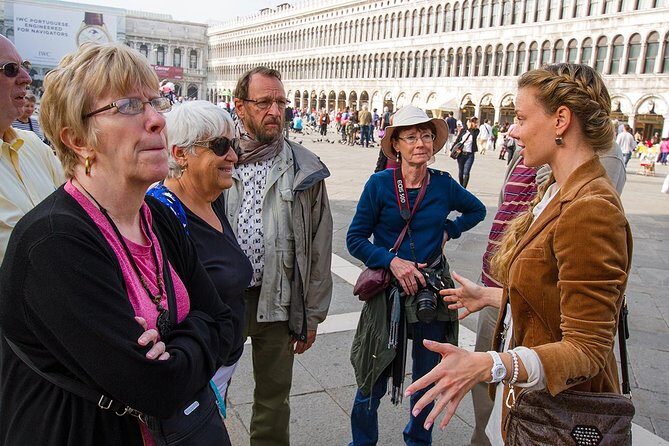
The experience is led by Friend in Venice Private Tours, and Giorgia is specifically called out as an excellent guide—friendly, informative, and able to adjust parts of the tour to your interests.
What I value about that style is the balance: Jewish history here is treated with care, not as a side note. The tour emphasizes how Jewish culture maintained cohesion across centuries of diaspora through religion, language, and identity. It also connects that continuity to Venice’s role in European history, including the idea that Jewish communities contributed to economic life and fields like medicine, philosophy, and culture even while facing exclusion and constraints.
That approach matters because it keeps the story human. You’re not only learning dates and decrees. You’re learning why the survival of culture in diaspora is important, and why places like the Venetian Ghetto deserve serious attention.
Value check: what $162.31 buys in Venice

At $162.31 per person for about 3 hours, the value depends on how you like to travel.
A private tour costs more than joining a group, but here you’re also getting:
- Hotel pickup in Venice
- English-language guidance
- A route that includes ticketed time for the Ghetto Ebraico and Casa del Tintoretto
- A mobile ticket format
The itinerary is also efficient. You’re not only paying for walking. You’re paying for someone to connect the dots between Cannaregio’s day-to-day life and the Ghetto’s institutional history, and then to translate Tintoretto’s home into art-and-time context you can carry with you.
Where value may feel less strong: if you crave long stays at any single stop, the time slices (1 hour in the Ghetto, about 10 minutes for Tintoretto’s house) may not satisfy your pace. This is a best-fit tour for people who want a guided overview with meaningful depth, not a slow, standalone immersion.
Practical notes before you go
A few details can help you avoid surprises.
Access fee (some dates): On certain dates, some travelers staying outside of Venice who are visiting for the day may need to pay a €5 access fee. If that applies to you, it’s best to plan for it early so you don’t get stuck at the last second.
Mobile ticket + private group: You’ll use a mobile ticket, and the tour is only for your group. That simplifies day-of logistics because you’re not juggling meeting points with strangers.
Transportation-friendly area: The tour is described as near public transportation, which helps if you’re not doing the pickup route or if you’re chaining it with another activity.
Service animals allowed: If that matters for your family, it’s explicitly stated as allowed.
And of course, wear shoes you can trust. Venice rewards patience, and Cannaregio’s streets are not the place for flimsy soles.
Should you book this Cannaregio & Jewish Heritage private tour?
Book it if you want:
- A private, English guide and hotel pickup in Venice
- A route that starts with real neighborhood life in Cannaregio, then moves into Ghetto Ebraico history
- A quick but detail-rich look at Casa del Tintoretto on Fondamenta dei Mori
- A guide like Giorgia who can keep things respectful and tailor parts to your interests
Skip or rethink if:
- You want long time in the Ghetto area or a slow art-only day (this is structured for 3 hours total, not an all-day deep dive)
- You’re working with a tight schedule where that final 10-minute stop will feel too short
If you’re the kind of traveler who likes Venice as a living city—then this is a smart way to see the places where daily life and hard history overlap.
FAQ
How long is the Friend in Venice Cannaregio and Jewish Heritage private tour?
It runs for about 3 hours.
What neighborhoods are included?
The tour includes Cannaregio, the Ghetto Ebraico area, and Casa del Tintoretto in Cannaregio.
Is pickup available?
Yes. Pickup is offered from any hotel in Venice.
Is the tour private?
Yes. It is a private tour/activity, with only your group participating.
What language is the tour offered in?
It is offered in English.
Are tickets included for each stop?
Cannaregio is listed as free. The Ghetto Ebraico stop includes admission, and Casa del Tintoretto also includes admission.
Where does the tour start and end?
It starts in Venezia and ends in Cannaregio, 30121 Venice, Metropolitan City of Venice, Italy.
Is there an access fee for some visitors?
On certain dates, some travelers staying outside Venice who are visiting for the day may be required to pay a €5 access fee.
What is the cancellation policy?
Free cancellation is available up to 24 hours in advance for a full refund. If you cancel less than 24 hours before the start time, the amount paid is not refunded.