REVIEW · VENICE
Venice: Natural History Museum Entry Ticket
Book on GetYourGuide →Operated by Venezia Unica by Vela Spa · Bookable on GetYourGuide
Dinosaurs and fossils, right on the Grand Canal.
This Natural History Museum ticket gets you into a gorgeous 13th-century palazzo packed with about 2 million historical objects, plus big prehistoric stars like a 7m Ouranosaurus and a Sarchosuchus imperator skull. I really like the canal-side setting (it’s a great break from the streets), and I love how the fossil rooms are presented in a way that makes the science feel real. One thing to consider: some galleries include taxidermy, which can be a bit intense for very small kids.
I also appreciate the museum’s variety. You’re not stuck in one theme—you’ll move through plants, animals, fossils, and even ethnographic collections, plus a library with more than 40,000 books. On top of that, the building has quiet outdoor corners like a terrace/garden area where you can cool off and reset.
Before you go, check the basics so you don’t get caught out. The museum closes on Monday, and hours change by season; on some dates in spring and summer you may need to pay a Venice Access Fee through the city system (there are exemptions, so verify your situation).
In This Review
- Key highlights to look for
- A canal-side 13th-century building that sets the tone fast
- Tickets, hours, and the Venice Access Fee
- Entering the museum: what to do in your first 20 minutes
- Fossils and dinosaurs: the Ouranosaurus + prehistoric crocodiles focus
- A practical heads-up on pacing
- Beyond dinosaurs: plants, animals, ethnography, and the cabinet of curiosity
- The library, terrace, and courtyard: your calm reset in Venice
- Build a simple self-paced route (so you don’t miss the big stuff)
- Time needed: how long should you plan?
- Price and value: is $11 worth it?
- Who should book this ticket
- Book it or skip it?
- FAQ
- How long is the Venice Natural History Museum entry ticket valid?
- What’s included in the price?
- Where do I go for entry?
- What are the museum opening hours?
- Is there a Venice Access Fee I need to pay?
- Is the museum wheelchair accessible?
- Are there any free-admission categories?
Key highlights to look for
- A palazzo on the Grand Canal: you get the photo-worthy architecture before you even enter.
- About 2 million objects: the museum feels huge even on a short visit.
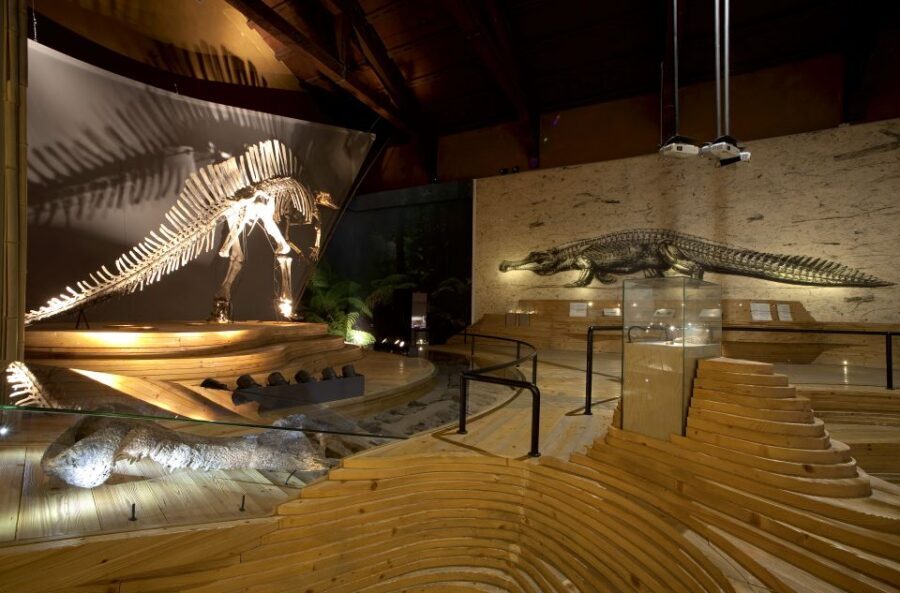
- Upstairs dinosaur focus: including Ouranosaurus nigeriensis (around 7m long) and prehistoric crocodiles.
- The Sarchosuchus imperator skull: a famous fossil connection to Africa.
- The library with 40,000+ books: a calmer, more contemplative change of pace.
- Quiet, family-friendly pacing: an easy day-out, even on rainy or hot afternoons.
A canal-side 13th-century building that sets the tone fast
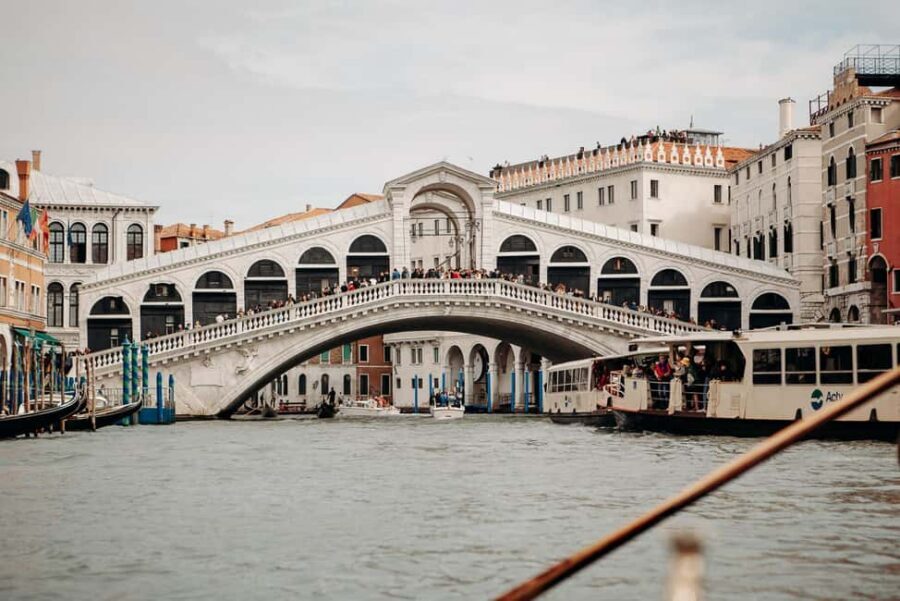
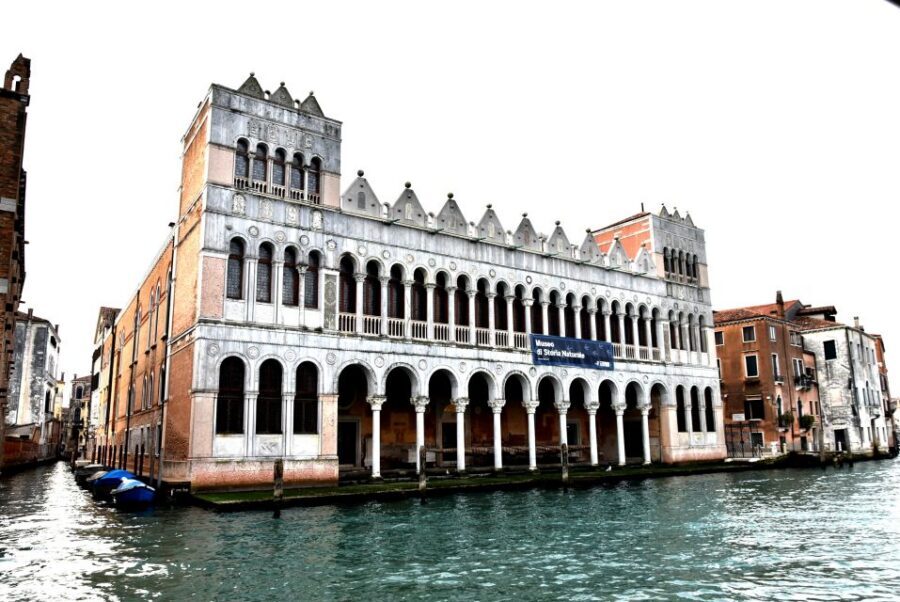
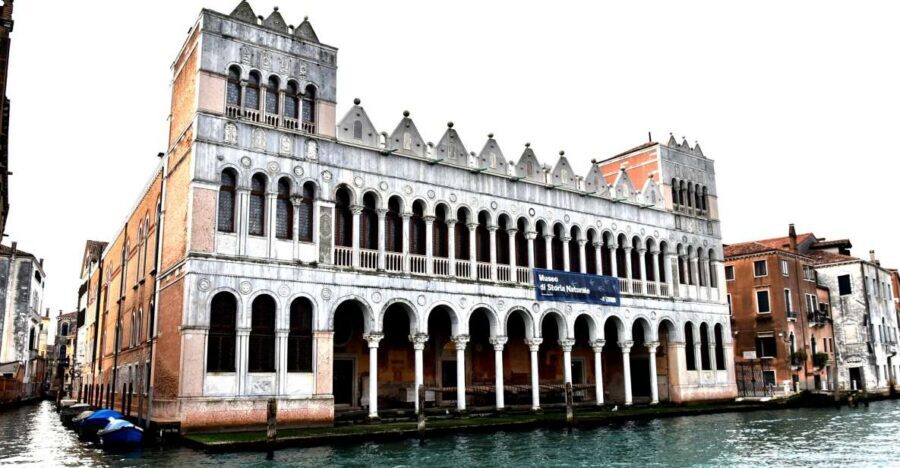
The Venice Natural History Museum sits right on the edge of the Grand Canal, in a historic building that feels more like a palazzo than a typical museum box. Plan to pause outside for a quick look and photos, because the architecture is part of the experience, not just decoration.
Once inside, you get that classic museum feeling—rooms organized around themes, with objects displayed in a serious, old-world way. That mix is part of its charm. You’re walking through a place built for discovery, not just crowd flow.
If you’re visiting with kids or teens, this is a good stop because it’s self-paced but still structured. You can move quickly to the dinosaur highlights, or slow down when a room catches your eye.
You can also read our reviews of more tours and experiences in Venice


Tickets, hours, and the Venice Access Fee
This is a simple entry ticket: admission is included, and the museum visit is self-paced for up to one day. There’s no hotel pickup and no guide included, so you’re there to wander and pick your route.
A couple of timing rules matter:
- The museum is closed on Monday.
- Until May 31 it’s open 9:00AM–5:00PM, with last admission at 4:00PM.
- From June 1 it’s open 10:00AM–6:00PM, with last admission at 5:00PM.
Also, watch for the Venice Access Fee. On certain days between 18 April 2025 and 27 July 2025, the city requires an Access Fee for most visitors, unless you qualify for an exemption. The fee and how to pay are handled through the city’s system (so check cda.ve.it before you plan your day).
One small but useful note: free admission applies to Venetian citizens, residents, children under 5, and disabled visitors. If you fall into one of those groups, you’ll want to follow the museum’s instructions for eligibility.
Entering the museum: what to do in your first 20 minutes
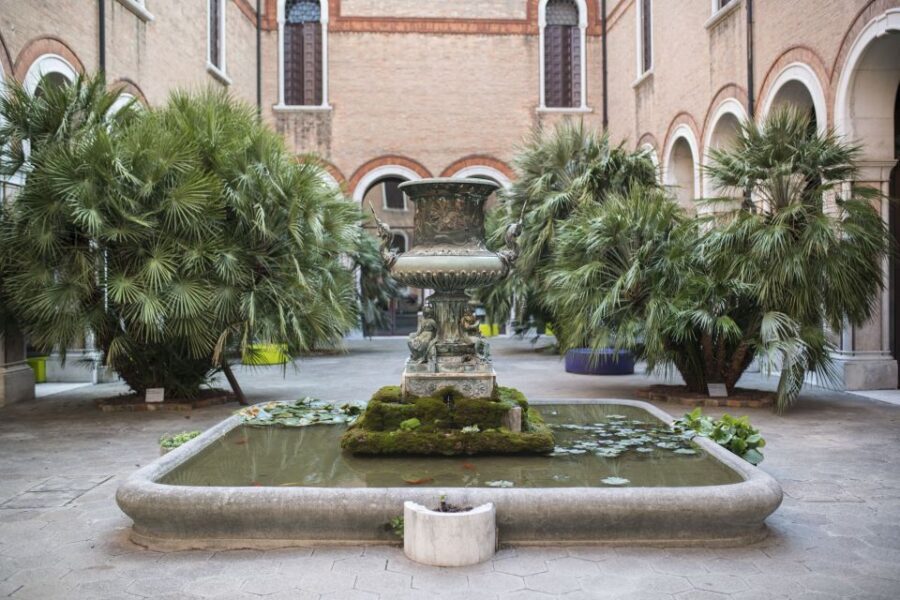
You’ll go to the main entrance and show your ticket on arrival. The museum is wheelchair accessible, which is helpful if you’re traveling with anyone who needs that option.
In your first stretch, I suggest two things:
1) Start by orienting yourself. You’ll want to know where the main floor ends and where upstairs begins, so you can chase the dinosaur section efficiently.
2) Decide how you’ll handle language. Some signs and explanations may not be in English, so plan for that mentally. If you want more context in English, the voice guide option is available on site (one review specifically mentions an English voice guide for $10).
This is also when you’ll spot the museum’s “personality”: themed rooms, atmospheric music in some galleries, and plenty of specimens that feel arranged, not dumped into display cases.
Fossils and dinosaurs: the Ouranosaurus + prehistoric crocodiles focus
If dinosaurs are your reason for coming, this is the heart of the museum. Upstairs is where the most popular attraction lives, including dinosaur fossils and prehistoric crocodiles.
The headline moment is Ouranosaurus nigeriensis, with a skeleton around 7 meters long. Even if you’re not a fossil nerd, the size lands. You don’t just see a name—you see what “big” means in physical form, and it makes the whole evolution story more believable.
Right near that fossil world is the Sarchosuchus imperator skull. This is one of the museum’s signature pieces because it ties to a well-known prehistoric crocodile relative, and it was discovered in Africa. Standing in front of a real skull like that turns abstract evolution into something you can point to and remember.
Also, don’t rush past the surrounding fossil displays. The room is arranged so you’ll notice how dinosaurs and prehistoric reptiles fit into a broader picture of Earth’s history, not as isolated wow-moments.
A practical heads-up on pacing
People sometimes assume they’ll “do” this museum in 20 minutes and move on. That can happen, but it’s usually a mistake. You can easily spend time simply walking the dinosaur/fossil rooms more than once, because there’s a lot to register visually.
If you only have one day in Venice and you’re trying to balance highlights with sanity, this museum is still manageable. It’s just that you’ll feel it’s worth lingering.
You can also read our reviews of more historical tours in Venice




Beyond dinosaurs: plants, animals, ethnography, and the cabinet of curiosity
After the fossil punch, the museum widens its lens. You’ll see zoological specimens—plants and animals too—plus ethnographic collections. That combination is unusual in a natural history museum, and it matters for your experience.
Why it works: evolution and natural history aren’t only about bones and big beasts. They’re also about systems—how living things adapt, how humans study and classify, and how cultures collect knowledge.
Some rooms are more traditional, with older-school displays. You may also encounter taxidermy. For most people it’s fascinating; for very young kids it can be startling. If you’re bringing toddlers, consider it a “prepare them first” kind of stop.
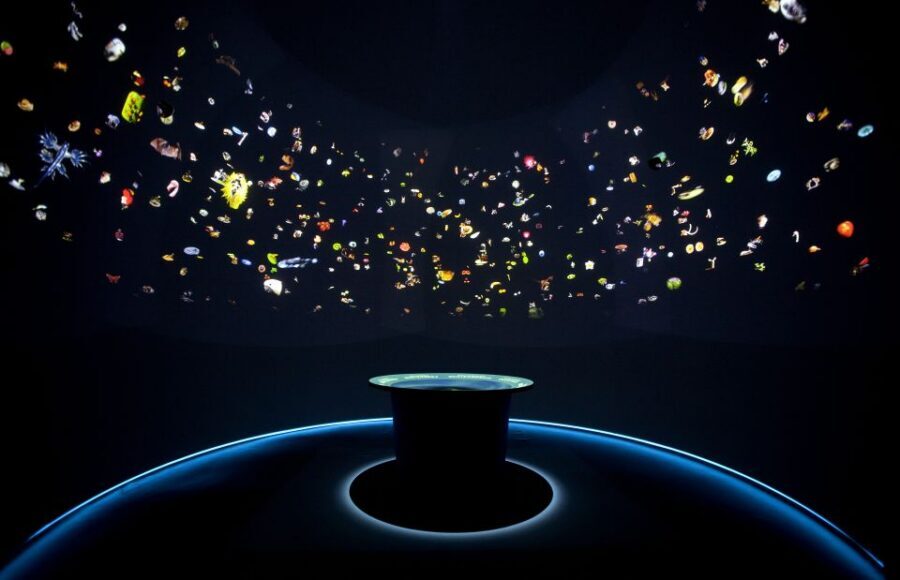
You might also spot a cabinet-of-curiosity style room. In that corner, the displays feel more like a collector’s mindset—less about one single timeline, more about the thrill of discovery. One review specifically highlighted that part of the museum felt modern and fun, which matches how these rooms tend to play with curiosity.
And yes, there’s emotion in the mix too. One exhibit described as moving focused on the challenges whales face, including a skeleton that makes whale size feel real in a physical way.
The library, terrace, and courtyard: your calm reset in Venice
One of the best reasons to come here is the pace. Venice can wear you down. This museum gives you a contained, airier break—then adds some outdoor space so you’re not trapped in one temperature.
The library is worth a stop in its own right, with a collection of over 40,000 books. It’s a reminder that museums aren’t only for viewing; they’re also for research and reference, and the building itself seems to encourage slower attention.
If the weather is decent, take advantage of the terrace/garden area. Reviews mention a courtyard and garden-like calm, and that matches the practical reality: it’s the easiest place nearby to sit for a few minutes without needing to spend big on another attraction.
This is also where you’ll feel the museum’s “not-crowded” vibe. Even on rainy days, it can stay relatively calm compared to many Venice sights, which makes the visit feel easier with kids and teens.
Build a simple self-paced route (so you don’t miss the big stuff)
Because this ticket is self-guided, the best “itinerary” is a smart route you can adjust on the fly. Here’s a route that keeps the highlights tight and gives time for wandering.
Option A: Dinosaur-first (best if you’re short on time)
- Arrive, show your ticket at the main entrance, and get your bearings quickly.
- Head upstairs to the dinosaur and prehistoric crocodile rooms.
- Spend time at Ouranosaurus (7m) and the Sarchosuchus skull, then continue through the fossil displays.
- Come back down and pick one or two natural world areas rather than trying to see everything.
Option B: Classic museum wander (best if you like variety)
- Start on the natural world displays—plants and animals first.
- Move through ethnographic collections, then look for themed rooms with extra atmosphere.
- Take a breather in the library area, then head upstairs only when you feel ready for the fossil intensity.
- Finish with outdoor terrace/courtyard time and a shop stop.
In both routes, I’d build in a snack-and-rest moment. The museum gives you that chance without it feeling like downtime.
Time needed: how long should you plan?
You can make this work in a short window if you’re focused. Some visitors mention around 40–60 minutes, which is a good target if you do the major dinosaur rooms and a couple of other highlights.
That said, it’s easy to extend your visit because the museum is deep. If you like reading labels, revisiting displays, or you’re with kids who get absorbed, plan closer to a longer block. One review noted they needed more time than expected, which is a common museum truth.
My rule: if you’re visiting on a day with tight Venice transit or another timed ticket, don’t assume it’ll be a quick stop. Go with enough buffer so the museum stays enjoyable, not rushed.
Price and value: is $11 worth it?
At about $11 per person, this ticket is strong value for what you get: a canal-side historic building, a major collection (about 2 million objects), and high-impact fossil moments that feel like real attractions rather than small exhibits.
What makes the value even better is flexibility. Since there’s no guide included, you control the pace. You can:
- Spend extra time where you’re most interested (dinosaurs, fossils, or the library).
- Skip the rooms that don’t land for you.
- Add a voice guide if language is a barrier (one review notes an English voice guide for $10).
When might it feel less “cheap”?
If you add optional audio, you’re spending more. Still, compared to many Venice experiences that charge big entry fees just to see one room, this gives you a full museum walk.
For families, it also helps that the content covers multiple age ranges—dinosaurs for kids, science and classification for teens, and a reflective pause for adults.
Who should book this ticket
I’d recommend this museum ticket if you want:
- A break from walking the Venice streets nonstop
- A family-friendly activity with serious dinosaur/fossil payoff
- An indoor stop that still feels “Venice” because of the Grand Canal location
- Something educational that doesn’t feel like a school lesson
It’s also a good choice for rainy weather. Reviews describe it as quiet and comfortable even when conditions in the city make outdoor time less pleasant.
If you’re traveling with very small kids who dislike taxidermy, consider that ahead of time. If that’s your situation, you might still enjoy the fossil and library parts, but you’ll want to be prepared for some animal displays.
Book it or skip it?
I’d book the Venice Natural History Museum ticket if you want value, variety, and a dinosaur-centered visit in a beautiful historic palazzo setting. The 7m Ouranosaurus and the Sarchosuchus skull give you real, memorable “wow” power, and the library plus outdoor terrace/courtyard time helps balance the heavy fossil content.
Skip it only if you’re extremely short on time and only want one ultra-specific attraction, or if you know taxidermy displays will stress out anyone in your group.
If you’re on the fence, here’s an easy decision rule: if you’re even a little curious about fossils or want a calmer indoor Venice experience, this ticket is a smart use of your day.
FAQ
How long is the Venice Natural History Museum entry ticket valid?
The ticket is valid for one day. You’ll check availability to see starting times.
What’s included in the price?
Admission to the Natural History Museum is included.
Where do I go for entry?
Go to the museum’s main entrance on the Grand Canal in Venice and show your ticket on arrival.
What are the museum opening hours?
The museum is closed on Monday. Until May 31 it’s open 9:00AM to 5:00PM (last admission 4:00PM). From June 1 it’s open 10:00AM to 6:00PM (last admission 5:00PM).
Is there a Venice Access Fee I need to pay?
On certain days between 18 April 2025 and 27 July 2025, most visitors are required to pay a Venice Access Fee through the city’s system, unless you qualify for an exemption. Check cda.ve.it for details.
Is the museum wheelchair accessible?
Yes, it’s wheelchair accessible.
Are there any free-admission categories?
Yes. Venetian citizens, residents, children under 5, and disabled people get free admission.