REVIEW · VENICE
Murano Glass Experience With a Visit to a Burano Lace Island
Book on Viator →Operated by Glass factory Colleoni Murano · Bookable on Viator
Two islands, one boat, big crafts. This half-day trip mixes the Venice Lagoon scenery with the two best-known artisan traditions: Murano glass and Burano lace. You also get a quick peek at areas of the lagoon many visitors skip, and Burano’s color really does the heavy lifting for photos.
I love the glassblowing demo at Colleoni Murano. It’s hands-on to watch, then you get shopping time right where the work is made, plus a 20% discount at the glass factory. I also like that you don’t rush straight back to Venice—you get real time on Burano for the multicolored streets, plus a visit tied to the lace-making craft.
One thing to keep in mind: this tour is factory-and-shop centered, and the boat can be loud enough that it’s not always easy to hear every word from the guide.
In This Review
- Key highlights
- Two islands that fit your time: Murano + Burano without the stress
- The Venice Lagoon boat ride: scenic, fast, and occasionally loud
- Quick lagoon views at San Giorgio Maggiore: a fast photo stop
- Murano at Colleoni: glassblowing and showroom time
- Santi Maria e Donato on Murano: an old-church pause that breaks the craft pace
- The Murano walking tour: tranquil island steps, limited time
- Burano’s colorful streets: why lace here feels more real
- Lace-making on Burano: a craft visit that’s brief, but meaningful
- What’s included (and why those perks matter)
- The biggest watch-outs: noise, short demos, and shop-heavy timing
- Who this tour fits best (and who should choose a different pace)
- Should you book the Murano glass and Burano lace tour?
- FAQ
- How long is the Murano and Burano tour?
- What language is the tour offered in, and do I get a mobile ticket?
- What parts of the experience happen on Murano?
- What happens on Burano?
- Is the boat ride private?
- What is included in the price?
- Are there extra access fees on some dates?
Key highlights
- Private boat ride on the Venice Lagoon with views of islands like San Giorgio, Certosa, and Sant Erasmo
- Artistic glassblowing at Colleoni Murano plus time in the showroom area and a 20% discount
- Murano walking stop with a pause at the Church of Santi Maria e Donato
- Burano time with colorful houses and a lace-factory visit
- Small-group feel with a maximum of 25 travelers and an English-speaking guide
Two islands that fit your time: Murano + Burano without the stress
If you want Murano glass and Burano lace but you only have a few hours, this is the kind of plan that works. It’s not for the “let me wander forever” crowd. It’s for the “show me the main crafts, show me the highlights, and get me back” crowd.
The big win is the pacing: you see glassmaking on Murano, then you shift to Burano’s quieter, more photo-friendly streets. On a map, the islands are right there. In real life, reaching them can feel fiddly if you’re juggling ferries, walking time, and crowds. A private boat plus organized stops removes a lot of that friction.
Value matters here. At about $36.28 per person, you’re paying for more than transportation. You’re paying for guided interpretation (so the demonstrations make sense), access to the craft spaces (Murano glass and Burano lace), and the extra perks like one glass of wine and a discount at the Colleoni glass factory. If you were trying to stitch together a DIY route and then pay for guided craft access separately, the totals can creep up fast.
You can also read our reviews of more tours and experiences in Venice.
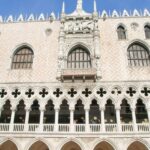


The Venice Lagoon boat ride: scenic, fast, and occasionally loud
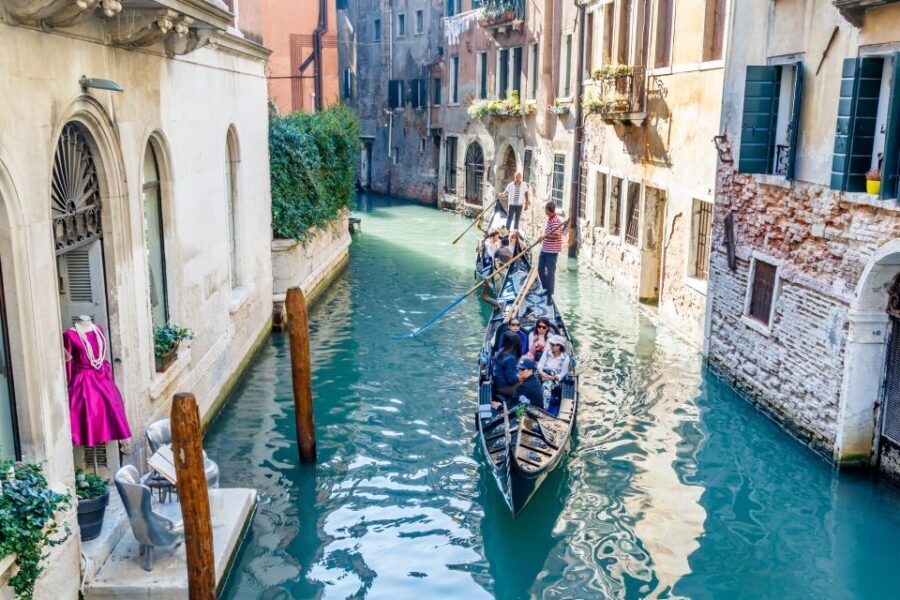
You meet in central Venice at Chiesa della Pietà – Santa Maria della Visitazione, Riva degli Schiavoni. From there, you head to the pier and board a private boat. The route is part of the experience. You glide across the UNESCO-listed Venice Lagoon and get views of islands such as San Giorgio, Certosa, and Sant Erasmo.
This is also where you should set expectations: the boat ride is enjoyable, but it can be a little rough on conversation. Some people found the microphone audio hard to follow because of the boat noise. If you’re the type who hates missing details, you’ll want to position yourself where the guide’s voice is clearest, and don’t be afraid to stop paying attention for a few minutes and just watch the water and islands.
Also, the tour is capped at 25 travelers. That matters. It keeps the group from turning into a stampede, especially when you’re moving between boat and island stops.
Quick lagoon views at San Giorgio Maggiore: a fast photo stop
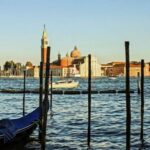
One of the first “see it, don’t get stuck in it” moments comes as you pass Abbazia di San Giorgio Maggiore. This one is admired from the boat—about 5 minutes, with free admission.
It’s a small section of the day, but it’s a nice bridge between “Venice city” and “the islands life.” Even if you’ve seen San Giorgio Maggiore from land before, the lagoon angle gives it a different feel: calmer, wider, and more airy than the city streets.
Murano at Colleoni: glassblowing and showroom time
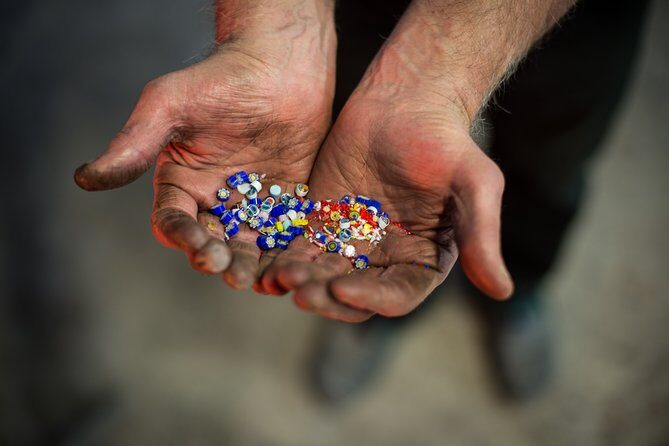
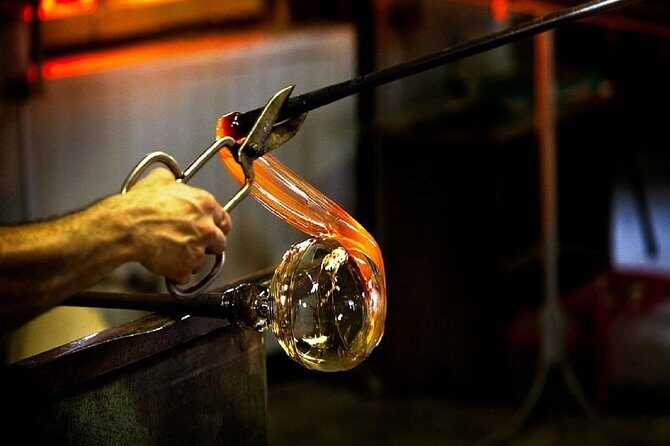
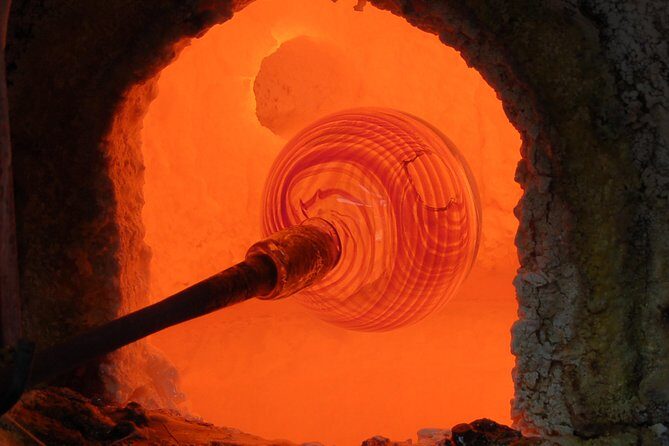
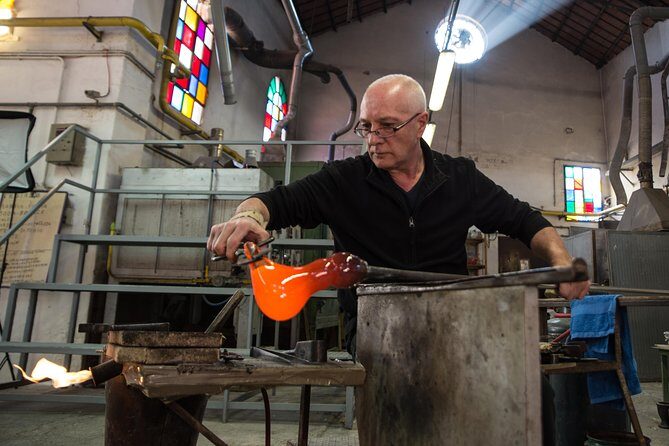
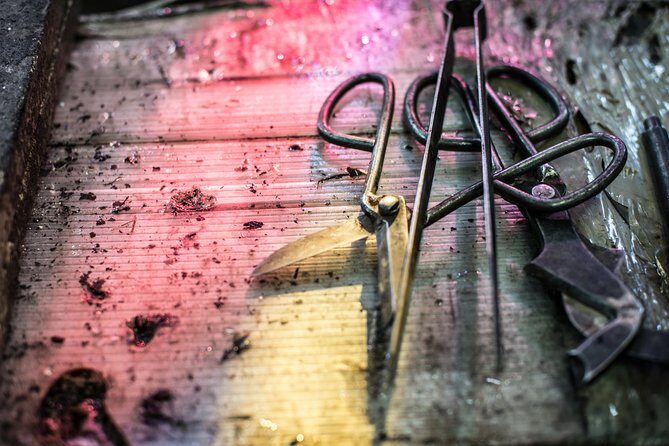
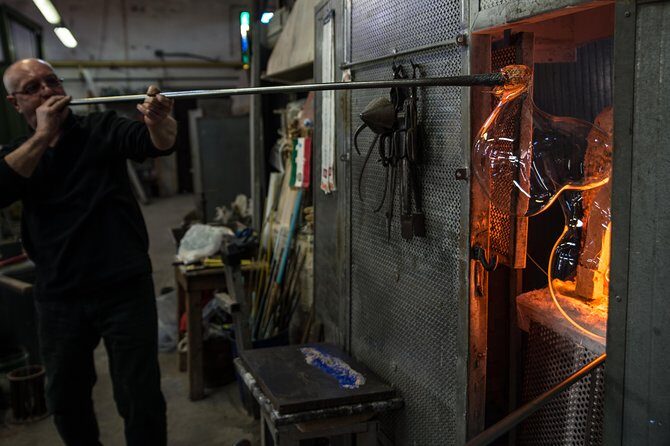
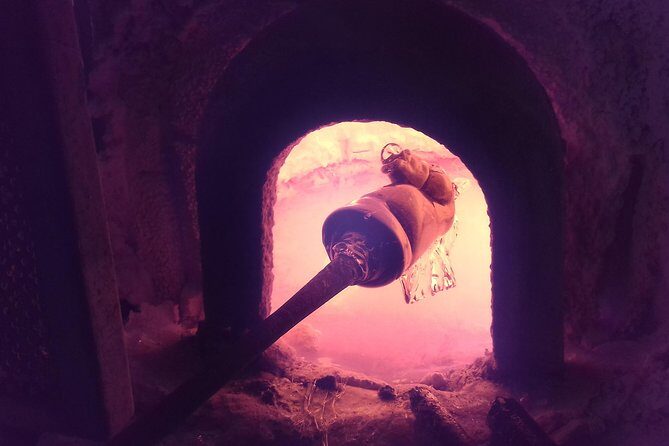
Murano is where the tour earns its name. You visit Artistic Glassworks Colleoni for a guided look at the glass-making process. Expect to see glass manufacture, watch a traditional glassblowing demonstration, and then have free time for shopping.
This is the heart of the craft experience for most people. Watching molten glass transform into something precise is one of those moments that sticks in your memory because it’s visual, immediate, and skilled in a way you can’t fake with photos. The demonstration is short compared with a full studio session, but it’s structured to show you the core steps and what makes the technique distinctive.
Now, the practical side: the Colleoni portion includes a 20% discount at the glass factory. That’s a real incentive if you’re already thinking about purchasing something. On the flip side, this is also the part of the day where you might feel the tour is steering you toward buying. People who are purely there for watching (and not shopping) sometimes find it shop-heavy.
If you plan to buy Murano glass, a smart move is to set a spending limit before you enter the showroom. Murano shopping can get slippery fast, and the best time to decide is while you’re still calm and not rushed by the next stop.
Santi Maria e Donato on Murano: an old-church pause that breaks the craft pace
After Colleoni, you move on to a walking tour segment on Murano. You stop at the Duomo di Murano Santi Maria e Donato, with a short guided visit (about 15 minutes).
You’ll likely notice the “small but significant” feel here. It’s not a long cathedral crawl. It’s a pause that puts the island into context: this is a working, lived-in place, not just a glass museum.
You’re also likely to see hints of Murano’s age. The church is described in tour materials as both 12th-century and as an extremely old landmark dating back to very early centuries. Either way, what matters for your visit is the atmosphere: stone, quiet, and a different tempo than the factories.
If you want maximal time in Murano beyond this stop, you should know the day is packed. The church visit and the walk are helpful, but they aren’t designed for long independent wandering.


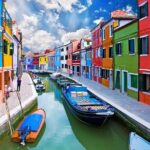
The Murano walking tour: tranquil island steps, limited time
The tour includes time on Isola di Murano with a guided walking tour (around 20 minutes). This is how you get a taste of Murano beyond one factory showroom.
You’ll get that “quiet island” feeling people expect from Murano: fewer tour buses, more local streets, and a calmer rhythm. It’s especially useful if you’ve only associated Murano with glass displays before.
The tradeoff is obvious: 20 minutes is not enough to explore everything. If your dream is to hop between multiple workshops and cafés and really take your time, you’ll probably want a longer Murano-focused plan.
Still, even short walks are useful. They help you understand how the island works—how craft spaces fit into daily life—so the demonstration later doesn’t feel like a stage show. It becomes part of a real place.
Burano’s colorful streets: why lace here feels more real
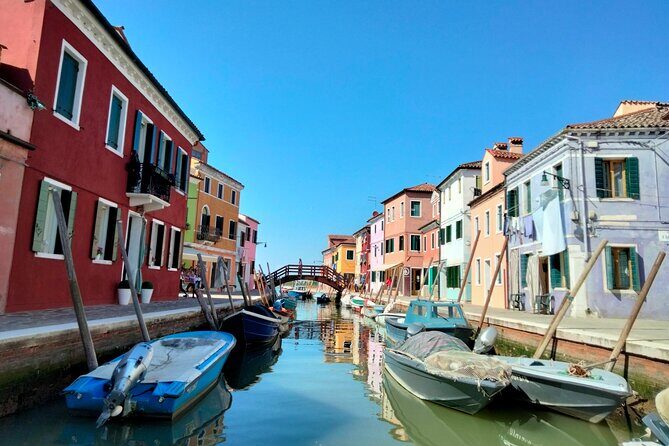
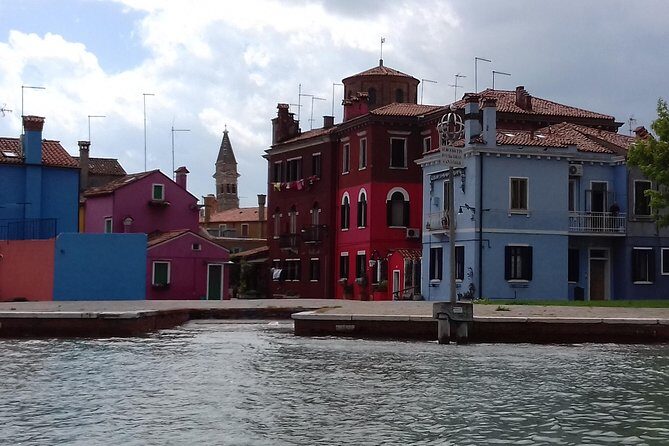
Then you’re on the move again: back onto the boat for a short cruise to Burano. The island is famous for its bright houses and the photo-friendly waterfront. This is the part of the day that many people enjoy most because it feels like a genuine village rather than a single-activity stop.
You’ll have about 1 hour on Isola di Burano, classified as a World Heritage Site. That hour usually isn’t “max wander time,” but it’s enough to do three practical things:
- take photos without feeling rushed
- stroll the port area and main streets
- find a place to eat or browse at a slower pace
Burano tends to come alive because color is everywhere. It’s also easier to enjoy even if you’re not buying crafts. That’s a big advantage over some craft-only islands where everything is about the shop window.
If your priority is souvenirs, a useful trick is this: if you miss shopping opportunities on Murano (time can vanish fast), you can often find plenty of Murano glass jewelry in Burano shops. People also treat Burano as the place where they buy smaller items rather than large glass pieces.
Lace-making on Burano: a craft visit that’s brief, but meaningful
Burano is where lace becomes the focus. After time in the town, you visit a lace factory to learn about Burano lace-making heritage. The tour is built to give you a guided look at the craft and then move you along.
Some people felt the lace-making presentation is brief, but they still found it fascinating. The key value is that you get to connect the finished products you might see in stores with the steps required to make them. Lace is delicate, time-consuming, and highly technical, and the best part of learning it is realizing how much work sits behind something you might otherwise treat as decoration.
If you’re hoping for a long, hands-on workshop, this tour may not be that. But if you want a clear introduction and a real sense of where the craft comes from, it fits.
What’s included (and why those perks matter)
Here’s what you actually get, which is where the value story comes together:
- Transport by private vehicle and a private boat ride
- Local guide in English
- Visits to Artistic Glassworks Colleoni and the glassblowing demonstration
- Free time for shopping at Colleoni
- 20% discount at Colleoni glass factory
- One glass of wine
- A visit to Burano’s lace factory
- The tour ends back at your starting point on Riva degli Schiavoni
That wine inclusion is small but noticeable. It’s a nice touch that makes the craft stops feel less like a production line. Just remember you’re still driving back through the water and walking parts afterward, so pace yourself.
The discount matters if you’re even mildly interested in buying a glass piece. If you’re not, then consider the wine and the structured guide as the main payoff, and treat shopping as optional.
The biggest watch-outs: noise, short demos, and shop-heavy timing
This tour is popular for a reason, but it’s not perfect for every style of travel. Here are the issues that can affect your experience:
Boat noise and hearing the guide
Some guides use a microphone setup, and the boat engine noise can make it harder to catch every detail. If your travel style is detail-heavy listening, you may want to bring an open mind and still enjoy the visuals.
Factory timing can feel sales-forward
Murano glass is a craft, but the environment includes showrooms designed to sell. That can shift the tone for some people. If you feel pressure, take a breath, browse slowly, and remember the goal is to see the process and then decide if you truly want something.
Demos are short
You’ll see glassblowing and a lace presentation, but the sessions aren’t long studio marathons. People who want maximum time might feel a little rushed.
Murano and Burano each get limited time
You get a brief walk on Murano and an hour on Burano. That’s a good balance for most visitors. If you’re trying to do a “deep Murano exploration,” you’ll likely want more time on the glass island than this schedule provides.
Meeting point clarity
A few people reported the meeting location wasn’t obvious. My practical advice: arrive a bit early, stand where the pier line forms, and look for your tour staff rather than trying to guess from distance.
Who this tour fits best (and who should choose a different pace)
This tour is a strong choice if you:
- want a half-day plan that covers both Murano glass and Burano lace
- like craft demonstrations but don’t want a full-day studio schedule
- prefer a guided visit that helps you interpret what you’re seeing
- care more about getting the highlights than roaming independently for hours
It may be less ideal if you:
- hate shop-heavy environments
- need long free time on Murano to explore multiple workshops
- want long, in-depth craft instruction rather than short demonstrations
For families, the experience can go either way. One viewpoint is that adults get the most out of the craft rhythm and longer walking segments. Another viewpoint is that kids can enjoy the demonstrations and the colorful streets. If you’re traveling with children, consider whether they’ll handle boat time and a schedule with multiple “move along” moments.
Should you book the Murano glass and Burano lace tour?
I’d book this if you want the classic artisan combo without the hassle of building a plan from ferries and lining up separate activities. The boat ride gives you the lagoon perspective, Murano gives you the key glassblowing moment at Colleoni, and Burano delivers the color and lace connection in a way that feels more like an island day than a museum tour.
Skip it or look for an extended alternative if you know you want more time wandering Murano, or if you’d rather avoid any showroom shopping atmosphere. Also, if you’re sensitive to hearing the guide over boat noise, plan to rely on the visuals and not just the commentary.
Overall, this is a smart “two islands, one outing” choice with real craft value and practical time management.
FAQ
How long is the Murano and Burano tour?
It runs about 5 hours (approx.), including boat travel and time on both islands.
What language is the tour offered in, and do I get a mobile ticket?
The tour is offered in English, and you receive a mobile ticket.
What parts of the experience happen on Murano?
You visit Artistic Glassworks Colleoni for glass manufacture and a glassblowing demonstration, plus time to shop. You also have a guided walking tour on Murano and a stop at Santi Maria e Donato.
What happens on Burano?
You explore Burano for about 1 hour, including its colorful streets and fishing port area. You also visit a lace factory to learn about the island’s lace-making heritage.
Is the boat ride private?
Yes. The tour includes a private boat ride across the Venice Lagoon.
What is included in the price?
Included items are transport by private vehicle, a local guide, a glass factory visit (including the glassblowing demonstration), 1 glass of wine, and a 20% discount at the Colleoni glass factory.
Are there extra access fees on some dates?
Yes. On certain dates, people staying outside Venice and visiting for the day may need to pay a €5 access fee. The tour info says you should check the linked Venice access fee site for which days and exemptions apply.