REVIEW · VENICE
Walking Tour of Venice from St. Mark’s Square to Rialto
Book on Viator →Operated by Insidecom srl · Bookable on Viator
Venice is easier when someone holds the map. This guided walk links St. Mark’s Square to Rialto Bridge, so you get the main visual anchors of the city and the kind of background that helps it all make sense. I like the tight, landmark-focused route, especially the way it hits St. Mark’s Basilica and the Doge’s Palace area without turning your day into a museum marathon. I also like that Santa Maria Formosa is part of the story, not just the usual postcard stops. One drawback to keep in mind: with only about 90 minutes to 2 hours, you’ll be learning and walking fast, not lingering.
If you’re visiting for the first time, this is a practical way to get your bearings. The tour starts at Calle larga de l’Ascension at 9:00am and ends back at the same meeting point, which makes the rest of your day less stressful. Just arrive at least 10 minutes early, because if you miss the departure time, there is no do-over.
In This Review
- Key highlights worth planning around
- Walking the Venice Line: San Marco to Rialto in About 2 Hours
- Meeting Point on Calle Larga de l’Ascension: Start on Time and Stay Calm
- Piazza San Marco: Where the Stories Start
- St. Mark’s to Rialto Orientation: The Guide’s Job Is Your Shortcut
- Santa Maria Formosa Square: Church Stories You Can Actually Use
- Campo Santi Giovanni e Paolo and Teatro Malibran Exteriors
- Getting Rialto Right: What You’ll Know Before You Reach the Bridge
- Price and Value: Is $40.14 Worth It?
- Group Size and the Reality of a Collective Walk
- Language Notes for Winter and Summer Visits
- Who This Walking Tour Fits Best
- Should You Book the St. Mark’s to Rialto Walking Tour?
- FAQ
- How long is the St. Mark’s Square to Rialto walking tour?
- Where is the meeting point?
- What time does the tour start?
- Do I need a mobile ticket?
- Is hotel pickup or drop-off included?
- What languages are available?
- Is it a private tour?
Key highlights worth planning around
- St. Mark’s Square to Rialto in a short time: a guided route that helps you connect the city’s big sights quickly.
- Basilica and Doge’s Palace context: you’ll learn what you’re looking at around the square.
- Santa Maria Formosa gets real attention: stories tied to both the church and the square in front of it.
- Campo Santi Giovanni e Paolo and Teatro Malibran: you get a broader Venice view beyond just the most famous facades.
- Collective tour pacing: you’ll be walking with other people, so expect a bit of crowding.
Walking the Venice Line: San Marco to Rialto in About 2 Hours
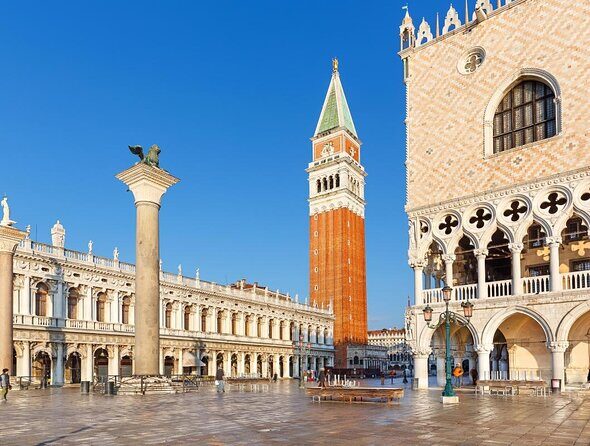
This is built as a practical “first-steps” tour. You’re not doing a full-day project. You’re getting a guided route that moves from Piazza San Marco toward the Rialto Bridge area, with stops that add meaning to what you’re seeing.
In a place like Venice, that matters. The city is a maze of bridges, lanes, and surprises. When you spend most of your time figuring out where you are, you miss the clues that make the sights feel connected. A route like this helps you orient fast: big monumental Venice first, then side-squares and neighborhood streets.
Think of it as a guided tour that teaches your eyes. The “top sights” are important, but the real value is in learning what each place is and why it sits where it does in the city’s layout.
You can also read our reviews of more walking tours in Venice


Meeting Point on Calle Larga de l’Ascension: Start on Time and Stay Calm
The tour meets at Calle larga de l’Ascension, 30124 Venezia VE. It starts at 9:00am and the walk ends back at the meeting point, so you don’t have to solve a second-location puzzle later.
A representative meets you at the start, checks your voucher, and gives you what you need to join the group. The simple trick here is timing: arrive at least 10 minutes early. Venice can be slow to navigate, especially if you hit crowds near the center.
Also, don’t plan on a last-minute recovery plan. One real lesson from past guests is that day-of issues can become stressful fast when phone contact doesn’t go the way you expect. Your best insurance is boring and effective: be at the meeting point on time.
Piazza San Marco: Where the Stories Start
Your first stop is Piazza San Marco. This is the place that visually sets the rules for Venice. Everything radiates out from here, and it’s where the city’s identity feels most concentrated.
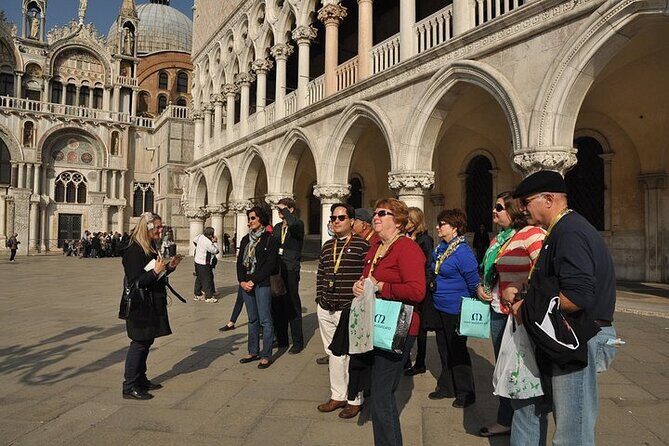
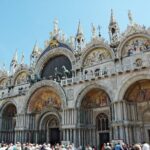
The tour is designed to connect what you see around the square with what it means. You get guided context for St. Mark’s Basilica and the nearby Doge’s Palace area. Even if you’re not going inside everything on this walk, understanding the roles these buildings play changes how you read the square.
Here’s what I like about starting at San Marco for a walking tour: the monumental scale helps you reset your expectations. Venice is often small-scale when you’re wandering lanes, but San Marco is the “big picture” that makes the rest of the day feel less random.
If you’re sensitive to crowds, consider how early you’ll arrive. Since the tour starts at 9:00am, you’ll likely catch a calmer slice of the morning than you would later. Still, the square stays busy, so keep a little patience handy.
St. Mark’s to Rialto Orientation: The Guide’s Job Is Your Shortcut
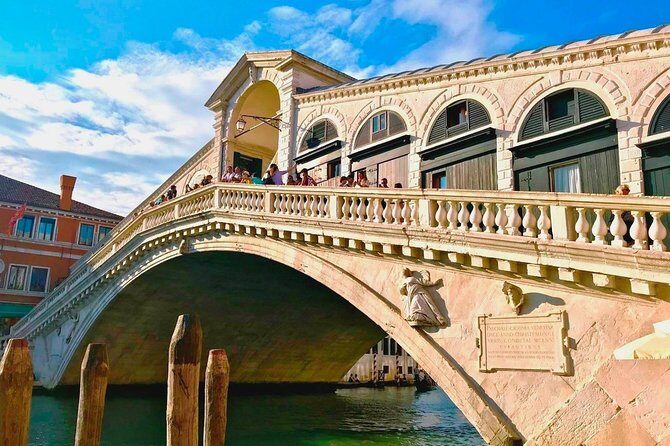
The walk between San Marco and the Rialto area is where the tour earns its keep. Venice directions can be tricky even when you think you know where you’re headed. A guided route turns confusion into momentum.
This tour follows a line of major sights rather than random wandering. That means you get frequent “ah, that’s why that matters” moments as you move. It also helps you manage time: in 90 minutes to 2 hours, you can cover meaningful distance without feeling like you’re running.
You’ll also hear anecdotes and explanations as you go, which is key for Venice. The city’s charm is in details, but you don’t always notice those details without a prompt. The guide provides that prompt, so your walk feels like sightseeing with a purpose.
Santa Maria Formosa Square: Church Stories You Can Actually Use
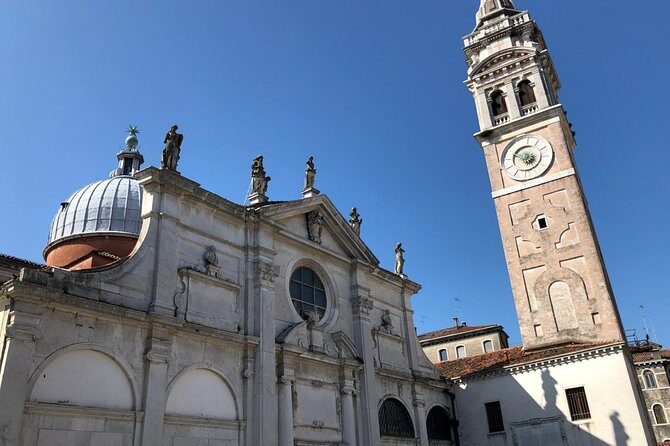
After San Marco, the tour continues toward Santa Maria Formosa, including both the church and the square in front of it. This is a smart pivot. The big-name monuments are great, but Santa Maria Formosa gives you a different texture: Venice at the level of everyday squares.
You’ll be told the story of the church and the homonymous square, plus some curious anecdotes. That type of information is exactly what makes a walking tour feel different from just taking photos. You don’t just pass the site; you understand why it’s here and what to look for.
Another practical benefit: Santa Maria Formosa breaks up the “mega-landmark rhythm” of San Marco and the palace area. It helps your brain switch from grand scale to street-level Venice. That’s when the city usually starts feeling real.
If you like architecture explanations you can remember later, this stop is one of the more useful ones on the route. It gives you a story thread you can carry forward as you approach the Rialto side of the city.






Campo Santi Giovanni e Paolo and Teatro Malibran Exteriors
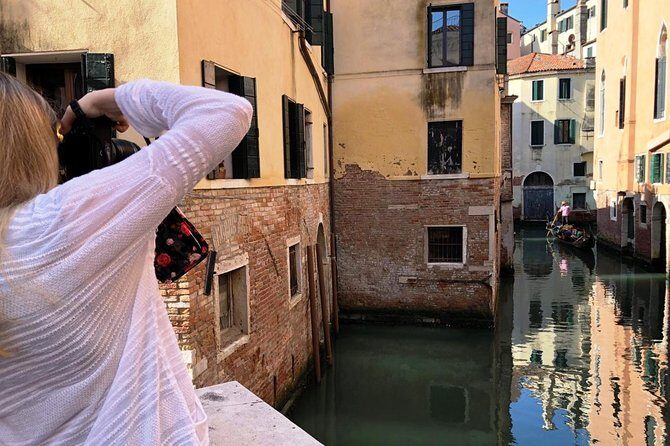
Next you reach Campo Santi Giovanni e Paolo. This stop matters because it shifts you into a broader Venice frame. Even though the route is focused, you’re not only chasing the most photographed spots.
The tour also includes the exterior of Teatro Malibran. Seeing the theater from outside keeps the tour moving, but the guide’s context helps you register what you’re looking at and why it fits into Venice’s identity as a city of performance and spectacle.
I like this kind of exterior stop because it avoids the common problem of walking tours that feel like you’re only looking at building fronts. Here, you get something more like a visual briefing. You learn what the place is, then you move on while it’s still fresh.
Getting Rialto Right: What You’ll Know Before You Reach the Bridge
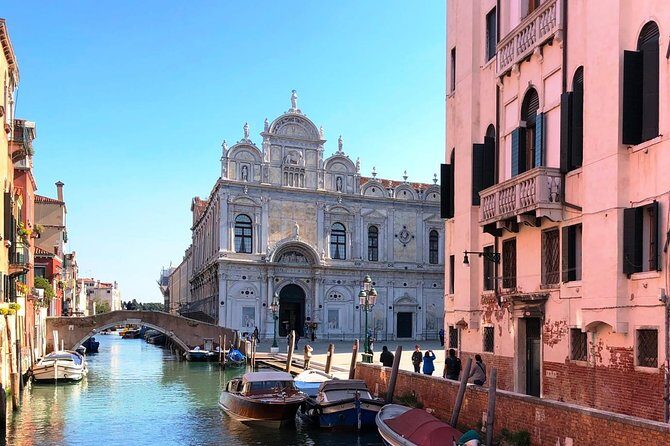
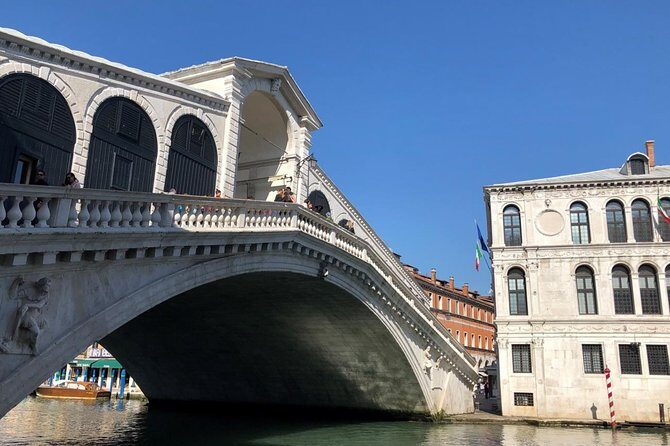
The tour’s route is designed to carry you toward Rialto Bridge. Even without a long, lingering finale, you’ll arrive with more than just a destination. You’ll have context for why Rialto is such a turning point in Venice life.
Rialto is one of those spots where photos look better when your mind is also engaged. When you understand the city’s geography and how major landmarks connect, the bridge doesn’t feel like an isolated view. It feels like part of the network of squares, canals, and power.
This is also where your guided learning pays off most for future wandering. Once you’ve walked this line with a guide, you’re more likely to take smart detours afterward. You’ll also know what you’re prioritizing, which saves time later.
Price and Value: Is $40.14 Worth It?
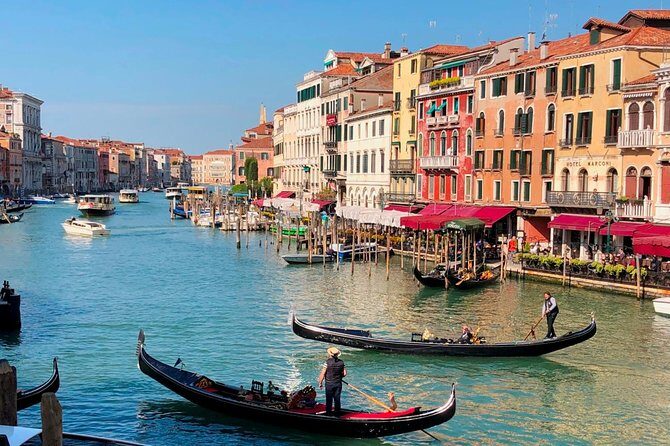
At $40.14 per person, this isn’t the cheapest way to spend time in Venice. But it can be good value if you treat it like orientation plus story. You’re paying for a guided route that hits key landmarks and gives context at multiple stops.
Where the price feels most fair is in the structure. This isn’t a vague walk with a generic lecture. It includes planned stops like Santa Maria Formosa and Campo Santi Giovanni e Paolo, and it covers big-picture Venice through St. Mark’s and the Doge’s Palace area.
Also, the tour duration (about 2 hours, roughly 1.5 hours described in the highlights) makes the cost easier to justify. In Venice, time is expensive because you can lose it to wrong turns. A guided walk reduces that risk. You’re buying fewer dead ends and more meaning per step.
Group Size and the Reality of a Collective Walk
This is a collective tour. That means you’ll be with other participants, and the group can be quite large on some days.
The key practical takeaway: don’t expect the kind of personal attention you’d get on a very small private tour. If you want to ask lots of questions or stop frequently for photos, you might feel the pace.
Still, for orientation, collective tours can work well. The guide’s job is to keep the route moving and the story coherent. When that’s done well, the crowd becomes background noise instead of a problem.
If you’re the type who gets frustrated when you can’t stop every 20 seconds, this is a good tour to take, but expect movement. If you love walking and learning on the move, you’ll likely enjoy it more.
Language Notes for Winter and Summer Visits
Language is worth planning around. The tour is English every day in the warmer season (April 1 to October 31). Spanish and French and German are also listed as available every day in that period, with Italian on Saturdays.
During the winter period (November 1 to March 31), the tour is bilingual if the audience provenance is mixed. English is daily, and other languages show on specific weekdays. For mixed groups, explanations are provided in two languages.
The practical advice: check the day you’re going. If you have a strong language preference, align your schedule with the days the language is offered. It’s not about being picky. It’s about getting the maximum value from the guide’s explanations.
Who This Walking Tour Fits Best
You’ll probably like this tour if you:
- want a short, guided route through Venice’s central landmarks
- are visiting for the first time and need orientation fast
- prefer story-driven sightseeing over long museum time
- want a route that includes both famous facades and a church square stop
It’s also a good match if you like walking but don’t want to spend the whole day managing logistics. The tour’s meeting point and the fact it returns to the start reduce decision fatigue.
If you’re a hardcore architecture specialist or you want to spend serious time inside major monuments, you might find the walking pace too quick. This is structured for context, not slow contemplation.
Should You Book the St. Mark’s to Rialto Walking Tour?
I’d book it if you want a guided way to connect Venice landmarks without eating up your day. The route gives you a useful “map in your head,” plus story stops like Santa Maria Formosa that make the city feel more than scenery.
Skip it if you know you’re going to need long pauses, private attention, or deep time inside major sites. Also, be strict about showing up early. Venice rewards people who plan. Miss the start time and you don’t get a second chance.
If you’re weighing options for a first morning in Venice, this one is a solid way to get oriented, learn what you’re seeing, and move on with confidence.
FAQ
How long is the St. Mark’s Square to Rialto walking tour?
The tour lasts about 2 hours (approximately 1.5 hours is also stated in the highlights).
Where is the meeting point?
You meet at Calle larga de l’Ascension, 30124 Venezia VE, Italy.
What time does the tour start?
The start time is 9:00am.
Do I need a mobile ticket?
Yes. The tour uses a mobile ticket.
Is hotel pickup or drop-off included?
No. Hotel pickup and drop-off are not included.
What languages are available?
English is available every day. Spanish, French, and German availability changes by season, and during the winter period the tour is bilingual if the group is mixed, with explanations provided in two languages.
Is it a private tour?
No. It’s a collective tour, and it has a maximum capacity of 999 travelers.