REVIEW · VENICE
Murano: Glass Museum Entry Ticket
Book on GetYourGuide →Operated by Venezia Unica by Vela Spa · Bookable on GetYourGuide
A quick Murano stop with big glass impact. The Murano Glass Museum is a self-paced way to see how Venetian glass grew from early craftsmanship into world-famous style, with 17th-century work that really helps you connect the dots across time. I like that it’s laid out in a clear order and focuses on technique, so it’s not just pretty objects on shelves.
One thing to plan for: this ticket is non-refundable, and Venice’s Access Fee rules can apply during specific dates in 2025, so check before you lock in your day.
In This Review
- Key highlights at a glance
- Why this ticket feels like good value
- Getting to Murano with the included transport option
- What you’ll see inside the museum
- The 17th-century glasswork that helps everything click
- How the museum explains glass-blowing secrets
- How long to plan and how to pace it
- Venice Access Fee: the one rule that can trip up your plans
- Museum hours: check before you go
- Who should book this (and who might not love it)
- Read the value like a local shopper
- Practical tips for a smoother visit
- Should you book the Murano Glass Museum entry ticket?
- FAQ
- What is the price for the Murano Glass Museum entry ticket?
- How long is the experience?
- What’s included with the ticket?
- Is a live guide included?
- Do I need to check opening dates and times?
- Are there any special rules in Venice I should know about for 2025?
- Is the ticket refundable?
Key highlights at a glance
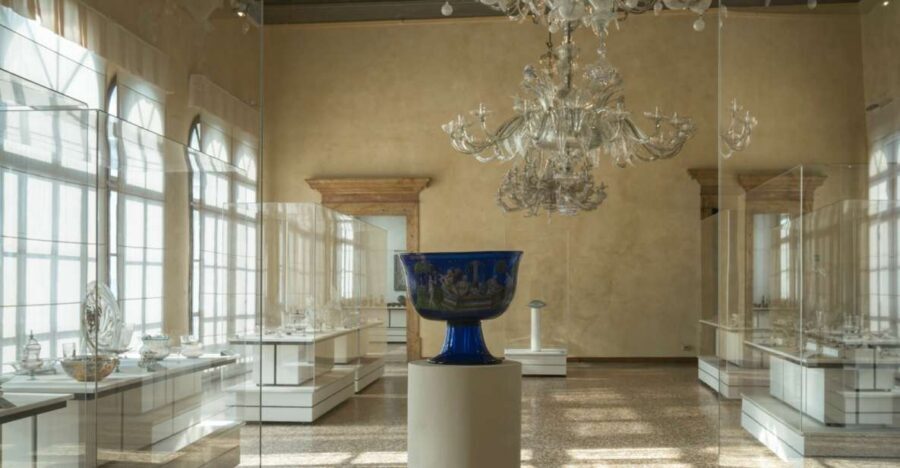
- Largest collection focus: one of the biggest historical collections of Murano glass you can see
- Chronological layout: a straightforward way to trace how styles and methods evolved
- Technique-first approach: you’ll learn the how behind the jewelry and decorative pieces
- Self-paced visit: go fast or slow without matching a group schedule
- Good value for $11: entry gives you plenty of time with the museum’s glasswork displays
Why this ticket feels like good value
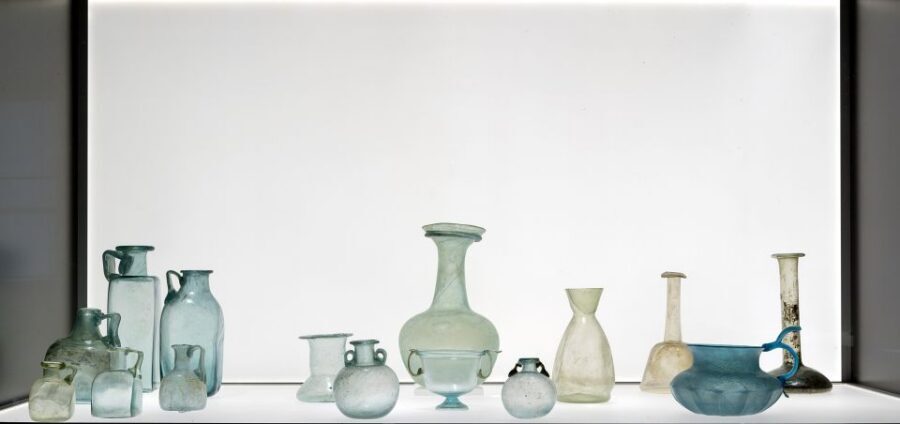
For $11 per person, you’re paying for access to a museum experience that’s built around a very specific subject: Murano glass—history, craft, and the look that made this island famous. In practical terms, that means you’re not paying to wander randomly. You’re buying entry into a themed place where the displays are designed to help you understand what you’re seeing.
I also like that it’s self-paced. With no live guide included, you can spend extra time where your interests grab you—often the jewelry, the older glass, or the parts that explain glass-blowing methods. If you’re the type who hates being rushed through rooms, this format works well.
The main value call here is focus: if Murano glass jewelry is your thing (or you want to buy it later with better taste), the museum gives context. If you only want a quick photo stop, you might find it shorter than you hoped, which brings us to pacing.
You can also read our reviews of more tours and experiences in Venice



Getting to Murano with the included transport option
This entry ticket includes an option for a 1-day public transport ticket (only if you select it). That matters because Murano is reachable by public transit, and a day ticket can reduce stress if you plan to hop around Venice as well.
Even if you do select the transport ticket, keep one reality in mind: your best experience comes from giving yourself time to actually get to Murano and settle in. Venice days can be tight—walking plus water transit plus crowd flow. So I’d treat this as a real half-day to full-day activity, not a last-minute check-box.
Also, the ticket’s validity is 1 day, but starting times depend on availability. That means you’ll want to choose a time window that fits how your day is running, rather than assuming you can walk in at any hour.
What you’ll see inside the museum
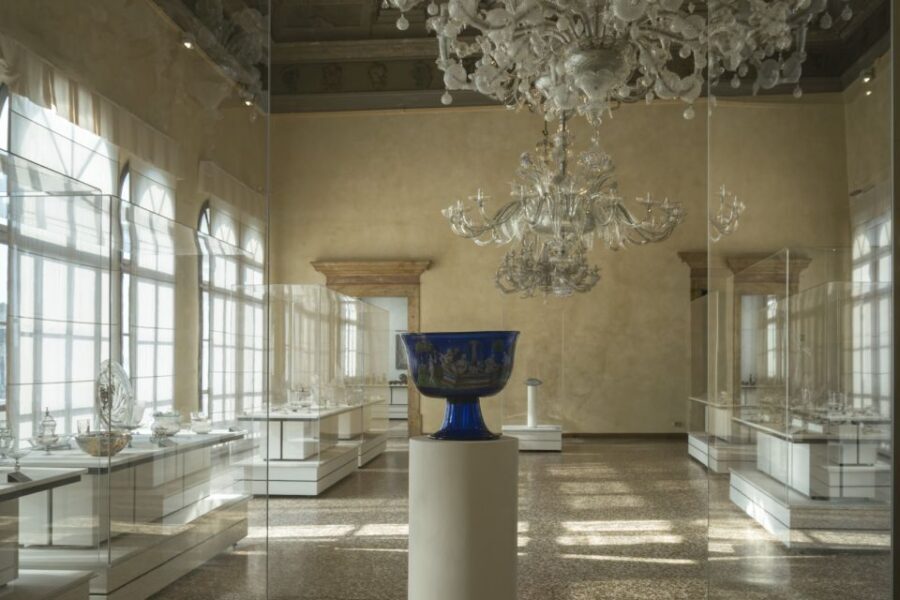
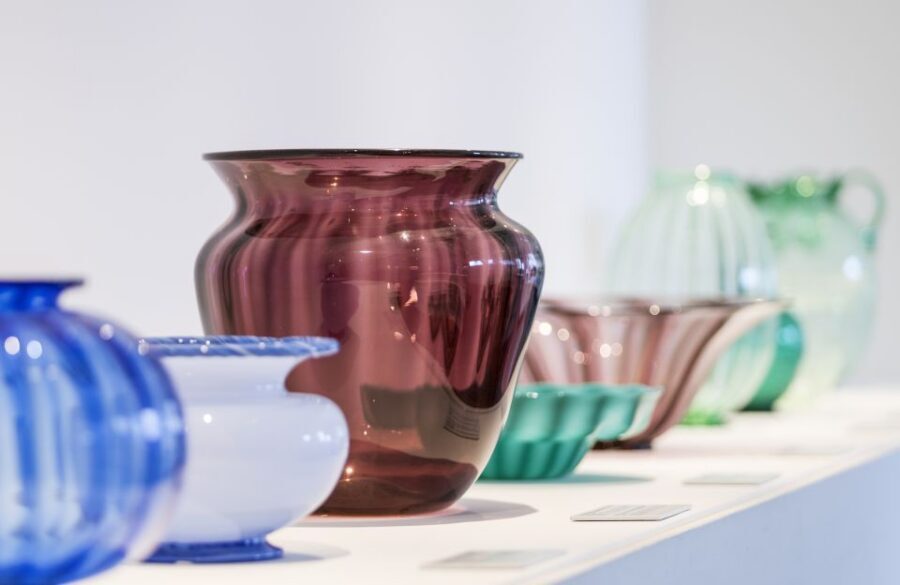
The headline promise here is simple: this museum houses the largest historical collection of Murano glass in the world, with displays that take you through centuries of Venetian glasswork. The result is a visit that feels like you’re reading the story of Murano in objects.
A big plus is that the collection is arranged chronologically. That’s not just a neat detail—it changes how you understand everything. When glass styles move through time in order, you stop seeing pieces as random art items and start noticing how techniques, materials, and tastes evolved.
Inside, you’ll encounter:
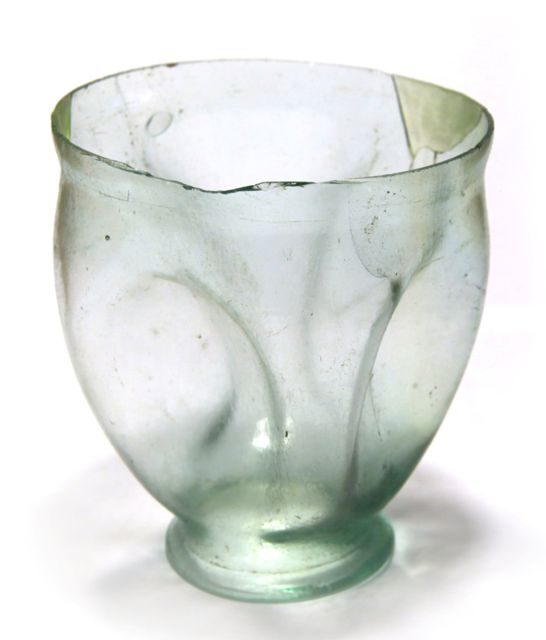
- older, historical glasswork (including 17th-century pieces)
- world-famous Murano masterpieces highlighted through the collection
- displays aimed at the skills and secrets of glass blowing
- glass objects connected to what you’ll see in Murano jewelry shops
If you’re shopping later, this is where the ticket quietly pays off. You’ll likely start thinking in terms of craftsmanship—how items are made, what details look different across eras, and which styles match which time periods.
The 17th-century glasswork that helps everything click
One of the strongest reasons to go is the museum’s emphasis on older work—especially 17th-century glass. When you see older pieces in context, modern-looking glass suddenly makes more sense. You can spot patterns in color, form, and finishing that get repeated and refined over time.
I like this approach because it gives you a grounding. Instead of just admiring, you start to understand the why. Venetian glass wasn’t created in a vacuum; it developed alongside changing tastes, trade, and technology.
The museum also signals technique, not just aesthetics. Even without a live guide, the displays are set up to help you grasp how glasswork becomes objects you can recognize—things that later show up as jewelry, decorative pieces, and souvenir styles.
How the museum explains glass-blowing secrets
This is where a self-paced museum can shine. You can pause, look closely, and compare items without worrying about the next group or the next room. The museum experience is designed to teach you about Venetian glass techniques over the centuries, and to make the process feel understandable.
The information you’ll get is described as helping you grasp glass-blowing secrets and see stunning glasswork. That likely means a mix of object-focused learning and interpretive displays that connect what you see to how it was made.
Here’s the practical part for your visit: bring a mindset of observation. Instead of just scanning for the prettiest items, look for:
- variations in color and thickness
- differences in shapes and surface texture
- how certain decorative looks repeat through time
Even if you don’t become a glass expert by the end, you’ll walk out with better instincts. That’s the kind of learning that upgrades a shopping stop from guesswork to informed taste.
You can also read our reviews of more museum experiences in Venice






How long to plan and how to pace it
Your experience length is listed as 1 day. That sounds broad, but the review rating pattern and the “pretty fast but still interesting” vibe point to something important: this is a museum you can complete without turning it into an all-day marathon.
Because it’s an entry ticket with no live guide included, you control the tempo. If you love details, you’ll linger longer in the technique sections and the older displays. If you’re more in a scan-and-enjoy mood, you can still get a satisfying overview.
My advice is to plan a comfortable buffer. Give yourself time to browse without rushing, then leave yourself a cushion for Murano’s streets and shops afterward. That way you’re not sprinting out just to catch the next transport connection.
Venice Access Fee: the one rule that can trip up your plans
From 18 April 2025 to 27 July 2025, Venice has an Access Fee that may apply to every visitor, with specific exemptions. The key detail is that you pay this fee directly to the City of Venice, and you should check the official info at cda.ve.it for dates, methods of payment, and exemptions.
Even if your ticket covers the museum entry, this access fee is separate. So treat it like a planning step, not something you discover at the last second.
If you’re traveling in that date window, I’d build extra margin into your schedule. You want enough time to handle the fee requirement cleanly so your day stays calm and enjoyable.
Museum hours: check before you go
Opening dates and times can change, so you should check the museum website before you head over. This matters because your ticket is valid for 1 day and starting times depend on availability.
What I do with timed-entry-ish experiences like this: I don’t rely on memory. I confirm today’s open hours, then I set my travel and transport plan around that—not the other way around.
Who should book this (and who might not love it)
You’ll likely get the best value if you:
- are obsessed with Murano glass jewelry or glass design
- want an easy way to understand the craft across time
- enjoy self-paced museums where you can linger at the pieces that grab you
It’s also a good fit if you like learning by looking. The chronological setup and technique-focused content reward attention.
You might not love it as much if you:
- want a live guided tour (a guide is not included)
- prefer very interactive experiences like hands-on workshops (nothing like that is described here)
- only want a quick photo stop and minimal reading
If you fall into the middle—curious but not hardcore—you’ll still likely find enough interest to justify the ticket, especially because the museum is built around a major collection.
Read the value like a local shopper
This ticket is priced at $11, which is low enough that you can treat it as a smart stop rather than a big splurge. The real value is what it does for your judgment afterward.
If you’re planning to buy Murano glass jewelry, the museum helps you compare quality and style. You’ll be better at noticing craftsmanship differences and understanding why certain looks feel more tied to particular eras and techniques.
And because you’ll learn about glass-blowing secrets, you’ll probably ask better questions in shops. That’s how you avoid getting sold only on the most basic sales pitch.
Practical tips for a smoother visit
Here are a few no-nonsense moves that make a museum like this easier to enjoy:
- Pick a time you can actually focus on. If your schedule is chaotic, the museum becomes stressful instead of satisfying.
- Slow down on the chronological sections. That’s where the story clicks.
- Bring your curiosity, not your expectations. You don’t need to know anything about glass to appreciate the craftsmanship.
- If you’re doing other Venice stops, use the included public transport ticket if you selected it. It helps you keep the day fluid.
Should you book the Murano Glass Museum entry ticket?
If Murano glass is even a little on your radar, I think this is an easy yes. For $11, you get self-paced entry into a museum that focuses on centuries of technique and a major historical collection. It’s also wheelchair accessible, which is a practical win for many visitors.
The decision hinges on two things: your date and your style. Check the Access Fee window for 2025 if your trip falls between 18 April and 27 July, and confirm opening times on the museum site. And be comfortable with a visit that’s mostly museum browsing—no live guide included.
If that fits you, book it and plan a calm half-day. You’ll come away with real context, not just souvenirs.
FAQ
What is the price for the Murano Glass Museum entry ticket?
The price is listed as $11 per person.
How long is the experience?
The duration is listed as 1 day.
What’s included with the ticket?
You get entry tickets to the Glass Museum on Murano island. A 1-day public transport ticket is included if you select that option.
Is a live guide included?
No. A live guide is not included.
Do I need to check opening dates and times?
Yes. You should check the museum website before your visit to double-check opening dates and times.
Are there any special rules in Venice I should know about for 2025?
Yes. Between 18 April 2025 and 27 July 2025, an Access Fee may be required for visitors to Venice. You should consult cda.ve.it for dates, payment method, and exemptions.
Is the ticket refundable?
No. The activity is listed as non-refundable.