REVIEW · VENICE
Murano: In Depth Glass Factory Guided Tour
Book on GetYourGuide →Operated by Wave Murano Glass - Factory, Tours and Experiences · Bookable on GetYourGuide
Watching glass take shape is quick to grab you.
What makes this tour special is how close you get to real Murano Glass Masters, with professional explanations that walk you through the rooms instead of just pointing at machines from far away. I also like the small-group setup (limited to 8), which means you’re not lost in a crowd and you can actually follow the process as it happens. The one potential downside: it’s not a casual sit-down visit, so you’ll want comfortable, closed-toe shoes and you’ll stand/walk through active production areas.
If you’re hoping for a sales pitch, this is the opposite. The tour is designed to show you what a working workshop feels like—then you decide whether you want anything afterward. One more consideration: the tour is English-only, so if that’s a deal-breaker for you, plan accordingly (or consider another activity that matches your language).
In This Review
- What Makes This Tour Worth Your Time
- Why This Murano Tour Feels Different From Tourist Traps
- Getting There: Venice Timing and the Gallery Check-In
- Inside the Workshop: Batch Room to “Charge the Furnace”
- The Hotshop: Molten Glass, Furnaces, Tools, and Cooling Stages
- The Coldshop: Where the Glass Starts Looking Like Finished Art
- The Guide and the Small-Group Difference (Marco or Whoever Leads Your Tour)
- Price and Value: Why $34 for 50 Minutes Can Make Sense
- Practical Tips: What to Wear and What Rules Matter
- Should You Book This Murano Glass Factory Tour?
- FAQ
- Where is the meeting point for the tour?
- How long is the tour, and what group size should I expect?
- Is the tour available in languages other than English?
- Do I need to bring special clothing or shoes?
- What days are tours operating?
- Is it possible to cancel or pay later?
- Is the tour suitable for wheelchair users or people with epilepsy?
What Makes This Tour Worth Your Time
- Batch room clarity: you’ll see how sand and chemicals get mixed to become furnace-ready glass.
- A real 1400°C hotshop: you get a step-by-step explanation of how glass melts and how tools work.
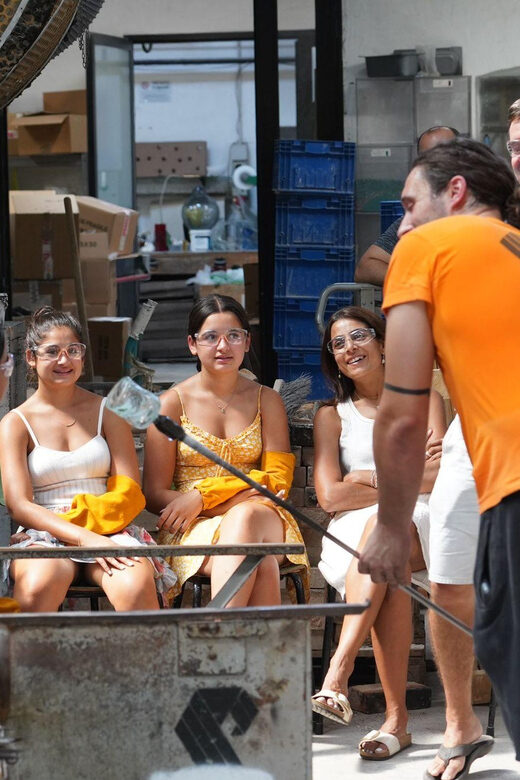
- You stand near the making: the experience is built so you’re close to the people shaping the glass, not behind ropes.
- Coldshop finishing: you’ll see carving, drilling, cutting, flattening, and polishing equipment in action.
- Small group feel: limited to 8 participants, with time for questions during the flow of the tour.
Why This Murano Tour Feels Different From Tourist Traps
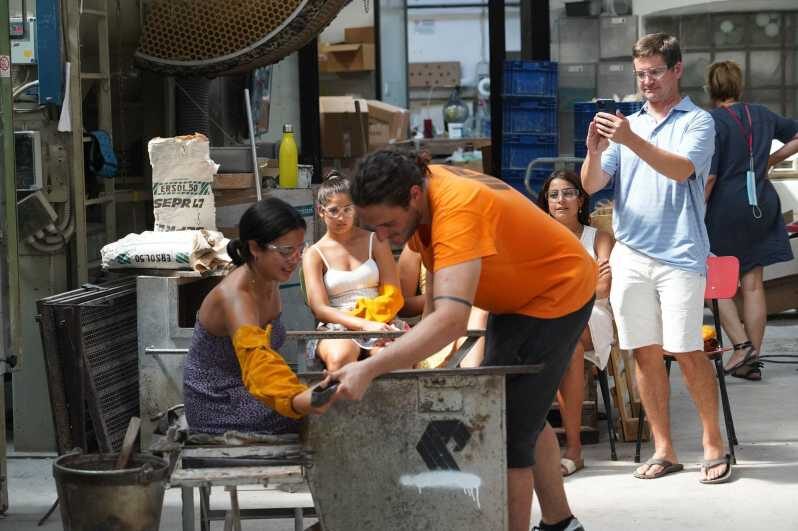
Murano has its share of glass shops that feel like a quick stop on a shopping route. This experience aims at something else: the inside of the workflow. You’re not just learning a pretty story about Venetian craftsmanship. You’re watching the logic of production—from raw materials to the finished object.
And it’s paced like a workshop, not like a museum. The tour is short (50 minutes), but it’s structured so you understand what each room does and why glass needs different handling as it moves from heat to finishing. That short duration is a plus if you want something meaningful without spending half a day getting oriented.
I especially like that it’s built around watching the glassmaking process right there. Even if you don’t plan to purchase anything, you still get the payoff: you’ll see how masters actually work with molten glass, and you’ll understand what you’re looking at when you later wander Murano looking at storefronts.
You can also read our reviews of more guided tours in Venice



Getting There: Venice Timing and the Gallery Check-In
Your first job is simple: arrive early enough to check in and not feel rushed. The tour asks you to arrive about 5 minutes before the start so you can be logged in.
From Venice, the ride to Murano can take up to 50 minutes, depending on where you start and what the timing looks like that day. That’s not a small detail. With a 50-minute tour, you’ll feel every delay. If your schedule is tight, I’d treat this as a timed appointment, not an open-ended activity.
One more practical point: your meeting spot is not inside the factory. You meet in a gallery first, then you’re led to the workshop afterward. That means you should show up at the exact meeting place listed for the experience so you don’t lose time hunting down the right building.
Inside the Workshop: Batch Room to “Charge the Furnace”
The tour’s first stop is the batch room, the start of the story where sand and other chemicals get combined. This part matters because it’s where you stop seeing glass as magic and start seeing it as engineering.
In this room, you’ll be shown how the mixture gets prepared to melt properly once it hits the furnace. The guide explains the idea that the right chemical mix is what helps the glass behave the way glassmakers need—then that glass is charged into a furnace that runs at around 1400°C.
What I like about this is that it gives you a foundation for everything after. When you move into the hotshop, you’re no longer thinking, What am I looking at? Instead you’re thinking, Okay, they prepared the materials so the melt will work.
Also, the way the tour walks through each area step by step makes it easier to follow even if you’re not a chemistry person. People in the group can ask questions, and the guide keeps the explanation connected to what you’re seeing in front of you.
The Hotshop: Molten Glass, Furnaces, Tools, and Cooling Stages
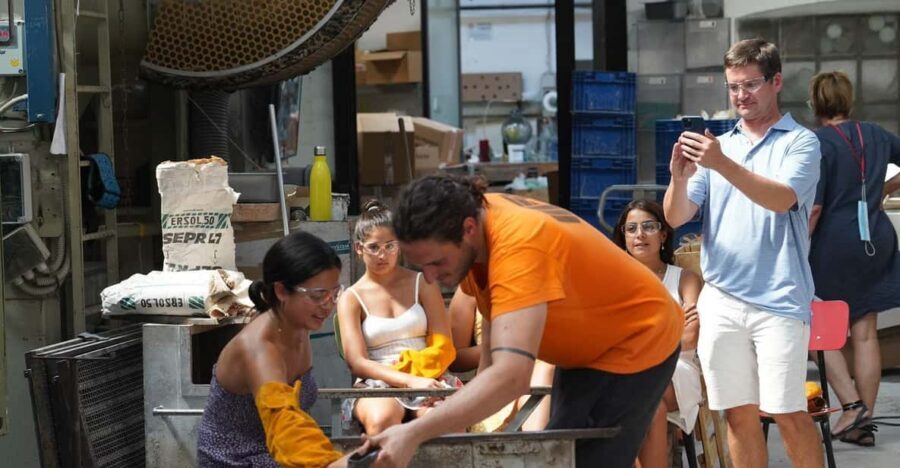
The hotshop is where the workshop earns its reputation. You’ll see the heart of the process: the glass melting, the furnaces doing their job, and the tools glassmakers use once the glass is molten.
The guide will explain what’s happening from the chemical mix all the way to molten glass. And you’ll also get clarity on how the glass is shaped and handled as it changes temperature—especially the idea of cooling stages and how that affects the shaping process. It’s not just background. It’s part of understanding why glass can be formed, then adjusted, and then finished.
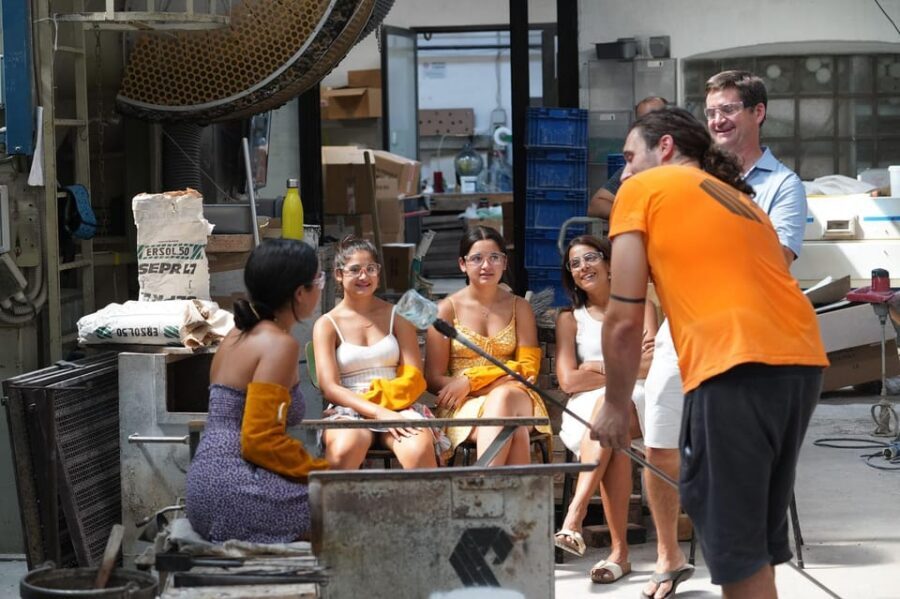
A big reason this tour works well is that you’re not watching from far away. The experience is set up so you can stand close enough to understand the pace of the masters’ work. One of the most memorable moments is simply being near the people creating pieces while they work—this turns Murano glass into something physical and real, not an abstract “craft tradition” lesson.
It’s also the section where you’ll appreciate the tools more. Instead of only seeing finished objects, you learn what each tool is for and why the glass needs specific handling as it moves through the working flow.
The Coldshop: Where the Glass Starts Looking Like Finished Art
After heat comes transformation. The coldshop is the “this is now glass you can recognize” section of the tour. Here, you’ll see machines used to carve, drill, cut, flatten, and polish glass.
This room is valuable because it completes the picture. Many people only think of glassblowing—the dramatic part. But making a high-quality piece also depends on finishing. The coldshop is where you see how work continues once the glass has cooled enough to be shaped with tools and precision equipment.
I like how the tour doesn’t treat this as an afterthought. It explains the coldshop role as the place where glass truly starts to shine—because finishing is where the final form, surfaces, and details come together.
Even if you’re mostly there to understand the factory process, you’ll leave with a better eye for what you’re seeing when you later browse Murano glass shops. You’ll recognize that the finished look is the result of both the hot shaping and the cold finishing work.





The Guide and the Small-Group Difference (Marco or Whoever Leads Your Tour)
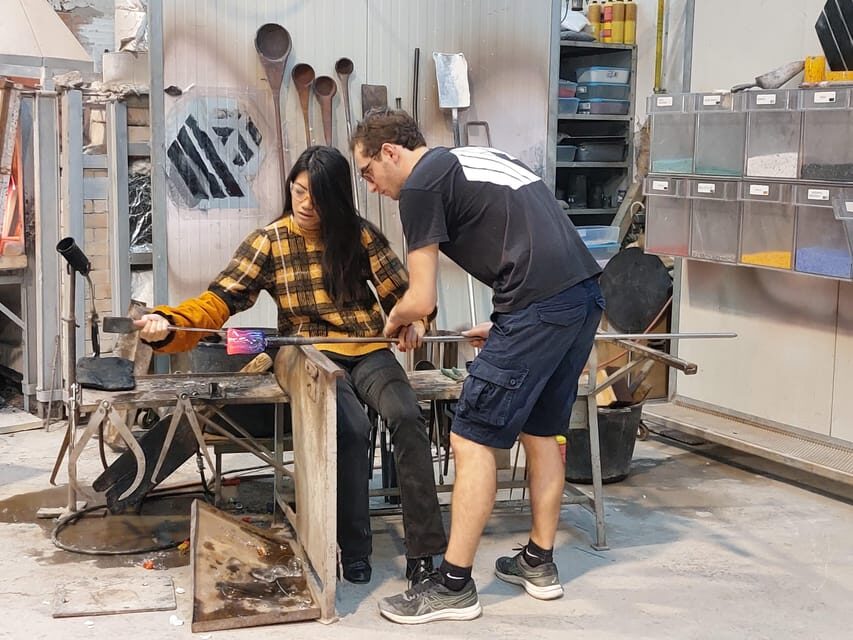
The tour uses a live guide in English, and the group size stays small—limited to 8 participants. That’s not just comfort. It changes the whole experience.
In a small group, the guide can pace the explanation to the questions you actually care about. You’re not stuck with a wall of noise and a one-size-fits-all script. People can ask about how the process works, and the guide can respond in a way that stays connected to what you’re watching in each room.
One name that stood out in this experience for English introductions is Marco. In at least some tours, he provides the kind of start that makes the rest of the factory walkthrough easier to follow. Even if your guide isn’t Marco, you can expect the same aim: clear, step-by-step guidance tied to the production areas.
If you’re bringing kids, this format tends to work well too. The tour is structured enough to keep attention, and the action of watching glassmaking helps younger visitors stay engaged without getting bored by long lectures.
Price and Value: Why $34 for 50 Minutes Can Make Sense
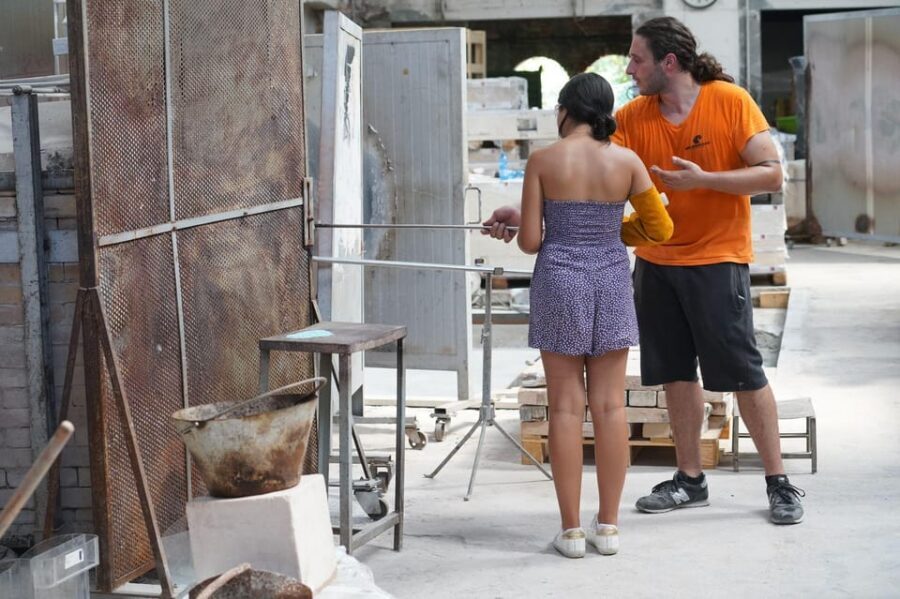
At $34 per person for a 50-minute guided tour, this isn’t the cheapest thing on the Murano list. But it also isn’t priced like a pure retail stop, either.
Here’s where the value comes from:
- You get access to multiple working areas in one short visit: batch room, hotshop, and coldshop.
- You’re guided by a live English specialist who explains the process step by step.
- You’re in a small group (max 8), which makes the closeness feel intentional rather than crowded.
- Safety glasses are included, which shows they’re setting you up for the real environment, not a staged demo.
If you’re trying to cut through tourist noise and see the actual workflow behind Murano glass, the price starts to look fair fast. If your goal is only to browse shops and pick up souvenirs, then a workshop tour might feel less necessary. But if you want the production reality—what glassmakers do and how the rooms connect—this is an efficient way to get there without turning your day into a time sink.
Practical Tips: What to Wear and What Rules Matter
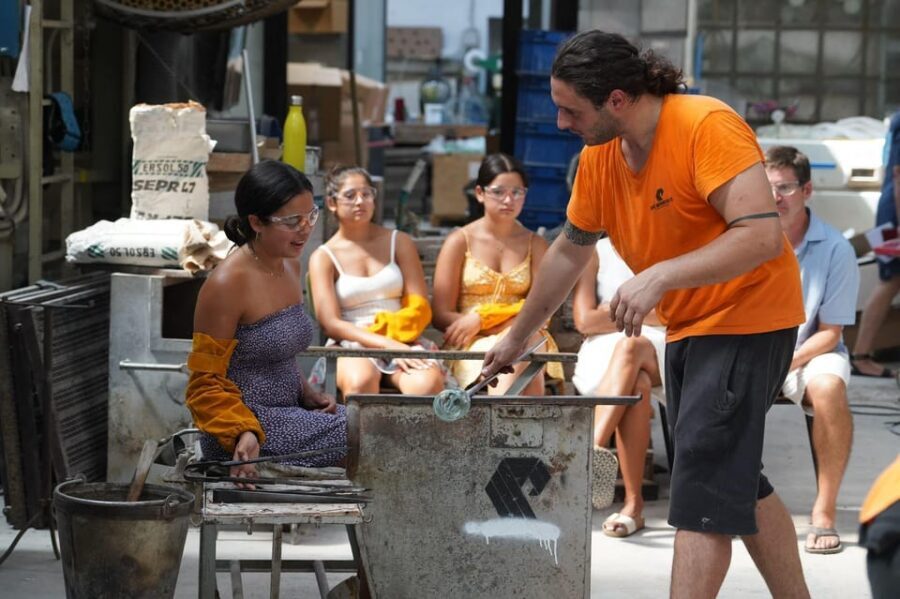
A few rules will help you have a smoother visit:
You should bring:
- Comfortable shoes
- Closed-toe footwear
Not allowed:
- Sandals or flip-flops
- Alcohol and drugs
You’ll also be given safety glasses for all participants. This is especially important in a workshop environment where you’re close to active work.
And because this is an active factory setting, it’s not set up for everyone. The tour isn’t suitable for:
- people with mobility impairments
- wheelchair users
- people with epilepsy
- people with a cold
If any of that applies to you, it’s worth choosing a different Murano activity that fits your needs better.
Should You Book This Murano Glass Factory Tour?
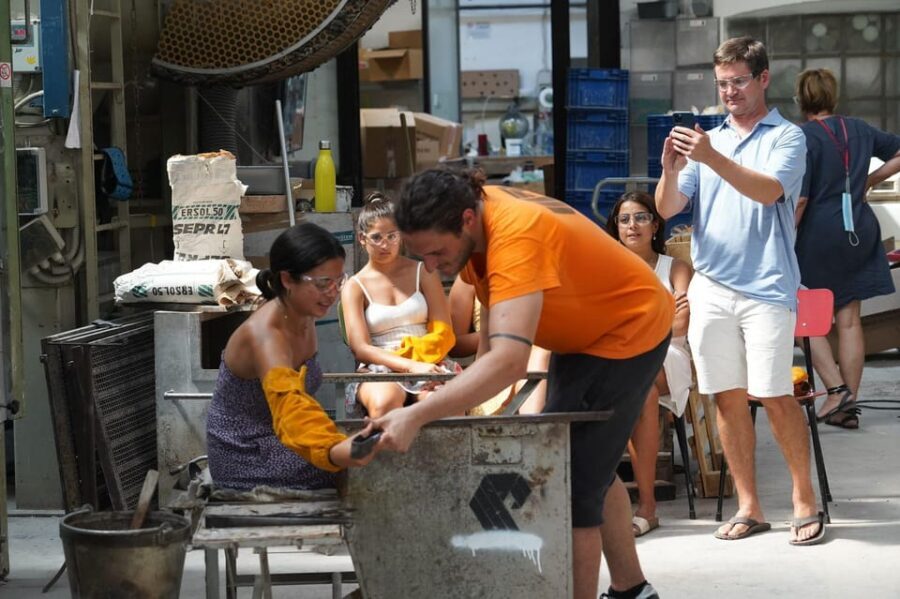
I think you should book this tour if you want the best chance of understanding Murano glass as a process, not as a showroom story. It’s a good fit when you’re tired of salesy stops and you’d rather watch real masters at work. The small-group size is also a strong reason to choose it, because you can stay focused while you learn.
Skip it (or at least think hard) if:
- English is a problem for you, since the tour is English-only.
- You need wheelchair access or have mobility limitations, since the tour isn’t suitable for wheelchair users.
- You’re feeling unwell, because it’s not recommended for people with a cold.
- You’re expecting a shop-heavy experience where the main event is browsing and buying—this is structured as a working tour, and it’s very clear there’s no obligation to purchase.
FAQ
Where is the meeting point for the tour?
You meet in the provider’s gallery for check-in. The meeting point is not inside the factory, and you’re led to the workshop afterwards.
How long is the tour, and what group size should I expect?
The tour runs for 50 minutes. It’s a small group, limited to 8 participants.
Is the tour available in languages other than English?
The tour is only led in English.
Do I need to bring special clothing or shoes?
Wear comfortable, closed-toe shoes. Sandals or flip-flops aren’t allowed. Safety glasses are provided for all participants.
What days are tours operating?
The experience is closed on Sunday, and tours are not organized on Saturdays and Sundays at the moment.
Is it possible to cancel or pay later?
Yes. You can reserve now and pay later, and you can cancel up to 24 hours in advance for a full refund.
Is the tour suitable for wheelchair users or people with epilepsy?
No. The tour is not suitable for mobility impairments, wheelchair users, people with epilepsy, or people with a cold.