REVIEW · VENICE
New – Maleficia: Inquisition, Torture and Witchcraft between the centuries
Book on Viator →Operated by CITY TOURS CO. LTD · Bookable on Viator
Venice usually plays it cute. This exhibit doesn’t.
Maleficia: Inquisition, Torture and Witchcraft turns the Palazzo delle Prigioni into a sobering walk through the 15th–18th century machinery of accusation, using suggestive testimonies, documents, and objects (plus some reproductions) tied to the Holy Office and the persecution of witchcraft. I like that it’s not just dates and names. You get to see the actual kind of evidence and tools that made confessions and punishments feel official. I also like the pacing: it’s about 1 hour and capped at 15 people, so it stays manageable even when the topic gets heavy.
One thing to watch: you’re stepping into graphic historical subject matter, and the visit is short. If you want a deep, hour-long lecture on witchcraft specifically, you may find it leans more toward justice and punishment. Also, based on past confusion reported with the meeting spot, I’d arrive a few minutes early and double-check you’re at Circolo Artistico – Palazzo Delle Prigioni on Riva degli Schiavoni.
In This Review
- Key things to know before you go
- Maleficia at Palazzo delle Prigioni: the setting does half the work
- Inside the exhibition: documents, objects, and the idea of proof
- The 15th–18th century Inquisition story: why it’s structured the way it is
- Casanova’s role: when the story hits a familiar name
- Torture instruments and justice tools: what to expect, and how to handle it
- Stop 1: Circolo Artistico – Palazzo Delle Prigioni (your main event)
- Price and value: $11.56 for an hour in a special building
- Who should book Maleficia (and who should skip it)
- A note on audio and guidance quality
- Should you book Maleficia?
- FAQ
- How long does the Maleficia exhibition take?
- Where is the meeting point for Maleficia?
- What is the price of the tour?
- Is the ticket mobile?
- Is it refundable if I change my plans?
- Is there any extra fee for some day visitors in Venice?
Key things to know before you go
- Prisons’ Palace setting: the exhibition takes place in the historic Palazzo delle Prigioni, linked to the Tribunal’s era.
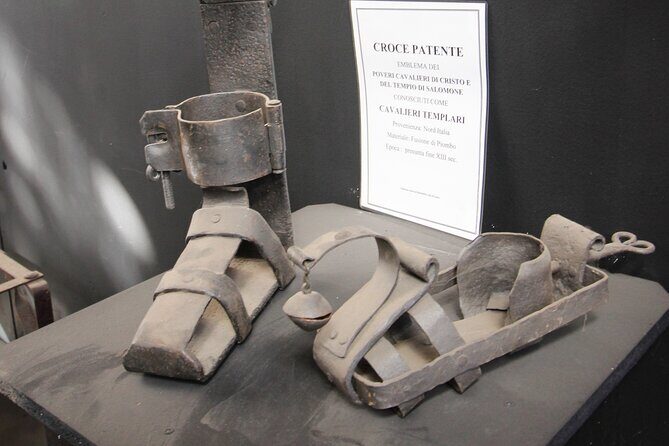
- Evidence on display: expect ancient documents used by the Holy Office alongside objects and instruments connected to justice.
- Torture and legal process, not folklore: the show emphasizes the mechanics of persecution and punishment.
- Famous-name controversy: Giacomo Casanova appears in the story, accused of dabbling in magic and the occult.
- Small-group visit: maximum 15 travelers helps keep things controlled and lets a guide stay engaged.
- A practical time slot: at about 1 hour, it fits well into a Venice day without swallowing your whole afternoon.
Maleficia at Palazzo delle Prigioni: the setting does half the work
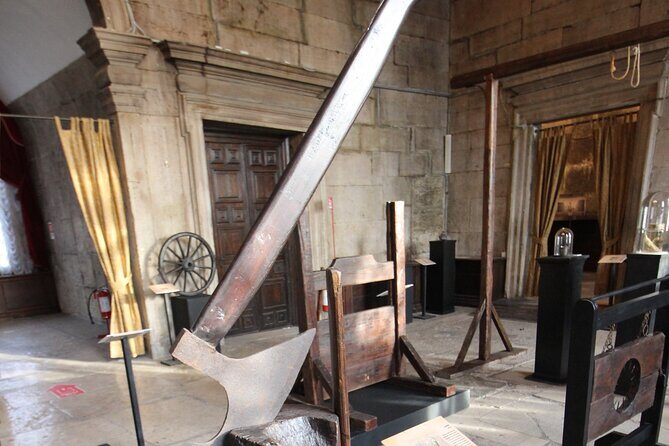
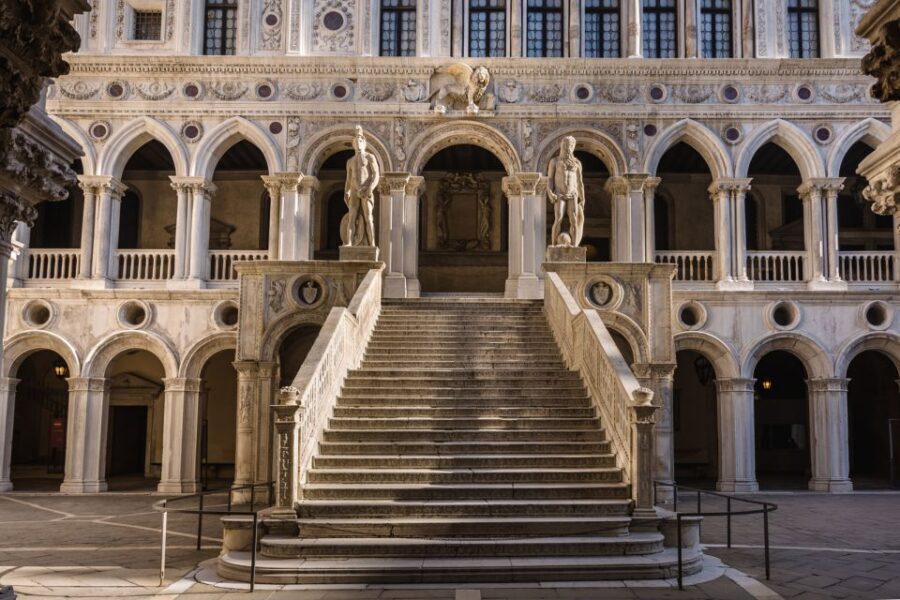
The big hook here is the address: Circolo Artistico – Palazzo Delle Prigioni on Riva degli Schiavoni. You’re not just viewing an exhibition somewhere neutral. You’re in a place that’s already associated with incarceration and the justice system in the 15th–18th centuries. That matters, because the topic is all about power, fear, and institutional control.
And yes, Venice can feel like a dream until you read the labels on the wrong door. Maleficia uses that contrast on purpose. The exhibition aims to make you reflect on what it meant when people were condemned to death and tortured after accusations of evil spells or magical arts. You should go with your expectations set to history with teeth, not a light museum detour.
Also, the tour is designed to be easy to manage. It’s about an hour long, and it’s run with small groups (up to 15). In practice, that means you can plan this as a confident “one-slot” experience: book it, show up, and you’re done without rushing all over the city.
You can also read our reviews of more tours and experiences in Venice.


Inside the exhibition: documents, objects, and the idea of proof
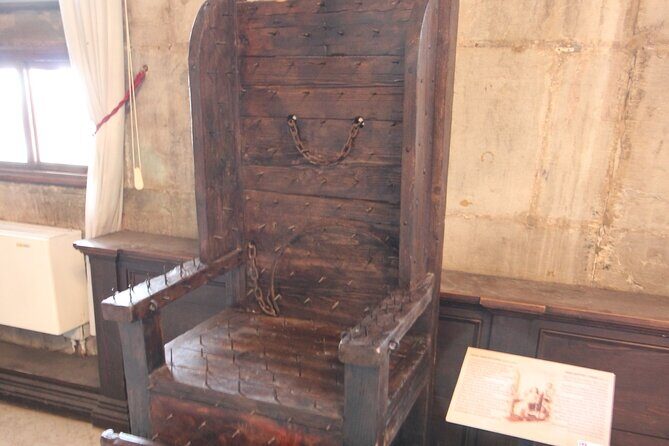
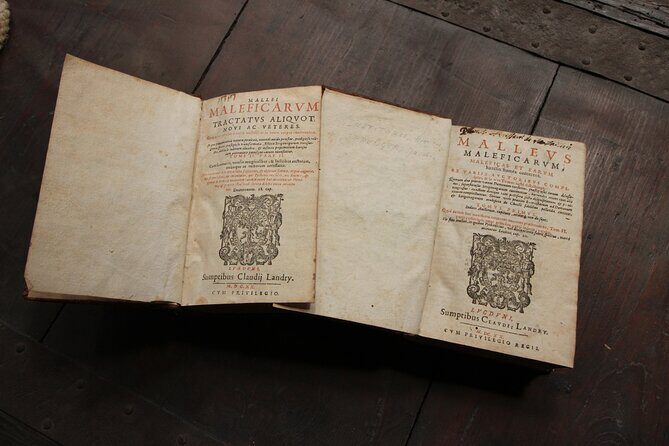
Maleficia is built around a mix of suggestive testimonies, documents, and objects. The wording is doing real work here. This isn’t presented as pure legend. The goal is to show how the Holy Office’s persecution of witchcraft was supported by paper trails, formal accusations, and the tools of punishment.
You’ll see exhibits that include:
- ancient documents used in the persecution of witchcraft
- instruments of justice employed to counter witchcraft and magical arts
- objects and reproductions arranged to explain the Tribunal’s approach
That combination is valuable for you because it shows two levels of how the system functioned. The documents represent the formal story that institutions told. The instruments represent the physical reality of how that story became consequences. You get both the bureaucratic and the brutal sides in one controlled hour.
One more practical point: because the exhibition includes reproductions, don’t expect everything to be “original, one-of-a-kind evidence.” But don’t treat reproductions as filler either. They usually exist to help visitors understand what a tool or category of documents looked like when originals are unavailable or too fragile to display.
The 15th–18th century Inquisition story: why it’s structured the way it is
The exhibition is tied to the Tribunal of the Inquisition operating within the Palazzo delle Prigioni during the 15th and 18th centuries (and into the 18th century era). The framing centers on the moment when accusations turned into legal action, including condemnation to death for women accused of evil spells and magical arts.
This is where the value of a guided visit becomes real. A good guide can help you keep track of the logic of the exhibit:
- Who was targeted (the show focuses on women accused of witchcraft and also mentions famous individuals)
- What counted as evidence (documents and testimonies)
- What punishment looked like in practice (instruments of justice)
If you’re the kind of traveler who hates being lost in a museum, this is one reason to do Maleficia with a guide rather than wandering solo. The experience is short, so you need the signposts and explanations to make the information stick.
Also, it helps you interpret the emotional tone. The exhibit asks for reflection on suffering and fear. That’s not just “dark history for atmosphere.” It’s a reminder that institutions can take rumors and convert them into power.
Casanova’s role: when the story hits a familiar name
One of the most useful details in this exhibition is its mention of Giacomo Casanova. The tour describes him as accused of dabbling in magic and the occult. That matters because it shifts the story from a purely distant topic to something more human and recognizable—even if you never expected Casanova to show up in a “witchcraft and torture” context.
For you, this can make the material easier to hold onto mentally. When a museum gives you only anonymous victims and vague institutions, it’s easy to forget the human stakes. A famous name creates a thread you can follow, even though the accusation itself is part of the machinery of persecution.
Just keep your mindset realistic: the point isn’t to repackage witchcraft as entertainment. The point is to show how accusations could attach to people in very different social positions.
Torture instruments and justice tools: what to expect, and how to handle it
Let’s be direct. Maleficia includes instruments of justice used to counter witchcraft, and the topic includes torture. Even if the exhibition doesn’t list every procedure in a step-by-step way, you should assume there will be objects tied to coercion and punishment.
So here’s a smart way to prepare:
- If you’re sensitive to graphic historical topics, decide in advance how you want to engage—briefly scan and move on, or linger on the documents rather than the instruments.
- If you’re prone to getting overwhelmed, remind yourself that this is about how systems worked, not about sensational detail.
The good news is that the experience stays time-limited (about one hour), and it’s in a museum format. You can control your pace more than you could in a long lecture or a heavy guided walking day.




Stop 1: Circolo Artistico – Palazzo Delle Prigioni (your main event)
This experience has one main stop, and it’s the whole point.
Where to start:
Circolo Artistico – Palazzo Delle Prigioni, Riva degli Schiavoni, 4209, 30122 Venezia VE, Italy.
In practice, I’d treat this as an arrive-and-check moment. The building signage may not scream the exact name of the exhibition to every visitor. A past guest described confusion when signage didn’t clearly match what they expected. Your best strategy is boring but effective: arrive early, confirm the address, and use the exact location on your voucher.
Once you’re inside, expect:
- an organized introduction to the exhibition’s theme (Inquisition, torture, witchcraft accusations)
- a guided path through documents and objects in the historic prison setting
- a chance to connect the exhibit to the spaces associated with incarceration and torture
The time also matters. At around one hour, you won’t get unlimited wandering time. You’re likely to follow the guide’s route and priorities. If you’re a “take 40 photos” person, pick your spots, because the exhibit is built for attention, not picture-taking marathons.
Price and value: $11.56 for an hour in a special building
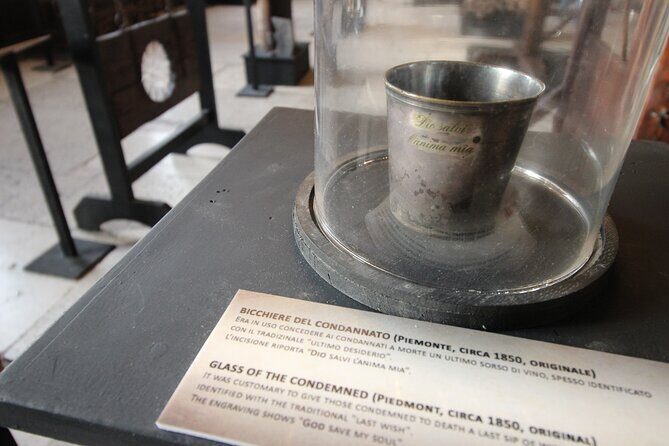
At $11.56 per person, Maleficia is priced like a focused cultural stop, not a big-ticket show. That can be a good deal in Venice, where many experiences cost more and take longer.
Here’s how I think about value for you:
- Value is highest if you want a guided museum-style hour inside a historic prison palace, centered on documents and justice tools tied to witchcraft accusations.
- Value may feel lower if you expected a longer experience or a broader, multi-exhibit program. The time is short, so you’re buying clarity and a guided overview, not a day-long education.
Booking tends to happen about 10 days in advance on average, so if you’re going during a busy week, don’t leave it until the last minute. Small groups (up to 15) also support the idea that slots can fill.
Who should book Maleficia (and who should skip it)
This one is for you if:
- you like history that’s grounded in evidence like documents and objects
- you want a short, guided stop that fits in a Venice itinerary
- you’re curious how institutions enforced accusations of witchcraft, not just folklore
It might not be for you if:
- you want a light, family-friendly museum visit
- you’re not comfortable with torture-related historical material
- you’re hoping for a long, deep discussion focused mainly on witchcraft mythology
And a small mindset tip: if you’re the type who usually avoids dark topics, this is still likely manageable because it’s an hour and museum-paced. But it asks you to think about real suffering, so go into it intentionally rather than accidentally.
A note on audio and guidance quality
The experience is described as including a guided visit, and the guide quality can strongly shape what you get out of a short exhibition. Some visitors have mentioned wishing they had used an audio guide, which suggests that audio support may be offered depending on the day or setup.
So for you, the practical move is simple: when you arrive, check whether audio guidance is available and use it if it’s offered. In a one-hour visit, any tool that helps you track names, themes, and object meaning can make the experience feel longer in your mind.
Also, given the small group size, ask one smart question if you have one. A short visit can feel like a fire drill if you don’t get clarity. A good question can anchor the whole hour.
Should you book Maleficia?
Book it if you want a compact, guided way to understand how the Inquisition-era justice system connected accusations of witchcraft to documents, objects, and punishment, all inside the Prisons’ Palace. The price is reasonable, the group size is small, and the setting makes it more than just another museum room.
Skip or reconsider if you’re extremely sensitive to torture-related subject matter, or if you’re looking for a long, witchcraft-focused deep dive rather than a structured overview centered on justice instruments and legal persecution.
If you’re building a Venice day and want one stop that feels distinct and serious, Maleficia is a strong choice—just go with your expectations set to history that doesn’t sugarcoat anything.
FAQ
How long does the Maleficia exhibition take?
The visit lasts about 1 hour.
Where is the meeting point for Maleficia?
You meet at Circolo Artistico – Palazzo Delle Prigioni, Riva degli Schiavoni, 4209, 30122 Venezia VE, Italy.
What is the price of the tour?
The price is $11.56 per person.
Is the ticket mobile?
Yes. The experience uses a mobile ticket.
Is it refundable if I change my plans?
Yes. The ticket is refundable until 24 hours before the visit.
Is there any extra fee for some day visitors in Venice?
On certain dates, visitors staying outside Venice who plan to visit for the day may need to pay a €5 access fee. Exemptions and applicable days are listed on the site given in the tour details.