REVIEW · VENICE
Venice Art and Architecture Private Walking Tour
Book on GetYourGuide →Operated by Venice Events srl · Bookable on GetYourGuide
Venice can feel like a maze at first.
This tour is a smart way to make it make sense fast, with a guide steering you toward architectural Venice beyond the usual postcard routes. You start at Campo San Bartolomeo near the Goldoni statue, get a short intro, then walk through quieter corners where the story of La Serenissima unfolds through buildings you can actually see and compare.
Two things I especially like: you get off-the-main-path stops instead of defaulting to St Mark’s, and you’re not stuck just staring. Your guide connects what you’re seeing to why it mattered, with time for questions along the way. One consideration: it’s an external walking tour, so you won’t automatically go inside the churches. If you want interiors, you’ll pay an extra fee on the spot.
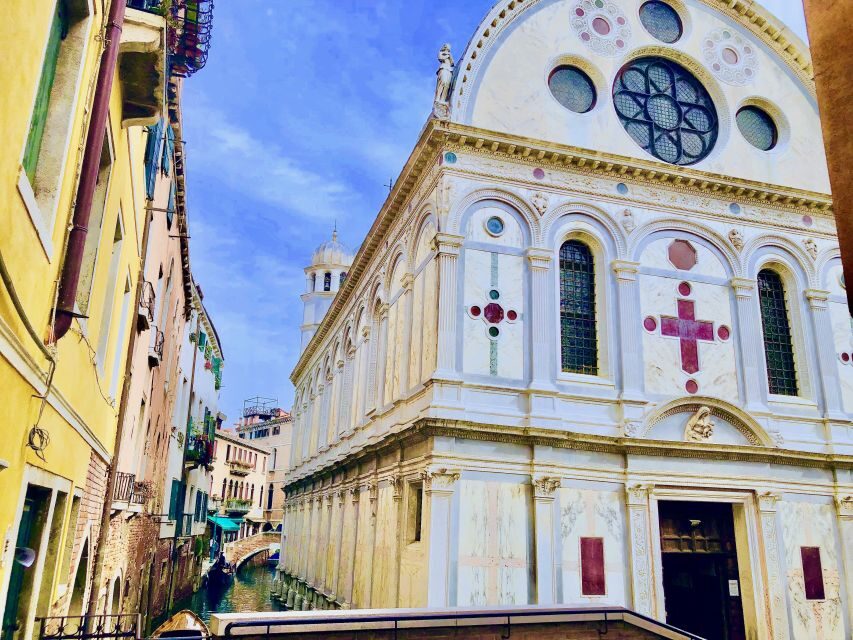
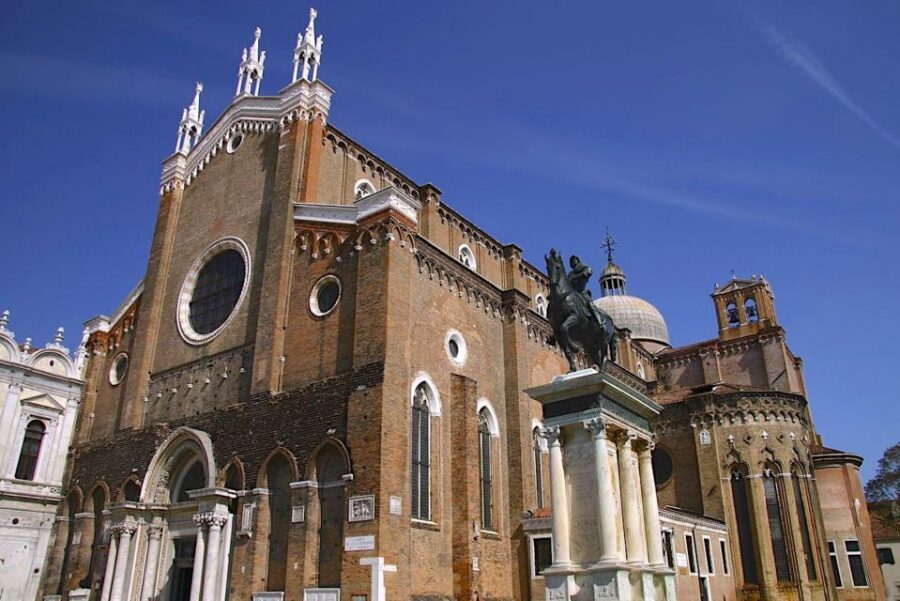
You’ll also spend real time around the squares and courtyards that locals use every day—like Campo San Giovanni e Paolo—so the architecture sits in a living setting, not a museum bubble. The itinerary also includes Santa Maria dei Miracoli, described as miraculous Renaissance architecture, plus Santi Giovanni e Paolo, known as the Pantheon of Venice. Still, wear comfy shoes: this is Venice walking first, and it’s not designed for wheelchair users.
In This Review
- Key points before you go
- Why this walk centers on architecture (and not St Mark’s)
- Meeting at Campo San Bartolomeo and what 2 hours feels like
- Stop 1: Where the story starts near Goldoni
- Stop 2: Corte Seconda del Milion and Marco Polo’s Venice
- Stop 3: Santa Maria dei Miracoli outside—Renaissance lines you can actually compare
- Stop 4: Santi Giovanni e Paolo—Pantheon of Venice energy
- Campo San Giovanni e Paolo: one of Venice’s best squares to slow down
- Your private licensed guide: questions, flexibility, and languages
- Skip-the-line, but plan for external viewing reality
- Price and value: what $150.10 buys in Venice
- Who should book this tour—and who might want a different one
- Should you book this Venice Art and Architecture Private Walking Tour?
- FAQ
- What is the meeting point for the tour?
- How long is the Venice Art and Architecture tour?
- Does the tour go inside the churches?
- What’s included in the price?
- What is not included?
- How big is the group?
- What languages are offered?
Key points before you go
- Designed to avoid the crowds around St Mark’s and concentrate on lesser-seen architectural stops
- Church exteriors only (you can pay to enter, but it’s extra)
- Marco Polo’s ghost is in the route at Corte Seconda del Milion / Corte del Milion
- Santi Giovanni e Paolo’s doge connections are part of the guided story
- Small group size (up to 8) with a private licensed guide for 2 hours
- Multiple languages available, including English, French, German, Spanish, and Italian
Why this walk centers on architecture (and not St Mark’s)
If you’ve only got limited time in Venice, it’s easy to burn it all around St Mark’s Square. This tour purposely takes the other route—still in the same city, but with a different feel. Instead of rushing from one big highlight to the next, you spend your two hours on streets where buildings show their age and their style without you fighting the largest crowds.
You also get a guide who explains the connections between different artistic periods. That matters because Venice isn’t one style—it’s layers. Even when you’re only viewing exteriors, you can start seeing patterns: how a square frames a civic space, how a church façade signals a period, and how courtyards like Corte Seconda del Milion point back to Venice’s wider world.
And yes, the scope is very “art and architecture,” not just general sightseeing. The tour specifically highlights churches like Santa Maria dei Miracoli and Santi Giovanni e Paolo, plus the story-rich area around the squares that define Venice neighborhoods.
You can also read our reviews of more walking tours in Venice

Meeting at Campo San Bartolomeo and what 2 hours feels like
You meet at Campo San Bartolomeo, in front of the statue of Goldoni (Campo San Bartolomeo, Rialto 5282, 30124). Plan to arrive 15 minutes early so you’re not stressed when the walking starts. The tour runs 2 hours, and it ends back at the meeting point, so you don’t have to re-plan your day around a new drop-off location.
The group size is capped at 8 participants, but the tour is run with a private licensed guide for the full time. That combo is the sweet spot: you get the conversational back-and-forth of a guided experience, without feeling like you’re being herded. It also helps the guide manage pace, which matters in Venice where one narrow bridge can change the rhythm of the whole walk.
If you’re staying in the St Mark’s area, there’s hotel pick-up on arrangement (you’ll need to coordinate this). If you’re elsewhere, you’ll still have a clear, fixed meeting point.
Stop 1: Where the story starts near Goldoni
The tour begins at the Monumento Storico a Carlo Goldoni. It’s a good way to start because Goldoni’s name is tied to Venice’s cultural identity, not just its stonework. You get a brief introduction before you peel off toward the quieter architecture-focused route.
Even if you’re not a theater person, this is a practical first move. Starting with context helps you read what you’ll see next. Otherwise Venice can feel like one long visual blur. A short setup like this helps you notice differences between façades, squares, and church settings as the walk moves on.
Stop 2: Corte Seconda del Milion and Marco Polo’s Venice
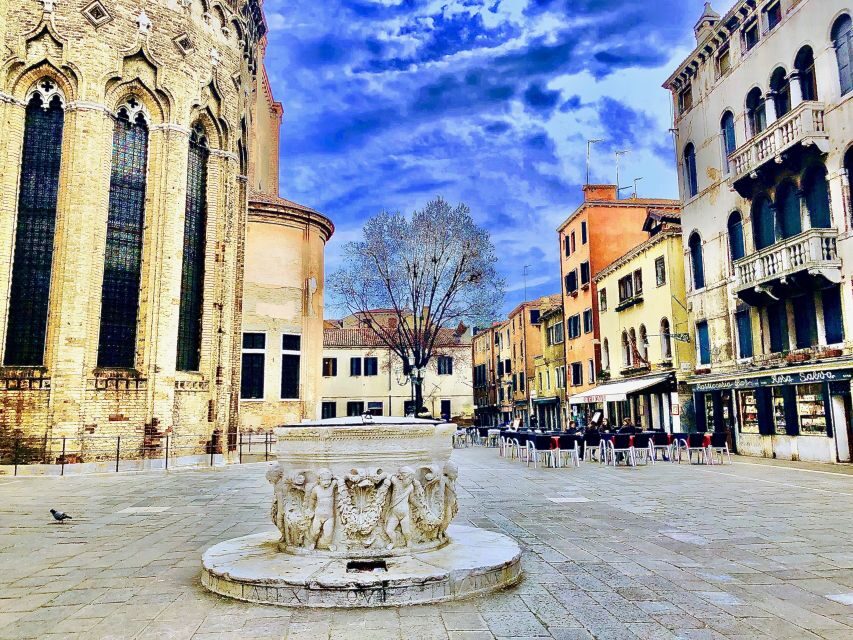
Next you visit Corte Seconda del Milion for a guided segment. You’ll hear why it’s linked to the legendary “Milion” reference—tied to Marco Polo’s account of his travels in the Far East.
This stop is valuable because it shifts the architecture story away from only local politics and toward Venice’s global pull. Venice was a trading hub, and its self-image was shaped by what it believed the wider world was. Even without going inside anything, courtyards like this help you picture how Venetian life worked at the human scale: a walkable space with walls that record time, commerce, and residence.
What to pay attention to here:
- The way the courtyard space feels compared to the larger streets
- The sense of transition—from “street Venice” to “hidden-in-plain-sight” Venice
- The guide’s explanation of how naming connects a place to larger Venetian mythology
Stop 3: Santa Maria dei Miracoli outside—Renaissance lines you can actually compare
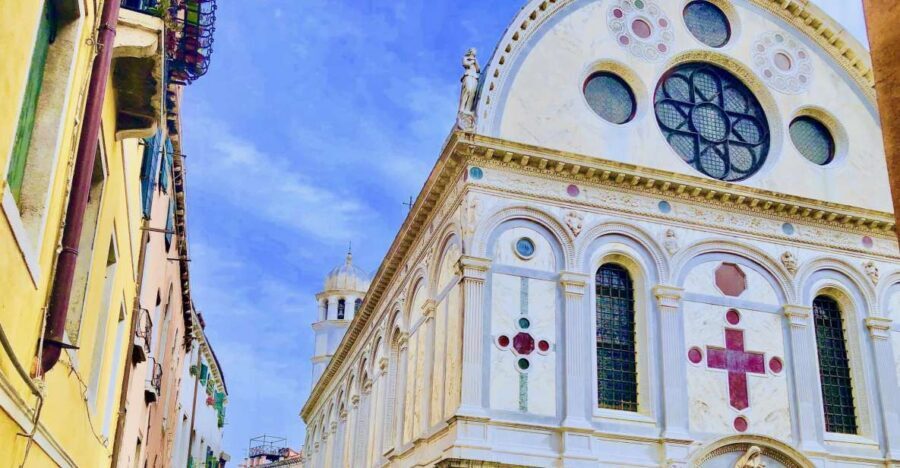
Then comes Santa Maria dei Miracoli, Venice. The tour frames it as miraculous Renaissance architecture, and you’ll be seeing it from the outside as part of an external walking route.
This is a great stop if you like architecture details, but you don’t want to spend your time waiting in ticket lines. The tour includes skip the ticket line, although the route is still described as external and church entry is not part of the standard package. In practice, that means you should treat this as an exterior viewing stop unless you decide you want to pay for interior access when offered.
Why this stop works on a walking tour:
- It’s visual teaching. You can compare styles as the route continues.
- It breaks the typical “only see one church” rhythm. You see multiple sacred buildings, each with a different role in Venice’s story.
- You’re not exhausted by overlong interior time. You get meaning without losing the day to queues.
Possible drawback: if you’re the type who loves interiors more than façades, you may feel a bit limited. The tour does offer the option to enter churches with your guide for an extra fee, but that’s on top of what’s included.
You can also read our reviews of more private tours in Venice


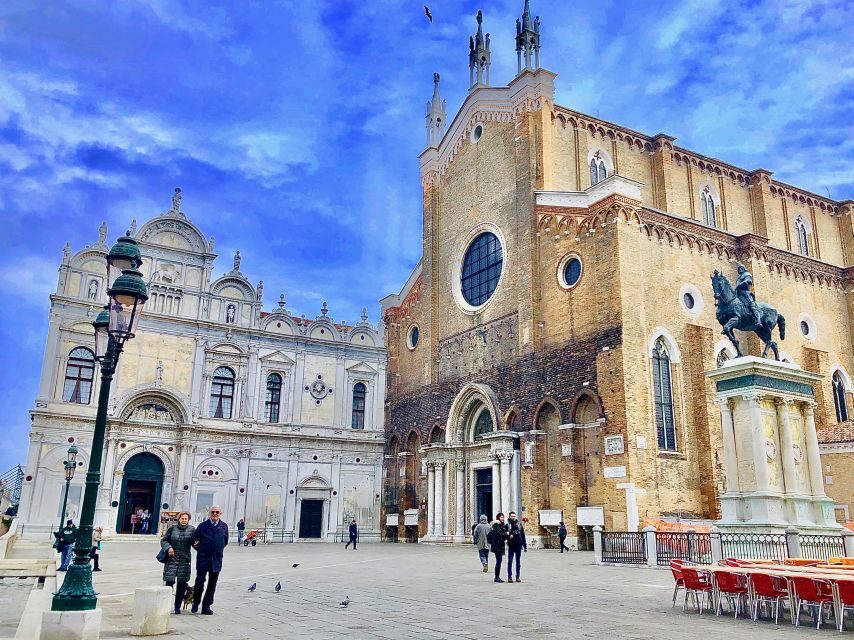
Stop 4: Santi Giovanni e Paolo—Pantheon of Venice energy
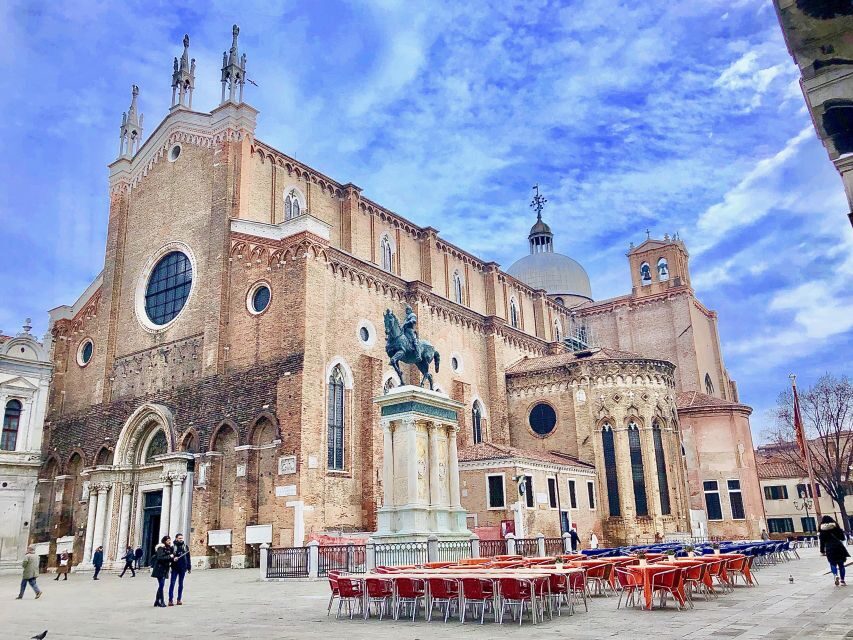
Santi Giovanni e Paolo is the big architectural storytelling moment. It’s described as the Pantheon of Venice, and the guide shares what makes it that way—specifically its role as a burial site for Venetian doges after the 15th century.
That detail changes how you experience a church. You’re not only looking at design; you’re looking at status. A building like this functions as a civic memory tool. Even from the outside, the guide can steer you toward understanding why this kind of burial space mattered in a republic like Venice.
Two tips for getting the most out of this stop:
- Listen for how the guide links the building to government and power, not just religion.
- If you’re comparing it to other Venice churches you’ve seen, ask the guide what differences matter most. You’ll likely get clearer “why” instead of just “what.”
And yes, the tour also includes time around the square connected to it—Campo San Giovanni e Paolo—which is one of Venice’s most attractive public spaces.
Campo San Giovanni e Paolo: one of Venice’s best squares to slow down
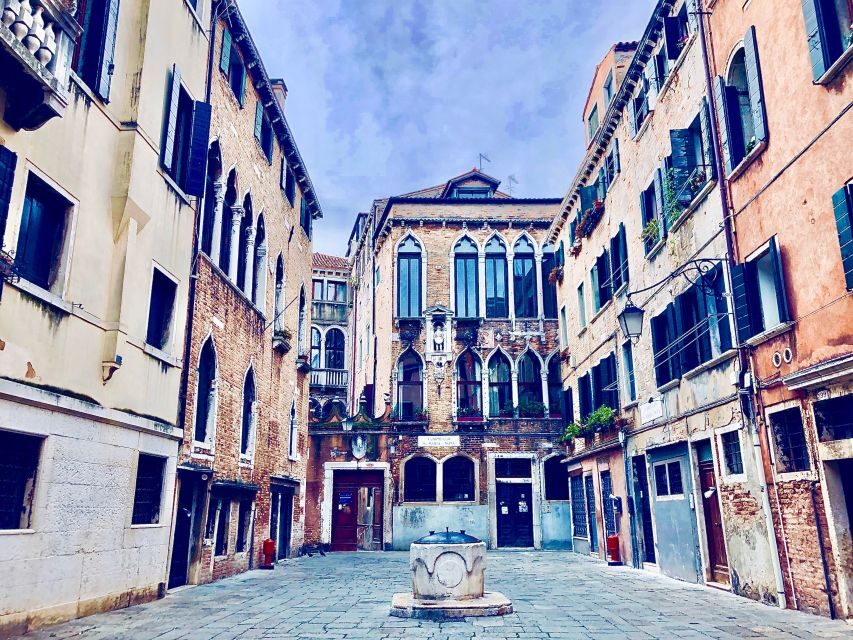
The walking route isn’t all buildings. You’ll admire Campo San Giovanni e Paolo, described as one of the city’s most beautiful squares.
This matters because Venice’s architecture isn’t only on church façades. Squares are where communities “wear” their buildings. Campo San Giovanni e Paolo helps you understand how power, faith, and daily life share the same canvas. It’s easier to appreciate the scale of the church setting when you’re standing in a real square instead of squeezing a photo between crowds.
If you like slower travel moments, this is the part that helps. It gives you a pause where the guide can talk without the pressure of sprinting to the next stop.
Your private licensed guide: questions, flexibility, and languages
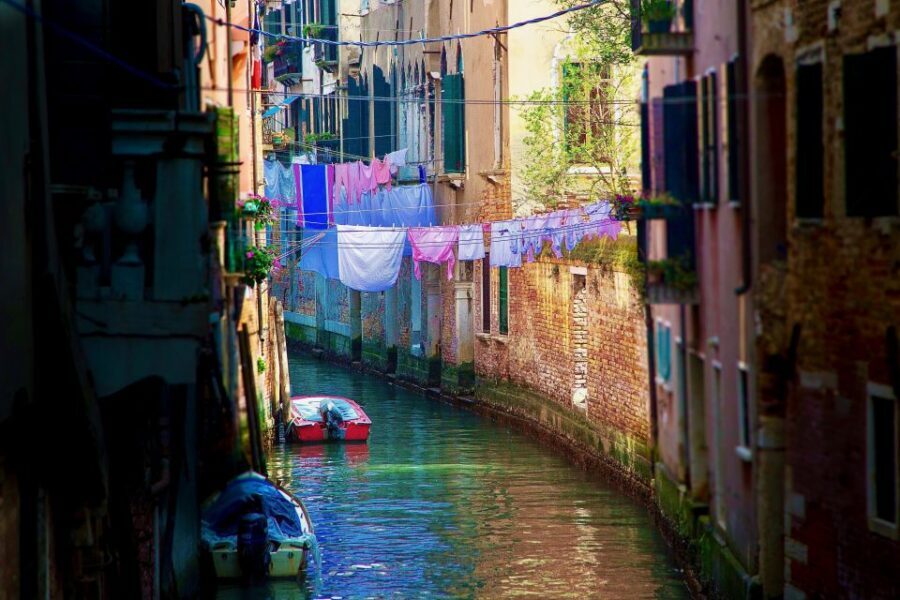
This experience is built around one thing: your guide. You’ll have a private licensed guide for the full 2 hours, and the tour is available in several languages: English, French, German, Spanish, and Italian.
What I’d take from the best feedback is this: the guides tend to respond to questions and adjust the walk to your interests. One review specifically names Gentiana and praises how she answered questions and matched the route to what the group wanted—plus she’s described as flexible enough to accommodate changes, including starting from a different point if you request it.
Even if your own guide isn’t the same person, the takeaway for you is simple: show up with 2 or 3 things you care about (Renaissance vs. earlier styles, Venice governance, church roles, squares and daily life). The best version of this tour happens when you steer the conversation.
Group size stays small (up to 8), which helps the guide keep the pace comfortable. Still, one piece of caution from feedback: if you’re sensitive to personal space, mention that early. A guide should keep a respectful distance and allow you to look at details without feeling crowded.
Skip-the-line, but plan for external viewing reality
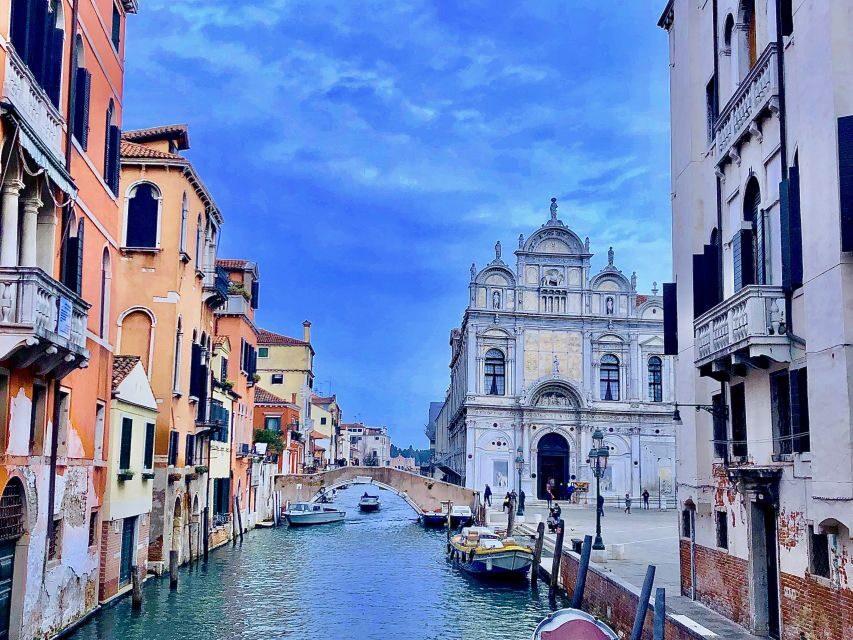
The tour includes skip the ticket line, but it also clearly says the tour is external and does not go inside the churches. Entrance is optional and handled by paying an extra fee on the spot if you want to enter with your guide.
So how do you plan intelligently?
- If you care most about exteriors and context, you’re set.
- If you want interiors, think about spending extra time and budget once you arrive at the church stops.
- Ask your guide, at the start, which churches they think are best to enter for your interests—so your money goes to the experience you’ll actually use.
This is the biggest practical “fit” question for you: do you want architecture explained at street level, or do you want to prioritize interior rooms?
Price and value: what $150.10 buys in Venice
At $150.10 per person for a 2-hour guided walk, you’re paying for a focused experience rather than a long group circuit. In Venice, value often comes from two things: time with a guide who can answer questions, and time spent in areas that feel calmer than the busiest hubs.
Here’s what you’re getting for the price:
- A private licensed guide for the full 2 hours
- Small group size (limited to 8)
- A route that avoids St Mark’s main sights
- Included “skip the ticket line” (though the standard tour is external)
- Option for hotel pick-up by arrangement if you’re in the St Mark’s area
Not included:
- Church entrance fees (since the tour is external by default)
- Food and drink
So the true cost depends on you. If you’re happy with exteriors and storytelling, this price can feel very fair for what Venice normally charges for guided time. If you plan to enter multiple churches, your total spend will rise—but you’ll also get more “inside” value.
One smart strategy: decide up front whether you want to pay extra for interior access. That way you don’t get to a stop and feel rushed or unsure.
Who should book this tour—and who might want a different one
Book this if you:
- Want Venice art and architecture without the nonstop rush of the main sights
- Like hearing how buildings tie into Venice’s political and cultural identity
- Prefer a smaller group with room for questions
- Are curious about Santi Giovanni e Paolo and its association with doges
Consider a different format if you:
- Must go inside churches as part of the core plan (this tour is external by default)
- Need wheelchair accessibility (it’s not suitable for wheelchair users)
- Don’t enjoy a close, guided walking style—since one feedback point raised concern about distance
Should you book this Venice Art and Architecture Private Walking Tour?
I think this is a strong pick if you want architecture that feels tied to real Venetian life. The route choices—Santa Maria dei Miracoli, Santi Giovanni e Paolo, and the square experience around Campo San Giovanni e Paolo—make the walk feel purposeful instead of generic.
The best “yes” comes from you if your travel style is: short on time, but hungry for context. If you also like the idea of Marco Polo references showing up in everyday Venice courtyards, you’ll probably enjoy this route a lot.
If you’re unsure, send a quick note (before you go) about whether you want any church interiors during the 2 hours. Then you can match the experience to your priorities.
FAQ
What is the meeting point for the tour?
You meet at Campo San Bartolomeo, in front of the statue of Goldoni (Monumento Storico a Carlo Goldoni). The listed address is Campo San Bartolomeo, Rialto 5282, 30124.
How long is the Venice Art and Architecture tour?
The tour lasts 2 hours.
Does the tour go inside the churches?
This is only an external walking tour. It does not go inside the churches. If you want to enter the churches with your guide, you need to pay an extra fee on the spot.
What’s included in the price?
Included is a private licensed guide for 2 hours. Hotel pick-up is included on arrangement for hotels within the St Mark’s area.
What is not included?
Entrance fees to churches and food and drink are not included.
How big is the group?
The tour is limited to a small group of up to 8 participants.
What languages are offered?
The guide is available in English, French, German, Spanish, and Italian.