REVIEW · VENICE
Private 4 hours North Lagoon: Traditional Venetian Boat Tour
Book on GetYourGuide →Operated by Tootsy · Bookable on GetYourGuide
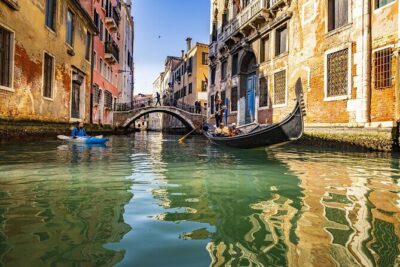
North Lagoon feels like Venice with the lights turned down. On a traditional Venetian boat, you glide over shallow water and past sandbanks that most visitors never see. I especially like how the skipper ties it together with stories on Venice’s origins as you float through the UNESCO World Heritage lagoon.
The second big win is the Murano glass factory access. You get an actual stop where glassmaking is the point, not just a photo break. The tour also lets you shape the route, which matters if your priorities are Torcello, San Francesco del Deserto, or the glass and color islands.
One consideration: this is not a free-for-all where you can hop on and off whenever you want. The guide can’t leave the boat with you if you choose to do so at any point, so plan on the stops being the main moments when you’ll be off the water.
In This Review
- Key highlights worth knowing
- North Lagoon: the Venice you don’t get from the main canals
- The boat, the guide, and why comfort matters on water
- A realistic look at the 4-hour flow
- Murano glass factory: the included stop that changes the whole trip
- Burano: color, canals, and how to use your hour
- Torcello, Mazzorbo, and the cemetery island of San Michele
- The saltmarsh story: Venice before the big build
- San Francesco del Deserto: monasteries, 12th-century history, and private-boat access
- Lazzaretto Novo: the quarantine island that shaped public health
- Sant’Erasmo: The Garden of Venice and a different kind of view
- Wine, no food, and other practical tips that make the day smoother
- Price and value: $447.18 for up to two, and what you’re really paying for
- Who this tour suits best
- Should you book this North Lagoon boat tour?
- FAQ
- Where does the tour start and end?
- How long is the tour?
- Is this tour private?
- What languages are the live guide in?
- Which islands do you visit?
- How long do you get on Murano and Burano?
- Is the Murano glass factory visit included?
- Is food included?
- What’s the boat situation for different group sizes?
- Are there any restrictions on luggage or pets?
- Can I cancel and get a refund?
Key highlights worth knowing
- Flat-bottom boat for odd lagoon corners: it can reach shallow channels and sandbanks big boats can’t manage.
- Murano glass factory is included: you don’t have to budget extra just to see how it’s made.
- Two one-hour island visits: Murano and Burano each get about an hour to explore at a comfortable pace.
- Remote islands only reachable by private boat: you’ll see places like San Francesco del Deserto from the water and (where allowed) on land.
- Route customization: you can swap emphasis toward Torcello and/or San Francesco instead of sticking strictly to Murano and Burano.
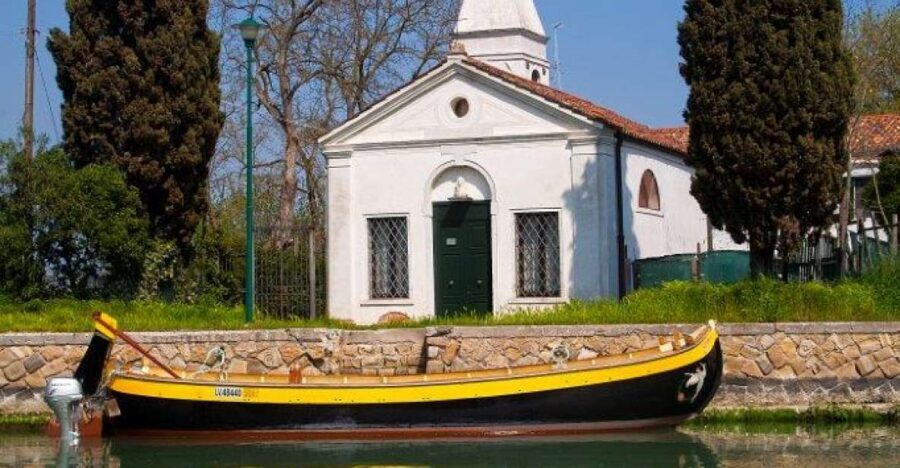
- Easy-to-find meeting point: start at the OSPEDALE waterbus stop on the black-and-yellow wooden boat.
North Lagoon: the Venice you don’t get from the main canals
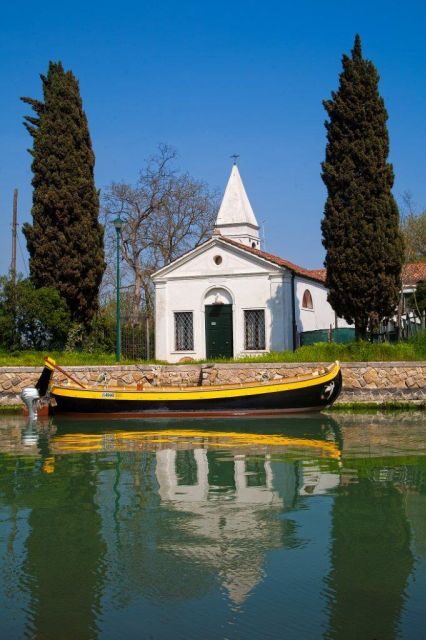
If you only do the classic Venice loop, you miss the part that explains Venice. The North Lagoon isn’t just scenery; it’s the working setting behind how the city formed, expanded, and survived. This tour leans into that idea by staying out on the lagoon where Venice’s relationship with water is obvious: shallow stretches, saltmarsh edges, and islands that feel close enough to touch.
I like that the ride is built around the lagoon’s structure. A traditional flat-bottom style craft can slide through narrower, shallower areas between canals and sandbanks, so you aren’t stuck watching from the wrong angle. And because this is a private group, you get a more conversational pace with the skipper and live guide while you see the shapes of the islands change around you.
The other thing that makes this route satisfying is that it’s not limited to the postcard stops. You’ll pass and, in some cases, visit places that tie directly to Venice’s past—like quarantine sites and monastic islands—so the trip feels like a real sense-making walk through time, not just a scenic cruise.
You can also read our reviews of more boat tours in Venice
The boat, the guide, and why comfort matters on water
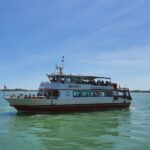
This experience is set up for comfort on the lagoon, not for speed. You’ll be on a traditional Venetian boat, and the tour notes that the boat choice depends on group size: under 5 participants typically board the Sampierotta boat, while groups of 6 or more use the Bragozzo. Either way, the point is the same—getting you into lagoon corners where larger boats wouldn’t fit as well.
The tour also includes a skipper and guide, with live guidance in English and Italian. That’s important because lagoon travel can feel similar if you’re just watching water and walls. Here, you’re meant to understand what you’re seeing: where Venice came from, why the lagoon looks the way it does, and how specific islands played roles in the city’s development.
One more practical detail: the tour includes sharing a bottle of white wine during the cruise, but it doesn’t include food or drinks. So if you’re the type who gets hungry mid-day, plan ahead. Water trips can turn into a “snack later” situation faster than you expect—especially when the day’s weather shifts.
A realistic look at the 4-hour flow
This is a 4-hour private tour, so the schedule has to do its job. You’ll spend time on the water cruising through the UNESCO World Heritage lagoon, then you’ll get land time on the island stops. The tour describes Murano and Burano as the main island visits, with about an hour on each.
What I like about this structure is that it avoids the usual trap: you don’t feel rushed off the island the second you step out. An hour is enough to get your bearings, see the main sights on foot, and still have time to wander a bit without feeling like you’re being herded.
At the same time, the customization option means your route can shift. If you care more about Torcello and/or San Francesco than the classic island combo, tell the provider. The tour is described as 100% customizable, so the skipper can adjust the emphasis. That flexibility is a real value-add if your interests are specific.
Murano glass factory: the included stop that changes the whole trip
Murano is usually a quick “shops and photos” stop. This tour gives you something different by including free access to a glass factory. The value here is simple: you’re seeing the work behind the product. Instead of just window-shopping, you get the chance to connect the lagoon’s materials and long craft tradition to what you’re seeing in the glassmaking process.
Practically, treat this hour as a museum-style visit, not a stroll through boutiques. If you want the best experience, show up curious. Watch for the steps and tools, and take your time with the explanation from the on-site team if they’re sharing how the process works.
One caution: museum-level patience helps. Factory access can be fascinating, but it also has a lot going on visually. If you’re the type who gets overwhelmed, choose one or two things to focus on—like how the process starts, where the skilled work happens, or what makes Murano glass recognizable.
And since this is a private tour, you can make small adjustments. If you want to linger a few minutes longer while keeping the group’s timing in mind, that’s easier to do than on a big group boat.
Burano: color, canals, and how to use your hour
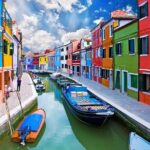
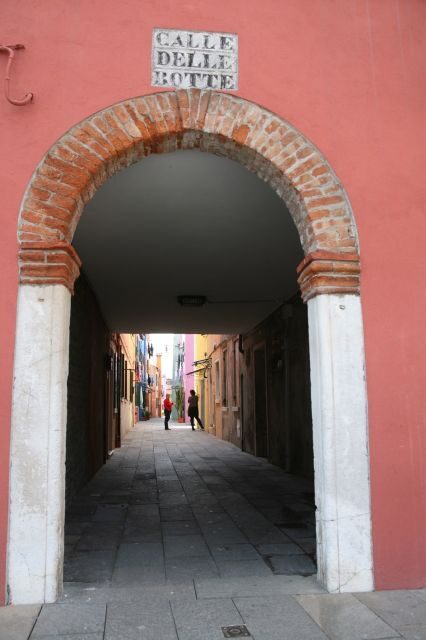
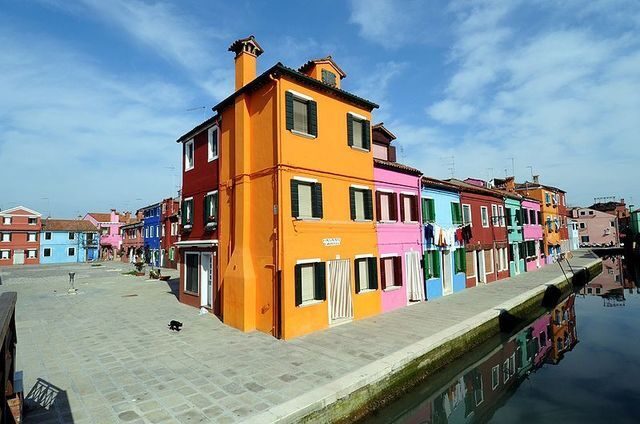
Burano is the island of color. The buildings are the headline, but the canals are the reason it works as a walk. With about an hour here, you can do the classic loop without sprinting.
I love Burano at this pace because the island’s charm isn’t just visual—it’s about rhythm. You step from walkway to walkway, you notice the way the houses sit right up against the water, and you start seeing patterns you’d miss if you had five minutes and a tour bell ringing.
If you’re customizing, think about what kind of Burano you want. This tour’s main outline includes both Murano and Burano, but if you’d rather spend more time on quieter, history-heavy islands, you can. The trade-off is that Burano is one of the most immediately satisfying stops. You’ll have to decide whether your personal “wow” is the colorful street scene or the deep lagoon landmarks.
You can also read our reviews of more private tours in Venice

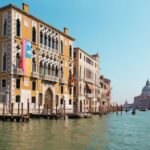
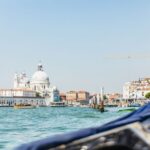
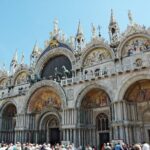
Torcello, Mazzorbo, and the cemetery island of San Michele
Here’s where the tour earns its title as a North Lagoon experience. The route includes cruising along Torcello and Mazzorbo, plus the cemetery island of San Michele. These are the places that help you understand the lagoon’s mood—windy, quiet, and very different from the main tourist corridors.
Torcello is especially good for “why Venice looks the way it does” thinking. You’ll see shallow areas and lagoon edges that make the city’s relationship with water feel real. The tour also references a saltmarsh view that helps you picture Venice before it became the built-up city people imagine today.
Mazzorbo pairs well with this mood shift. It’s a reminder that not every island is about spectacle. Some islands exist quietly, framed by water and working life. And San Michele, as a cemetery island, brings gravity to the landscape. Even from a distance, it gives you a sense of time passing in the lagoon—an atmosphere that suits a guided story about Venice’s origins.
The one thing to remember is that these sections are scenic as much as they are sightseeing. You’ll want comfortable shoes, but don’t expect every moment to be a land-and-explore adventure. This tour is built around the water, with island time concentrated on key stops.
The saltmarsh story: Venice before the big build
The tour calls out shallow waters and a saltmarsh view where you can see how Venice looked before the city was built up. That idea matters more than it sounds. When you understand the lagoon environment—wetland edges, salt influence, and natural channels—it becomes easier to grasp why Venice needed engineering and constant maintenance.
This section is a good moment to slow down and watch the water itself. Look at where land holds firm and where it doesn’t. Notice how the lagoon changes texture: from clearer channels to murkier shallows, from open water to edged marsh. A skipper’s explanation helps connect those visuals to the broader story of Venice’s development.
If you like photography, this part can be a good time to frame shots without chasing perfect skies. Lagoon light can be changeable, and the best photos often come from watching the scene shift rather than waiting for one ideal moment.
San Francesco del Deserto: monasteries, 12th-century history, and private-boat access
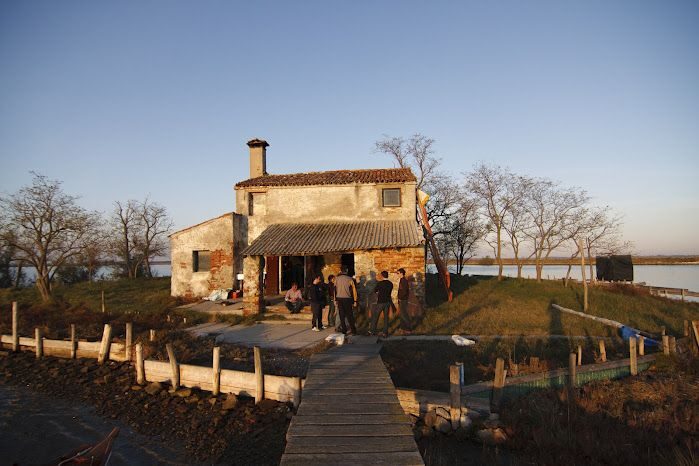
One of the most intriguing elements is the Convent of San Francesco del Deserto, described as a magnificent 12th-century site reachable only by private boat. That’s the kind of detail that tells you this tour isn’t trying to be a generic island hop.
The value of including San Francesco is perspective. When you see the convent as part of the lagoon system, you understand why isolated religious sites made sense here. You also get a sense of how transportation shaped life on islands—private boat access was (and still is) the key to reaching certain corners.
The tour notes that entrance to the convent is free, with a small donation appreciated for upkeep. That’s a rare case where your visit supports preservation in a direct way. If you’re the type who likes to pay respect through action, bring a small amount for the donation.
Also, keep your expectations realistic. This is not a long walking tour on a busy schedule. It’s a focused stop where the point is the setting and the historic significance as you experience it from the lagoon.
Lazzaretto Novo: the quarantine island that shaped public health
Another strong stop is Lazzaretto Novo, where Venetians built the first quarantine hospital ever. Even if you don’t have a personal passion for medical history, this island adds a serious dimension to the lagoon cruise.
It’s easy to treat Venice as pure romance and architecture. Lazzaretto Novo flips that lens. It reminds you that Venice was always managing risk: disease, trade, movement of people, and the need to contain outbreaks. Seeing it on water—surrounded by lagoon isolation—helps the story land in a more believable way than a textbook description.
This is also one of those moments where the private format helps. You’re not squeezed into a fast group rhythm that barely lets you look up from your phone. You can listen, you can absorb, and you can ask questions without feeling rushed.
Sant’Erasmo: The Garden of Venice and a different kind of view
The tour includes Sant’Erasmo, described as The Garden of Venice. This matters because it gives you a break from the island archetypes of glass and color. It’s about land use and food—about a lagoon island that connects nature to Venice’s needs.
Even if you don’t go deep into farming specifics, the viewpoint helps. You see the lagoon not just as a backdrop for buildings, but as a place that supports life and production. That’s the kind of context that makes the whole day feel more grounded.
If you love animals and birds, keep your eyes open during these stretches. Lagoon scenery often includes bird life, and the tour’s North Lagoon focus is the kind of setting where you can spot more than just generic shoreline views.
Wine, no food, and other practical tips that make the day smoother
This tour includes a bottle of white wine, but food and drinks are not included. That’s not a deal-breaker, but it changes how you plan your timing. If you’re doing this after a morning of walking, eat early. If you’re doing it as an afternoon break, pack a snack for afterward.
Weather is another factor. The experience asks you to dress comfortably and prepare for changes in the weather. Lagoon wind can change fast, and sitting on water makes it feel cooler than it looks from land.
Also, keep in mind the restrictions:
- No pets
- No luggage or large bags
So if you’re traveling light and organized, you’ll have a smoother time. If you’re arriving with big daypacks, this is the moment to trim down.
Price and value: $447.18 for up to two, and what you’re really paying for
At $447.18 per group up to 2 for a private 4-hour tour, this isn’t the cheapest way to see the islands. But value isn’t only about cost per person. It’s about what’s included and what would be hard to replicate any other way.
You’re paying for:
- Private boat transport with a skipper and live guide
- Visits to North Lagoon landmarks beyond the most common cruise route
- Murano glass factory entry included
- The ability to customize where your time goes
On a typical day, you can buy individual island tickets and piece things together. The problem is that you don’t get the lagoon corners, the remote history stops, or the guided connections between water, islands, and Venice’s origins. This tour turns the lagoon into one coherent story.
If you’re a couple, the price is easier to justify because you’re not splitting a crowded experience—you’re choosing a shared day with real control over what you see. If you’re solo, the cost might feel steep, so think carefully about whether you’ll use the customization and included factory stop.
Who this tour suits best
I’d recommend this tour to you if you want Venice with fewer crowds and more context. It’s a strong fit for:
- Couples who like private, slower travel
- People who enjoy history but don’t want it in a classroom
- Travelers who care about the lagoon beyond the main canals
- Anyone who wants Murano and Burano, plus extra islands with real backstory
It’s less ideal if you’re looking for a laid-back shopping day. This tour is scenic and guided, with island time planned around the main stops. The best experience comes when you’re happy to spend time listening and looking, not just browsing.
Should you book this North Lagoon boat tour?
Yes, you should book it if your idea of a great Venice day is the lagoon itself—shallow channels, saltmarsh edges, and islands with stories that change how you see the city. The included Murano glass factory access alone is a clear value driver, and the private format makes the remote lagoon stops like San Francesco del Deserto and Lazzaretto Novo feel possible rather than theoretical.
Don’t book it if you want maximum freedom to wander on your own schedule. This tour works best when you treat the planned stops as the main events and let the skipper guide the pacing.
If you’re deciding between a generic island excursion and this North Lagoon route, choose the tour that fits your curiosity. For most people, that ends up being the one where Venice is explained by the water that made it.
FAQ
Where does the tour start and end?
The tour starts at the Out of the OSPEDALE waterbus stop, on the black and yellow wooden boat. It ends back at the same meeting point.
How long is the tour?
The tour duration is 4 hours.
Is this tour private?
Yes. It is a private group tour.
What languages are the live guide in?
The live tour guide is available in English and Italian.
Which islands do you visit?
The tour travels to the islands of Murano and Burano, with the option to customize the itinerary. The route also includes sights like Torcello, Mazzorbo, San Michele, Sant’Erasmo, San Francesco del Deserto, and Lazzaretto Novo.
How long do you get on Murano and Burano?
You stop for about an hour on each island: Murano and Burano.
Is the Murano glass factory visit included?
Yes. There is free access to a glass factory in Murano included in the tour.
Is food included?
No. Food and drinks are not included. A bottle of white wine is shared during the cruise, but you should plan for food separately.
What’s the boat situation for different group sizes?
Groups of under 5 participants board the Sampierotta boat. Groups of 6 or more use the Bragozzo.
Are there any restrictions on luggage or pets?
Yes. Pets are not allowed, and luggage or large bags are not allowed.
Can I cancel and get a refund?
The activity notes free cancellation up to 24 hours in advance for a full refund. Another policy detail says 50% of the fee is refunded for cancellations made more than 7 days before the tour, and cancellations within 7 days or no-shows are not refunded. Check the exact terms shown when you book.