REVIEW · VENICE
Private Market and Cooking Class with a Real Venetian
Book on Viator →Operated by Venice cooking school · Bookable on Viator
Handmade pasta in Venice is the best kind of souvenir.
This small-group class takes you from a real market run to a home-style kitchen, then back to the table with a 3-course meal. I like that you’ll learn hands-on pasta technique and you also get recipe notes you can actually use at home. One thing to think about: it runs long enough that you’ll want to plan your morning and not stack other tight activities right after.
I especially love the market part, because it teaches you how Venetians choose ingredients, not just what to cook. I also like the low-pressure vibe: good music, wine on hand, and the kind of teaching where you can ask questions and get answers that fit your day in Venice. The class is capped at max 10 people, so it doesn’t turn into a production line.
Possible drawback? You’re going to be on your feet and involved. Even though the session is listed at about 3.5 hours, I’d plan for a longer block once you factor in walking, cooking, and eating.
In This Review
- Key Highlights at a Glance
- A Real Market Start, Not Just a Photo Stop
- Your Kitchen Lesson: Pasta by Hand in a Loft Setting
- How the 3-Course Menu Works (And Why It’s a Smart Choice)
- The Venice Market Piece: Seafood, Produce, and What to Look For
- Wine, Limoncello, Music, and the Pace of a Small Group
- Meeting Point Done Right: Where to Go (and How Not to Get Lost)
- Recipes to Take Home (The Part That Makes It Value, Not Just Fun)
- Price and Value: Why $139.37 Might Feel Fair
- Who Should Book This Venice Pasta Class
- Quick Reality Checks Before You Go
- Should You Book This Class?
- FAQ
- What time does the experience start?
- How long is the cooking class?
- Where do I meet and where does it end?
- What’s included in the price?
- Is the tour offered in English?
- Do I need to pay an access fee to visit Venice?
Key Highlights at a Glance
- Market walk with ingredient guidance so you understand what’s worth buying
- Hands-on pasta making with a chef instructor in a loft kitchen
- 3-course Venetian meal built from what’s fresh that day
- Wine and homemade limoncello included during the class
- Small group (max 10) for more interaction and less waiting around
- Recipes provided so you can recreate the dishes after you fly home
A Real Market Start, Not Just a Photo Stop
If you only do walking tours in Venice, you’ll miss the part where the food actually comes from. This experience starts with a guided trip to buy ingredients for the meal. That step matters, because it teaches you how locals judge freshness in real time: the look, the smell, and the feel of produce and seafood.
A bunch of the best moments come before you put on the apron. In sessions led by Chef Lorenzo, the market walk has a teacher’s rhythm—what to look for, what it should smell like, and how different items fit different Venetian recipes. One review even compared the fish market vibe to a big market you might know elsewhere, which is a good mental picture: lively, sensory, and focused on the ingredients.
Two practical tips if you come with smart expectations:
- Bring comfortable shoes. Venice cobblestones do not care about your cooking plans.
- Ask questions during the market part. This is when your instructor’s answers are most useful, because they connect directly to what you’re seeing.
You can also read our reviews of more private tours in Venice

Your Kitchen Lesson: Pasta by Hand in a Loft Setting
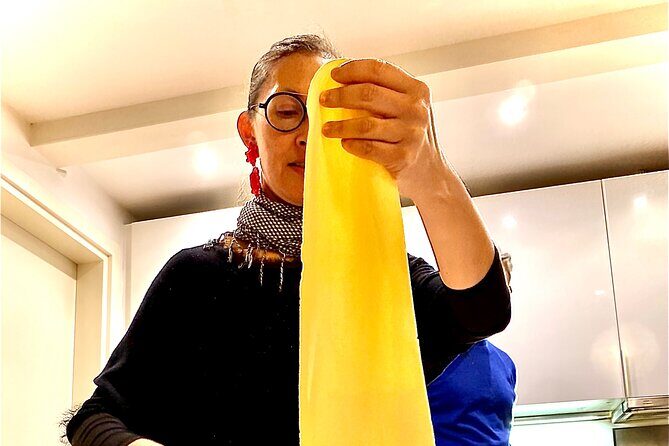
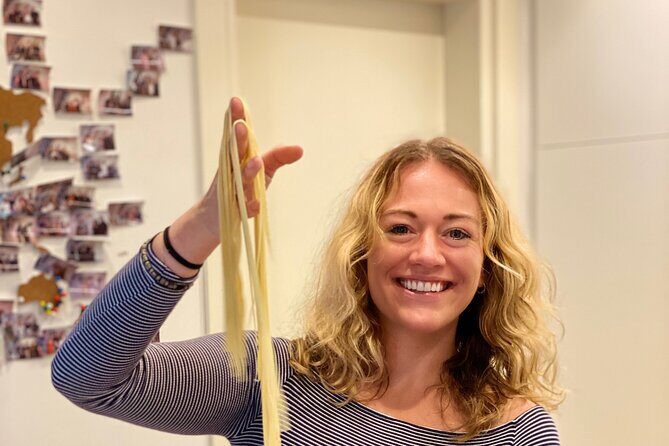
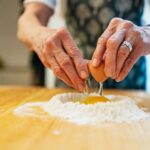
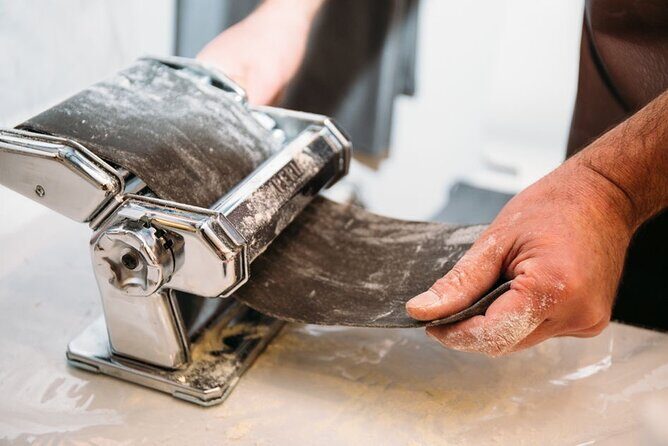
Back in the kitchen, the class moves from shopping to technique. You’ll learn how to make authentic Italian pasta by hand with a professional chef-instructor. The setting is described as an airy loft, which is exactly what you want in a cooking class—enough space to work without feeling packed in.
This is not a watch-and-cheer class. You’re part of the action: rolling, shaping, and learning how to get the dough and timing to behave. In reviews, guests highlighted learning egg noodle pasta from scratch, which is a nice sign that you’re not just making one simple shape and calling it pasta night.
What I like about this teaching style is that it’s practical. Instead of vague tips, the instructor focuses on proportions and handling—how to adjust if you’re cooking for a group, and how to keep things moving while you’re cooking multiple components. With a small group size, it’s easier for the chef to correct you before a small mistake snowballs into a sad dinner.
If you’re a first-time cook, don’t stress. The point is learning the method. If you’re an experienced cook, you’ll still get value from the “Venetian way” details—how locals approach flavors and textures.
How the 3-Course Menu Works (And Why It’s a Smart Choice)
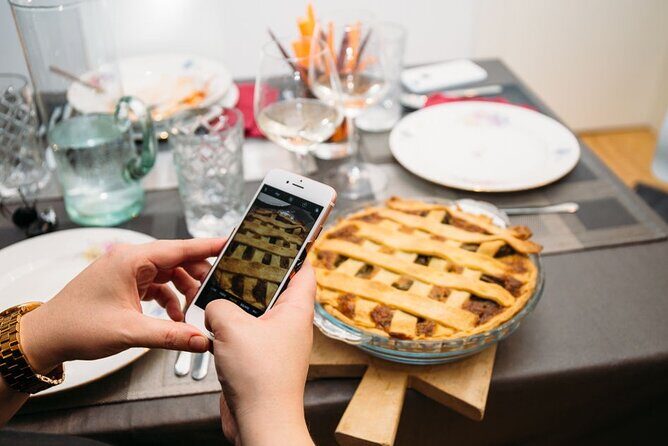
You’ll end up eating what you cook. That sounds obvious, but many classes stop short of satisfaction. Here, the structure is built around three courses so you learn a full arc: starter, main(s), and dessert.
The menu is flexible, built around what’s fresh. Sample dishes include:
- Starter: cicchetti, those famous small snacks you see in Venetian bars
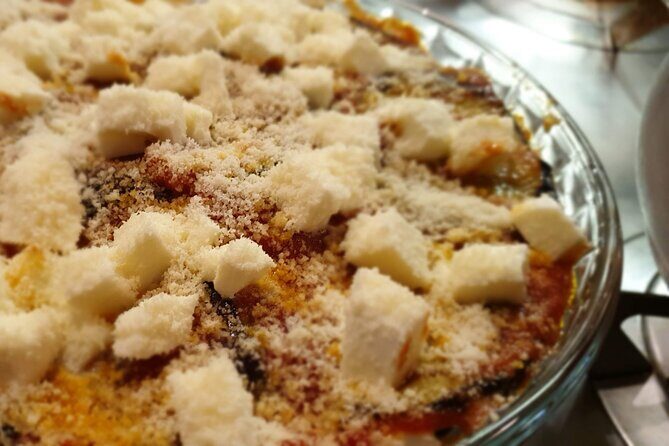
- Main options you might make: eggplant parmigiana and Risotto veneziano
- Dessert: tiramisù with a homemade, family-style recipe reference
And you might see another main based on market picks, including seafood-focused dishes such as sea bass with seasonal vegetables in some sessions.
What this means for you: you’re not just learning one technique. You’ll practice flavor building across different types of cooking—starchy comfort food like risotto, classic baked comfort like eggplant parmigiana, and dessert assembly with tiramisù.
Also, cicchetti is a great choice for a starter because it anchors the meal in Venice. It’s local, familiar, and it helps you understand the food culture of the city in a way that a generic pasta dish won’t.
The Venice Market Piece: Seafood, Produce, and What to Look For
Venice markets can feel overwhelming if you show up with no plan. This class gives you a plan. You’re guided through what to choose, and the teacher talks through the logic behind it.
For seafood lovers, the market portion is often the highlight. In past sessions, guests described walking through a fish market with a focus on items like octopus, clams, swordfish, and scallops, plus produce choices such as lemons, strawberries, and tomatoes. Even when the exact items vary day to day, the method doesn’t: your instructor shows you what quality looks like and how that affects the dish you’ll cook later.
Here’s how to use this part well:
- Listen for why one ingredient is better than another. That’s the lesson you can reuse.
- If you’re wondering what to order later at a trattoria or enoteca, ask during the market part. The chef can tie your market choices to real menu logic.
If you’re traveling with teens or a curious adult, this market walk is also a solid social win. People often bond faster when you’re doing something hands-on together.
Wine, Limoncello, Music, and the Pace of a Small Group
Food classes in Europe can swing between stiff and chaotic. This one aims for relaxed and social. Expect local wine and homemade limoncello during the experience, plus good music and conversation while you cook.
The small group size—maximum 10—makes a difference you can feel. You’re less likely to be standing around. Your questions don’t get swallowed by the crowd noise. If something isn’t going right, an instructor can step in quickly.
One more pacing note: the class is listed at about 3 hours 30 minutes, but plan for a longer block in practice. Some guests warned to be ready for around 5 hours when you include walking, cooking, and eating. That’s not a deal breaker. It just affects your day planning.
If you schedule a museum or a boat tour right after, you might feel rushed. If you leave a little breathing room, the class feels like a win, not an appointment you survived.
You can also read our reviews of more shopping tours in Venice


Meeting Point Done Right: Where to Go (and How Not to Get Lost)
You’ll meet at Sestiere S. Polo, 222, 30125 Venezia VE, Italy. Start time is 9:30 am, and the experience ends back at the meeting point.
This is helpful for your planning because you don’t need to solve the Venice logistics puzzle at the end of the class. You walk out with a map already in your head.
Since it’s near public transportation, you’ll also have more flexibility if you’re coming from a hotel on the outer edges of the historic center. Do yourself a favor: arrive a few minutes early and use the meeting address like a waypoint, not a suggestion.
Recipes to Take Home (The Part That Makes It Value, Not Just Fun)
The biggest reason cooking classes beat a standard meal is what happens after. This one gives you the recipes so you can recreate what you learned at home.
That matters because Venice food can feel hard to reproduce. You can’t always find the same ingredients, and you might not remember the steps. Having recipe guidance turns the experience into a skill, not just a full stomach.
In reviews, guests emphasized how well instruction landed—especially around pasta technique and Venetian-style risotto. If you’re the type who likes to cook when you’re home (or you want a giftable skill for future dinners), this is a very practical souvenir.
Price and Value: Why $139.37 Might Feel Fair
At $139.37 per person, this isn’t a budget activity. But it’s also not priced like a private chef visit that costs several times more. You’re paying for several things that add up fast in Venice:
- Guided ingredient shopping at a real market
- A professional chef instructor with hands-on teaching
- A full 3-course meal you help create
- Alcoholic beverages (local wine and homemade limoncello)
- Recipes you can use later
When I look at value, I ask a simple question: do I leave with more than a meal? Here, you do. You leave with technique, context for Venetian ingredients, and a set of steps to repeat later.
The small group size also supports the price. With a max of 10 people, your instructor can actually manage attention and workflow, which is a big deal in a kitchen.
Who Should Book This Venice Pasta Class
This is a great match if you want:
- Real food culture, not just food pictures
- A hands-on lesson (pasta by hand is the headline)
- A small-group experience with room to ask questions
- A meal that feels like Venice, from cicchetti to tiramisù
It’s also a smart choice for mixed groups: adults who like cooking, teens who want something different from churches and canals, and family travelers who want a shared activity.
If you hate being responsible for your own food—like if you want everything cooked for you without any prep—this might feel too active. But if you enjoy learning and participating, this one has a strong track record.
Quick Reality Checks Before You Go
A few practical points so you don’t get surprised:
- The class is in English.
- You’ll need a mobile ticket.
- There’s no hotel pickup or drop-off.
- You may need to pay a €5 access fee on certain dates if you’re staying outside Venice and visiting for the day. Check the city info here: https://cda.ve.it
Those aren’t deal breakers. They’re just the kind of details that help you plan like a pro.
Should You Book This Class?
Yes, I’d book it if you’re the kind of traveler who likes experiences that turn into real-life memories. Market guidance plus hands-on pasta plus a full meal is a strong combo.
Skip it only if your schedule is too tight. Because the experience starts at 9:30 am and can stretch closer to 5 hours in practice, you need a clear block. Also skip it if you’re not interested in cooking at all. This isn’t just eating. It’s making.
If you want a Venice activity that feels both local and useful after you get home, this is one of the better choices.
FAQ
What time does the experience start?
The experience starts at 9:30 am.
How long is the cooking class?
The duration is about 3 hours 30 minutes (approx.). Some sessions may take longer depending on the pace of the market and class.
Where do I meet and where does it end?
You meet at Sestiere S. Polo, 222, 30125 Venezia VE, Italy. The activity ends back at the same meeting point.
What’s included in the price?
It includes the 3.5 hour cooking class, lunch, and alcoholic beverages.
Is the tour offered in English?
Yes, the experience is offered in English.
Do I need to pay an access fee to visit Venice?
On certain dates, visitors staying outside Venice who are visiting for the day may be required to pay a €5 access fee. For details and exemptions, check: https://cda.ve.it