REVIEW · VENICE
Private Secret Venice Tour; Rialto Market, San Polo & Food and Wine tasting
Book on Viator →Operated by Avventure Bellissime · Bookable on Viator
Venice at Rialto is a whole different world. I love how this tour threads you through Mercati di Rialto and then into quieter, less-expected streets of San Polo, instead of only stopping for photos. You also get a real taste of Venetian snack culture with a glass of wine and cicchetti at a local osteria.
The one thing to think about is that this is a true walking tour. It’s about two hours, and most of the “wow” comes from street-level details, not from long indoor museum time, so plan for comfortable shoes and lots of steps.
In This Review
- Key things I’d highlight before you go
- A private Rialto-to-San Polo route that feels like local Venice
- Meeting at Campo S. Bortolomio: timing matters in Venice
- Ponte di Rialto: the bridge story beyond the postcard
- Mercati di Rialto: fish, produce, and the feeling of an old market engine
- Canal Grande viewpoints: learning the bridge from the water’s edge
- San Polo: older lanes, market roots, and Palazzo dei Camerlenghi’s past
- T Fondaco dei Tedeschi: a quick look at German merchant power
- The included wine and cicchetti pause: why it works
- Guides, energy, and what you should expect from the storytelling
- Price and value: does $257.05 make sense for two hours?
- Who this tour suits best (and who should pick something else)
- Should you book this Private Secret Venice Tour?
- FAQ
- How long is the Private Secret Venice Tour?
- Where does the tour start?
- Is the tour private?
- What’s included in the price?
- What is not included?
- Is the tour offered in English?
- Does the tour run in bad weather or high water?
- Are there any extra access fees for certain visitors?
Key things I’d highlight before you go
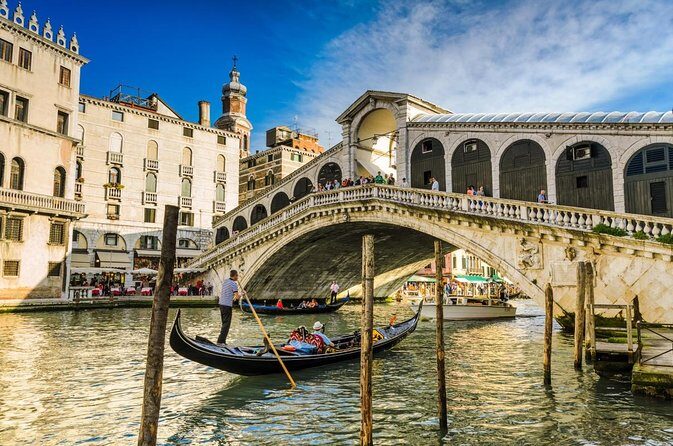
- Rialto Market in motion: you’ll see the fish and produce scene where trade shaped Venice for centuries
- Osteria cicchetti stop: wine plus traditional Venetian snacks keeps the tour from feeling like only sightseeing
- Ponte di Rialto focus: you get context for the bridge and why it matters to Venice’s commercial story
- San Polo lanes and secrets: older streets and corners you’d miss on your own
- Palazzo dei Camerlenghi angle: the exterior beauty comes with a darker job from its past as a feared tax-evaders prison
- T Fondaco dei Tedeschi quick hit: a Grand Canal-facing building tied to German merchants
A private Rialto-to-San Polo route that feels like local Venice
This is a private, English-language walking tour, so you’re not stuck in a crowd shuffle. It’s priced per person at $257.05, but the structure helps you feel value: you get a professional guide, two hours of guided context, and an included wine-and-snacks pause.
What makes it different from the usual Rialto-and-go photo run is the mix of markets, architecture, and neighborhood texture. You start in the Rialto area—where Venice’s big trading life once ran—and then move into San Polo, one of Venice’s oldest lived-in districts. The guide story isn’t just names and dates. It’s about how money, markets, and power shaped the streets you’re walking on today.
Also, the tour is positioned as a “secret” Venice experience in a practical way: you’re led to viewpoints and side streets that are calmer than the main lanes, and you get the history in the exact places where it happened.
You can also read our reviews of more food & drink experiences in Venice

Meeting at Campo S. Bortolomio: timing matters in Venice
The tour meets at Campo S. Bortolomio (30124 Venezia VE). From there, you’ll walk through the Rialto and San Polo areas and finish back at the meeting point.
Venice is a maze, and the last thing you want is stress at the start. I’d treat the meet-up like a flight: give yourself a safety buffer. Even with public transport nearby, the walkways can be confusing, and Google Maps can lead you on longer paths when streets narrow and signals get weird. A paper map can save you when you’re trying to land on a specific campo at a specific time.
Bring:
- comfortable footwear (you’ll be walking most of the time)
- a weather-ready layer (it runs in most conditions)
- patience for slow foot traffic near Rialto
If you’re visiting during high water, the tour still goes ahead, but parts of the route may shift. That’s normal here; the important part is staying flexible.
Ponte di Rialto: the bridge story beyond the postcard
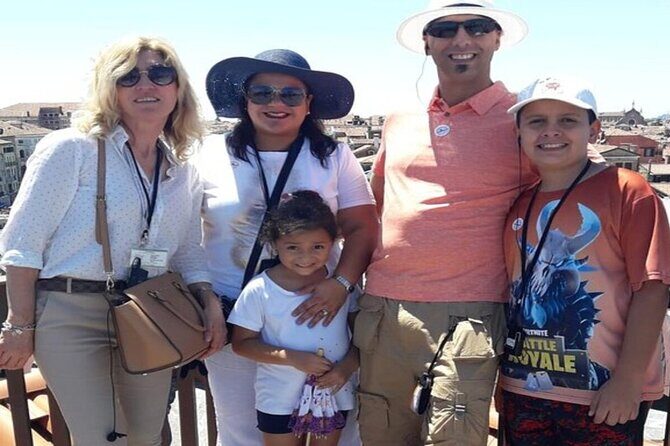
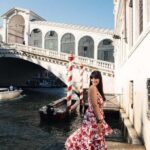
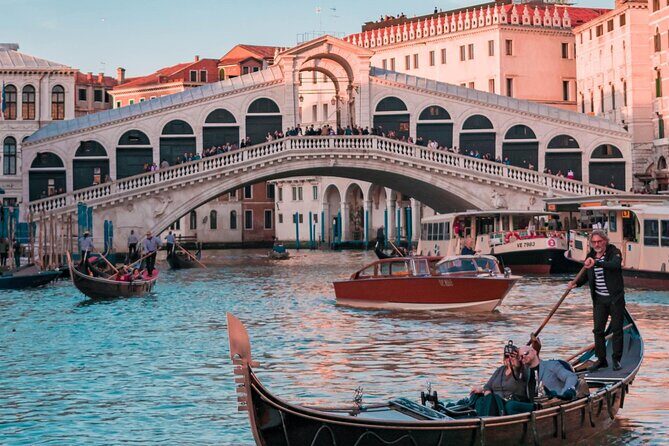
The tour’s first stop is Ponte di Rialto, roughly 15 minutes. You’ll learn “bridge secrets,” but the real payoff is understanding why this spot is so central to Venice.
The guide frames the area as mercantile Venice—when this zone was one of the major market centers in the western world. That changes how you see the bridge. It’s not just a dramatic crossing. It’s part of a trading system that shaped daily life: where people came for goods, where money moved, and how the city arranged itself around commerce.
You’ll also hear about the nearby buildings and how this part of Venice developed over time. Expect the kind of street-level history that helps your brain connect what you’re looking at to why it’s there.
Mercati di Rialto: fish, produce, and the feeling of an old market engine
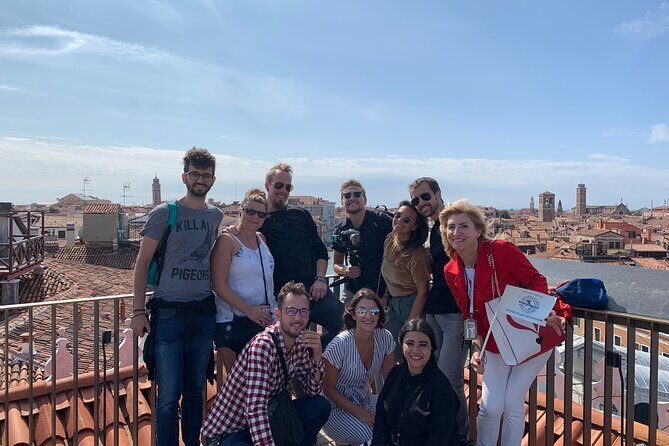
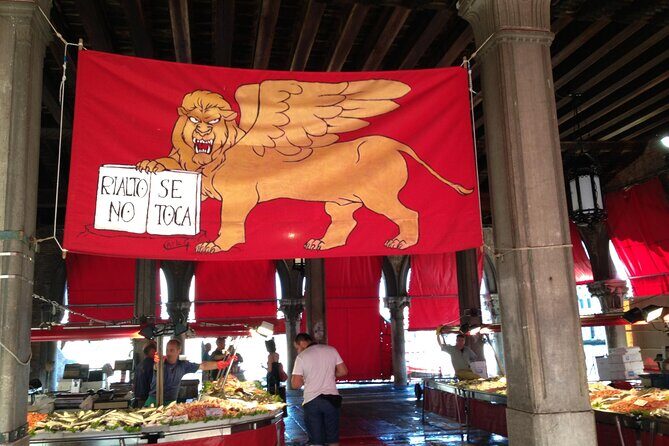
Next comes Mercati di Rialto for about 50 minutes. This is the heart of the market experience: fish and vegetable stalls in a setting that’s been commercially important for ages.
The tour helps you read the market like more than a food stop. You’ll learn that since at least the ninth century, the area served as Venice’s financial and commercial center. Since the market is still active, the lesson lands with your feet on the ground. You can watch how stalls are organized and how the flow of people works—then connect that to what the guide explains about Venice’s trading culture.
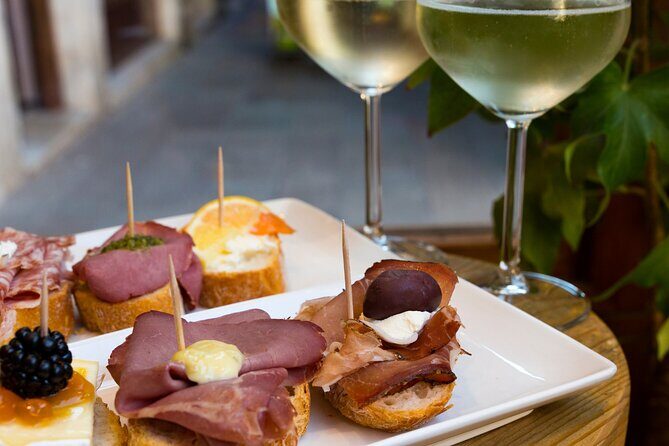
This is also where the included food moment happens. After wandering the stalls, you’ll sit down at a nearby osteria for wine and cicchetti—Venetian tapas-style snacks. The tour doesn’t try to turn this into a heavy meal. Instead, it gives you a tasting that feels authentic without derailing your afternoon.
One note: because the market is active and busy, it’s not always calm. If you’re sensitive to crowds, treat this as a “focus on the details” stop. Let the guide do the crowd-management part, and you’ll get more out of it.
Canal Grande viewpoints: learning the bridge from the water’s edge
You’ll get a short break of about 15 minutes focused on Canal Grande views. This stop is designed to help you see the bridge and the surrounding area from multiple vantage points.
Venice’s Grand Canal is basically a moving reference point for the entire city. Once you understand how the bridge relates to the canal and how merchants would have thought about access, the architecture makes more sense. You’re not just taking photos here. You’re getting spatial context.
Think of this as the tour’s “orientation” segment. After this, San Polo feels less random. You start to see the connections.
You can also read our reviews of more tours and experiences in Venice




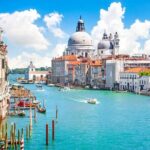
San Polo: older lanes, market roots, and Palazzo dei Camerlenghi’s past

The biggest neighborhood chunk is San Polo, about 30 minutes. This district is described as one of the oldest parts of Venice, with settlement dating back to the ninth century, and market activity becoming key by the eleventh century.
San Polo is where you’ll feel the tour’s “secret” angle most. You’re guided through older streets and quieter corners where you can imagine what daily Venice felt like when the city’s economy ran through local commerce. The guide points out details you’d likely walk past without an explanation.
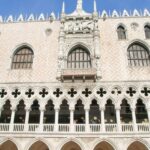
A standout architectural stop in this zone is the Palazzo dei Camerlenghi. Even though the palace looks elegant and ornate on the banks of the Grand Canal, it also carries a darker reputation. The guide explains it as a former prison connected to tax evaders—small-time criminals who were feared in their day.
That contrast is the point. Venice loves beauty, but it also loves consequences. Learning that story while you stand in front of the building makes the city’s contradictions click.
This is also where the tour mentions Carampane, tied to its historical reputation as a red light district. Again, the value isn’t sensationalism—it’s understanding how different parts of Venice served different social functions, including the ones people didn’t talk about openly.
T Fondaco dei Tedeschi: a quick look at German merchant power
Near the end, you’ll have about 10 minutes at T Fondaco Dei Tedeschi, a historic building facing the Grand Canal.
The key detail here is the building’s role as headquarters and living quarters for German merchants. That matters because it shows how Venice wasn’t only a local market town. It was an international meeting point for trade, languages, and merchant communities.
Even with a short stop, the guide’s storytelling helps you see why a building like this would exist and how it would shape the area around it.
The included wine and cicchetti pause: why it works

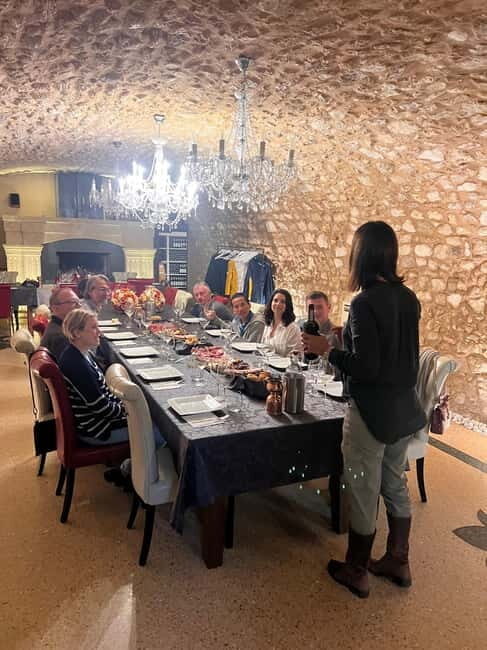
The tour includes a light tasting of cicchetti and wine at a local osteria. This is one of the most praised parts, and for good reason: it breaks up the walking with something that’s very Venetian in practice, not just in theory.
You’re not sent to a generic tourist bar. You’re seated in an osteria as part of the market-day flow, after wandering the stalls. That timing matters. When you eat and drink right after the market context, it feels like part of the same story—trade, food, and daily life.
Guides in this format often keep the table conversation going in a friendly way. Some groups have mentioned getting time to sit together around a round wooden table and talk before heading back out. If you like travel that includes people but still feels personal, this structure tends to deliver.
And yes, some folks wish there was more cicchetti time. But the included portion is meant to be light and manageable during a two-hour walk. It’s a sample, not a full food crawl—so you can still explore on your own afterward without feeling stuffed.
Guides, energy, and what you should expect from the storytelling
A huge factor in the experience is the guide’s delivery. Names that show up from past groups include Georgia, Cristina, Barbara, and Frederica, and the common theme is active storytelling—so you don’t just hear facts, you hear them tied to what you’re seeing.
I’d expect:
- energetic explanations that point out small details in plain language
- a focus on how the city worked—markets, money, and neighborhood identities
- route choices that help you see quieter streets instead of only the widest main corridors
That said, there can be variance in how “passionate” a guide feels on any given day. If you want a long, super-detailed food tour, this may feel more like history + market + tasting than a multi-stop eating adventure. The route is tight by design.
Price and value: does $257.05 make sense for two hours?
At $257.05 per person for about two hours, you’re paying for a private guided format, not just a market visit. If you’re traveling as a couple, it might feel like a splurge. If you have a small group, the “group discounts” feature and the private setup can make it feel more reasonable fast.
Where the price starts to feel fair is in what’s included:
- a professional guide
- light cicchetti and wine
- a guided walk that strings together market history, neighborhood streets, and major “read-the-city” sights like Ponte di Rialto and San Polo
Also, Venice time is expensive. A tour that helps you understand what you’re looking at can save you from spending your precious hours doing guesswork. This one is aimed at getting you oriented quickly, especially if Rialto is on your list.
Who this tour suits best (and who should pick something else)
This tour is a strong fit if you:
- want a less touristy way to experience the Rialto area and San Polo streets
- enjoy food culture and want an intro to cicchetti without committing to a full meal
- like history that’s tied to buildings and streets, like the Palazzo dei Camerlenghi story
- prefer a small, private group feel rather than a big bus-style walking tour
It may not be the best fit if you:
- want lots of long tastings (this is a light stop)
- dislike walking in crowds, even with guide routing
- expect lots of museum-style interior visits (the focus here is mostly street and architecture viewpoints)
One more practical thing: on some dates, people visiting for the day and staying outside Venice may need to pay a €5 access fee. The city sets the rules, so check your travel date.
Should you book this Private Secret Venice Tour?
If you want a smart first-day plan that mixes market energy with neighborhood calm, I’d say yes, book it—especially if cicchetti and wine sound like a fun way to break up your walk. The best part is the “why this place matters” storytelling, from Ponte di Rialto to San Polo’s older lanes and the Palazzo dei Camerlenghi contrast.
I’d skip it if your priority is a long food marathon or if you’re hard-pressed on walking time. For most people, though, this is a good Venice hit: structured, small-group friendly, and very focused on places you can otherwise walk right past without really understanding what you’re seeing.
FAQ
How long is the Private Secret Venice Tour?
It’s approximately 2 hours.
Where does the tour start?
The meeting point is Campo S. Bortolomio (30124 Venezia VE, Italy).
Is the tour private?
Yes. It’s private, so only your group participates.
What’s included in the price?
A professional guide, plus a light taste of cicchetti and wine.
What is not included?
Hotel pickup and drop-off are not included.
Is the tour offered in English?
Yes, it’s offered in English.
Does the tour run in bad weather or high water?
It operates in most weather conditions. During high water, it may adapt the route to the conditions.
Are there any extra access fees for certain visitors?
On certain dates, people staying outside Venice who plan to visit for the day may need to pay a €5 access fee. You can check the applicable days and exemptions on the city’s website link provided.