REVIEW · VENICE
Private Tour: Venice Art and Architecture Walking Tour
Book on Viator →Operated by Venice Events srl · Bookable on Viator
Venice’s art isn’t just for postcards. This private 2-hour walk takes you away from the busiest streets and into quieter lanes where Gothic stone, restored facades, and stained glass tell you how Venice worked and worshiped. You get expert guiding in English (and other languages depending on your group) plus plenty of time to ask questions—one of the real perks of going private.
Two things I’d put at the top of my list: first, the tour’s focus on San Giovanni e Paolo and its stained-glass window, which gives you a visual anchor for the whole story of Venetian design. Second, you’ll see Santa Maria dei Miracoli for its early Renaissance facade and a calmer campo setting, so you’re not stuck in just one style.
One consideration: this route can concentrate a lot of attention on the major church stops, so if you’re hoping for a wider spread or less time inside churches, you may want to set that expectation with your guide.
In This Review
- Key highlights you’ll actually feel
- San Giovanni e Paolo isn’t a stop, it’s the lesson
- Santa Maria dei Miracoli and the joy of a restored facade
- The Marco Polo House stop: art shaped by trade and power
- Your route through quiet lanes, canals, and footbridges
- Campo San Bartolomeo and the Goldoni statue as a wayfinding moment
- What “private” changes in a city like Venice
- Price and value: is $343.17 per person money well spent?
- Meeting point, pickup, and how to avoid a first-day stumble
- Weather can change the feel of church-heavy walks
- Accessibility and hearing: ask what tools the guide will use
- Tips on choosing the right guide style for your day
- Who this tour suits best
- Should you book it?
- FAQ
- How long is the Venice Art and Architecture walking tour?
- Where does the tour start and end?
- Is pickup available?
- Are entrance fees included for churches?
- Is this a private tour?
- Is there an extra access fee on some days?
- Is the tour suitable for most people?
Key highlights you’ll actually feel
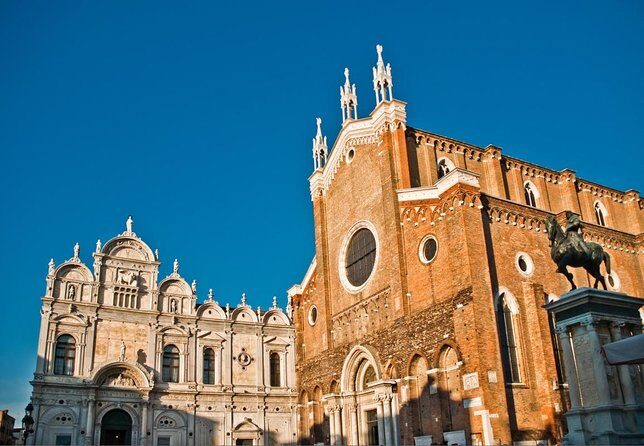
- San Giovanni e Paolo’s stained glass is the big artistic moment on this walk.
- Miracoli’s early Renaissance facade gives you a clear style contrast from the Gothic you’ll also see.
- A truly private pace means you can ask follow-up questions as you go.
- Quieter side streets and canals help you enjoy Venice without feeling sandwiched by big groups.
- Marco Polo House stop adds a cultural thread beyond church art and architecture.
- Optional hotel pickup (Rialto area) can save you some walking at the start.
San Giovanni e Paolo isn’t a stop, it’s the lesson
If you want to understand why Venetian art looks the way it does, San Giovanni e Paolo is the kind of place that teaches without shouting. The church is known for its Gothic architecture, and on this walk it’s paired with a standout artistic feature: the largest stained-glass window in Venice. That combo matters, because it helps you connect the building’s form with the way light and color were used as part of the experience of worship and status.
A key practical note: you’ll likely spend meaningful time inside. Some guides make this feel like a focused visual tour—pointing out details you’d otherwise miss. But if you prefer quick stops over long look-ins, remember that church interiors are where the time goes on this route.
You can also read our reviews of more walking tours in Venice
Santa Maria dei Miracoli and the joy of a restored facade
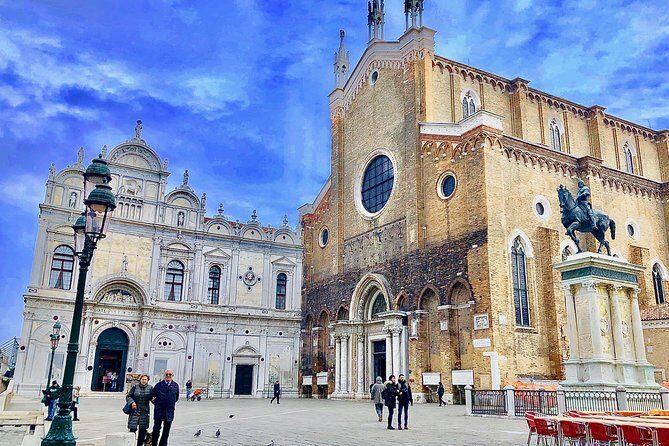
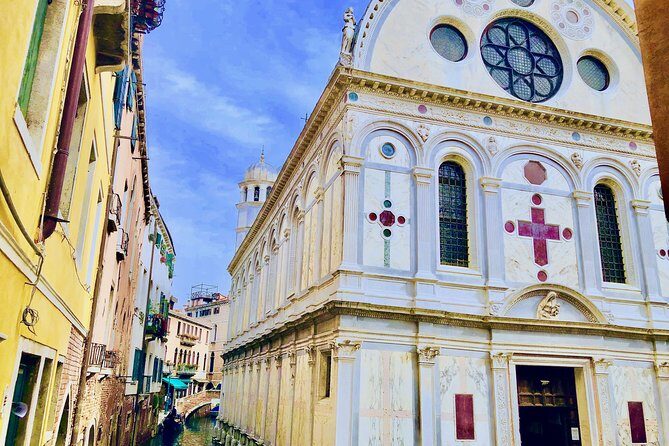
After the Gothic emphasis, the mood shifts at Church of Saint Mary of Miracles (Santa Maria dei Miracoli). Here, the draw is the beautifully restored early Renaissance facade. That’s a big deal for Venice, because you get to compare design languages within a compact walking route. Even if you don’t think of yourself as an “architecture person,” a facade is the easiest entry point—everything is right there at eye level.
The surrounding area also helps. You’ll pause at the suggestive campo of Santa Maria Nova, which makes the stop feel less like a chore and more like a small breather in local Venice. In a city where the bridges and narrow lanes can blur together, this kind of space is what lets you reset.
The Marco Polo House stop: art shaped by trade and power
Venice didn’t grow by accident. This tour threads that idea by including Casa di Marco Polo (Marco Polo House). Even if you don’t go deep into Marco Polo himself, the stop is useful as a reminder that Venice’s artistic identity wasn’t only about religion—it was also about merchants, exploration, and the political choices that came with wealth and long-distance trade.
What I like about this element for value is simple: it broadens your “art and architecture” lens. Instead of treating buildings like isolated masterpieces, you’re nudged to think about the forces that paid for them, commissioned them, and showed up in how Venice presented itself.
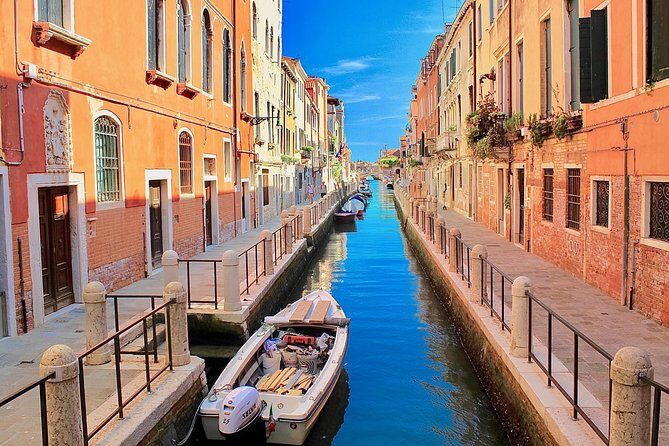
Your route through quiet lanes, canals, and footbridges
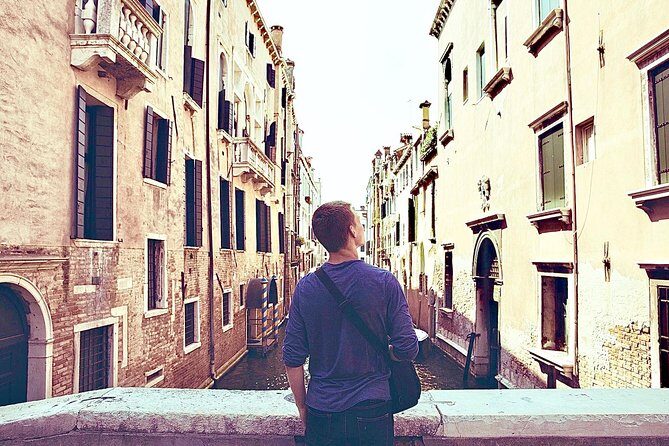
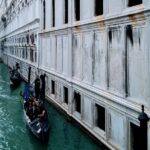
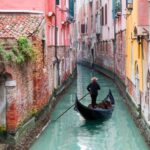
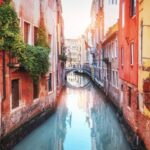
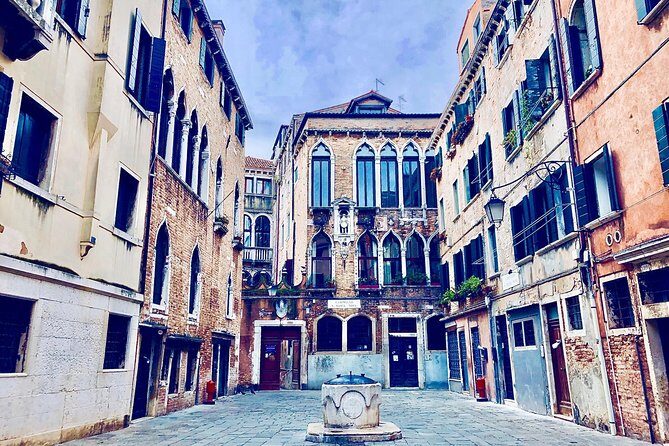
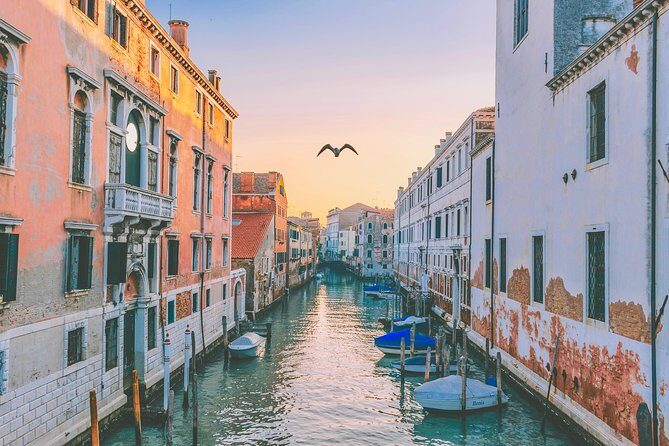
This is a walking tour built around small spaces. After you meet in central Venice, you head into quieter side streets and narrow passageways, plus you’ll walk along canals and across footbridges. That sounds like background, but it affects the quality of the tour. Big-sight Venice can feel like a speed run. This format gives you a slower rhythm where the architecture isn’t just something you glance at—it’s something you move around.
It also helps you avoid the most exhausting part of sightseeing: crowd standstill. Even with the best plan, St Mark’s area can feel like a human bottleneck. This tour is designed to get you to meaningful sights while you’re not stuck fighting for a position.
Campo San Bartolomeo and the Goldoni statue as a wayfinding moment
The walk starts at Campo San Bartolomeo, featuring the statue of Goldoni. This may sound like just a meeting landmark, but I actually like having an identity point early on. Campo spaces work like Venice’s little plazas, and a recognizable sculpture gives you an easy mental peg as you start navigating the nearby lanes.
If you’ve never visited Venice before, it’s also a comfort: you’re not thrown immediately into a maze with no reference points. You get to orient, then you build momentum toward the bigger church stops.
You can also read our reviews of more private tours in Venice

What “private” changes in a city like Venice
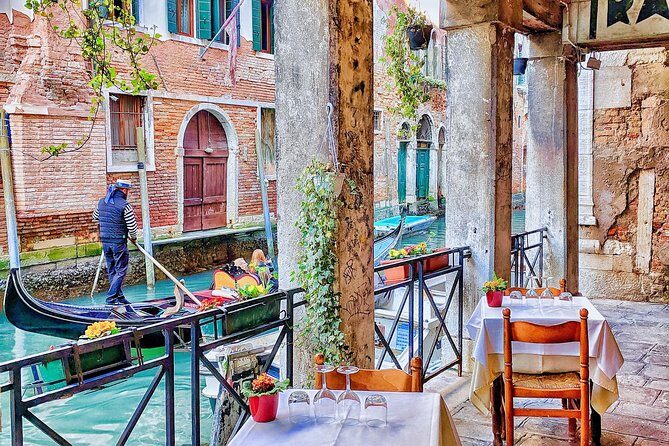
You’re booking a private walking tour for 2 hours. In practice, that means two important things for your day.
First, the guide can shape the pace around your interests. Some guides have a real knack for making architecture understandable by linking it to what people wanted from a building—status, devotion, and the feel of light inside. You can ask questions on the spot, and the answers don’t have to fit a group schedule.
Second, private guiding is what helps you handle Venice’s tiny, tricky logistics. Meeting points can be easy or annoying depending on where you come from. One reason this tour earns strong marks is that the escort and guide tend to move efficiently through the route, with the flexibility to help you get to your next destination smoothly.
Price and value: is $343.17 per person money well spent?
At $343.17 per person for about 2 hours, this isn’t a budget tour. But value isn’t just time—it’s what you’re buying: a specialist guide plus the ability to focus on art and architecture without sharing the spotlight.
Here’s how I’d judge the cost fairly:
- If you want churches explained with real attention (especially stained glass and facades), the price can feel justified fast.
- You are paying for guidance quality and pace, not just for the walking.
- Entrance fees to churches and museums aren’t included, so budget extra if your guide’s plan depends on paying to go inside specific sites.
When the tour is at its best, it’s the difference between seeing a church and understanding why it’s that church. That’s the kind of value that’s hard to replicate with a guidebook.
Meeting point, pickup, and how to avoid a first-day stumble
You’ll meet at Campo S. Bortolomio (Campo S. Bortolomio, 30124 Venezia VE) and finish at Campo dei Santi Giovanni e Paolo. If you want pickup, it’s optional and limited to hotels in the Rialto area.
This matters because Venice navigation can turn into a time thief. A few comments about the meeting spot being tricky are common with tours that start in a campo rather than a major landmark. My advice: arrive a little early, and use the address you’re given in maps rather than relying on memory. If your hotel is in Rialto, pickup can be a nice way to start without stress.
Weather can change the feel of church-heavy walks
Venice in the wrong weather can dampen the vibe. Since this is largely a walking route with church interiors, rain usually means slower steps and a soggier mood. One practical tip: bring something rain-friendly and plan to keep your pace steady. Indoors is where the tour can still shine, especially when your guide is good at pointing out visual details.
Accessibility and hearing: ask what tools the guide will use
The tour data says most travelers can participate, but there’s also a real-world consideration: for some visitors, hearing support matters. One group noted issues with accessibility because special audio devices weren’t used. If you or someone in your group relies on clear amplification, I’d contact the operator before you go and ask what support options are available for your language and hearing needs.
Tips on choosing the right guide style for your day
One reason this tour has such a wide range of feedback is guide style. Some guides are described as lively, patient, and flexible. Others were criticized for spending too much time on a single church or not answering questions clearly enough.
Here’s how you can steer the tour toward what you want:
- If you’re excited about stained glass and architecture, signal that early.
- If you want less time inside one building, say so at the start.
- If language clarity matters for your group, bring it up right away so adjustments can be made.
From past examples, guides such as Lucia and Iffygenia have been praised for making architecture come alive and for strong English. Alessandra and Antonella have also been described as patient and able to explain styles in a way that sticks. In one case, an architect guide even used illustrations to explain construction mechanics—exactly the kind of add-on that makes “private” feel like real craftsmanship, not just a map with words.
Who this tour suits best
This is a strong match if you want:
- Art and architecture explained in a way you can actually see
- Time to ask questions rather than rushing between highlights
- A route that avoids some of the heaviest crowd pressure
- Church interiors and facades, not just street views
It may be less ideal if you’re expecting:
- A heavy focus on Grand Canal architecture, since the route is built around specific churches and smaller areas
- A very broad, scattershot overview that covers every major structure equally
Should you book it?
If you’re going to spend money on a Venice guide, I think this one makes sense when you care about how Venetian buildings work—Gothic forms, Renaissance facade details, and the way stained glass changes what you notice. The private format is the big selling point: you’re not just a body in a crowd, you’re part of a guided conversation.
Book it if you want a concentrated art-and-architecture storyline in about two hours, with quiet lanes and canals to keep the day enjoyable. Skip it or adjust expectations if you need a wide spread of sights or you dislike spending long stretches inside churches. Either way, it’s the sort of tour that can turn your Venice photos into something more meaningful than scenery.
FAQ
How long is the Venice Art and Architecture walking tour?
It runs for about 2 hours.
Where does the tour start and end?
It starts at Campo S. Bortolomio and ends at Campo dei Santi Giovanni e Paolo.
Is pickup available?
Yes, pickup is optional if your hotel is in the Rialto area.
Are entrance fees included for churches?
No. Church entrance fees are not included, so you’ll want to plan for those costs.
Is this a private tour?
Yes. It’s a private tour, so only your group participates.
Is there an extra access fee on some days?
On certain dates, some visitors staying outside Venice and visiting for the day may need to pay a €5 access fee. The tour operator points to the city access fee rules for which days apply.
Is the tour suitable for most people?
The tour notes that most travelers can participate and that it’s near public transportation.