REVIEW · VENICE
Private Venice walking tour plus Murano island lunch and glass factory visit
Book on Viator →Operated by Glass factory Colleoni Murano · Bookable on Viator
Venice can be a maze. This private-style walk helps you navigate it without losing hours, and it pairs major sights with the kind of practical guidance that makes the city finally make sense. I love the undivided attention you get, and I also like that the day includes a real break in Murano instead of trying to cram everything into one long sprint.
You’ll see Venice’s icons up close, including the Rialto Bridge area and St. Mark’s Square, but with context you can actually use while you’re walking. In a few departures, the tour is led by guides like Selena or Ketty, and that matters because the best part of Venice isn’t the postcard view—it’s knowing where you are and why the streets are laid out the way they are.
One thing to keep in mind: the schedule depends on water transport and timing, so on days with unusual conditions the order can shift. Also, the lunch is included but drinks are not.
In This Review
- Key highlights worth marking on your plan
- Private Venice walking plus Murano: the real value
- Getting oriented fast on Venice’s “right now” streets
- Canal Grande corners: picturesque views with less wandering
- Doge’s Palace area and the private gardens look
- Rialto Bridge and St. Mark’s Square: seeing the icons the smart way
- The water-transport switch: traghetto, ferries, and Murano reality
- 3-course lunch on Murano: the reset that makes the rest of the day work
- Artistic Glassworks Colleoni: watching Murano glass happen
- Back to Venice by water taxi: finishing with less stress
- Who this tour is best for (and who should choose something else)
- Price and value: what $192.47 gets you in Venice terms
- Should you book this Venice + Murano day?
- FAQ
- How long is the private Venice walking tour plus Murano?
- Is lunch included, and what’s it like?
- Will we visit a glass factory?
- Does the tour include hotel pickup?
- Is this tour private?
- What if I’m staying outside Venice for the day?
Key highlights worth marking on your plan
- Small group feel with private-style attention so you can ask questions and move at a human pace
- 3-course Murano lunch gives you a proper reset away from the main sightseeing crush
- Colleoni glass factory visit with a live look at how Murano glass is made
- Boat hopping that shows Venice as a water city, not just a walking city
- St. Mark’s Square and Rialto timed into a route that reduces backtracking
Private Venice walking plus Murano: the real value
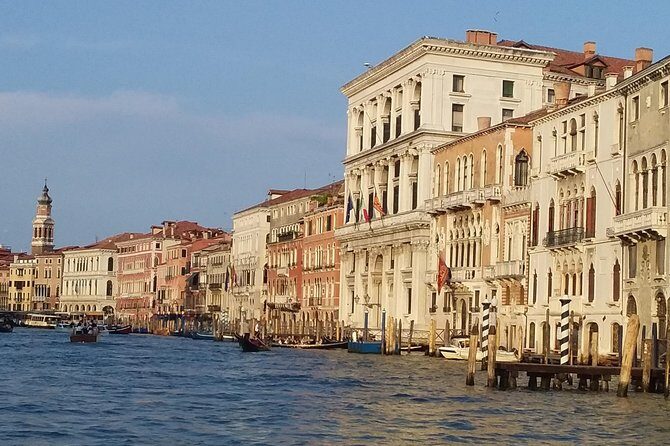
Venice is gorgeous, yes. But it can also feel like a giant puzzle made of canals. This kind of tour is valuable because it solves one big problem for you: orientation. Instead of wandering until you accidentally find St. Mark’s Square, you follow a guided route through the central neighborhoods that connects the dots between famous landmarks and the smaller details that explain them.
The private-format approach also changes how the day feels. You’re not just receiving a script—you can ask where to go next, what to look for in the next street, or why a church façade is built the way it is. That kind of back-and-forth is hard to get on big group tours.
Then there’s the Murano piece. Venice days can blur together fast. This one deliberately breaks sightseeing with a traditional Italian 3-course meal on Murano Island. You slow down, refuel, and only then head to the glassmaking workshop. That order matters. It keeps the factory visit from feeling rushed, and it gives you time to absorb the island’s vibe before you see how glass objects are actually made.
Finally, you’re paying for more than walking and photos. Your ticket includes a guided city experience, a live glass demonstration at the Artistic Glassworks Colleoni, and lunch. In Venice, that combination is where the value usually lands: guide time plus one paid cultural stop plus a sit-down meal.
You can also read our reviews of more walking tours in Venice

Getting oriented fast on Venice’s “right now” streets
The first part of your day starts at a prearranged meeting point, where your guide meets you and keeps the group small (up to 15 or fewer) so you’re not constantly juggling bodies and camera lenses. Hotel pickup is offered, and in practice the guide meets you at your lobby. If you’re staying central, this is a big stress saver. You avoid the awkward Venice problem of trying to find the exact correct corner while you’re already sweaty and late.
Once you’re moving, the walk focuses on the central area where the famous sights sit—Rialto and St. Mark’s Square—but the route is designed to help you avoid the classic mistake: walking straight into the maze without a plan. The guide’s job is not just to point. It’s to help you understand what you’re seeing so the streets stop feeling random.
Here’s what that means for you as you walk:
- You’ll get help with direction and timing, so you spend less energy retracing steps.
- You’ll learn what each area was used for and why it became important.
- You’ll notice details you’d normally miss—because someone tells you what matters before you reach it.
If your guide happens to be someone like Selena or Ketty (names that show up in past departures), you’ll likely notice a friendly, conversational style. The practical goal is the same either way: you leave with a mental map, not just photos.
Canal Grande corners: picturesque views with less wandering
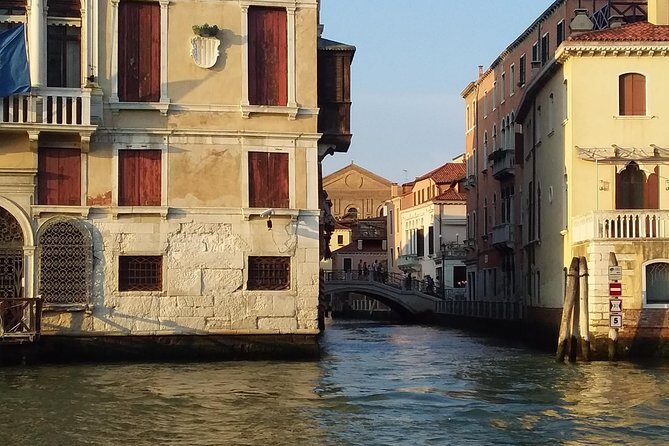
One of the earliest stops focuses on a few viewpoints along the Canal Grande. You get time to look from a specific angle and take in the feel of the grand canal—its scale, its curve, and the way buildings front the water.
This stop is short on paper (about 10 minutes), but that’s a good thing. You’re not trying to “do” the canal as a full attraction here. You’re using it as a way to orient yourself for everything else. Once you’ve seen the canal’s geometry from the right spot, the rest of the day’s walking route feels easier to follow.
Practical tip: wear shoes that can handle uneven stones and small water-logged patches. Venice looks tidy; it’s not. You’ll be on foot for a large chunk of the day.
Doge’s Palace area and the private gardens look
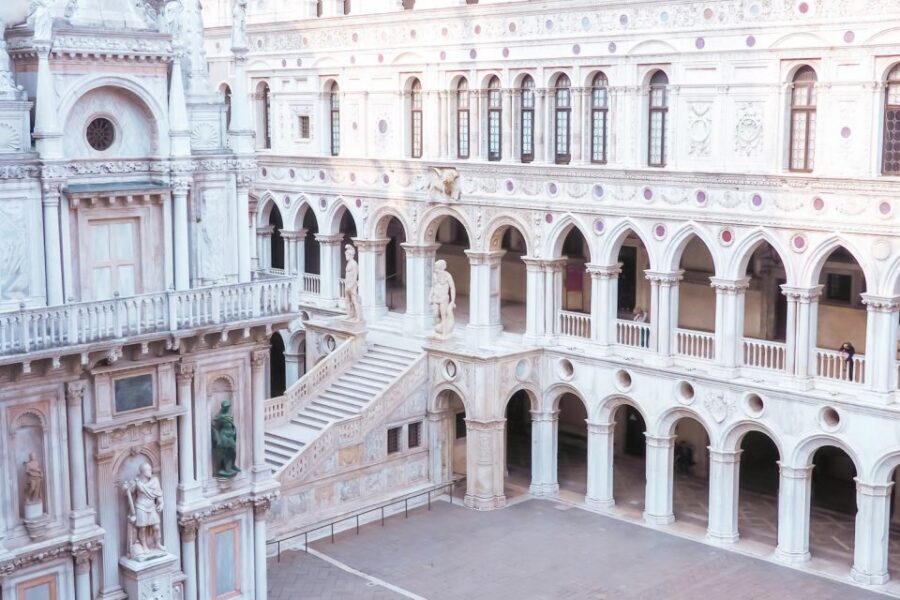
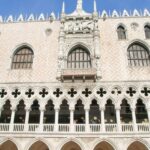
A major anchor of the walk is the Doge’s Palace area. The visit includes time to see one of the city’s key buildings and understand its role in Venice’s political life. Even if you’re not going deep inside for a long stretch here, the stop gives you the context you need for later impressions around the square and along the waterways.
The tour also includes a look around private gardens connected to historic church areas. That’s one of those Venice details that feels extra meaningful because it’s not the default tourist circuit. You’re seeing a calmer, more tucked-away side of the city while still staying close to the major landmarks.
This is also where having a guide matters most. Venice’s important sites can look similar from across the street. Your guide helps you tell them apart and explains what you’re looking at so you don’t just memorize names.
Rialto Bridge and St. Mark’s Square: seeing the icons the smart way
You’ll spend time near Ponte di Rialto, including the area with the fish market. Even without shopping, this part of Venice is lively in a grounded way. It’s where commerce and tradition overlap, and it helps you understand that Venice isn’t only for views—it’s a working city too.
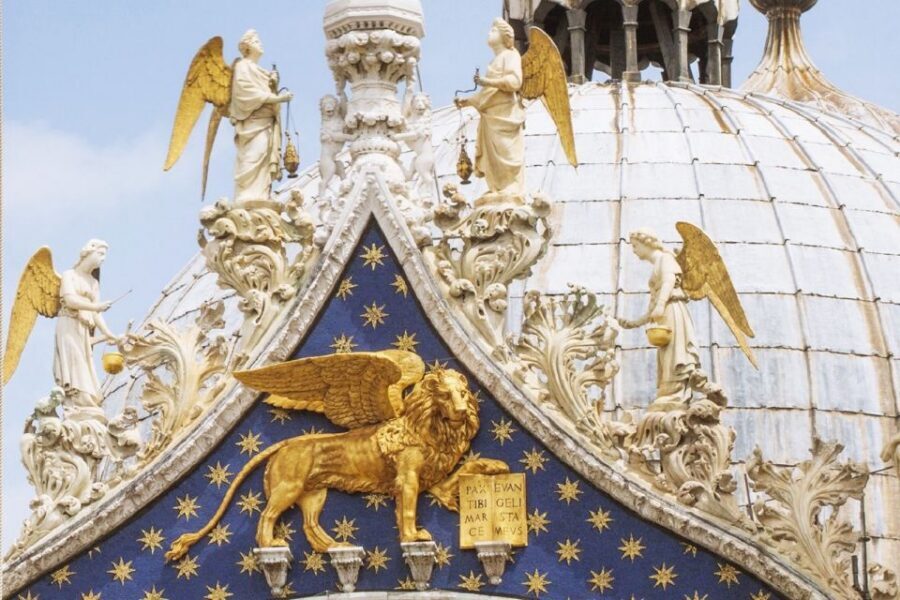
Next comes St. Mark’s Square (including the area around San Marco 801). This is your big “Venice postcard” zone, but you’re not standing there alone with a crowd and guessing what you should do next. Your guide keeps you moving through the right beats so you don’t waste time staring at details without knowing what they connect to.
What I like about bundling Rialto and St. Mark’s into one guided run is the pacing. You see two different kinds of Venice—the market-and-trades feel near Rialto, and the ceremonial, landmark-heavy feel around St. Mark’s—without having to decide between them.
You can also read our reviews of more private tours in Venice

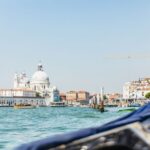
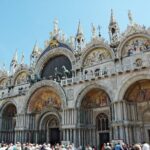

The water-transport switch: traghetto, ferries, and Murano reality

After the walking segment ends, you cross the Grand Canal by traghetto ferry, then switch ferries to continue to Murano. If you’ve only ever seen Venice from land, this part is a wake-up call. Moving by water changes your sense of distance and direction fast. Also, the ferry ride breaks the mental load of constant street navigation.
Once you reach Murano, the tour’s rhythm shifts. You’re not just moving through a high-traffic tourist zone. You’re on an island where glassmaking is part of daily identity. That sets you up for the factory visit later, because you understand why glass belongs here.
Also, since the day involves multiple water legs, plan on a little flexibility. Timing can be affected by water conditions. The tour is still set up as a structured day, but if something unusual happens, the order of stops can shift.
3-course lunch on Murano: the reset that makes the rest of the day work

Murano’s lunch is a real included 3-course meal (no drinks). This is one of the best parts of the whole structure. You get a break from standing, walking, and constant decision-making.
And it’s not just about comfort. A good lunch timing-wise does two useful things:
- It helps you pace yourself for the factory visit afterward.
- It gives your brain time to absorb the island experience before you start watching artisans at work.
If you have dietary needs, you’re asked to advise them when booking. That’s important because it means the operator can plan ahead instead of treating meals as an afterthought.
Drinks are available for purchase, so if you want wine or a specific beverage, you’ll want to budget for it separately.
Artistic Glassworks Colleoni: watching Murano glass happen
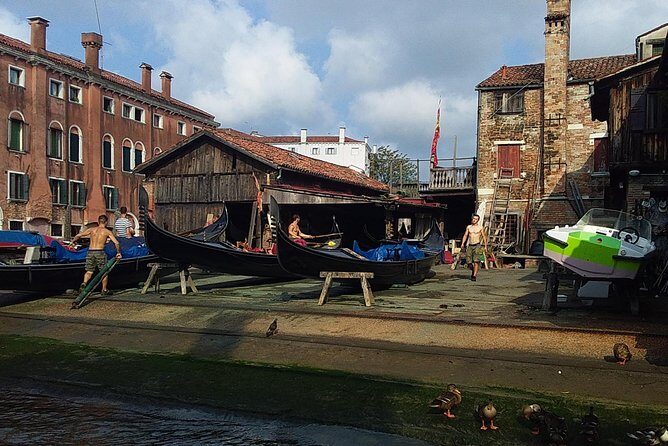
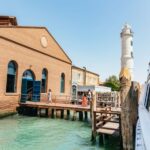
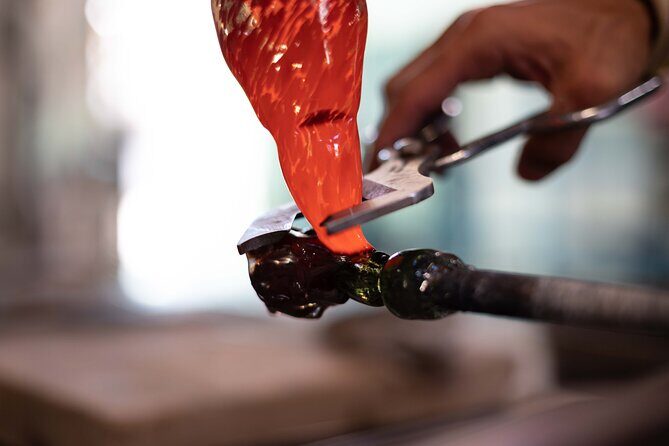
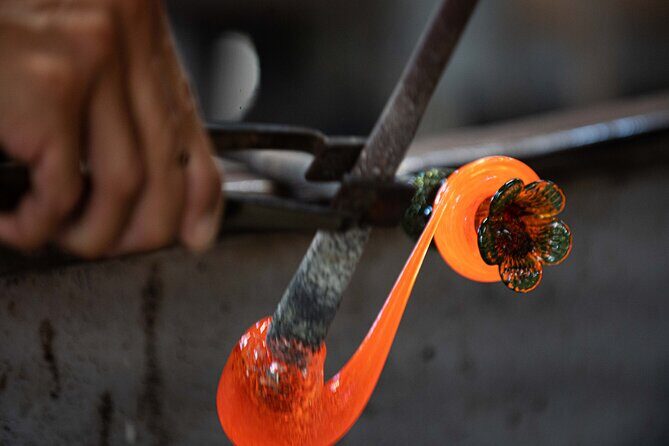
The featured factory stop is Artistic Glassworks Colleoni. You’ll spend about an hour here, and entry is included. This is where the day turns from sightseeing into something you can feel in your hands—at least in the sense of understanding craft, process, and why Murano glass has the reputation it does.
What you should expect:
- You’ll learn how Murano glass objects are made.
- You’ll watch master artisans in action.
- You may see multiple stages of the process and the skills behind the final form.
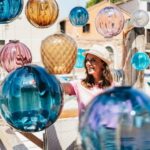
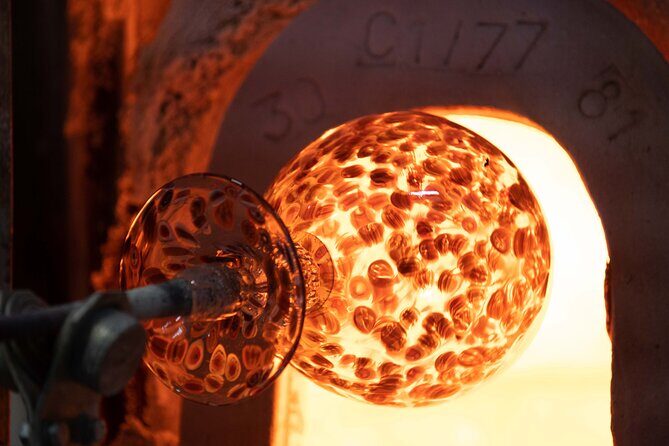
In practice, the live demonstration is the point. It’s one thing to admire glass in a shop. It’s another to see how heat, tools, and technique work together—and how quick the work is. This is the kind of experience that makes your souvenir choices smarter too. You understand what you’re buying, not just what looks pretty.
Factory visits also tend to include optional shopping. If you want to buy Murano glass, this is usually the best time because you’ve just watched how the pieces are made. You can ask questions and compare styles while your understanding is fresh.
Back to Venice by water taxi: finishing with less stress
To wrap things up, you travel back to central Venice via water taxi, and the tour ends around the end of the full-day schedule (about 7 hours total).
That last leg matters. In Venice, the easiest mistake is to finish a tour with a long, uncertain scramble back to your hotel. Water taxi is a clear, time-saving close—especially if you’re tired and the light is starting to fade.
If you’re planning dinner after, you’ll probably want to keep it flexible. Venice evening plans move slowly because everyone is walking everywhere. Build in a little buffer so your day doesn’t end with you racing.
Who this tour is best for (and who should choose something else)
This experience is a strong fit if you:
- Want a guided walk that helps you avoid getting lost in the maze of central Venice
- Prefer a small group feel with personalized attention
- Care about more than landmarks and want a process-focused stop at a real glass factory
- Like having a built-in break with lunch on Murano
It might be less ideal if you:
- Hate walking and uneven surfaces (you’ll have several hours on foot)
- Want a super flexible, wandering-only day without scheduled stops
- Are trying to maximize every minute inside venues only (this tour blends sights, brief exterior stops, and a full hour at the factory)
If you’re traveling as a couple, family with older teens, or small group, the private-format approach is especially satisfying because you can actually steer the conversation.
Price and value: what $192.47 gets you in Venice terms
At $192.47 per person for about 7 hours, the price isn’t “cheap,” but it often feels fair because you’re buying three things that are hard to assemble yourself in Venice:
- A guide for the walking portion so you don’t lose time and energy getting oriented
- A paid cultural stop at the Colleoni glass factory, with the demonstration experience built in
- A sit-down meal: a 3-course lunch on Murano (drinks excluded)
On days like this, the guide time plus the included lunch tends to be where you feel the value. You’re not just paying for a bus tour script; you’re paying for a plan that coordinates the land, the canal crossing, and the island part of the day.
One more practical cost item: on certain dates, people staying outside Venice who are visiting for the day may need to pay a €5 access fee. Your booking info should mention if it applies and the operator provides details about exemptions via the official site link.
Should you book this Venice + Murano day?
Yes, if you want an efficiently guided Venice day that still feels human. The combo of a focused city walk, a proper lunch break on Murano, and a live look at glassmaking is a smart way to spend limited time.
Book it especially if you’re tired of tours that only point and move. This one gives you direction, context, and a real craft experience. Just go in knowing you’ll be on your feet for much of the morning/early afternoon, and remember that drinks with lunch aren’t included.
FAQ
How long is the private Venice walking tour plus Murano?
It’s about 7 hours total.
Is lunch included, and what’s it like?
Yes. You get a 3-course lunch on Murano. Drinks are not included.
Will we visit a glass factory?
Yes. You’ll visit Artistic Glassworks Colleoni and watch a glass-making demonstration. Admission is included.
Does the tour include hotel pickup?
Pickup is offered, and the guide meets you at your hotel lobby.
Is this tour private?
It’s listed as private, meaning only your group participates. The walk is also described as small (up to 15 people or fewer).
What if I’m staying outside Venice for the day?
On certain dates, a €5 access fee may apply to day visitors staying outside Venice. The details and exemptions are provided via the official city link.