REVIEW · VENICE
Share Your Pasta Love in a Local’s Home in Venice
Book on Viator →Operated by Cesarine: Cooking Class · Bookable on Viator
Venice has a way of tricking you. You look at the canals all day, then you realize the city is also in the kitchen.
This 1.5-hour pasta class puts you in a real local home, away from the main photo lines. I like that it starts with aperitivo (welcome drink plus appetizer) so you’re not “just waiting for cooking.” I also like that you actually work the dough—kneading and shaping fresh pasta—not only watch from the sidelines.
One thing to plan around: the experience depends on the host and the confirmed meeting details. If your group arrives at the wrong spot (or late), you could miss the class—so double-check the confirmation message and arrive early.
In This Review
- A Few Things I’d Plan for Right Now
- Key Highlights You’ll Care About
- Finding the Right Door: Calle Larga Lezze and First Impressions
- Aperitivo to Dough: How the Class Usually Flows
- The Hands-On Part: Kneading, Shaping, and Actually Making It
- What You’ll Make: Bigoli, Tagliatelle, Ravioli, and Regional Comfort Food
- Dinner at the Table: Wine, Coffee, and the Pleasure of Finishing
- Cost and Value: Why This Is Priced Like a Real Experience
- Group Size and Attention: Small Class, Different Energy
- Meeting-Point Reality: The One Logistics Detail Worth Overthinking
- Who Should Book This Pasta Class (and Who Might Not)
- Should You Book This Venice Pasta Class?
- FAQ
- How long is the Venice pasta-making class?
- How much does it cost?
- What language is the class offered in?
- What’s included in the price?
- Do you get wine, and how is it handled?
- What pasta types might I learn to make?
- How many people are in the group?
- Where is the meeting point?
- Is there an extra Venice access fee?
- What is the cancellation policy?
A Few Things I’d Plan for Right Now
Here’s what I like most. First, the meal feels earned: you make the pasta, then you sit down and eat what you made with wine included (one bottle per three participants). Second, the class size is capped (max 15), which usually means you get more attention and fewer people competing for the host’s time.
The main drawback is simple: at this price point, you’re paying for a short, shared class. If you’re hoping for a long, detailed, multi-course cooking deep-dive, this is more “hands-on and social” than “every step explained to the last gram.”
Key Highlights You’ll Care About
- Aperitivo on arrival with appetizer, setting a relaxed local rhythm right away
- Wine at the table: 1 bottle per 3 participants, plus water and espresso
- Hands-on fresh pasta from dough to shaping (bigoli, tagliatelle, ravioli are in the mix)
- Small group format with a maximum of 15 travelers, so you’re not lost in the crowd
- You end with a home-cooked dinner and optional coffee and dessert
You can also read our reviews of more tours and experiences in Venice.



Finding the Right Door: Calle Larga Lezze and First Impressions
The meeting point is Calle Larga Lezze, 3596, 30121 Venezia VE. It’s a real Venice detail in the best way: you’ll be walking through the city streets with that familiar maze-of-streets feeling, and you’ll need to take it seriously for timing.
Your experience starts with a warm welcome and aperitivo—a small appetizer paired with a refreshing drink. This matters because it turns “meeting a group” into “settling into a home.” Venice can be exhausting on day one; the pre-dinner rhythm helps you get oriented fast and keeps you from feeling rushed the moment you arrive.
Most importantly, this class is designed for English speakers. That doesn’t sound dramatic, but it changes everything about a cooking lesson. You’ll get explanations you can actually use, not just gestures and guesswork.
Aperitivo to Dough: How the Class Usually Flows
After the first bite and drink, your host introduces you to the basics of traditional pasta-making. You’ll learn concepts you can repeat later at home: what fresh dough should feel like, how shaping changes the bite, and why certain pasta forms match certain sauces.
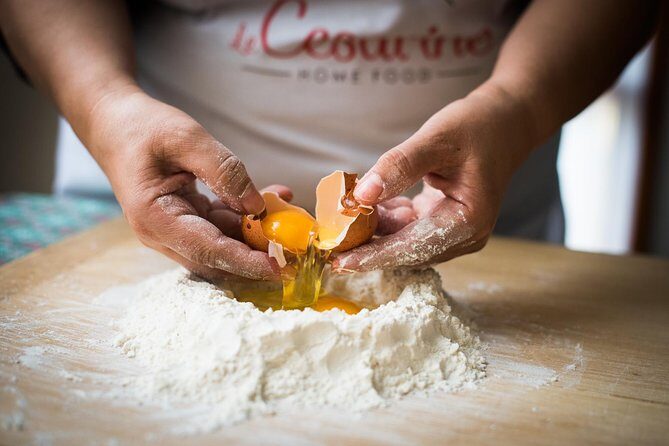
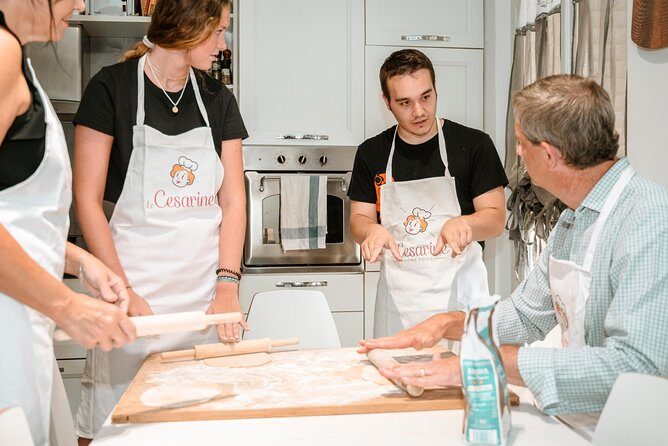
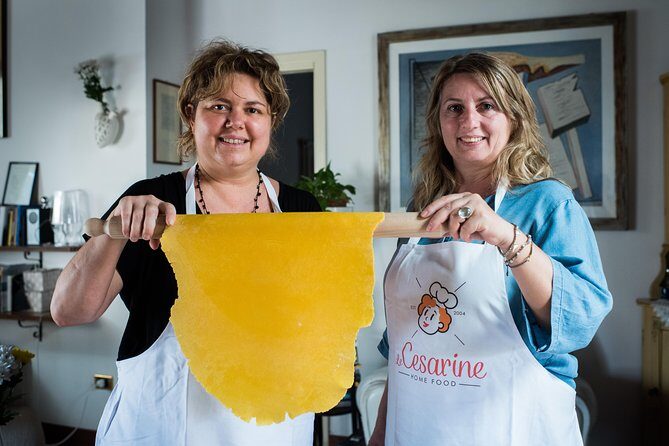
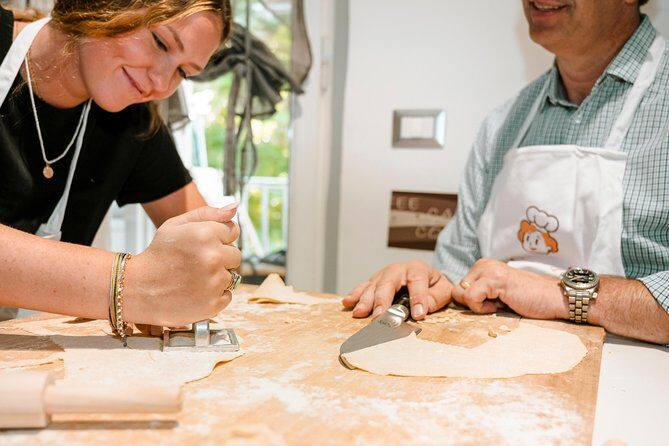
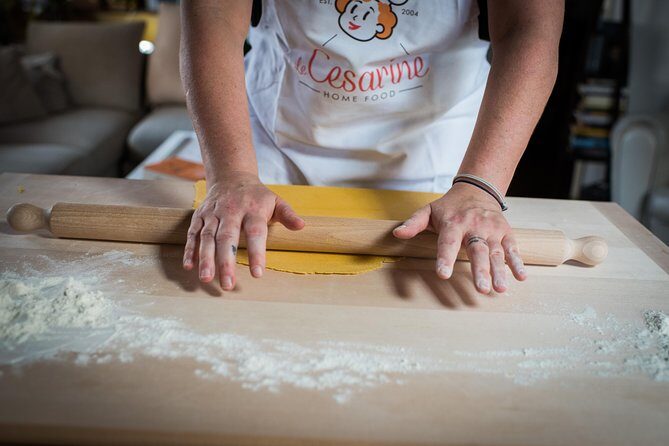
Then you get hands-on. You’ll mix ingredients, knead the dough, and shape the pasta. The experience is structured so you’re not just a spectator. You’ll likely work through classics connected to Venetian kitchens, such as bigoli, tagliatelle, or ravioli—the sample menu also points to regional favorites like risi e bisi or gnocchi, depending on what the host has planned.
One practical note: the class ends back at the meeting point, so you’re not dealing with transport logistics afterward. In Venice, that’s a big deal. The sooner you return to your bearings, the more you enjoy the rest of your day.
The Hands-On Part: Kneading, Shaping, and Actually Making It
This is the part that makes or breaks a cooking class. Here, the promise is clear: learn to prepare authentic pasta from scratch and then eat it.
In this style of class, you’ll typically go through three “skill moments”:
- Making the dough: mixing and then kneading until it’s smooth and workable
- Shaping: forming the pasta so it cooks correctly and holds sauce
- Finishing: handling the pasta after shaping so it’s ready for the meal
From the host side, the experience is built to keep things moving, because it’s only about 1.5 hours. So you get “enough time to learn” rather than “enough time to perfect everything.” That’s not a flaw—it’s just the reality of a compact class. If you want perfection training, you’d book a longer workshop elsewhere.
Also, the experience runs in a small-group setup (maximum 15). That doesn’t just help with comfort. It means the host can correct your technique before you settle into a mistake. You feel like a participant, not a background character.
What You’ll Make: Bigoli, Tagliatelle, Ravioli, and Regional Comfort Food
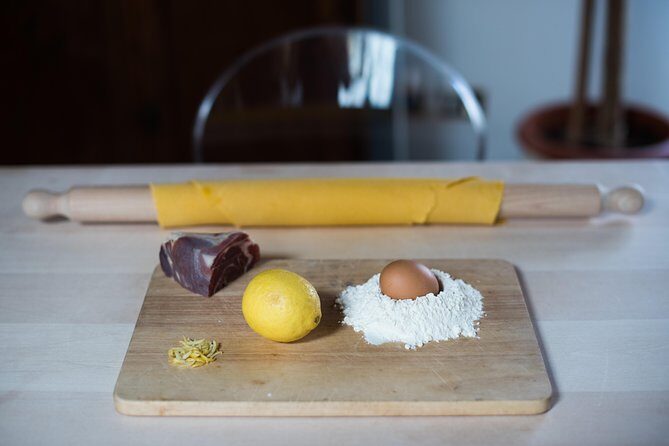
Venice pasta is not all about fancy names. It’s about technique and the right shape for the right sauce.
Expect examples including:
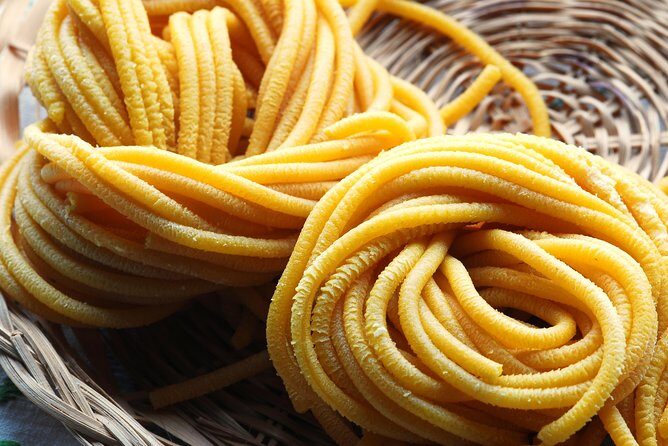
- Bigoli (a classic Venetian pasta shape)
- Tagliatelle (a familiar ribbon style)
- Ravioli (often filled and folded)
You may also see regional comfort-food pairings in the plan, with the sample menu mentioning choices like risi e bisi (rice and peas) or gnocchi. Even if the exact final lineup changes by day, the point stays the same: you’re learning fresh pasta fundamentals and how Venetian flavors connect to them.
One of the best value moments is when your kitchen skills turn into your own dinner plate. You’re not paying to watch someone cook and then leaving hungry. You’re paying to make something you’ll actually eat.





Dinner at the Table: Wine, Coffee, and the Pleasure of Finishing
Once your pasta is ready, you sit down for a home-cooked meal. This is where the class shifts from activity mode to dinner mode, and it’s also where the experience earns its “Venetian hospitality” reputation.
You’ll toast with wine. The class includes 1 bottle of wine per three participants, plus water and espresso. The menu concept also includes optional coffee and dessert after the meal.
This matters for value. In Venice, one good dinner plus drinks can quietly eat your budget. Here, the cost is packaged so the meal and drinks are part of the experience—not an extra you have to tack on afterward.
Just don’t expect a restaurant-style banquet. It’s a home dinner. That means the timing can feel more relaxed, and the focus stays on sharing and eating what you made.
Cost and Value: Why This Is Priced Like a Real Experience
The price is $94.92 per person, for about 1 hour 30 minutes. At first glance, it’s not “cheap.” But if you look at what’s included, it becomes easier to judge.
What you get includes:
- Welcome aperitivo and appetizer
- Hands-on pasta-making
- Homemade pasta meal
- Alcohol included (water, local wines, and wine at the table: 1 bottle per 3)
- Espresso (and coffee/dessert optionally)
That’s a lot to pack into a short session. You’re paying for ingredients, instruction, the host’s time, and the full meal experience. You’re also paying for the setting: learning in someone’s home rather than in a classroom with rows of aprons.
One more angle: this class is designed for English and keeps group size under control. In a city where language barriers and crowds can ruin learning, that comfort and clarity often matters as much as the food itself.
Group Size and Attention: Small Class, Different Energy
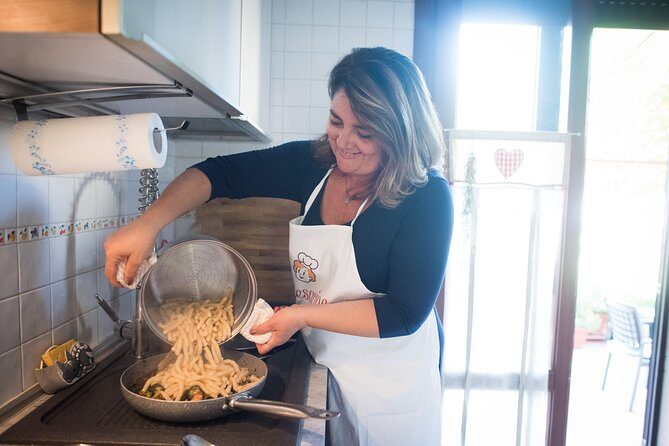
With a maximum of 15 travelers, you’re not battling noise or chasing an instructor across a kitchen island. You’ll likely get correction and encouragement as you knead and shape.
This also affects the vibe. Bigger groups can feel like a show, with you hovering in the background. Smaller groups tend to feel more conversational. And since the class includes aperitivo and wine, the social energy stays friendly rather than chaotic.
You’ll still move at a workshop pace, but you’ll feel involved. That’s the difference between eating pasta you paid to learn about and eating pasta you helped make.
Meeting-Point Reality: The One Logistics Detail Worth Overthinking
Venice is famously tricky with addresses. Even when you have the exact street name, you’ll still need to find the right building and door.
Here’s how to protect yourself:
- Use the meeting point address (Calle Larga Lezze, 3596) as your anchor
- Treat your confirmation message details as the final word for timing and contact
- Arrive early enough to handle a wrong turn without stress
Also, the experience says there’s no hotel pickup/drop-off. That means you’re walking in on your own, using public transportation nearby if needed. Build your schedule so you’re not sprinting across Venice right before class time.
Who Should Book This Pasta Class (and Who Might Not)
You should book if you want:
- A hands-on fresh pasta experience rather than a passive tour
- A small-group evening activity in a local home
- A bundled meal with wine and espresso, not just “snacks and a demo”
You might skip it if:
- You want a long course with heavy technique drills for hours
- You’re extremely picky about one specific pasta dish only
- You hate meeting-point walks and prefer guided transport every time
This class works great for couples, friends, and small families who like food and don’t mind working with flour and timing.
Should You Book This Venice Pasta Class?
Yes, if you want a straightforward, high-value Venice experience that mixes food, conversation, and real kitchen work. The best reason to book is the pairing of hands-on pasta-making with a dinner that includes wine and espresso. It’s not just a souvenir photo moment.
I’d book especially if you like the idea of learning in someone’s home and eating what you made. That combination is rare, and it’s exactly what you’re paying for here.
If your main concern is logistics anxiety, fix it by planning your arrival and checking your confirmation details carefully. Do that, and this turns into one of those nights you’ll remember for the right reasons: you ate pasta you shaped yourself.
FAQ
How long is the Venice pasta-making class?
It runs for about 1 hour 30 minutes.
How much does it cost?
The price is $94.92 per person.
What language is the class offered in?
The experience is offered in English.
What’s included in the price?
You get a welcome aperitivo and appetizer, the hands-on pasta-making class, a homemade pasta meal, local wines (plus water), and espresso. Coffee and dessert are optional.
Do you get wine, and how is it handled?
Yes. There’s 1 bottle of wine per 3 participants, along with other included drinks like water.
What pasta types might I learn to make?
You’ll learn authentic pasta from scratch, including classic options such as bigoli, tagliatelle, or ravioli. The sample menu also mentions risi e bisi and gnocchi.
How many people are in the group?
The class has a maximum of 15 travelers.
Where is the meeting point?
The meeting point is Calle Larga Lezze, 3596, 30121 Venezia VE, Italy. The activity ends back at the meeting point.
Is there an extra Venice access fee?
On certain dates, day-trippers staying outside Venice may need to pay a €5 access fee. Check the details at https://cda.ve.it.
What is the cancellation policy?
You can cancel for a full refund if you cancel up to 24 hours in advance. If you cancel less than 24 hours before the start time, the amount paid is not refunded.