REVIEW · PADUA
From Padua: Walking & Wine Tasting City Tour
Book on GetYourGuide →Operated by Venice Day Trips · Bookable on GetYourGuide
Padua changes fast when you slow down. This 2-hour walking wine tour turns a normal stroll into a guided route through local enoteche and classic Venetian-style bites. I love that you taste both whites and reds (not just one style), and I also love the small-group pace, limited to 8 people, so your sommelier can actually talk with you. One thing to consider: the exact wine bar picks can vary based on availability, so it helps to stay flexible.
What makes this one click is the mix of wine education and neighborhood feel. You get a professional sommelier who selects your wines for the day, plus paired cicchetti—the kind of snack that feels like Padua life, not a staged tasting room. I also like that you’re covering wines from the Tri-Veneto area (the region historically tied to the Venetian Republic), which gives the tasting more meaning than random labels. A possible drawback: if you want heavy, hands-on winemaking details, the tour stays focused on practical tasting and wine culture rather than lab-style instruction.
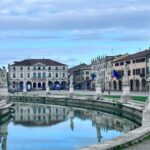
You’ll start at the circular fountain in Piazza delle Erbe and end right back where you began, which makes it easy to plug into an afternoon or early evening. I’m especially taken with the fact that guides can tailor the conversation—whether you’re curious about tasting guidelines, wine quality standards, or the regional history behind what you’re drinking. Just be ready for a city walk, not a bus tour with long stops.
In This Review
- Key things I’d plan around
- Walking Padua’s wine route from Piazza delle Erbe
- Enoteche stops: how the tastings are actually paced
- The wine lineup: four bottles, clear regional story
- Why Tri-Veneto matters for your palate
- Cicchetti pairings: the small bites that make it feel local
- Your sommelier: the difference between drinking and learning
- Premium upgrade options for when you want to level up
- Timing, walking comfort, and small-group flow
- Price and value: what you’re paying for at $135.94
- Who this tour fits best
- Should you book From Padua: Walking & Wine Tasting City Tour?
- FAQ
- Where does the tour start and end?
- How long is the walking and wine tasting tour?
- How many wines will I taste?
- What’s included in the price?
- Can the wine bars or wine selections change?
- Are there premium wine options?
Key things I’d plan around
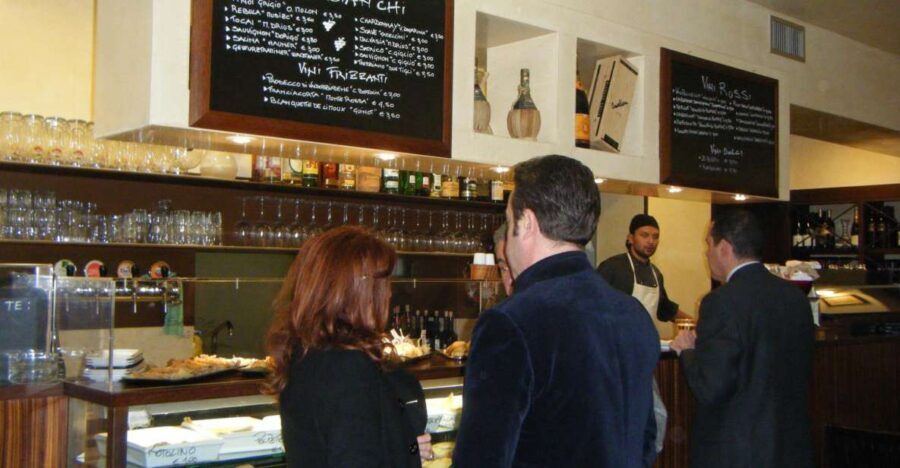
- Two enoteche, different vibes: one can lean young/hip while the other feels more refined, so the tasting doesn’t blur together
- Four glasses total: 2 white and 2 red wines, each paired with cicchetti
- Tri-Veneto focus: you’re tasting from a region tied to the old Venetian Republic, which makes the lineup feel coherent
- Small group, real conversation: limited to 8 participants, so your guide can answer your wine questions
- Sommelier-led selections: guides like Mario and Rachel are there to guide taste, not just pour
- Optional premium upgrades: you might be offered higher-end picks if you upgrade to premium level wines
Walking Padua’s wine route from Piazza delle Erbe
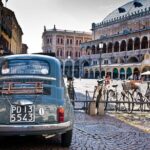
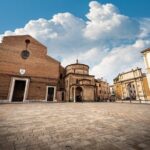
Meeting at the large circular fountain in Piazza delle Erbe is a smart setup. It’s central, easy to find, and it keeps the tour anchored in the part of town where people actually move through daily life. You’ll see your guide holding a Venice Day Trips sign, then you’ll head out on foot with your small group.
The tour runs about 2 hours, which is perfect if you want something that feels “worth planning” without eating up your whole day. You’re not stuck in a single room for the entire experience. Instead, you get a short, city-style walking rhythm that helps you get your bearings fast.
I also like the guide format. This isn’t a loud, lecture-only approach. Your sommelier chooses what you taste at each stop, and you learn in the moment, which is when tasting advice actually lands. In the best moments, the guide’s relationship with the wine bar staff shows—there’s a smoother welcome and a more comfortable pace at each place.
You can also read our reviews of more walking tours in Padua


Enoteche stops: how the tastings are actually paced
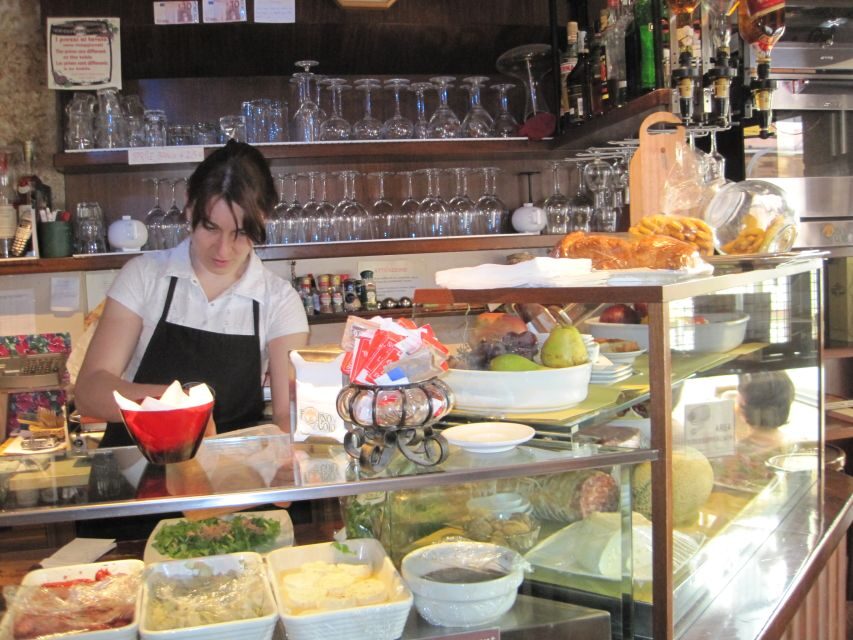
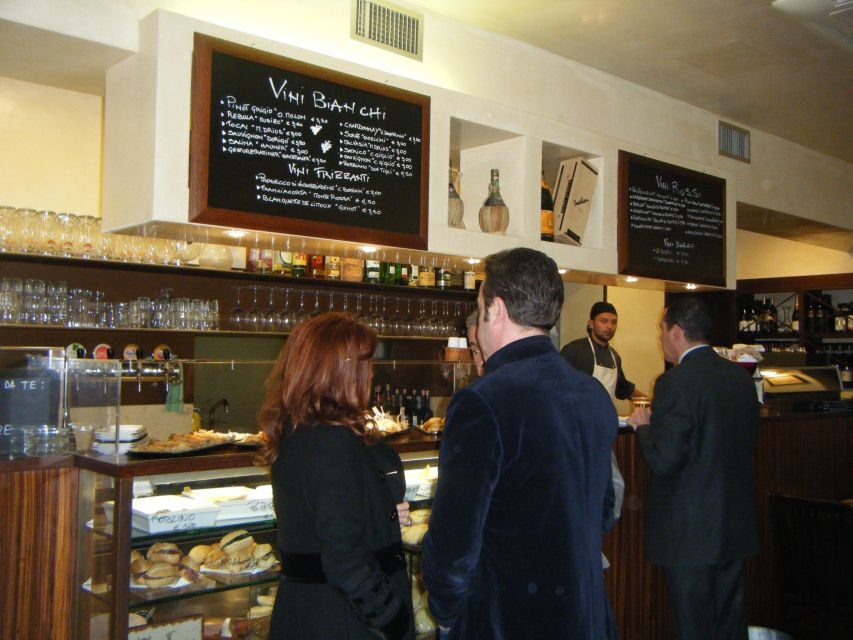
You’ll visit two different enoteche, set in authentic parts of Padua. The point isn’t just to see two venues—it’s to show you how wine culture plays out in different local settings. One bar can feel more lively, another more subdued, and that contrast helps you notice how the same regional wine traditions can feel different depending on the room.
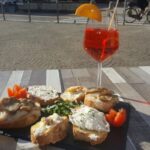
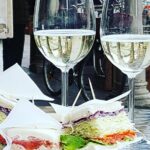
At each enoteca, you’ll taste two wines chosen by your personal sommelier. That means the tasting stays structured: you’re not guessing what you should focus on, and you’re not overwhelmed with too many pours. The tastings are paired with small Venetian appetizers called cicchetti, which matters because it turns the experience into a real food-and-wine match.
Here’s the practical value: cicchetti are meant for sipping and lingering in Italian wine bars, so they help you learn what the wines taste like when they’re not being sampled in a vacuum. It’s also a great way to learn what people order casually, then steal that idea for your own next night out in Padua.
The wine lineup: four bottles, clear regional story
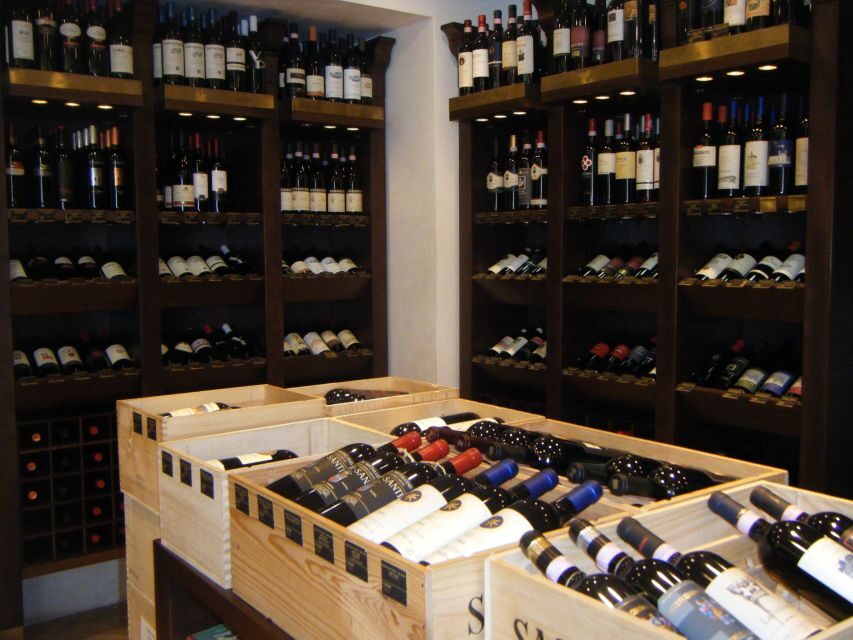
This is where the tour earns its price. You taste 4 glasses of wine from the Tri-Veneto area—a region tied to the former Venetian Republic. The idea is to give you a coherent flavor map of Veneto, not a random collection of Italian labels.
The tour’s classic tasting includes both whites and reds. Examples mentioned include:
- White wines: Prosecco and Tocai
- Red wines: Refosco and Ripasso della Valpolicella
Even if you don’t know the exact grapes yet, the structure helps you build a baseline. You’ll get a real sense of how Prosecco-style bubbles and Veneto whites tend to taste alongside simple cicchetti. Then the red lineup shifts the mood, giving you a chance to compare lighter, food-friendly reds versus deeper, more aromatic picks.
Why Tri-Veneto matters for your palate
Tri-Veneto is more than a geography lesson. It’s a shortcut to understanding why these wines show up together in local wine bars. When you connect the dots between region, grapes, and food culture, your future ordering gets easier. You stop wondering which wine is “the safe choice” and start picking based on what you want to feel with your meal.
Cicchetti pairings: the small bites that make it feel local
I’m a big fan of tasting tours that treat food as part of the lesson, not a side garnish. Here, each wine is paired with small Venetian appetizers called cicchetti, and that’s exactly the style you want if your goal is local life.
From the guidance and the strong reviews, the cicchetti pairing is a big reason people rate this so highly. The snacks aren’t just tasty—they’re also varied and aligned with regional cuisine, which keeps the whole experience from becoming repetitive.
Practical tip: if you’re hungry, still treat this as a tasting. You’ll get bites with the wines, but you likely won’t leave full. After the tour, I’d plan a proper dinner nearby rather than trying to turn this into your main meal.
You can also read our reviews of more food & drink experiences in Padua





Your sommelier: the difference between drinking and learning
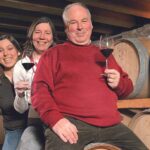
This tour is led by a professional sommelier. Your guide selects the wine and explains what to notice, and that’s the main shift from a self-guided wine night. In the reviews tied to this experience, guides like Mario and Rachel come up as standout hosts—warm, conversational, and clearly comfortable talking wine without making it feel like school.
You’ll likely cover topics such as:
- how Italian wine is produced at a high level
- tasting guidelines (what to look for while you taste)
- quality standards and why certain choices are made
- some history of Padua and the broader Veneto context
What I like most is the flexibility. If you care more about history, your guide can lean that way. If you want a more practical approach—what makes a wine taste balanced, what to ask at a bar—your guide can focus there instead.
Also, the guide isn’t working alone. Their rapport with the wine bar staff tends to translate into smoother service and a more welcoming atmosphere. That little human factor can turn a “nice tasting” into an evening that feels genuinely social.
Premium upgrade options for when you want to level up
If you upgrade to the premium level, the tour may swap in higher-end selections. Examples mentioned for premium wines include:
- White premium examples: Franciacorta and Gewurtzraminer
- Red premium examples: Brunello di Montalcino and Amarone
One important detail: those premium picks may change depending on what’s available. So think of upgrading as an opportunity to aim higher, not a guarantee that you’ll get a specific bottle.
Is it worth it? If you already know you love richer, higher-profile Italian wines, the upgrade can make the experience feel more special. If you’re still learning what you like, the classic tasting might be the smartest first step—because it gives you a broad, approachable baseline from the Tri-Veneto lineup.
Timing, walking comfort, and small-group flow
The tour lasts 2 hours, and it’s designed around walking plus two wine bar stops. The group is kept small—up to 8 participants—so you’re not shouting to be heard, and your sommelier can answer questions without a strict rush.
Because it’s a walking tour, wear shoes you’d feel good in for a quick city stroll. You’re moving between enoteche, and Padua’s streets can be uneven. Nothing extreme is promised in the details you provided, but comfortable walking shoes always pay off on Italian city tours.
Also note the tour languages: English and Italian. If you want explanations in English, you’ll want to check that the specific session you book is offered in English (the tour is listed as bilingual overall).
Price and value: what you’re paying for at $135.94
At $135.94 per person, you’re paying for more than wine. You’re paying for:
- a guided route through two enoteche
- 4 wine tastings with food pairing (cicchetti included)
- a professional sommelier selecting and explaining the pours
- a small group format, limited to 8
For me, the value hinges on the guide + pairing. If this were just a “here’s four glasses” setup, it’d be harder to justify. But the tour is built to teach you how to taste and what to notice, which makes those four glasses carry more value than the same drinks bought casually.
You’re also getting regional structure: the Tri-Veneto focus ties the lineup together. That makes your palate education feel intentional, not random.
If you’re comparing it to tastings that offer only one bar or only one style of wine, this format usually feels like better use of your time in Padua.
Who this tour fits best
This is a good match if you:
- want a guided introduction to Veneto wines
- enjoy learning through taste, not just facts
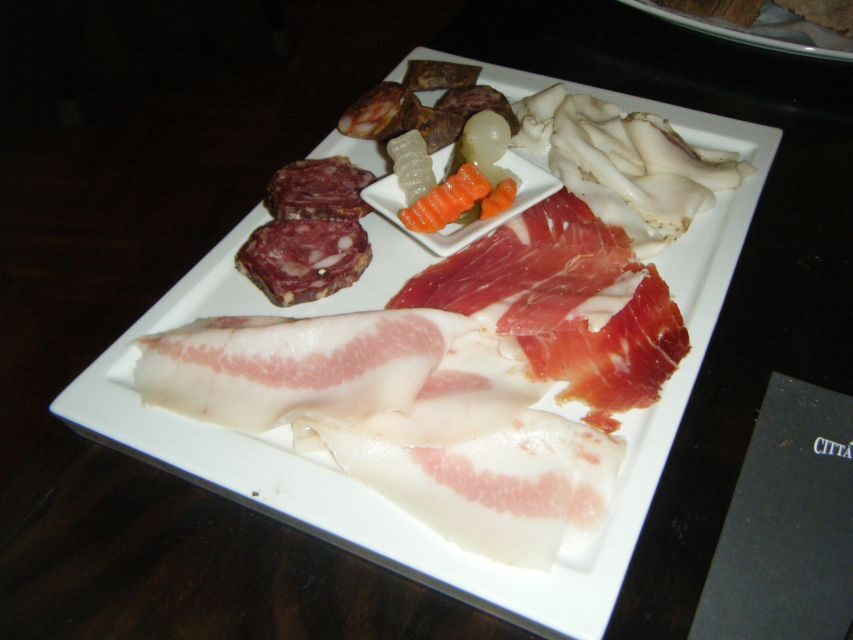
- like the idea of cicchetti paired with wine in local settings
- prefer small-group tours where you can talk with the guide
It’s also a great option if you’re traveling with someone who likes wine but isn’t sure what they want to learn. You can tailor the conversation toward tasting, history, or quality standards, and the sommelier can steer accordingly.
If you’re only interested in a single famous wine producer or you want a strict, winery-style agenda, you might find this more social and city-based than what you’re imagining. But for an evening in Padua with real local flavor, it’s a strong fit.
Should you book From Padua: Walking & Wine Tasting City Tour?
Book it if you want an easy win: a guided walk, two real enoteche, four tastings, and cicchetti, all in about 2 hours. The strongest reason to choose it is the way the sommelier experience turns wine tasting into something you can use later—better ordering, better tasting notes, and a clearer sense of Veneto.
Skip or rethink if you’re extremely detail-driven about winemaking or you’re hunting for a specific bar or specific bottle. The wine bar selection can vary, and the experience is designed around the day’s availability and the sommelier’s choices.
If you’re flexible and curious, this is the kind of tour that makes your Padua evenings feel more local, with less guesswork. And when you leave with wines you actually understand, you’ll feel glad you spent your time here rather than just passing through.
FAQ
Where does the tour start and end?
The tour starts at the large circular fountain in Piazza delle Erbe, Padova. It ends back at the same meeting point.
How long is the walking and wine tasting tour?
The duration is listed as 2 hours.
How many wines will I taste?
The classic tasting includes 4 glasses total: 2 white and 2 red wines, paired with small Venetian appetizers called cicchetti.
What’s included in the price?
Wine and food are included, including tastings of 4 wines, visits to 2 wine bars, and wine tastings in English. A personal wine guide is also included.
Can the wine bars or wine selections change?
Yes. The selection of the wine bars and the wine picks may vary depending on availability. The guide will do their best to satisfy requests for specific wine topics or preferences.
Are there premium wine options?
There is a possibility to upgrade to a premium level tasting. Premium examples given include Franciacorta and Gewurtzraminer for whites, and Brunello di Montalcino and Amarone for reds, with selections that may be modified if needed.