REVIEW · VENICE
Small-Group Walking Tour of the Jewish Ghetto in Venice
Book on Viator →Bookable on Viator
Venice turns more serious once you reach the ghetto. I love how this walk links the three ghettos of Venice to everyday street details, and I also like the final stretch along Fondamenta dei Ormesini for real local life. One drawback: you do not go inside synagogues or the museum, so if you were hoping for interior visits only, this isn’t that kind of tour.
This tour works well if you want straight answers, not a “best of Venice” script. With a maximum of 12 people, your guide can slow down for questions, and you get a clear plan for what you’re seeing and why it mattered. It runs about 2 hours in English, with a mobile ticket, and it depends on good weather.
In This Review
- Key highlights worth your time
- Jewish Ghetto Walk in Cannaregio: why this quarter feels different
- Your guide: local training, careful storytelling, and room for questions
- Stop-by-stop: from Campo San Geremia into the ghetto
- Stop 1: Cannaregio’s green space and a quick “before the gates” setup
- Stop 2: an authentic campo and the idea of the first ghetto
- Stop 3: Ghetto Ebraico walk through the three ghettos (the main story, about 1 hour)
- Stop 4: Fondamenta dei Ormesini and off-the-beaten-path daily life (about 15 minutes)
- Stop 5: ghetto recipes, special biscuits, and an art gallery (about 15 minutes)
- Price and value: what $71.35 buys you in Venice terms
- Timing, walking comfort, and the practical bits you’ll thank yourself for
- Who this tour suits best (and who should skip it)
- Should you book the Small-Group Jewish Ghetto Walking Tour?
- FAQ
- FAQ
- How long is the Jewish Ghetto walking tour?
- Where does the tour start and end?
- Is the tour offered in English?
- How big is the group?
- Are synagogue interiors or the museum included?
- What stops are included during the tour?
- Is a mobile ticket provided?
- Will I need to pay any admission fees?
- Is there an access fee for some visitors?
- What happens if weather is bad?
Key highlights worth your time
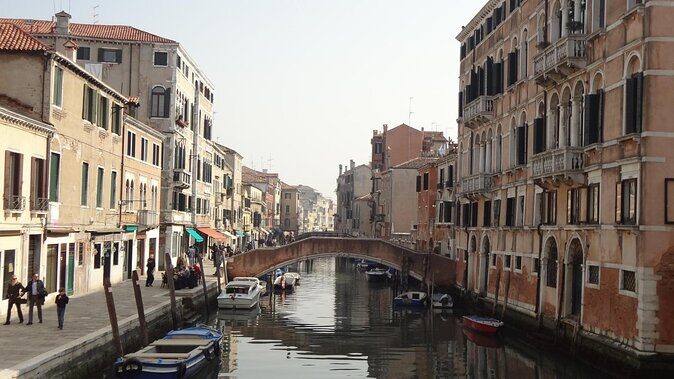
- Three ghettos in one route so you can understand how the quarter evolved
- Street-level history tied to plaques, symbols, and the feel of the streets
- No synagogue interiors included, but you still learn what to look for
- Fondamenta dei Ormesini for a quieter, local-sided Venice moment
- Food and art stops like ghetto recipes, special biscuits, and an art gallery
- Small-group pacing (max 12) for questions without feeling rushed
Jewish Ghetto Walk in Cannaregio: why this quarter feels different
If you think you know Venice from photos, this walk corrects that fast. The Jewish Ghetto sits inside Cannaregio, and the mood shifts once you get the historical context. You start noticing small things you might otherwise walk past: where people lived, how rules shaped daily routines, and why certain spaces matter.
What I like most is that this isn’t just “old buildings, old dates.” You’re guided through how the ghetto was created, how it worked in real life, and how the area is used now. Even better, the tour includes a segment aimed at modern Cannaregio daily rhythm, not only the past.
The whole experience lasts about 2 hours. Stops are short, but the main walking segment goes longer, so you feel like you’re moving through the story rather than standing still for a slideshow.
You can also read our reviews of more walking tours in Venice


Your guide: local training, careful storytelling, and room for questions
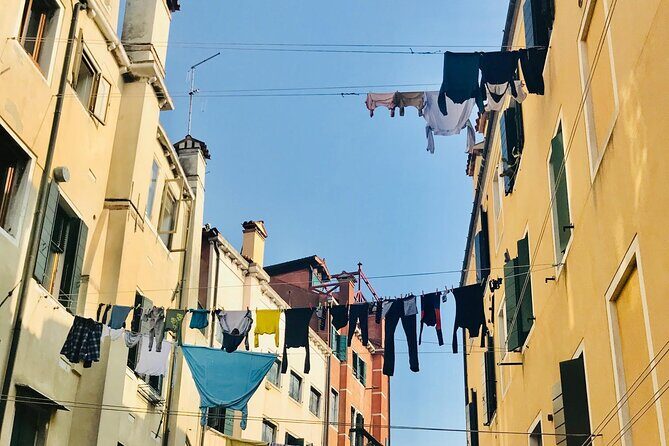
This tour is led by a local expert trained by the Jewish Community and Rabbi. That training matters because you’re not just getting names and dates. You’re getting explanations that connect the history to the physical space in front of you.
In the reviews tied to this tour, the guide is often described as warm, compassionate, and patient with questions. The effect is simple: you feel allowed to ask. You’ll also hear stories that focus on people, not just institutions, including accounts of heroism and survival. That tone keeps the walk respectful and grounded while still staying engaging.
One more practical point: a guide who knows the quarter well can help you recognize details you’d miss on your own. People talked about the guide explaining the history behind small features like plaques, sculptures, and even trees. That’s the kind of attention that makes a walking tour worth paying for.
Stop-by-stop: from Campo San Geremia into the ghetto
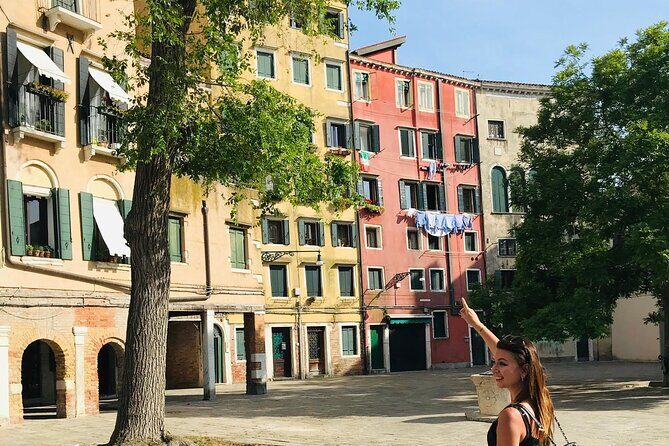
Here’s how the route flows, and what to watch for at each stage.
Stop 1: Cannaregio’s green space and a quick “before the gates” setup
You begin in Cannaregio and spend about 15 minutes at a green area tied to the history of the Venetian Jewish community. This isn’t just a scenic break. It’s where the guide gives you the starting point for understanding the ghetto’s location and the world Jews were navigating before the quarter was walled off.
If you like having context before entering a historic area, this matters. You’re not dropping into the ghetto cold. You’re getting orientation on what changed and why.
Stop 2: an authentic campo and the idea of the first ghetto
Next, you meet in an authentic Venetian campo and spend around 15 minutes with another short setup before entering the ghetto area.
This step focuses on Venice’s decision to create the first ghetto of its kind in history, and it aims to help you understand the logic behind the location in Cannaregio. You also get prompts the guide uses to connect the dots, like the origin of the word ghetto and which Doge was in power during that period.
You’ll likely start noticing how the city’s layout shapes everything that follows. Venice is made of water and tight spaces, so restrictions took on a very physical form.






Stop 3: Ghetto Ebraico walk through the three ghettos (the main story, about 1 hour)
This is the heart of the tour: about an hour spent walking through the area and learning about the history, curiosities, and daily life across the three ghettos of Venice.
A big part of the value here is how the guide handles scope. The ghetto wasn’t one single static space. You learn that there were three areas, and you move so you can feel the distinctions. The walk also aims to help you connect past and present, so it doesn’t end with medieval misery and then cut to souvenir shops.
You will not do interior visits to synagogues or the museum. Still, you’ll be shown details outside and given guidance on how to visit the synagogues later on your own. If you’re curious about symbols from the ghetto era, this stop is where the guide’s expertise really shows, because the explanations are linked to what you can actually spot.
If you’re a fan of literature, you may also get a connection made to Shakespeare’s Merchant of Venice, since the tour includes prompts about how the word ghetto appears in later culture.
Stop 4: Fondamenta dei Ormesini and off-the-beaten-path daily life (about 15 minutes)
After the main history block, the tour shifts perspective. You spend around 15 minutes near Fondamenta dei Ormesini to end your walk from a different angle and see modern Cannaregio life.
This part is more than a nice finish. It’s a reminder that the ghetto isn’t a museum set. It’s a living quarter, and Venice still functions through streets, water, and daily routines.
If you tend to get museum-fatigue, you’ll probably appreciate this tonal change. It’s also a good place to absorb what you just learned while you can still feel the place under your feet.
Stop 5: ghetto recipes, special biscuits, and an art gallery (about 15 minutes)
The last stop leans into culture and taste. You’ll discover Venetian recipes connected to the Jewish ghetto, unique biscuits made in the area, and an art gallery.
This is a useful way to round out the story. History is heavy, but food and art show you how traditions survived and adapted. It also gives you something tangible to remember when the details start mixing together.
From the tour descriptions and comments, it seems this stop is short on purpose. You’re meant to leave with a sense of what to look for next, not to spend the whole afternoon shopping.
Price and value: what $71.35 buys you in Venice terms
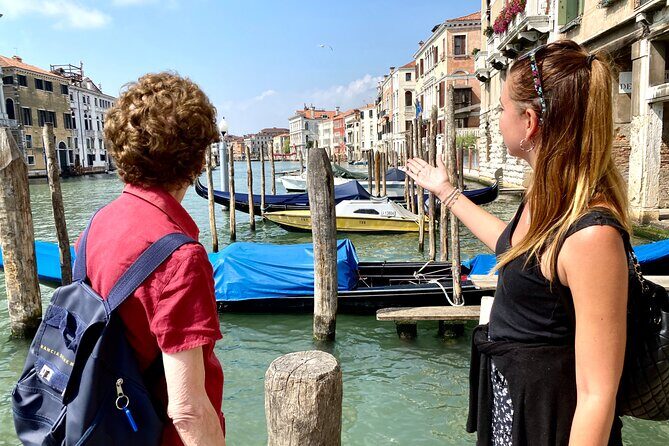
At $71.35 per person, this isn’t a bargain-basement option. You’re paying for a focused guide, a small group (max 12), and a route that’s built around detailed explanations of a specific part of Venice.
Here’s why the price can feel fair:
- You get a local expert trained by the Jewish Community and Rabbi, not a general Venice guide who reads from a script.
- Time is structured: the walk covers key orientation points, then a full hour in the main ghetto area.
- Group size matters: smaller groups mean your guide can handle questions and adjust pacing.
- You’re not just sightseeing: you’re learning why Venice created the first ghetto and what that meant day to day.
One note on value tradeoffs: because synagogue interiors and the museum aren’t included, you’re not paying for indoor entry costs. If you want a “see inside everything” type of tour, you’ll need to add those separately. But if your goal is context and street-level understanding, this price usually lands in the right place.
Timing, walking comfort, and the practical bits you’ll thank yourself for
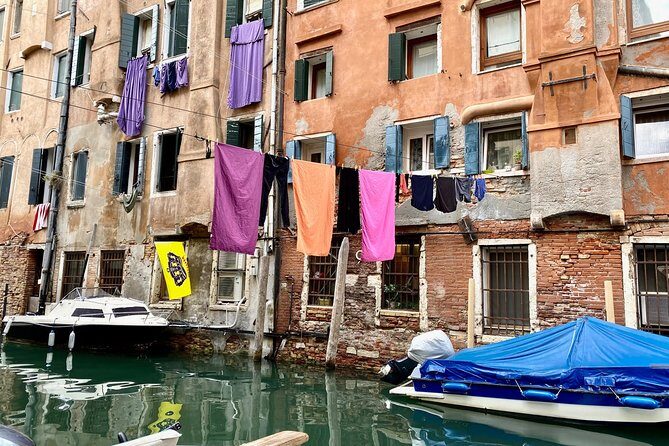
The tour lasts about 2 hours, with stops totaling around 15 minutes at several points and one longer main segment. That means you’ll be walking most of the time, but you’ll also get regular breaks.
Here’s how to prepare:
- Wear comfortable shoes. Venice doesn’t forgive optimism on cobblestones.
- Bring a light layer. Even in good weather, the lagoon can shift how you feel.
- Plan for good weather. The experience requires good weather, or you’ll be offered a different date or a full refund.
- Know what’s included: interiors of synagogues and the museum are not included, but you’ll get detailed information.
If you’re visiting on a day when a local access fee applies, there may be a €5 fee for some day visitors staying outside of Venice. The tour info points you to the official Comune di Venezia link for which days apply and possible exemptions.
Who this tour suits best (and who should skip it)
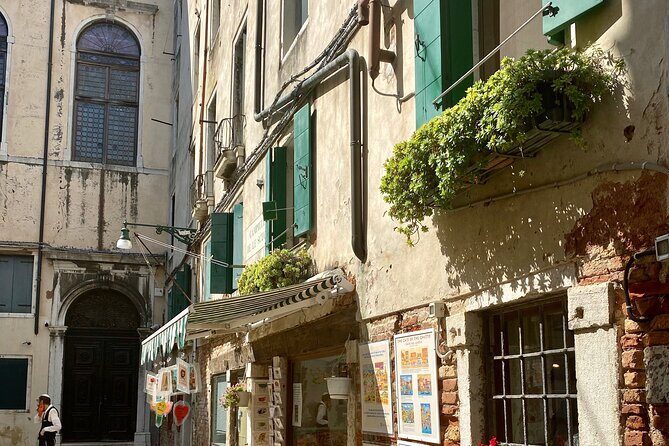
This tour is a strong fit if you want:
- A history-focused walk that explains how the ghetto worked and how it shaped life.
- A guide who can answer questions and point out details you’d miss.
- A small-group pace that doesn’t feel like a sprint.
It may not be your best match if you’re hoping for:
- A tour that prioritizes seeing a lot of synagogue interiors on the spot.
- A more generic, broad overview of Venice with minimal time on Jewish history.
One thing I think helps a lot: if you come in wanting to understand how Venice created and managed the ghetto, this walk gives you the framework that makes the streets click.
Should you book the Small-Group Jewish Ghetto Walking Tour?

Yes, if your idea of a great Venice day includes context. For the money, you get a structured route, a local expert trained by the Jewish Community and Rabbi, and a small group that makes questions possible. The walk through the three ghettos plus the ending at Fondamenta dei Ormesini hits a smart balance between past and present.
If you only want indoor religious sites and museum time, you’ll likely feel limited here since synagogue and museum interiors aren’t part of the package. In that case, book a different option—or plan to visit interiors separately after this walk.
FAQ

FAQ
How long is the Jewish Ghetto walking tour?
It runs about 2 hours.
Where does the tour start and end?
It starts at Campo San Geremia, 30121 Venezia VE, Italy and ends at Fondamenta dei Ormesini, 30121 Venezia VE, Italy.
Is the tour offered in English?
Yes, the tour is offered in English.
How big is the group?
The tour has a maximum of 12 travelers.
Are synagogue interiors or the museum included?
No. Interior visits to the synagogues are not included, but the guide provides detailed information and explains how to visit.
What stops are included during the tour?
The route includes Cannaregio, a meeting point in an authentic Venetian campo area, the Ghetto Ebraico section (three ghettos), Fondamenta dei Ormesini, and a final stop with ghetto recipes, special biscuits, and an art gallery.
Is a mobile ticket provided?
Yes, it includes a mobile ticket.
Will I need to pay any admission fees?
The tour info lists admission ticket free for the stops shown, but always double-check any additional costs you may encounter on specific days.
Is there an access fee for some visitors?
On certain dates, some travelers staying outside of Venice who visit for the day may need to pay a €5 access fee. The tour info directs you to the official Comune di Venezia page for details and exemptions.
What happens if weather is bad?
If the experience is canceled due to poor weather, you’ll be offered a different date or a full refund.