REVIEW · VENICE
The Murano Glass Museum in Venice
Book on Viator →Operated by Weekend in Italy · Bookable on Viator
Venice has a quiet side: glass history.
The Murano Glass Museum (Museo del Vetro) gives you a clear, chronological way to understand how styles changed over centuries, from Roman-era objects to the big-name Murano pieces. If you like seeing how craft evolves over time, this museum is built for you.
I especially like two things. First, you get secure admission to one of Venice’s standout cultural stops, with help avoiding any ticket-line headaches. Second, the museum holds the largest collection of Murano glass in the world, including famous works dating from the 15th to the 20th centuries.
One thing to keep in mind: this is mostly a classic museum visit, not a hands-on experience. If you’re bringing younger kids, the non-interactive setup may lose their interest fast.
In This Review
- Key highlights at a glance
- What you’re actually buying for $26.43
- Getting to the museum without turning your day into logistics
- Museo del Vetro: the museum’s layout that makes history click
- The ground floor Roman section: the “before Murano” part
- The first-floor Murano glass collection: from the 15th to the 20th century
- Each room as a time chapter: how to pace your visit
- Garden area and the museum shop: nice, but don’t build your day around them
- Who this visit fits best (and who might want a different plan)
- Timing your visit in Venice: plan for 1–3 hours
- Booking value, confirmation timing, and a practical entry mindset
- Cancellation and changes: know the rules before you commit
- Should you book the Murano Glass Museum admission?
- FAQ
- How long does the Murano Glass Museum visit take?
- What’s included with the ticket?
- Is this experience available in English?
- Is there an audio guide?
- Is there an extra access fee on some days?
- Can I cancel or change my booking?
Key highlights at a glance

- Largest Murano glass collection in the world, with key works from the 15th–20th centuries
- Chronological layout that walks you through glass history by time period
- Secure entry helps you avoid potential ticket line stress
- Free audio guide in multiple languages reported by visitors, great for reading between the cases
- Tranquil garden area (but it’s not big) if you want a breather
What you’re actually buying for $26.43
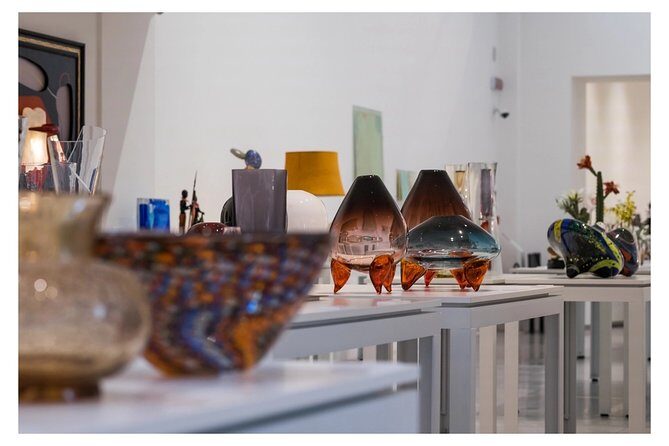
This ticket is straightforward: it’s entrance to the Murano Glass Museum. The price is $26.43 per person, and the visit typically runs about 1 to 3 hours. That range matters, because the museum doesn’t force you into a rigid pace. If you love art history, you can linger. If you want a focused hour-and-a-half hit, that works too.
The value piece is the promise of secure entry. Venice can be unpredictable when you’re coordinating tickets, queues, and your overall day. Having admission handled in advance can keep you from burning time standing still, especially during busy periods.
Also, the big headline is the collection itself. The museum isn’t selling you an experience based on hype; it’s selling you access to a major archive of glass-making culture. You’ll see a broad sweep of materials and styles, and that chronological structure makes it easier to spot change over time.
You can also read our reviews of more museum experiences in Venice



Getting to the museum without turning your day into logistics
The tour notes say the museum is near public transportation. That’s the kind of detail I care about, because it usually means less stress and fewer expensive detours. I’d still plan to give yourself a little buffer, since Venice days have a habit of running long—mostly because you’ll want to stop for gelato before you even reach your museum.
You’ll also want to think about timing in relation to the day you’re visiting. This experience is usually booked fairly ahead—on average, about 23 days in advance—so picking a time slot earlier rather than last-minute can help you avoid a squeeze.
Museo del Vetro: the museum’s layout that makes history click
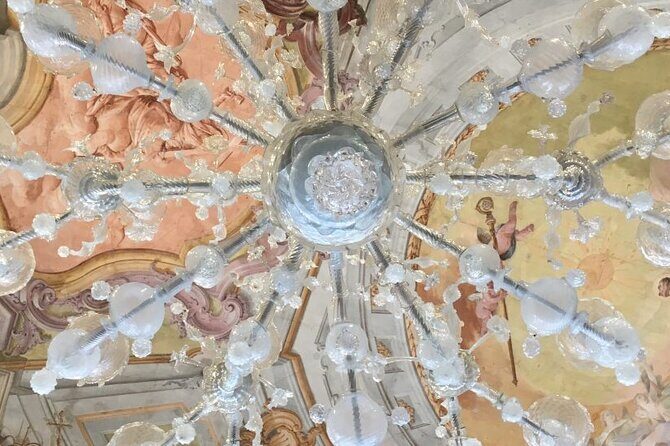
The core of your visit happens inside Museo del Vetro, and the museum’s layout is designed around time. The main Murano glass collection is presented chronologically on the first floor. That one design choice changes the whole experience.
Instead of wandering through unrelated rooms, you can follow a path: early background, then the major growth of Murano glass, then later masterpieces. It’s like having a guided story with no pressure to hurry.
One review also highlighted that each room features a different time period. That matters for your attention span. You can treat each sala like a chapter: look, absorb, then move on when you feel you’ve gotten the point.
The ground floor Roman section: the “before Murano” part
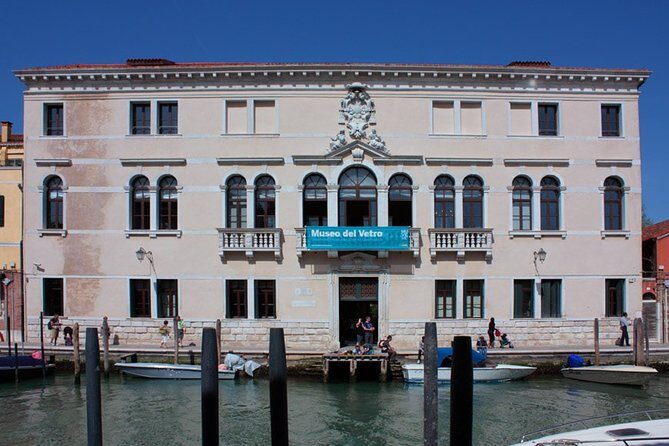
Before you hit the big Murano glass displays, you start with an archaeological section on the ground floor. This part includes noteworthy Roman works dating from the 1st to the 3rd century A.D.
Why this helps: it gives you baseline context for how glass artifacts existed long before the later Murano boom. Even if you don’t go deep into archaeology, seeing Roman-era objects in the same museum helps you understand that glass-making culture didn’t appear from nowhere. It has older roots, and the museum uses that to frame what comes next.
Don’t expect this section to dominate the whole visit. It’s more like the starting point—an opening scene that makes the later centuries easier to interpret.
The first-floor Murano glass collection: from the 15th to the 20th century
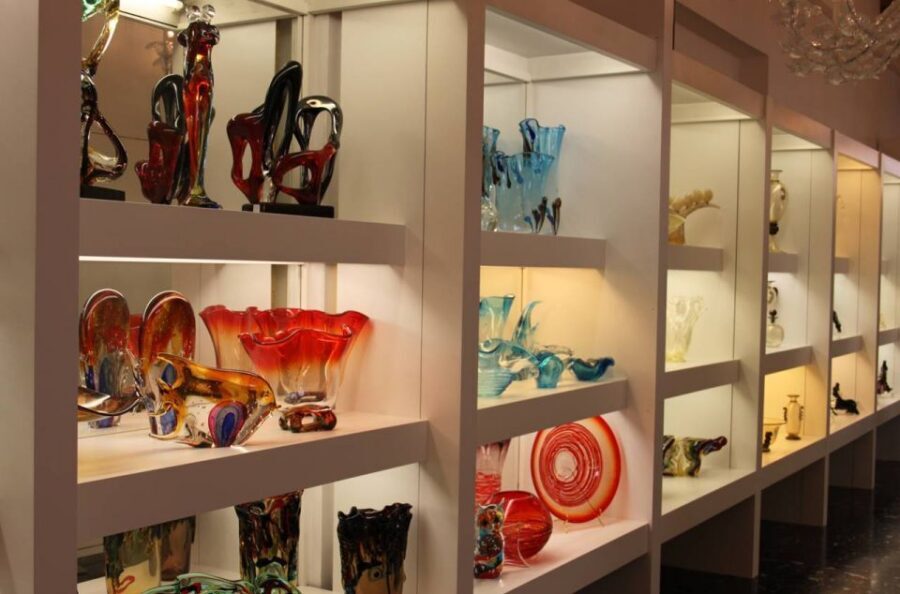
Once you move into the main exhibition, the museum focuses on what it’s famous for. You’ll find the largest historical collection of Murano glass in the world, with pieces dating from the 15th to the 20th century.
This is where the museum earns its name. The displays include many world-famous masterpieces, so you’re not just looking at random examples—you’re seeing high-profile works that helped define Murano glass’s reputation.
Here’s how to get more out of this part without feeling overwhelmed. Go slowly for the first couple of rooms, then start comparing. Ask yourself questions as you walk:
- Do the shapes look more delicate or more sculptural as the centuries change?
- Do the styles seem to shift toward more elaborate decoration?
- Do you notice repeated techniques, but used differently over time?
The museum’s chronological setup makes that kind of comparison feel natural instead of forced.






Each room as a time chapter: how to pace your visit
Because the collection is organized by era, you can pace yourself in a way that fits your travel style. If you’re the type who likes to read everything, you can take your time through the rooms. If you’re more of a skim-and-look person, you can still follow the storyline—each time period is clearly separated.
Plan on using the audio guide if you can. One visitor specifically noted a free audio guide in different languages, and that kind of tool is gold when a display is visually interesting but the labels alone don’t cover the full story.
If you skip the audio guide, you’ll still enjoy the glass itself. But if you’re the kind of traveler who likes context—why a piece matters, what people cared about—you’ll probably get more from pairing what you see with what you hear.
Garden area and the museum shop: nice, but don’t build your day around them
There’s a garden area in the museum, and at least one review described it as tranquil but not extensive. So treat it as a breather, not a second attraction.
This is a good place to reset if you’re heat-tired or museum-tired. Venice weather and walking can hit your energy fast, and a quiet pause helps you return to the galleries with fresh eyes.
The museum shop is also present, but one review called it small. That makes sense: Murano itself has plenty of glass shops nearby, so you don’t need this museum store to be a major retail destination. If you want to browse beyond what’s inside, you can still do that afterward.
Who this visit fits best (and who might want a different plan)
This museum is a strong choice if you like art history and want an organized way to see craft evolve. One highly positive review called it interesting for art history buffs and described how it gave a good overview of glass design history and Venice’s role in it.
It’s also a better fit for older kids and adults than for very young children. One review mentioned they went with a 10-year-old, and because the museum is not interactive, their interest faded fairly quickly. That’s an honest heads-up. If your child likes buttons, hands-on activities, or games, this won’t match that style.
If you’re traveling as a couple or solo and you’re curious about design and historical objects, this is likely a good match. If you’re traveling with a family, I’d treat it like a “grown-up museum hour” and keep your expectations realistic.
Timing your visit in Venice: plan for 1–3 hours
Since the typical duration is about 1 to 3 hours, you can slot this into a half-day plan. I’d aim to visit when you’re mentally fresh—either earlier in the day or right after a lunch break—because it’s easier to enjoy chronological rooms when you’re not running on exhaustion.
One detail that affects day plans for some people: on certain dates, there may be a €5 access fee for those staying outside of Venice who are visiting for the day. The tour info points to the city’s official page for details and exemptions, so check there before you lock in your schedule. If your day is already tight, don’t let a fee pop up at the wrong moment.
Booking value, confirmation timing, and a practical entry mindset
This experience offers confirmation within 48 hours, based on availability. That’s helpful because it gives you a realistic window to know you’re in.
One caution I’d take seriously: there was a reported issue where tickets didn’t arrive and entry required paying again. I can’t verify what caused that, but the lesson is simple. Before you travel, I’d keep your booking confirmation handy on your phone and double-check you have the ticket or voucher details that the attraction requires for entry.
The good news is that this ticket is intended for secure entry, which should reduce uncertainty compared with walk-up planning. Still, in Venice, screens and emails don’t always cooperate. Your job is to stay organized.
Cancellation and changes: know the rules before you commit
This one is non-refundable and cannot be changed for any reason. So if you’re the kind of traveler who might change plans because of weather, sickness, or schedule chaos, make sure you feel confident about the date.
That doesn’t mean you shouldn’t book. It just means you should only book when your day plan is stable.
Should you book the Murano Glass Museum admission?
Book it if you want a well-organized, time-based look at Murano glass without wasting time on ticket uncertainty. At $26.43 for admission, the best value is the combination of secure entry and a museum layout that helps you track change across centuries—from the Roman foundation to 15th–20th century Murano masterpieces.
Skip it or consider a different museum plan if you’re bringing younger kids who need interaction. The experience is mostly visual and observational, and at least one family report said it wasn’t interactive enough to hold a 10-year-old’s attention.
If you’re an art-history type, love design details, or you’re simply curious about how Venice shaped glass culture, this is a very reasonable use of 1–3 hours. Just plan ahead, check the day-fee rules if you’re outside Venice, and keep your confirmation ready for smooth entry.
FAQ
How long does the Murano Glass Museum visit take?
The visit typically lasts about 1 to 3 hours.
What’s included with the ticket?
You get an entrance ticket to the Murano Glass Museum.
Is this experience available in English?
Yes. It is offered in English.
Is there an audio guide?
A review specifically mentioned a free audio guide in different languages.
Is there an extra access fee on some days?
On certain dates, people staying outside of Venice who are visiting for the day may need to pay a €5 access fee. Exemptions and applicable days are listed at https://cda.ve.it.
Can I cancel or change my booking?
No. This experience is non-refundable and cannot be changed for any reason.