REVIEW · VENICE
Venice: 2 Days Pass – Top Museums & Attractions
Book on GetYourGuide →Operated by Visit Italy srl · Bookable on GetYourGuide
Two days in Venice can feel like a race. What makes this pass interesting is that it turns a pile of top sights into one digital ticket, so you spend more time looking and less time figuring out lines and entry details. I like the skip-the-line setup and the one-pass convenience for hitting places like Doge’s Palace and Museo Correr.
You’re not joining a guided group or following someone else’s timing. Instead, you activate your pass and use the official app to show your entry at each stop, including the priority lane labeled ENTRANCE TICKETS PRE-PACKED. The big thing to watch is timing: Doge’s Palace entry on this pass is only valid 12:00–18:00.
Here’s the main drawback to consider. Your pass gives you only one-time entry per attraction, and Doge’s Palace has a fixed afternoon window. If your plan depends on a lot of backtracking or a very slow day, the schedule edges can feel a bit tight.
In This Review
- Key points to know before you go
- What you’re really buying with the Venice 2-Day Pass
- Using the app and getting into sites without hassle
- Doge’s Palace (and that 12:00–18:00 window)
- St. Mark’s area culture: Museo Correr and Biblioteca Marciana rooms
- Ca’ Rezzonico and Palazzo Mocenigo: Venice through interiors and identity
- Carlo Goldoni’s House, Glass Museum, and the Lace Museum
- Ca’ Pesaro and Fortuny Museum: art stops that keep your pace honest
- Archaeological Museum and Natural History Museum: when you want a different tempo
- The churches: small, powerful stops when you need a reset
- A practical two-day game plan (that hits a lot without frying your feet)
- Timing, security, and why your day can still feel different
- Price and value: when the Venice Pass 2 Days makes sense
- Who should book this pass, and who should think twice
- Should you book the Venice Pass 2 Days?
- FAQ
- What attractions are included in the Venice 2-Day Pass?
- How do I enter the attractions with this pass?
- What time can I visit Doge’s Palace with the pass?
- Do I need to book attractions in advance?
- Is public transport included with the Venice Pass?
- Is there an age or dress code requirement?
Key points to know before you go
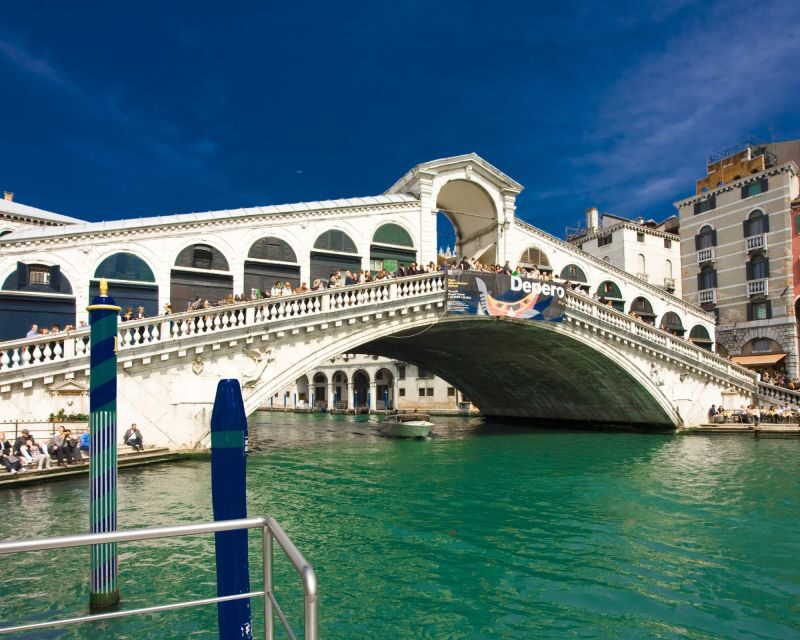
- One digital pass for 12 iconic museums and attractions, including Doge’s Palace
- Priority entrance lane for the included Venetian Civic Museums (labeled ENTRANCE TICKETS PRE-PACKED)
- Doge’s Palace access is limited to 12:00–18:00, with possible delays from security checks
- A mix of major art and niche collections, from Glass and Lace to Carlo Goldoni’s House
- Self-paced visiting across two consecutive days from the moment you activate
- Each site is one-time entry, so you’ll want to plan your must-sees first
What you’re really buying with the Venice 2-Day Pass

Think of this as a museum-and-attractions sampler that’s built for planning flexibility. For one price (about $90.51 per person), you get entry to a bundle of Venice’s “must-do” civic sites plus some more specialized stops. It’s not a guided tour. It’s an access tool, and that matters because Venice is a city where timing and walking logistics can make or break your day.
I like that the pass keeps the focus on major cultural places: Doge’s Palace, Museo Correr, and several Venice museum classics like Ca’ Rezzonico and Ca’ Pesaro. Then it adds texture with smaller, hands-on-feeling topics, including the Glass Museum and the Lace Museum. That combination is useful because two days goes fast. If you only hit grand palaces, you can feel museum-fatigued. If you add a couple of thematic collections, your visit feels more complete.
The pass is also straightforward in the moment. You show a digital pass at the entrances for included sites, and you don’t have to wait for a separate ticket. Still, you should treat this like a planning product: you’re choosing your own order, so your strategy matters.
You can also read our reviews of more museum experiences in Venice



Using the app and getting into sites without hassle
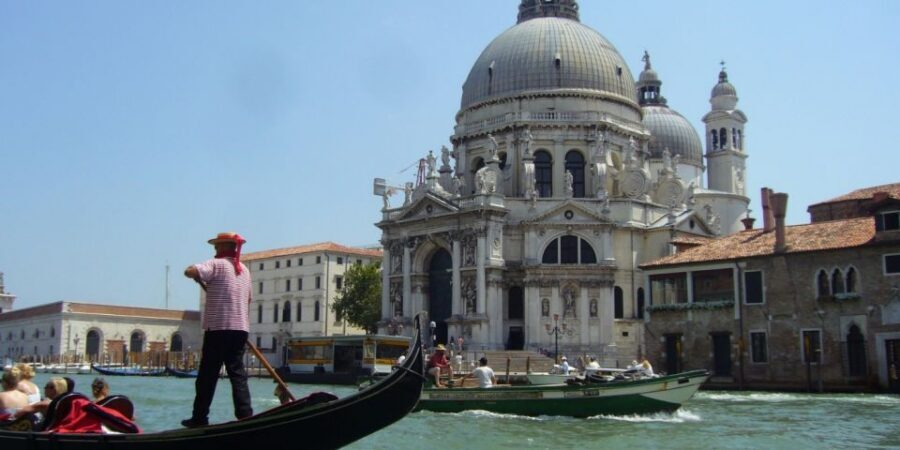
The system is simple, but you need to do one thing before you arrive: download the official Venice Pass App. After purchase, you receive email login credentials, then you activate the pass inside the app. Your pass is valid for 2 consecutive days starting from activation, and the clock starts when you choose.
To get in, you show the digital pass at the attractions. For most of the included Venetian Civic Museums, you use the priority lane labeled ENTRANCE TICKETS PRE-PACKED. That’s the “skip-the-line” part, but it’s worth interpreting correctly: you’re skipping the ticket counter process, yet you may still wait for security (especially at Doge’s Palace).
You’ll also want a practical tip: plan for an internet connection. The pass is digital, and while Venice has plenty of connectivity options, it’s still better not to rely on last-second signals when you’re standing at a museum door.
Another detail that affects your day: the pass allows entry to each included attraction once. So you can’t treat it like an unlimited “museum pass for wandering back later.” Decide what you want to see most, then build the rest around it.
Doge’s Palace (and that 12:00–18:00 window)
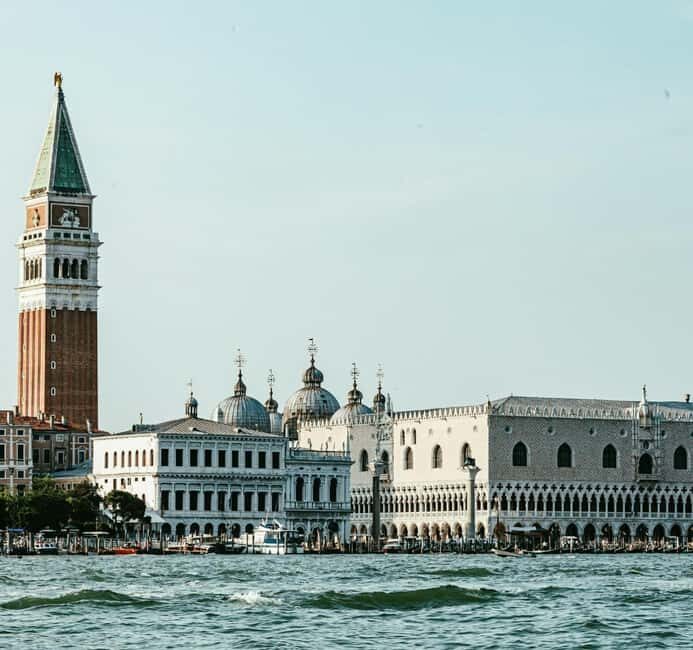
Doge’s Palace is the emotional center of this pass. It’s also the one site you must schedule around more carefully than the others. With this pass, Doge’s Palace entry is available from 12:00 PM to 6:00 PM. Security checks can add some waiting time, so arriving with less margin than you think you need is a gamble.
Here’s how I’d plan it. Use the morning of one day for museums that don’t have that same timing constraint, then aim to land at Doge’s Palace by midday. If you’re traveling by vaporetto between stops (which you probably will), set up your route so you’re not sprinting through the streets at 11:30.
What makes Doge’s Palace a good anchor is that it gives you a huge payoff for a single entry. This pass includes exactly that: one entry into the palace, and you’re free to move on afterward. If you love architecture and symbolism, it’s the kind of place that can easily consume your entire afternoon unless you set a realistic pacing.
If Doge’s Palace isn’t on your list, you’ll still get plenty of museums, but the value of the pass drops. The whole product is built around giving you a practical way into the palace and the surrounding civic museum cluster.
St. Mark’s area culture: Museo Correr and Biblioteca Marciana rooms
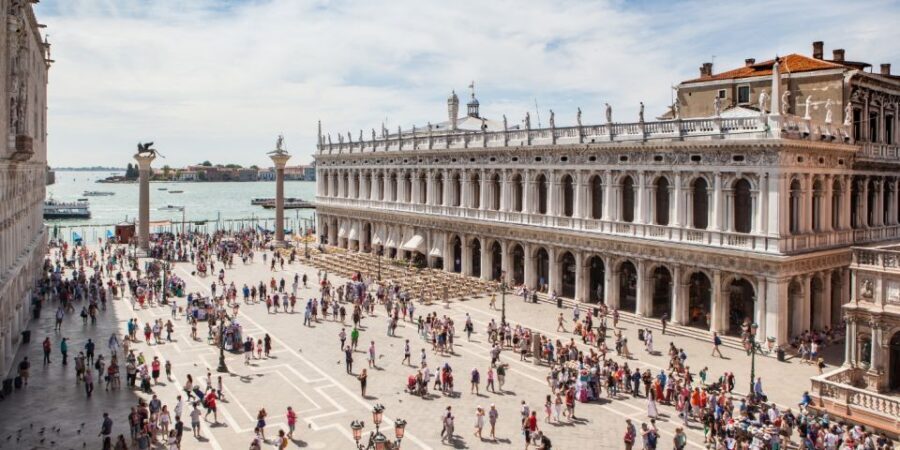
If you want to feel Venice’s storytelling without turning your trip into a full-day art marathon, this section is your best friend. Museo Correr pairs naturally with Doge’s Palace because they’re part of the same civic museum orbit and you can knock out a lot of context in one chunk.
Also included are the Monumental Rooms of the Biblioteca Nazionale Marciana. Even if libraries aren’t usually your thing, this stop works because it’s about scale and design as much as it is about collections. These monumental rooms give you a sense of how Venice collected knowledge and power. You don’t need to be a scholar to appreciate the setting.
A smart approach here is to treat this as your “big museums block.” Spend the late morning and early afternoon in the St. Mark’s zone, then use Doge’s Palace in the 12:00–18:00 slot. That rhythm helps you avoid the common mistake of seeing St. Mark’s area at the wrong hour and getting burned by crowds and transit time.
Ca’ Rezzonico and Palazzo Mocenigo: Venice through interiors and identity
Two of the pass’s most “Venice-specific” inclusions are Cà Rezzonico and Palazzo Mocenigo. They’re both about place—how Venetians lived, looked, and branded themselves through art, rooms, and objects.
Ca’ Rezzonico is where you go when you want the city to feel like a living household rather than a museum list. You get a full entry through the pass, and you can slow down here because these collections reward walking at a calm pace.
Palazzo Mocenigo adds a different flavor. It’s included as a separate entry, and it’s especially worth prioritizing if you’re curious about Venice’s cultural identity—how family power and public image were displayed.
If you like creating a “theme day,” I’d pair these with one of the niche museums later (Glass or Lace) so your two-day plan feels varied: grand interiors in one part of the day, detailed craft-focused rooms in another.






Carlo Goldoni’s House, Glass Museum, and the Lace Museum
This is the section where the pass feels most like a shortcut to memorable variety. Venice has the big famous sights, sure. But it also has crafts and stories, and this pass includes multiple ways to experience both.
You get entry to Carlo Goldoni’s House, which is a direct cultural connection to one of Venice’s major theater and writing figures. Even if you don’t know his work, the idea of walking through a personal space tied to a famous voice is a good reset from palace rooms.
Then you have two very specific collections: the Glass Museum and the Lace Museum. These are the kinds of museums that can be easier to enjoy than you expect. Instead of trying to absorb everything, you focus on technique and design. You’ll likely find yourself slowing down more here because the objects are meant to be looked at closely.
I especially like this trio for your second day. By then, you’ve already seen at least one big palace-type site. Adding a craft and personality mix keeps you from feeling like you’re checking boxes.
Ca’ Pesaro and Fortuny Museum: art stops that keep your pace honest
Two more strong entries in the pass are Ca’ Pesaro and the Fortuny Museum. Both are included with separate entrance access, and together they help you cover art in different moods without needing to plan a separate ticket stack.
Ca’ Pesaro works well if you want a more rounded museum day. You can fit it after a palace visit or before it, depending on how your schedule falls. It’s the kind of stop where you can control your time: spend more if you’re in the mood, or move on when you’ve had your fill.
Fortuny Museum is a great pairing if you like design, fashion, and the idea of Venice as a place where style and art overlap. You don’t need a deep background to appreciate what you see; you just need enough time to actually look at objects, textures, and details.
If you’re building a two-day plan, one efficient strategy is to anchor your art with one of these and then use the other day for Doge’s Palace, the library rooms, and the crafts.
Archaeological Museum and Natural History Museum: when you want a different tempo
Not every museum experience needs to be about paintings and palaces. The pass includes entry to the Archaeological Museum and the Natural History Museum, which can give your brain a break from the Venice-period art loop.
These are especially useful on a day when you feel museum-heat building. They tend to reward curiosity in a different way, and they can be easier to pace because you can focus on specific themes rather than feeling like you must see everything.
This is also where the pass starts to feel like value. You’re not just getting a few famous names; you’re getting access to a broader set of civic collections. That matters if your interests aren’t limited to one type of art.
The churches: small, powerful stops when you need a reset
This pass also includes entry to three churches: Sant’Alvise, Santa Maria dei Miracoli, and San Polo. These are excellent “breather” stops between larger museum blocks.
Church stops work well because they break up long museum walking days. You can step in, cool down (when needed), and look around without committing to hours. For many people, they also give Venice a more spiritual and everyday feel than museums alone.
Just keep practical rules in mind. You should plan on dressing appropriately for church interiors—sleeveless shirts aren’t allowed. If you’ve got a light layer you can carry, it’s an easy way to avoid last-minute wardrobe stress.
A practical two-day game plan (that hits a lot without frying your feet)
You’re free to choose your order, but here’s a plan that fits how Venice usually works: you start in one area, you cluster nearby sights, and you use vaporetto or walking to move intentionally rather than randomly.
Day 1 idea:
- Start with one of the “big museum” anchors in the civic core, such as Museo Correr and/or Biblioteca Nazionale Marciana monumental rooms.
- Then aim for Doge’s Palace within the 12:00–18:00 window.
- Finish the day with an art or palace-like interior, such as Ca’ Rezzonico or Ca’ Pesaro, depending on your energy.
Day 2 idea:
- Make room for the craft-focused collections: Glass Museum and Lace Museum.
- Add Carlo Goldoni’s House so the day feels personal and story-driven.
- If you want one more art/design hit, include Fortuny Museum or Ca’ Pesaro, then wrap with a church like Sant’Alvise or San Polo.
This kind of plan gives you a satisfying mix: palace + context + art + craft + a calm church finish. And if you’re moving between zones, the vaporetto ride can turn “getting there” into part of the day instead of downtime.
Timing, security, and why your day can still feel different
Even with skip-the-line entry for included civic museums, Venice won’t run like a theme park. The big friction points are security checks and the reality that the city has its own rhythm.
At Doge’s Palace, security checks can cause delays, and your pass entry window is fixed. That combination means you should arrive with extra slack. Don’t plan to sprint from one museum to the palace at the last possible moment.
Also, for some attractions, advance booking might be needed if capacity is limited. The pass gives general guidance that many sites don’t require booking, but you should expect that a few might have tighter limits. The pass app includes a place where you can find specific booking details for each attraction.
Finally, remember the pass is one-time entry per attraction. If you leave a museum thinking you might return, the pass won’t let you repeat that visit.
Price and value: when the Venice Pass 2 Days makes sense
At around $90.51 per person, the question is simple: will you use enough included sites to justify bundling? A pass like this tends to be best when you plan to see multiple major museums across two days, not just one headline attraction.
This pass is strongest if you care about at least a few of the big-ticket experiences, especially Doge’s Palace and Museo Correr, plus one or two additional categories. Add in Glass Museum, Lace Museum, or Carlo Goldoni’s House, and you’re covering art, craft, and story without buying separate tickets.
If you’re only interested in one or two stops, the cost may feel stretched. Also, the pass is marked as not suitable for certain traveler types, including a note that it’s not suitable for people with mobility impairments and that children under 14 aren’t suitable for the product. Those factors can change the value for you even if you technically can enter.
I’d treat this pass as a plan-ahead tool: it’s for travelers who want to pack culture into a tight window and who are willing to follow a couple of timing rules.
Who should book this pass, and who should think twice
This pass makes sense for you if:
- You want two days of high-density culture without buying separate tickets for every stop.
- You like a mix: big sights like Doge’s Palace plus detailed museum categories like Glass and Lace.
- You’re comfortable using a digital pass and keeping your phone handy.
Think twice if:
- You need lots of flexibility for changing plans, because you get two consecutive days from activation, and each site is one-time entry.
- You depend on very specific mobility needs. The product includes a wheelchair accessibility note, but it’s also marked not suitable for people with mobility impairments. That mismatch means you should double-check whether your situation will work for the included sites.
- You’re traveling with younger kids, since it’s marked not suitable for children under 14, even though children under 6 enter for free at sites included in the pass.
If your goal is to slow-walk Venice with minimal museum time, you might do better with a lighter ticket plan. If your goal is culture-heavy and efficient, this pass can be a good fit.
Should you book the Venice Pass 2 Days?
I’d book it if you’re the type of traveler who wants to cover major Venice institutions in a short window, especially if Doge’s Palace is on your list. The value is strongest when you’ll actually use several included entrances across two days and when you’re comfortable with the digital app approach.
I’d skip or reconsider it if your schedule is highly uncertain, if you’re not likely to reach enough of the included sites, or if your mobility needs are complex enough that you’d rather not gamble on how each attraction works day-to-day.
If you’re in the middle, here’s my practical test: circle the stops that truly matter to you—Doge’s Palace, Museo Correr, and 2 to 4 others like Ca’ Rezzonico, Ca’ Pesaro, Glass Museum, or Lace Museum. If those are realistic for your pace, the pass is likely worth it.
FAQ
What attractions are included in the Venice 2-Day Pass?
The pass includes entrance to Doge’s Palace, Museo Correr, the Archaeological Museum, the Monumental Rooms of the Biblioteca Nazionale Marciana, Cà Rezzonico, Palazzo Mocenigo, Carlo Goldoni’s House, Ca Pesaro, the Glass Museum, the Lace Museum, the Natural History Museum, the Fortuny Museum, and the churches of Sant’Alvise, Santa Maria dei Miracoli, and San Polo.
How do I enter the attractions with this pass?
You download the official Venice Pass App, activate your pass for two consecutive days, and show the digital pass at the entrance of included attractions. For many civic museums, you use the priority entrance lane labeled ENTRANCE TICKETS PRE-PACKED.
What time can I visit Doge’s Palace with the pass?
Doge’s Palace entry with this pass is available from 12:00 PM to 6:00 PM. Security checks may cause slight delays.
Do I need to book attractions in advance?
For many attractions, you don’t need to book in advance. However, some may have limited capacity, so booking might be required. The app includes booking details in the My Venice Pass section.
Is public transport included with the Venice Pass?
No. Pubblic Transport is not included with the pass.
Is there an age or dress code requirement?
The product is marked as not suitable for children under 14 years, while children aged 0-6 enter for free at all sites included in the Venice Pass. Sleeveless shirts are not allowed.