REVIEW · VENICE
Venice: Castello District Private Walking Tour
Book on GetYourGuide →Operated by Venice Boat Experience · Bookable on GetYourGuide
Castello has a slower pace than the postcard streets. In just two hours, you get a guided hit of working Venice, from the Arsenale edges to San Pietro di Castello, plus a look back at St Mark’s Square.
I really like how the route mixes big, easy-to-follow sights with smaller corners where local life is still on display. You’ll see Riva degli Schiavoni as more than a pretty promenade, and Via Garibaldi as a real street full of everyday rhythm.
One thing to plan for: Castello is large, and two hours means you’re sampling, not covering everything. If you want a long deep walk through every neighborhood twist, you’ll feel the time limit.
In This Review
- Key takeaways before you go
- St Mark’s Square start: meeting between the two columns
- Riva degli Schiavoni and the Arsenale edge: Venice through work and water
- Via Garibaldi: bars, osterias, shops, and the feel of daily life
- The long wooden bridge to San Pietro di Castello
- San Pietro di Castello squares: where the story continues
- Back to St Mark’s Square: Basilica and the Doge’s chapel payoff
- Timing and walking pace: what two hours really means in Castello
- Price and value: is $166.53 per person worth it?
- Who this tour suits best (and who should skip it)
- Should you book the Venice Castello District private walking tour?
- FAQ
- Where does the tour start?
- Where does the tour end?
- How long is the tour?
- How much does it cost?
- What is included in the tour?
- What languages are the guides available in?
- Is this tour private?
- Is the tour suitable for everyone?
- What sites are covered during the walk?
Key takeaways before you go
- Start between the two columns in St Mark’s Square so you’re not wandering for long.
- Riva degli Schiavoni gives you a wide view corridor before you step into tighter lanes.
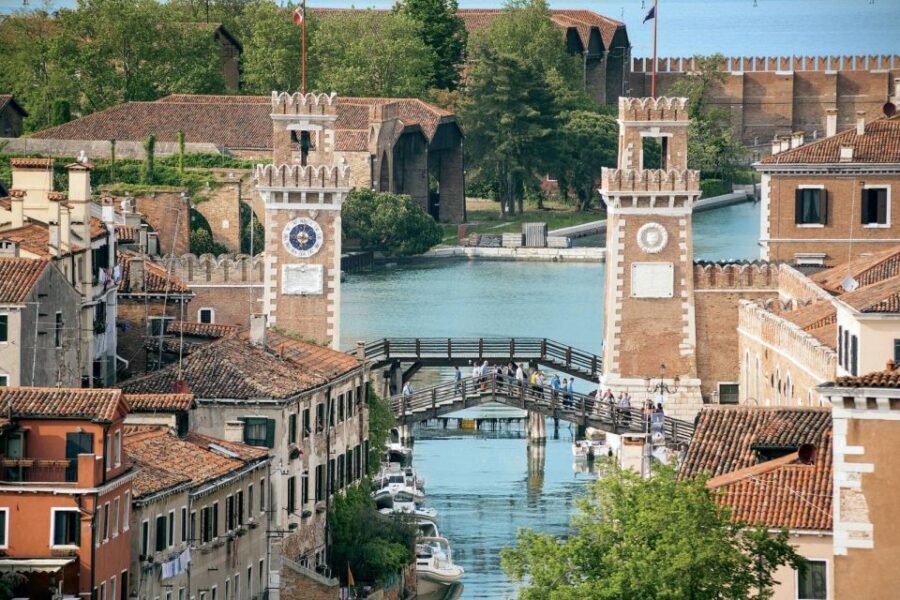
- The Arsenale area connects Venice’s power and labor to the streets people actually walk.
- Via Garibaldi is where you’ll feel the everyday side of Venice, not just sightseeing.
- A long wooden bridge leads you to San Pietro di Castello and its big historical meaning.
St Mark’s Square start: meeting between the two columns
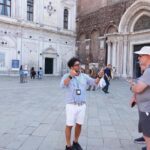
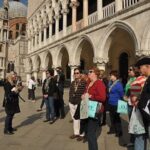
You kick things off in St Mark’s Square, right where most visits begin—but your guide meets you in a very specific spot. You’ll meet between the two columns, so you can orient fast without playing “Where is my group?” the whole time.
From the moment you start, the tour is set up to help you read Venice like a city, not a theme park. St Mark’s Square is the obvious magnet, but this walk uses it as a baseline: you’ll look at it, then you’ll move away from it on purpose.
Also, because it’s a private group, the guide can slow down when you have questions and speed up if you’re eager to keep moving. That matters in Venice, where one pause can turn into a crowd scene if you’re stuck behind slower walkers.
You can also read our reviews of more walking tours in Venice

Riva degli Schiavoni and the Arsenale edge: Venice through work and water
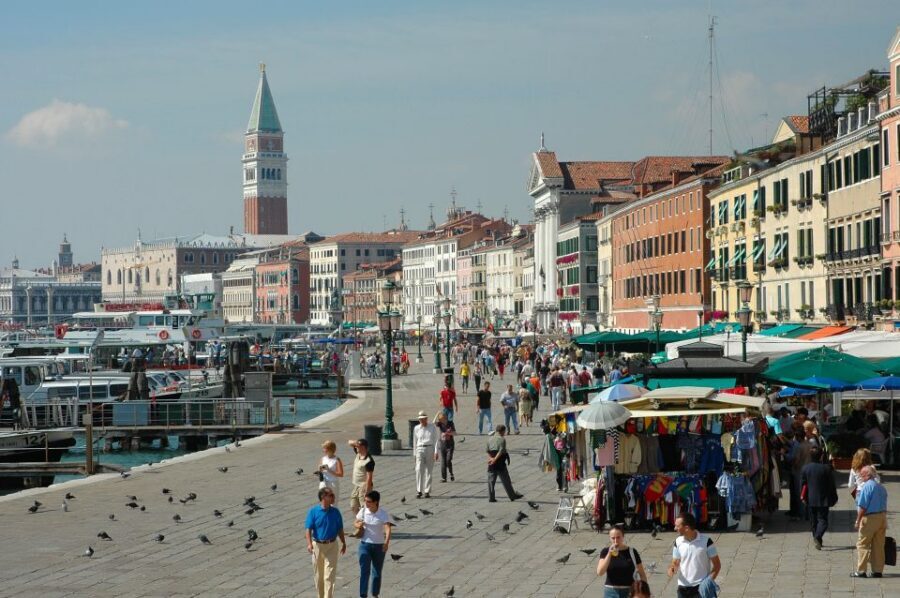
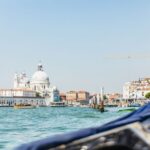
The first major stretch is along Riva degli Schiavoni, a broad waterfront that’s easy to follow and great for first impressions. I like this part because it gives you space to settle in. You get movement plus scenery, and the guide can set the historical frame while you’re still in an open, low-stress walking zone.
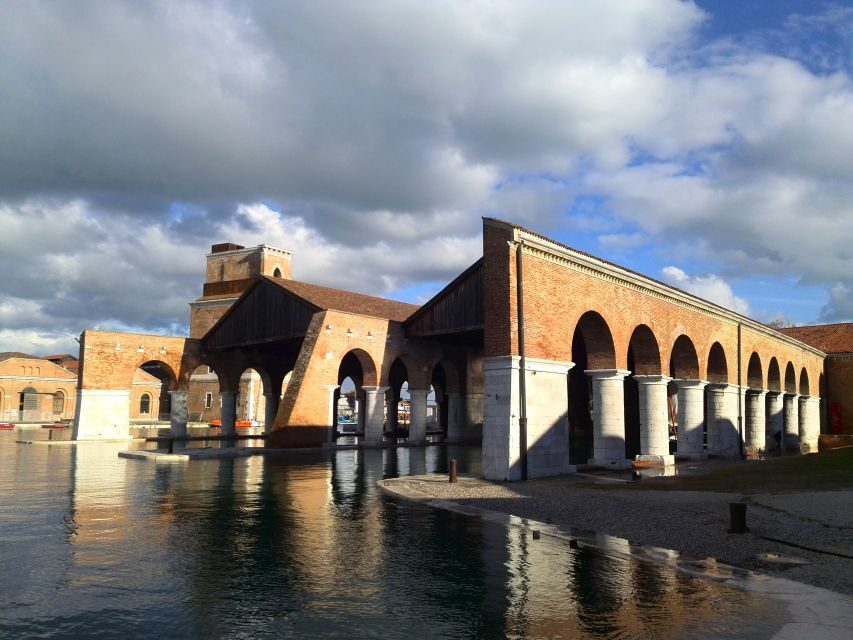
Then you head toward the Arsenale area. This is where the story shifts. Instead of “look at this building,” the focus becomes: who worked here, how the city functioned, and why certain streets feel the way they do.
The Arsenale wasn’t just a landmark. It was a major engine. And that’s why this section works for value: the walk isn’t only showing locations. It’s explaining why Venice developed the way it did. When you understand the labor side, the architecture and street layout make more sense—and the whole city feels less random.
A practical note: this is a walking tour, so you’ll want comfortable shoes. Even if the route is straightforward, Venice’s surfaces can be uneven, and you’ll be on foot for the full two hours.
Via Garibaldi: bars, osterias, shops, and the feel of daily life
After the waterfront, you transition to Via Garibaldi, described as a large street with plenty of bars, osterias, restaurants, and shops. That lineup matters. It means the guide isn’t just pointing at buildings. You’re seeing a corridor where people actually stop, snack, sip, and browse.
I like this stretch because it breaks the classic Venice trap of only visiting places that look “important” from far away. Via Garibaldi is the in-between Venice—the kind you feel when you notice how people move, how they pause, and how a street can be both ordinary and full of character.
This is also where you’ll start getting a sense of the old connection between the Arsenale workforce and neighborhood life. The area is described as popular historically because it housed workers. Even if you’re not walking through museums here, that background gives you a clearer picture of what you’re seeing now: the city’s past is built right into where people gather.
And yes, even in a short tour, the guide’s explanations can make a plain street feel meaningful.
The long wooden bridge to San Pietro di Castello
At the end of Via Garibaldi, you cross a long wooden bridge to reach San Pietro di Castello. This is one of those Venice moments where the route itself becomes part of the experience. The bridge is a physical shift: you’re moving from the street energy toward a place with a stronger religious and historical weight.
San Pietro di Castello is especially interesting because it was the former Basilica of Venice—at a time when San Marco was the Doge’s chapel. That detail helps you see Venice’s religious power structure differently. It’s not just two famous names in the same city. There was a change in status, and the city’s balance of importance shifted.
In other words, this stop isn’t only about a viewpoint. It’s about how Venice re-ordered its symbols over time. When you get that context, you’ll look at the buildings with more logic and less guesswork.
And from what you’ll notice on the ground, this area still has a strong local presence. The tour description points out that locals gather in small squares to chat and enjoy a glass of wine. Even if you don’t plan to sit down for a drink, you’ll see the behavior that makes the place feel lived-in rather than staged.
San Pietro di Castello squares: where the story continues
Once you arrive near San Pietro di Castello, you’re not just in a “sight.” You’re in an area where people have habits. Those little squares matter because they’re where the city’s social life happens in miniature.
The big idea here is that Castello is presented as a working district in the historical sense—especially connected to the Arsenale workers—and that legacy still echoes in where people meet. The tour emphasizes that locals gather to chat and drink wine. That’s not a museum detail; it’s a human one. It’s what turns “history” into something you can almost feel.
I also appreciate that this stop doesn’t demand you stand still and stare at one monument for ages. The walking format keeps you moving through Venice’s spatial logic: how one area hands off to another, how open stretches give way to tighter spaces, and how the social life sits right next to architecture.
One consideration: the tour is noted as not suitable for people with back problems. You’ll be walking for the full duration, and Venice surfaces can be unforgiving. If you have mobility limits, it’s also listed as not suitable for people with mobility impairments.
You can also read our reviews of more private tours in Venice



Back to St Mark’s Square: Basilica and the Doge’s chapel payoff
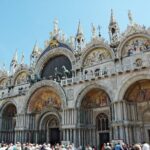
After experiencing Castello’s side streets and waterfront rhythm, you move back to St Mark’s Square. This part feels like the “mirror” to what you just saw. You’ll admire the Basilica and the Doge’s chapel, and now you have a better sense of how Venice’s power and faith were organized—especially with that San Pietro di Castello context fresh in your mind.
When you come to St Mark’s Square second, it usually lands differently. You’re not only seeing what’s famous; you’re comparing it to what you learned about where earlier religious importance sat. That contrast helps you remember the big names without turning the city into a blur of crowded surfaces.
If you’re the type who gets overwhelmed in St Mark’s Square, this is still helpful. A guide can help you focus on what to look for so you don’t waste time scanning aimlessly while the crowd swells.
Timing and walking pace: what two hours really means in Castello
Let’s talk reality: Castello is big, and two hours is a short window. That’s why this tour is best understood as a taste—an efficient way to get a sense of a district that feels more local than the central postcard lanes.
You should plan your expectations around that. You’ll see key areas: Riva degli Schiavoni, the Arsenale direction, Via Garibaldi, the wooden bridge to San Pietro di Castello, and then back to St Mark’s Square for the Basilica and Doge’s chapel.
What’s the advantage of sampling instead of trying to “finish” Castello? You come away with a mental map. You’ll know where the neighborhood energy lives, what streets connect to what historical functions, and what areas are worth revisiting on your own later.
In practical terms, if you’re trying to do a lot of Venice in one day, this is a smart anchor. It also gives you a grounded walking plan you can repeat loosely afterward—returning to a spot you liked rather than wandering randomly.
Price and value: is $166.53 per person worth it?
At $166.53 per person for a private licensed guide over two hours, the cost is in the “pay for guidance and efficiency” category.
So here’s how I’d judge value for your trip:
- If you like context, the guide can make streets like Via Garibaldi and the Arsenale area feel meaningful instead of random. That turns the tour into more than a walk.
- If you’re traveling with someone you want to customize around, private format is often where the money feels justified—especially in Venice, where timing and crowd flow can make or break your day.
- If you’re mostly looking for scenery and don’t care much about historical explanation, you might question the price versus a self-guided walk.
But if you want to leave with a clearer understanding of why Castello feels the way it does—workforce housing, church status shifts, and local gathering spots—this private format is exactly the tool that makes that happen.
Language options also support value. The guide is available in English, German, Italian, Spanish, and French, which helps if you’re traveling in a mixed-language group.
Who this tour suits best (and who should skip it)
This private walking tour is a good fit if you want:
- A practical orientation to Castello without racing through ten miles
- Real neighborhood atmosphere (especially around local squares and the feel of gatherings)
- A structured route that connects waterfront, work history, and historic religious sites
It’s less ideal if:
- You need minimal walking or help with uneven surfaces (it’s listed as not suitable for people with mobility impairments and not suitable for people with back problems)
- You expect to “see all of Castello” in one go. You won’t. Two hours can’t cover a district that large.
If you’re on a first Venice trip, I think it’s a great way to add depth beyond St Mark’s Square. If you’ve already seen the main highlights, it’s a nice way to shift gears toward neighborhood Venice.
Should you book the Venice Castello District private walking tour?
I’d book it if you want a guided, efficient way to understand Castello’s character. The tour hits the big working-and-faith contrast: waterfront and Arsenale connections, the daily street feel of Via Garibaldi, a meaningful transition via the wooden bridge to San Pietro di Castello, and then a smarter revisit to Basilica and Doge’s chapel.
Skip it if your main goal is “cover every corner” or if walking is an issue for you. Also, if two hours feels too short for your style, think of this as a sampler that gives you directions for where to explore next on your own.
In short: if you want Venice with context and local texture, this is a strong use of your time.
FAQ
Where does the tour start?
Start by meeting your guide between the two columns in St Mark’s Square.
Where does the tour end?
This activity ends back at the meeting point in St Mark’s Square.
How long is the tour?
The duration is 2 hours.
How much does it cost?
The price is listed as $166.53 per person.
What is included in the tour?
It includes a private licensed guide and a walking tour.
What languages are the guides available in?
The live tour guide is available in English, German, Italian, Spanish, and French.
Is this tour private?
Yes, it’s described as a private group.
Is the tour suitable for everyone?
It is not suitable for people with back problems or people with mobility impairments.
What sites are covered during the walk?
You’ll explore Castello highlights including Riva degli Schiavoni, the Arsenale area, Via Garibaldi, San Pietro di Castello, and you’ll also visit St Mark’s Square to admire the Basilica and the Doge’s chapel.