REVIEW · VENICE
Venice: Jewish Ghetto Walking Tour with Synagogues Visit
Book on Viator →Operated by Walks In Europe · Bookable on Viator
Venice’s Jewish Ghetto is closer than you think. This small-group tour connects the streets of Cannaregio and the compact ghetto islands to what happened there, with guides from the Jewish Museum for the synagogue time.
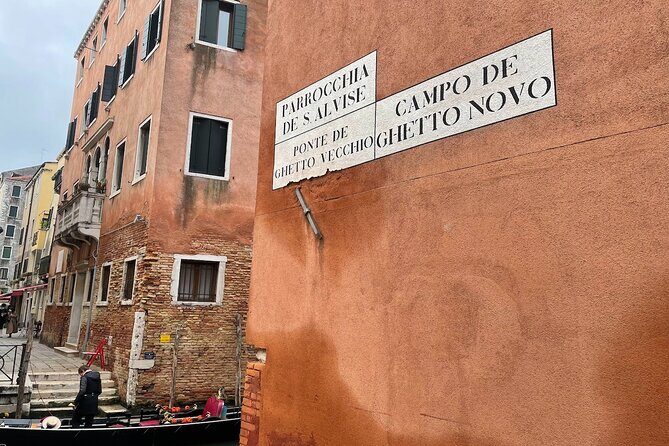
I especially like the stop at Campo del Ghetto Nuovo, where bas-reliefs tell a story most people walk right past. I also like that you get inside the Spanish Synagogue and Levantine Synagogue, not just a look from the sidewalk.
One possible drawback: because the area is small, you can end up with a good amount of standing around while the guide talks—so wear comfortable shoes and plan for cool weather if you’re going in winter.
In This Review
- Key things to know before you go
- Entering the Jewish Ghetto: why this walk lands
- Meeting at Campo di Ghetto Nuovo: quick logistics, real-world fixes
- Ghetto Ebraico and Cannaregio: Hebrew signs and local street life
- Ghetto Vecchio: slow down for the shops and workshops
- Campo del Ghetto Nuovo: the bas-reliefs you’ll remember
- Levantine Synagogue and Spanish Synagogue: the visit that changes the day
- 1) Dress code is required
- 2) The Jewish Museum interior is not part of this stop
- Friday exception
- Napoleon’s gates and the ghetto today: why it still matters
- How long it really feels: standing, hearing, and staying warm
- Price and value: what $88.10 actually buys you
- Who should book this Jewish Ghetto tour (and who might not love it)
- Should you book?
- FAQ
- How long is the Venice Jewish Ghetto walking tour?
- How many people are in the group?
- Is it offered in English?
- What synagogues are included?
- Is the Jewish Museum interior included?
- What should I wear for synagogue entry?
- What if I’m late to the meeting point?
- Can I cancel for a full refund?
- Is there any restriction on what I can bring?
Key things to know before you go
- Jewish Museum-led synagogue visits to the Levantine and Spanish synagogues (interiors are the real payoff)
- Bas-reliefs at Campo del Ghetto Nuovo: a powerful, easy-to-miss detail on the square
- A small max group size (10 people) keeps the tour personal
- A walk through everyday ghetto life today—shops, delis, bakeries, and local signs
- Dress code matters: cover belly, shoulders, and knees for synagogue entry
- Friday note: the Levantine Synagogue visit is not included on Fridays
Entering the Jewish Ghetto: why this walk lands
The Jewish Ghetto in Venice isn’t a big tourist district. That’s the point. You’re covering a tight area—two adjacent islands—so the tour can focus on meaning, not miles. You’ll get the story of why Jews were confined there, how the gates worked, and how the neighborhood holds onto its identity long after those rules ended.
This tour also does a nice balancing act. The first part is street-level history—signs in Hebrew and Italian, the feel of a residential neighborhood in Cannaregio, and the corners most visitors never bother with. Then the second part shifts indoors to the synagogues, where tradition is still visible in the details of the buildings and the way the visit is guided.
You can also read our reviews of more walking tours in Venice


Meeting at Campo di Ghetto Nuovo: quick logistics, real-world fixes
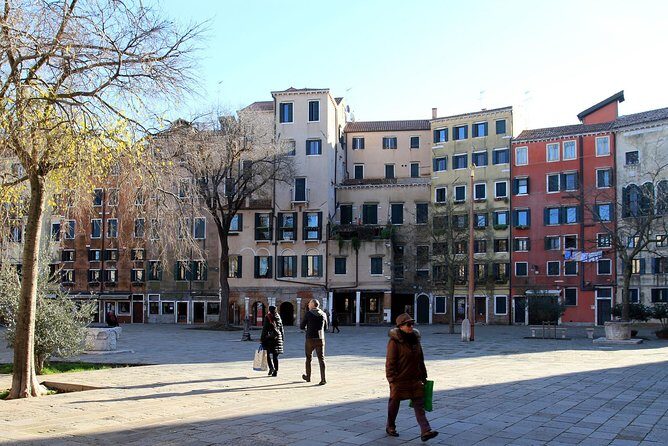
The tour starts at Campo di Ghetto Nuovo, 30121 Venezia VE, Italy. Plan to arrive 5 to 10 minutes early, because the activity isn’t designed for late arrivals—you can’t join once it has started.
This meeting spot sits in the middle of the ghetto area, but Venice navigation can still be tricky. A few people found the directions hard to follow, so I’d rather you do one boring thing well: check your route on your phone the day of, then give yourself extra time. If you tend to wander when you’re excited, add another 10 minutes.
Good news: it’s near public transportation, so you’re not stuck with a complicated transit puzzle.
Also, the group is small (max 10). That helps when you’re trying to hear your guide, line up for synagogue entry, and keep moving without getting separated.
Ghetto Ebraico and Cannaregio: Hebrew signs and local street life
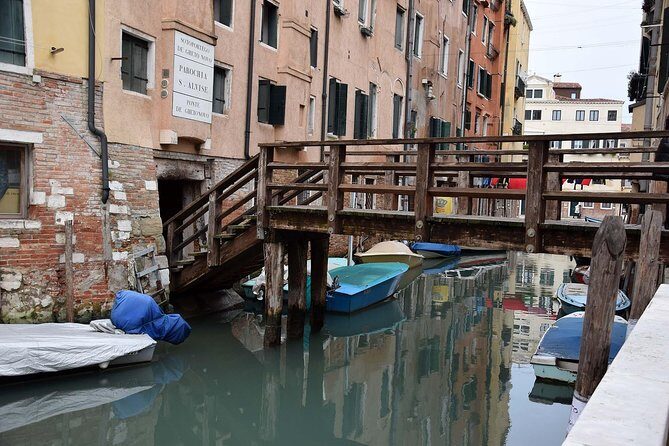
Your first stretch is Ghetto Ebraico, the core area around the ghetto islands. You’ll meet your professional local guide and start walking through the streets of the ghetto and the wider Cannaregio district, which is still largely residential.
One of the practical things you’ll notice right away: you’ll see yellow signs in Hebrew and Italian pointing toward the synagogue areas. That’s not just decoration. It’s a daily reminder that this part of Venice is still shaped by Jewish community life.
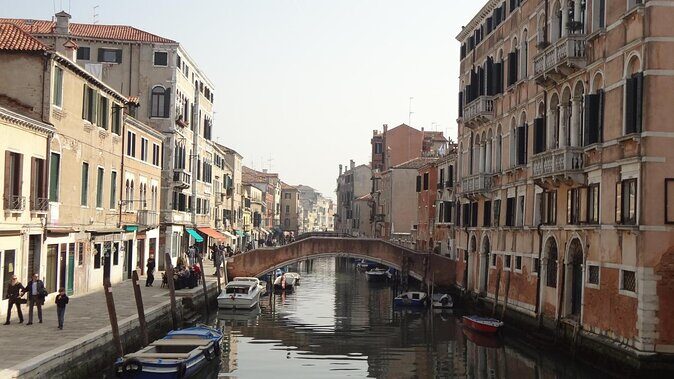
Then you move into Cannaregio’s feel. This is where the tour becomes more than a history lecture. You’re seeing a neighborhood where people live, shop, and work, including artisan workshops, small galleries, and delis in the older ghetto corners.
If you’re wondering what “getting missed by most visitors” really means: it’s this. Most Venice sightseeing shortcuts avoid side streets like these. This one walks you through them with context, so you understand what you’re looking at.
Ghetto Vecchio: slow down for the shops and workshops
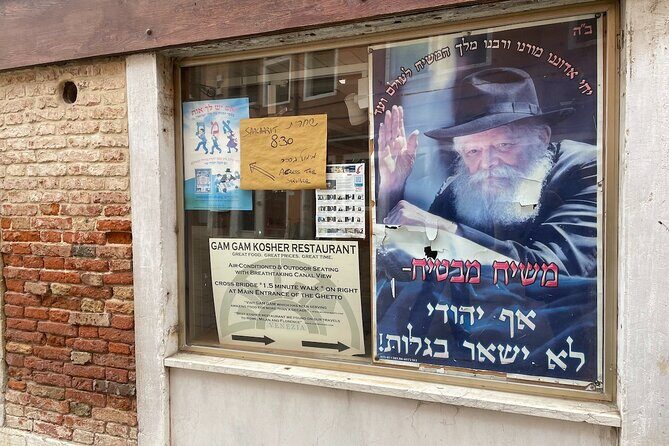
The tour includes time in the Ghetto Vecchio (Old Ghetto) area. This is where the streets feel more like a lived-in city block than a staged attraction. Expect artisan workshops, galleries, local shops, and delis.
This part of the visit is also a good moment to slow your pace. You’re going to be standing later during synagogue explanations, so if you want a calmer rhythm, use this stop to take in details at human speed. Look at storefronts, watch how the streets connect, and notice how the district doesn’t feel frozen in time.
Campo del Ghetto Nuovo: the bas-reliefs you’ll remember
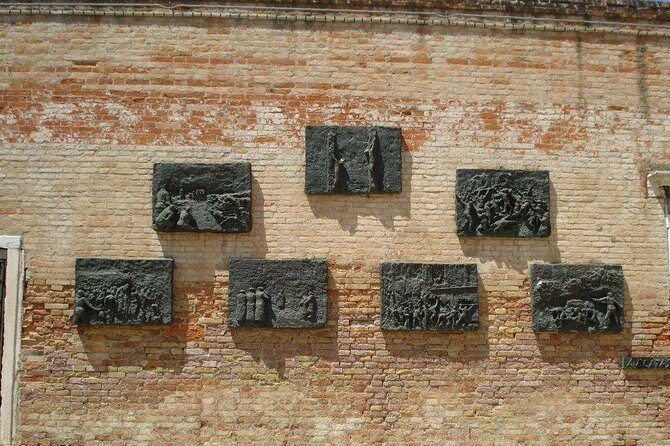
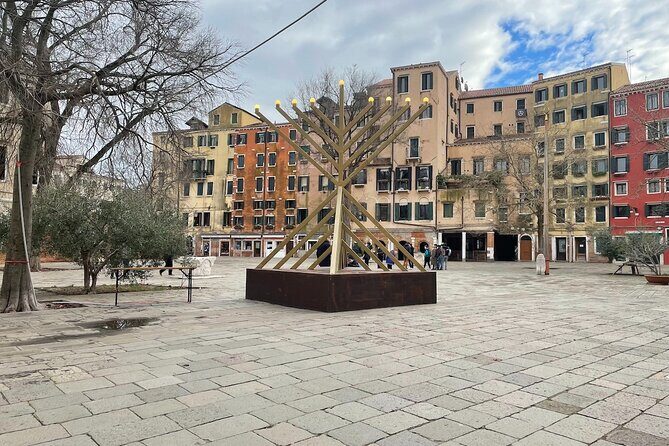
Next comes Campo del Ghetto Nuovo (New Ghetto Square), tied to the fortified island concept from 1516. Your guide explains why Venetian Jews were confined and how the square’s surroundings relate to that period.
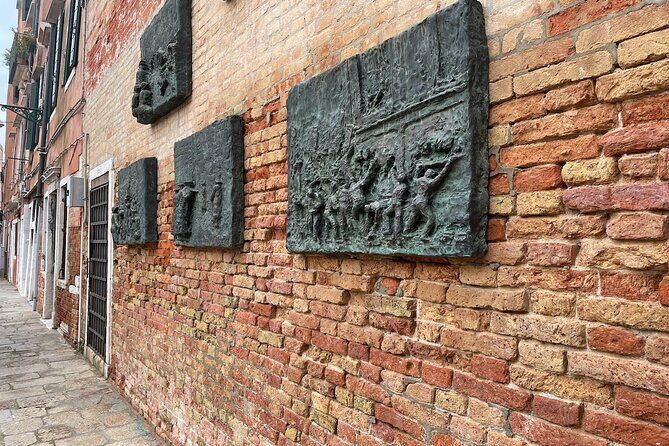
The highlight here is a series of bas-reliefs on the square. These are described as a major point that many visitors miss. I agree with that instinct—these kinds of details get overlooked when you’re moving fast and aiming for the bigger postcard sights. On this tour, you stop, look, and get the meaning. That’s how you end up remembering what you saw, not just that you walked past it.
You’ll also cross past key nearby landmarks tied to the ghetto’s darker chapters, including the Deportation Memorial. This adds emotional weight, and the guide’s job is to keep the tone respectful while still giving you the facts behind what you’re seeing.






Levantine Synagogue and Spanish Synagogue: the visit that changes the day
Now for the part that many people rate as the best piece: inside the synagogues.
Your synagogue visit includes both:
- the Levantine Synagogue
- the Spanish Synagogue
The key point is who guides you once you’re in. This tour uses expert guides associated with the Jewish Museum, and that’s a big deal. A synagogue visit isn’t just architecture; it’s interpretation—how the buildings represent community life and tradition.
Two practical notes matter a lot here:
1) Dress code is required
You’ll need clothing that covers the belly, shoulders, and knee. If you show up in short sleeves and shorts, you’ll be stuck figuring out a fix at the worst moment. Plan ahead.
2) The Jewish Museum interior is not part of this stop
You’re not visiting the Jewish Museum itself. The museum can be under restoration and closed, but the tour’s synagogue access is described as an exclusive opportunity connected to the Jewish Museum guide. So you’re getting the synagogue experience, not the museum building visit.
Friday exception
If you’re booking for a Friday, the tour info says the Levantine Synagogue is not included on Fridays. If you want both synagogues, double-check the day you’re traveling.
Also, your guide provides the synagogue tickets, so you don’t have to hunt them down.
If you’re worried about hearing or understanding the guide once you’re inside, this is another reason to plan your spot in the group early. A couple of visitors mentioned difficulty hearing based on where they were standing earlier in the tour, so arrive on time and try to position yourself where you have a clear line to the speaker.
Napoleon’s gates and the ghetto today: why it still matters
After the synagogue time, the tour continues with how the story changes.
You’ll learn about Napoleon tearing down the gates of the Jewish Ghetto, which—at least legally— granted Jews the right to live anywhere. That’s a huge shift from confinement to possibility, even though the neighborhood didn’t disappear overnight.
Then the tour brings you back to the present-day street reality. Even if only a small percentage of current residents are Jewish, the district still shows Jewish cultural influence through bakeries, restaurants, and handicraft stores. You’re not just learning about what was lost—you’re seeing what survived and what adapted.
Your route ends back near where you started, with time to look at historic buildings and architecture that reflect resilience and identity.
How long it really feels: standing, hearing, and staying warm
The tour is about 2 hours, and because the neighborhood is compact, the pace can feel like “stop, listen, look” more than “walk, see, move.” Some visitors also noted plenty of standing time—especially when it’s cold.
Here’s how I’d plan it:
- Wear shoes you can stand in for a while.
- Bring a layer you can keep on during outdoor stops (venice wind can be sneaky).
- If audio matters to you, don’t hang back. You’ll hear better and you’ll feel less rushed.
Also, because the tour is small, it can be easier to ask questions. That’s a good use of your time. If you have a specific angle—architecture, ritual objects, the deportation memorial period—ask early.
Price and value: what $88.10 actually buys you
At $88.10 per person, this isn’t the cheapest Venice walk. So let’s look at what you’re paying for, and why it can still be good value.
You get:
- a 2-hour guided walking tour
- small-group size (max 10)
- synagogue tour time led by Jewish Museum expert guides
- synagogue tickets provided
- focus on sites most visitors miss, including Campo del Ghetto Nuovo bas-reliefs and memorial context
What you don’t get:
- interior access to the Jewish Museum itself
- the Levantine Synagogue stop on Fridays
- transport to/from the meeting point
If you compare this to doing Venice on your own, the synagogues are usually the hard part—access, timing, and interpretation. This tour is built around getting you into that space with the right guidance, and that can be worth the money if you care about meaning, not just photos.
If you’re mainly hoping to “walk the area and see a couple buildings,” you might feel the price doesn’t match your expectations. But if the synagogues and the square’s details are your priority, the cost starts to make sense.
Who should book this Jewish Ghetto tour (and who might not love it)
This works well if you:
- want a guided explanation of how the ghetto was formed and how it changed over time
- care about Jewish religious and community sites, and want more than a quick exterior look
- enjoy learning in a compact area where context is layered stop by stop
- want a respectful visit to memorial ground
It may not be the best fit if you:
- strongly dislike standing and long pauses in cold weather
- need crystal-clear audio all the time and know you struggle when you’re off to the side of a speaker
- are expecting a lot of walking distance across major Venice landmarks (this tour is focused, not spread-out)
Should you book?
Yes, if you want the Venice Jewish Ghetto story in the places that matter most—the squares, the memorial context, and especially the Spanish and Levantine synagogues with Jewish Museum guidance. The tour’s format is built around meaning in a tight area, which makes it a strong use of a couple hours.
Book with confidence if you come prepared for the synagogue basics (dress code, on-time arrival, and comfortable shoes). If you’re going on a Friday, confirm the Levantine Synagogue detail.
If you want a Venice experience that goes beyond the usual canals and landmarks, this is one of the better ways to do it.
FAQ
How long is the Venice Jewish Ghetto walking tour?
It runs for about 2 hours.
How many people are in the group?
The tour has a maximum of 10 travelers, keeping it small-group.
Is it offered in English?
Yes, the tour is offered in English.
What synagogues are included?
You visit the Spanish Synagogue and the Levantine Synagogue (with a Jewish Museum expert guiding the synagogue visit).
Is the Jewish Museum interior included?
No. The tour does not include an interior visit to the Jewish Museum, and the museum itself may be closed due to restoration.
What should I wear for synagogue entry?
You must wear clothing that covers the belly, shoulders, and knee.
What if I’m late to the meeting point?
You should arrive 5 to 10 minutes early. It’s not possible to join the tour after it has started.
Can I cancel for a full refund?
Yes. You can cancel for a full refund if you cancel at least 24 hours in advance.
Is there any restriction on what I can bring?
The tour notes that carrying any type of weapon or sharp objects (like a knife) is not allowed.
If you tell me your travel month and whether you’re going on a weekday or Friday, I can help you pick the best day and prep for the synagogue visit.