REVIEW · VENICE
Venice: Market and Cooking Class at a Local’s Home
Book on GetYourGuide →Operated by Cesarine · Bookable on GetYourGuide
Venice smells better when you shop first. I like how this experience starts with market-first food shopping and ends with three recipes you actually make, not just watch. The possible drawback: you’re cooking in a small home kitchen, so the pace and space can feel more hands-on than a restaurant class.
This is run through the Cesarina network, a longtime community of certified home cooks that’s been sharing regional Italian cooking since 2004. You’ll eat what you make, with wine included, which turns it from a demo into a real meal with a reason behind every ingredient.
In This Review
- Key things that make this cooking class work
- The Cesarina concept: why the market comes before the stove
- Market time with your Cesarina: what you’ll learn while you walk
- From sidewalk to home kitchen: what “shared class” really means
- The three Veneto recipes: how you turn lessons into meals
- Tastings and wine at the table: why the meal matters
- Timing, pacing, and what to do with your day in Venice
- Value check: is $246.96 per person worth it?
- Who this tour fits best (and who should skip it)
- Should you book this Venice market and cooking class?
- FAQ
- FAQ
- How long is the cooking class and market visit?
- How big is the group?
- What languages is the instructor available in?
- What’s included in the price?
- What time does the market visit start?
- What meeting point should I use?
- Is dietary needs accommodation available?
- Is there free cancellation?
Key things that make this cooking class work
- Cesarina-led market shopping: learn what to buy and how to spot good produce in an Italian local market
- Small-group shared cooking: limited to 10 people, so you’re not stuck as a spectator
- Three recipe focus: you get repeatable skills, not just one-off tips
- All ingredients and tools provided: workstation comes set up for your dishes
- Tasting at the table with wine: your work turns into lunch (or an early dinner)
- Home setting and local neighborhood route: you get food plus context, like seeing artisan shops along the way
The Cesarina concept: why the market comes before the stove
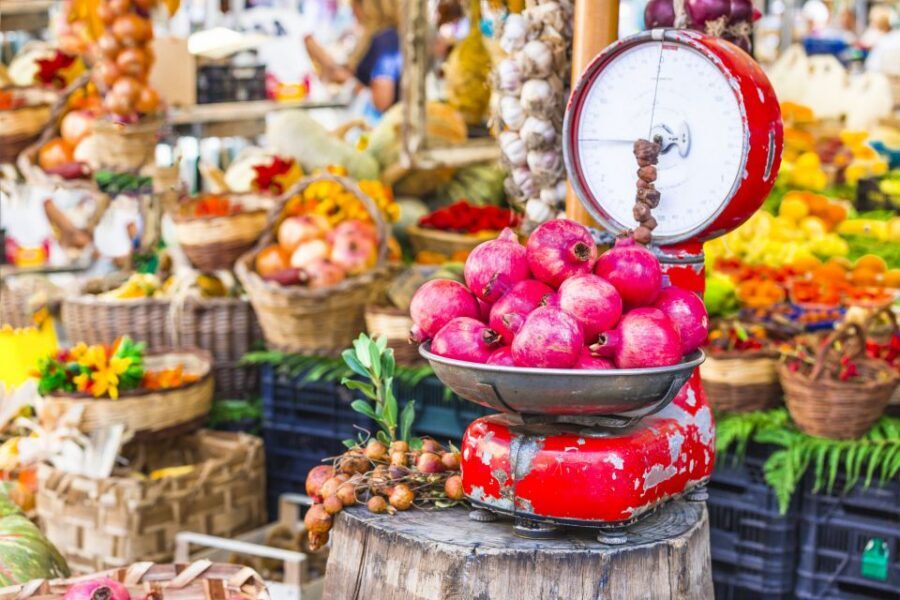
What I like about this setup is simple: you don’t start by grabbing a recipe. You start by walking through a local market with your Cesarina and learning how Italians choose ingredients. That order matters. When you understand why something is bought today, you cook it differently at home later.
The Cesarine (the home cook you’ll meet) is also the person teaching you in their home. That gives the day a more personal shape than a studio class. You’re not just learning techniques—you’re absorbing habits: how produce is handled, how flavors get built, and how a family-style meal flows from appetizer to pasta to dessert.
The price point isn’t low, but it’s not random either. You’re paying for a certified host, market guidance, a shared cooking session, and a full tasting meal with beverages (including wine), all within a 4-hour experience. For Venice, that combination is usually what makes the cost feel easier to justify.
You can also read our reviews of more shopping tours in Venice


Market time with your Cesarina: what you’ll learn while you walk
Most classes start around 9:00 AM for the morning option, or around 4:00 PM for the afternoon option, depending on what you book and what fits your needs. Either way, the market visit is built around recognition—how to choose good seasonal items and how to think like a cook.
In one version of this experience, the route included extra neighborhood texture before you hit the food stalls. The Cesarina pointed out interesting local scenes, including an artist area, and even stopped by small workshops such as glass and painting shops before arriving at the market for items used in the meal. Even when your route differs, you can expect that same idea: food shopping plus local context, guided by someone who actually lives there.
Practical tips for market time:
- Bring comfortable shoes. You’ll likely be walking through uneven surfaces and crowded stalls.
- Go with curiosity. Ask what’s best right now and what they’d choose if they were cooking for family.
- Think seasonal. The whole lesson is meant to tie flavors to what’s available in Veneto.
You don’t just buy ingredients. You learn how to recognize quality, which is the part that tends to pay off months later when you’re shopping at home.
From sidewalk to home kitchen: what “shared class” really means
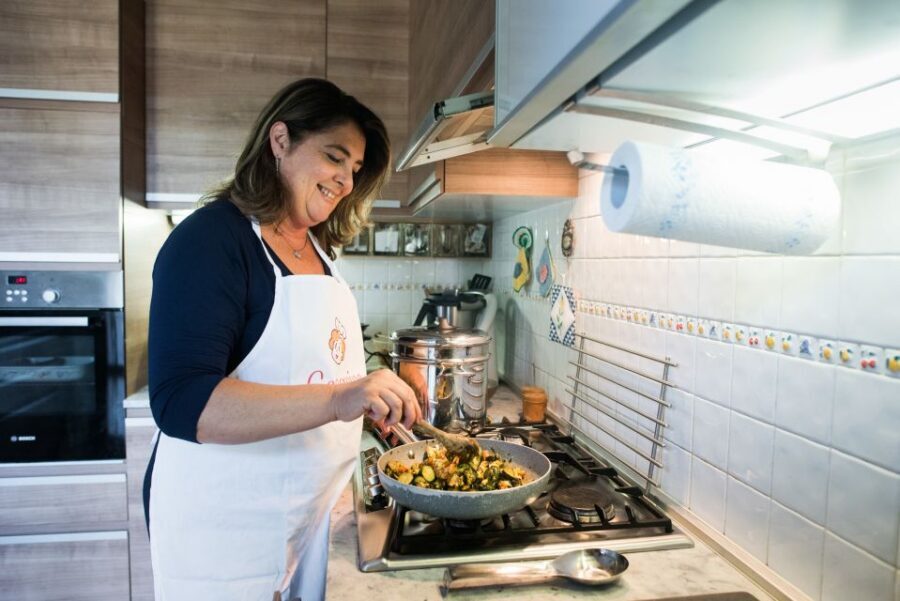
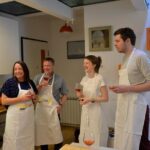
Once you leave the market, the day pivots to the Cesarina’s home kitchen. The group stays small—10 participants max—so you’re working with your hands instead of watching from a distance.
You’ll get a workstation with the utensils you need, plus all ingredients for the dishes. That’s a quiet but important detail. It means you’re not hunting down specialty items, and you’re not stuck figuring out how the kitchen is set up. You step in and cook.
Because it’s a shared cooking class, you’ll likely rotate tasks: chopping, assembling, shaping, mixing, plating. That creates two wins:
- You learn more than one technique.
- You don’t spend the whole time waiting.
You may also notice how your Cesarina runs the kitchen. In one class, the host walk-through style included clear neighborhood talk, then a smooth shift into cooking. In another, the cook and companion paired competence with a friendly attitude, which makes it easier to relax and jump in. The best sign here is that the teaching is in English and Italian, so you can follow what matters even if your Italian is basic.
The three Veneto recipes: how you turn lessons into meals
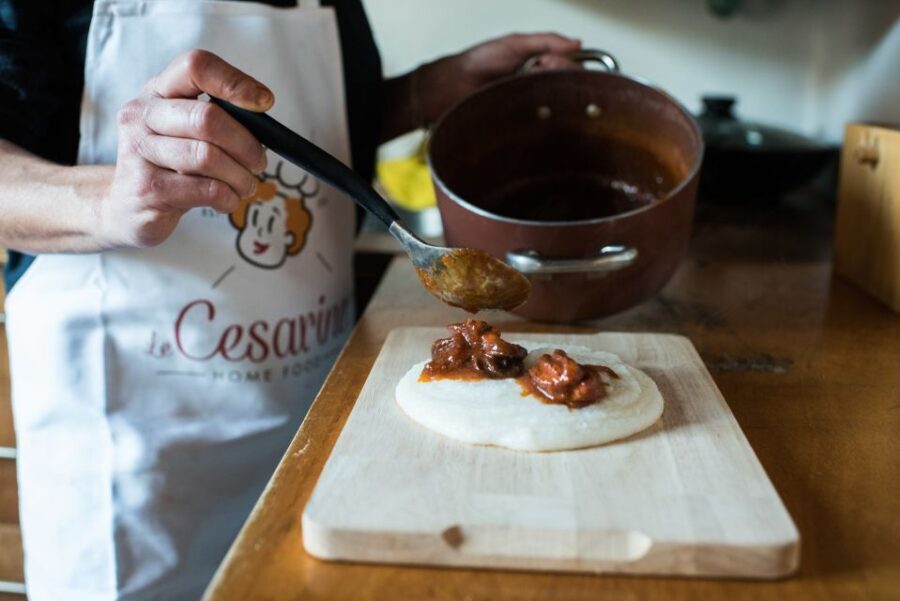
This experience is built around 3 authentic local recipes. The exact menu can vary with season and the Cesarina’s choices, but the structure is consistent: your host explains the tricks of the trade, and you cook each dish with tastings built in.
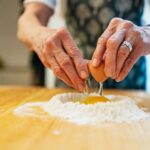
In one memorable menu, the dishes included tiramisu and a pasta course made from scratch, with a red sauce featuring artichokes. That’s the kind of pairing that shows you what local cooking does well: dessert that’s classic and satisfying, plus a main course that depends on fresh produce rather than shortcuts.
You can expect the lesson to focus on:
- Technique steps you can repeat: mixing, timing, and assembly points
- Flavor logic: why one ingredient is added early and another at the end
- Family-style pacing: cook, taste, adjust, then move to the next dish
If you’re the type who loves learning through doing (not just reading recipes), this part is where the value shows. You’ll walk away with a clearer mental map of how Italian flavors come together.
Tastings and wine at the table: why the meal matters
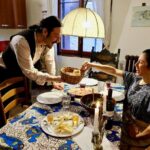
The most underrated feature of this tour is the ending: you taste everything you prepared, around the table, with local wines included. For me, that’s where the class becomes real rather than educational.
You’ll also have water, coffee, and wine as part of the experience, along with local taxes. It’s not a tiny sip-and-smile moment. The format is meant for eating the work you did, in a setting that feels like a home meal.
A few ways this helps you as a cook-in-training:
- You learn how the dish should taste at the finish, not just right after you make it.
- You can compare what you thought you were doing to what the final texture and balance actually become.
- You get a natural chance to ask questions while everyone’s relaxed and eating.
And yes, it’s also a great way to connect with your host and group. Small classes tend to feel more like shared lunch than a performance.
You can also read our reviews of more tours and experiences in Venice



Timing, pacing, and what to do with your day in Venice
The total duration is 4 hours, and the activity ends back at your meeting point. That makes it easier to plan around other Venice plans. You’re not committing your entire day, but you also get enough time for market shopping and a full cooking-and-eating session.
For timing:
- Morning classes often align with a 9:00 AM market start.
- Afternoon classes often align with a 4:00 PM market start.
- The market start time is flexible based on requirements, especially if you notify the provider in advance.
Because you’re moving between locations and spending time cooking and eating, I’d treat this as a “main event” block. It’s tough to squeeze a lot of other heavy activities into the same window.
What to pair it with:
- If you love food walks, add a lighter sightseeing plan right after so you’re energized, not rushing.
- If you’ve got a museum or big landmark plan, schedule it on another day. This class uses time well, but it isn’t a quick stop.
Value check: is $246.96 per person worth it?
Let’s talk money without hand-waving.
At about $246.96 per person for a 4-hour experience, you’re paying for a lot of real-world labor and ingredients. You’re not just paying for instruction; you’re paying for:
- A market visit with a local home cook guiding choices
- A shared cooking class in a real home kitchen
- Tastings of 3 recipes
- Wine plus coffee and water
- A kitchen setup with utensils and all ingredients
- Local taxes included
If you’ve taken cooking classes that were basically a tasting with minimal hands-on work, this feels different because you’re cooking and eating what you make. Also, Venice is expensive, and private food experiences tend to price accordingly—especially when they include wine and a proper meal.
Where the value really shows is in what you bring back: skills. Instead of collecting souvenirs you’ll forget in a drawer, you take away a method you can use when you buy produce and build recipes at home.
Who this tour fits best (and who should skip it)
This works best if you:
- Want a local-food experience that’s hands-on
- Like market shopping and learning what to look for
- Enjoy sitting down to eat what you cooked
- Prefer small groups (10 people max)
- Want a structured way to learn Italian regional flavors
You might choose something else if:
- You prefer purely sightseeing or purely “hands-off” tours
- You don’t enjoy cooking actively in a shared kitchen environment
- You’re looking for a quick snack stop rather than a full lesson-meal combo
If you’re traveling with dietary needs, your Cesarina can cater to different requirements, but you’ll need to confirm details directly with the provider after booking. That’s a good sign for flexibility—just don’t assume it’s automatic without checking.
Should you book this Venice market and cooking class?
Yes, if you want a Venice experience that feels like food culture, not just photo culture. The combination of market guidance, shared cooking, and eating the results with wine is exactly what makes this kind of class memorable.
Book it if your goal is practical learning—how ingredients and technique work together—plus a relaxed meal in a small group setting. Skip it only if you’re strictly aiming for major landmarks on a tight schedule or you don’t want any part of the day to involve cooking tasks.
FAQ
FAQ
How long is the cooking class and market visit?
The experience lasts about 4 hours.
How big is the group?
It’s a small group limited to 10 participants.
What languages is the instructor available in?
The Cesarina/instructor can teach in English and Italian.
What’s included in the price?
You get the local market visit with your Cesarina, a shared cooking class, tastings of the 3 local recipes, beverages (water, wines, and coffee), and local taxes.
What time does the market visit start?
The market tour usually starts at 9:00 AM in the morning or at 4:00 PM in the afternoon, but it can be flexible based on your needs if you notify the provider in advance.
What meeting point should I use?
After booking, you’ll be contacted to arrange a meeting point based on your needs and dietary requirements. The tour ends back at the meeting point.
Is dietary needs accommodation available?
Your Cesarina can cater to different dietary requirements, but you’ll need to confirm details directly with the local tour provider after booking.
Is there free cancellation?
Yes. You can cancel up to 24 hours in advance for a full refund.