Venice feels bigger when someone shows you the side streets. This 2.5-hour, small-group walk uses a licensed local guide to bring the city’s alleys, squares, and bridges to life with stories you won’t spot on a standard checklist.
I especially like the focus on quiet viewpoints away from the heaviest flow, plus the way the guide connects ordinary-looking spots to legends and curiosities (including palace and bridge lore). The main drawback: it’s a walking tour with short stops, so you won’t have time to linger long in any single place if you like to slow-walk and study every detail.
In This Review
- Quick hits: why this walk works
- A Venice tour that feels like local timing, not a rush
- Price and time: where the $58 value comes from
- Where you meet: Santa Lucia, the Beescover sign, and fast start energy
- The route begins: from Santa Lucia to Campo San Geremia
- Jewish Ghetto photo pause and Fondamenta de le Capuzine
- Calle de l’Anconeta and the rhythm of narrow streets
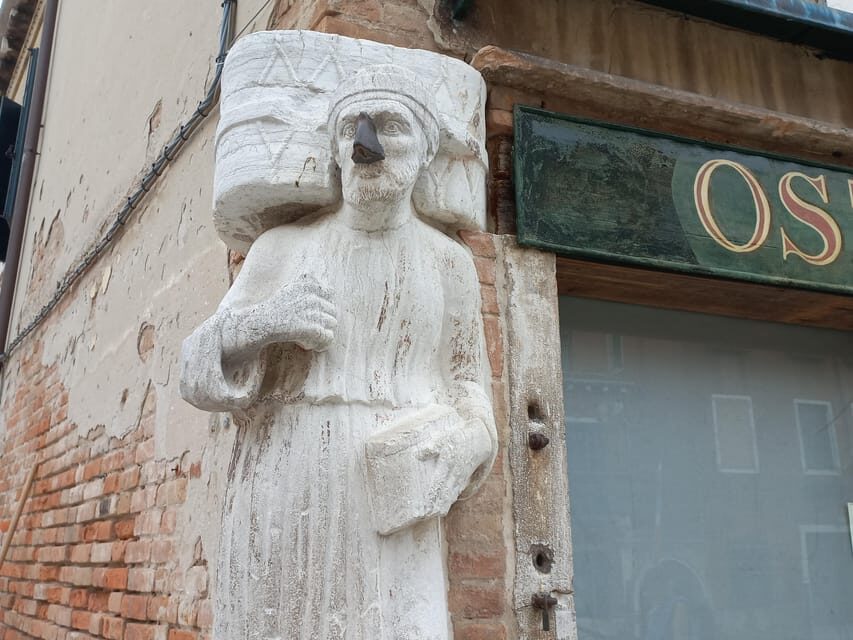
- Campo dei Mori and the scenic photo stops that break up the walk
- Secret stops, then Ponte Chiodo: why the bridges matter here
- Final corners: Calle Varisco and the Santi Giovanni e Paolo finish
- What to notice during the walk (so you get more than photos)
- Who this tour is best for
- Should you book this Venice secrets-and-streets walk?
- FAQ
- How long is the Venice small-group walking tour?
- Where does the tour start?
- Where does the tour end?
- How much does the tour cost?
- What language is the guide?
- Is it a walking tour?
- What should I bring?
- How do I recognize the correct guide at the meeting point?
- Is there free cancellation?
- Is there a reserve now & pay later option?
Quick hits: why this walk works
- Small-group format helps the guide keep things personal and answer your questions.
- Licensed local storytelling turns street corners into context you can actually remember.
- Photo stops built in so you can capture Venice angles without sprinting between sights.
- Jewish Ghetto and other lesser-noticed areas get their moment on the route.
- Real walking rhythm: frequent short visits instead of one long stop that kills momentum.
- Ends at the Santi Giovanni e Paolo area, a satisfying finale for your last photos.
A Venice tour that feels like local timing, not a rush
What I like about this experience is the mindset. You’re not just moving from big landmark to big landmark. You’re walking with an expert who steers you toward the small spaces where Venice reads like a lived-in city.
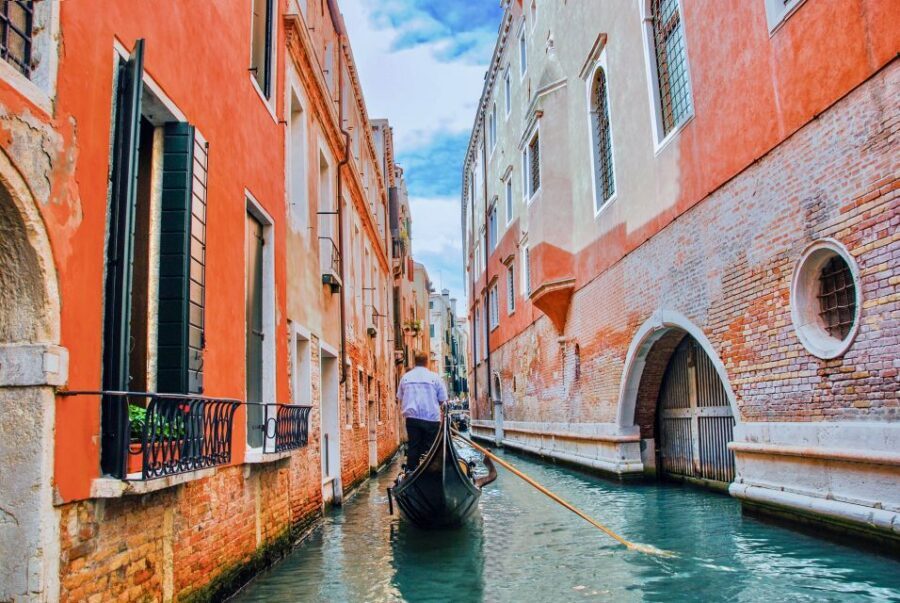
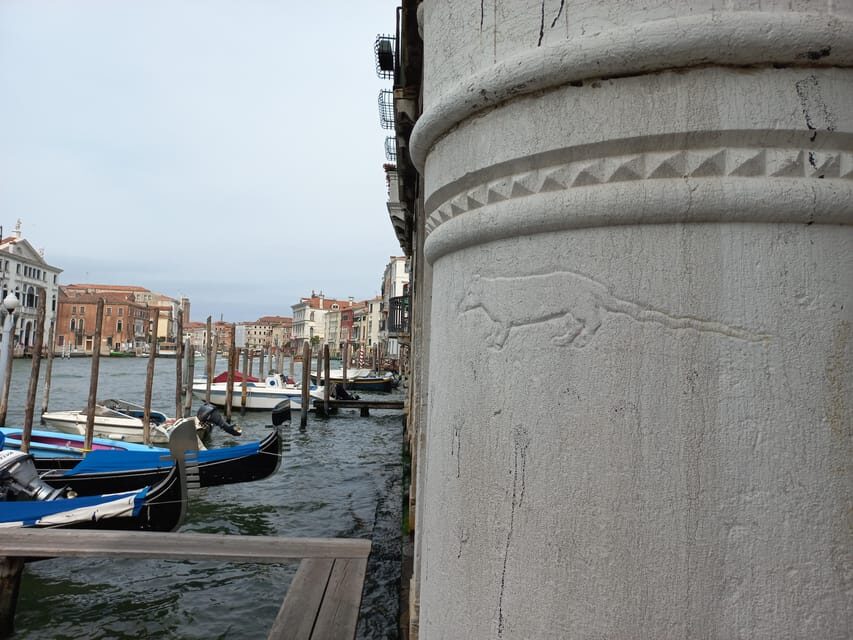
The tour is explicitly designed around hidden corners, mysterious corners, secret squares, and the kind of details people miss when they’re hunting for famous facades. That matters because Venice can overwhelm you fast. Streets look similar. Bridges blur together. A guide gives you mental anchors: why that spot matters, what to look for, and what story is attached to it.
It’s also an outdoor walking tour, so you get the city the way it’s meant to be experienced: on foot, in changing light, with constant street-level perspective. If you’ve ever felt like Venice becomes a blur of postcards, this format is a good reset. And if your pace is average, the 2.5-hour duration keeps you moving without turning the outing into an all-day endurance test.
You can also read our reviews of more walking tours in Venice

Price and time: where the $58 value comes from
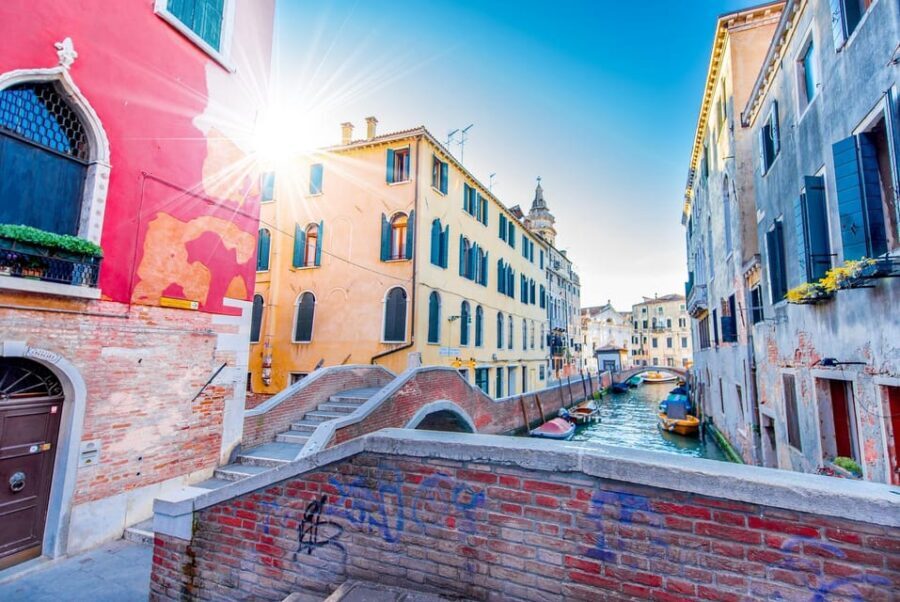
At $58 per person for about 2.5 hours, you’re paying for two things: a licensed guide and a route designed to make your feet do something useful. In Venice, a well-planned walking tour can be better value than transportation-plus-museum tickets, because you’re buying interpretation of a place where the “museum” is the street itself.
This isn’t a long tour, so you won’t get every corner of Venice. But you do get a tight selection of named spots, plus multiple photo stops and a couple of “secret stops” along the way. The result is a good balance for a first visit or a mid-trip day when you still want plenty of time left for exploring on your own afterward.
Languages are English, Italian, and Spanish, so you’re not stuck with a partial explanation. That alone can make a big difference for understanding the legends and curiosities behind what you’re seeing.
Where you meet: Santa Lucia, the Beescover sign, and fast start energy
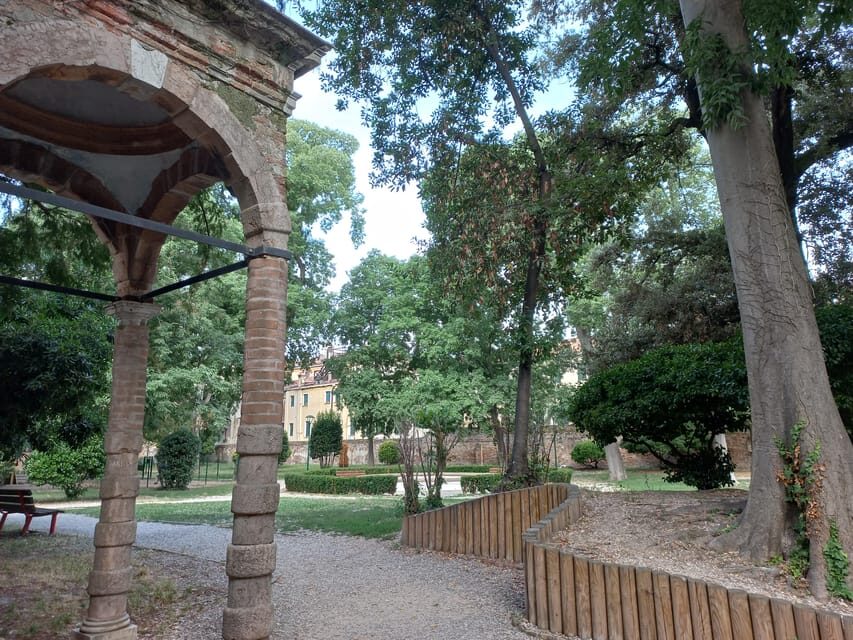
The meeting point is Stazione di Venezia Santa Lucia. The guide will be in front of the station and will show the Beescover sign. If you’re coming in by train, you’re starting in the logical place and not spending the morning crossing the city just to begin.
One small detail I think is worth noting: the guide wears an identification badge issued by the Italian Ministry of Tourism and also shows a Beescover flyer. That’s your quick confirmation you’ve found the right person and the right tour.
Practical advice for the start: wear comfortable shoes. Venice punishes bad footwear, fast. Bring water too, especially if your day runs warm. This is an outdoor walk, and even if the tour isn’t long, you’ll still cover real ground.
The route begins: from Santa Lucia to Campo San Geremia
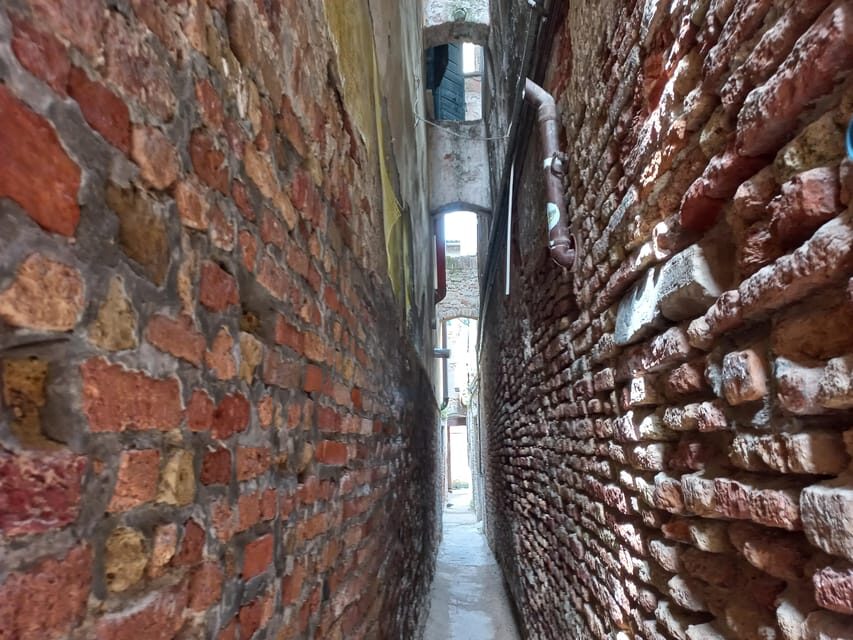
You start at the station and then head into the maze. The first part is about getting your bearings quickly—Venice has a way of making you feel lost even when you’re only a few minutes from where you began.
After the initial introduction, you’ll make your first short visit (about 10 minutes), then move to Campo San Geremia for another stop. Think of this as the tour’s early “orientation” stretch: you get your first stories, your first look at how the city’s squares and lanes connect, and a sense of the guide’s style—short, focused, and story-driven.
If you’re the type who likes to know what you’re looking at, this early structure is helpful. If you’re more of a wandering type, you’ll still benefit because the guide gives you a mental map of Venice as you go.
Jewish Ghetto photo pause and Fondamenta de le Capuzine
Next up, you’ll reach the Jewish Ghetto, Venice area. Expect a photo stop and a short visit (about 10 minutes). Even when you’re only stopping briefly, having a guide matters here because you’re not just taking pictures—you’re learning context for the place by the way the guide frames the story.
From there, you’ll continue to Fondamenta de le Capuzine. This is another guided visit segment, also about 10 minutes. Locations like this are exactly why the tour works: the route mixes quiet stretches with meaningful stops, so your eyes don’t only chase the most photographed buildings.
What you should take away from this stretch: the guide isn’t treating Venice like a theme park. The pacing is meant to slow you down just enough to notice details and absorb a few legends—ancient palaces, bridges, and iconic city symbols show up again and again through the stories you hear.





Calle de l’Anconeta and the rhythm of narrow streets
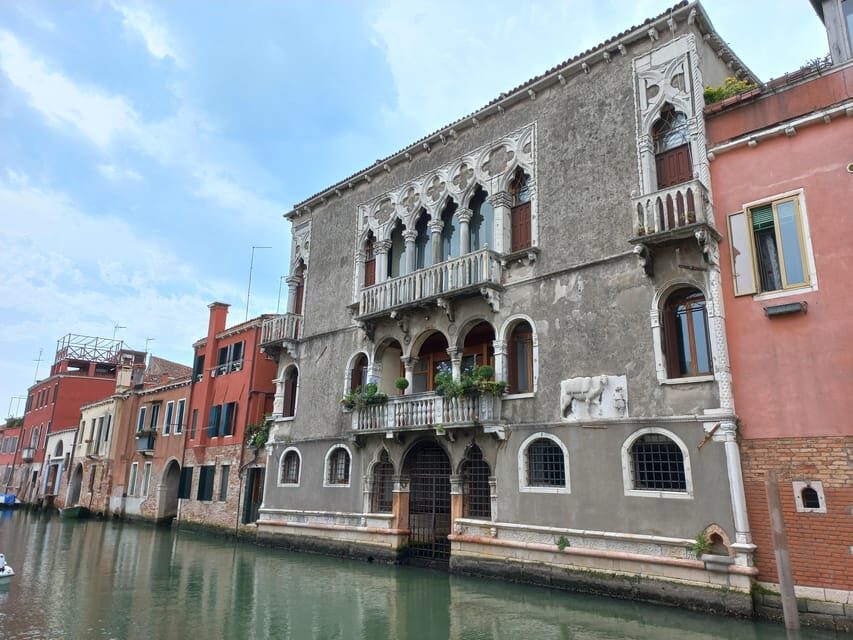
Then comes Calle de l’Anconeta, another stop designed for a brief but memorable window into Venice’s street life. After that, the tour adds a photo stop at a “hidden gem” point, then continues with more short, targeted sightseeing.
This is a key part of the experience. Venice’s narrow streets can look similar if you’re rushing. But with a guide, each lane feels like it has a reason: a legend, a curiosity, a symbolic detail, or a view worth pausing for. You’re not just walking—you’re being coached on how to see.
A small note on expectations: because the stops are around 10 minutes each, you’ll want to stay mentally ready for frequent camera moments. If you like to shoot photos without interruptions, this tour is still manageable, but you’ll move with the group.
Campo dei Mori and the scenic photo stops that break up the walk
You’ll hit Campo dei Mori for another photo stop and short visit (about 10 minutes). Squares like this are great for resetting your eyes. They also give the guide a chance to point out the kind of views you might not find by instinct.
After Campo dei Mori, you’ll keep moving through another “hidden gem” photo stop and visit, again around 10 minutes. The pattern matters: short bursts of walking, short bursts of attention, short bursts of photos. That rhythm helps you stay energized without feeling like you’re constantly late to the next moment.
If you’re trying to avoid the heaviest crowd pressure, the value is that the route is designed to put some of your time into less predictable angles. You’ll still be in Venice, so there’s no total crowd escape, but the emphasis is clearly on away from the crowds viewing and on finding those quieter scenes between the well-trodden routes.
Secret stops, then Ponte Chiodo: why the bridges matter here
Later, you’ll reach a stretch described as a secret stop with a photo stop, visit, and scenic views on the way (about 10 minutes). Then you’ll have another secret stop with a photo stop and scenic views.
This is where the tour’s theme really shows up: legends and curiosities tied to street corners and structures. Venice is a city of transitions—water to stone, alley to square, foot to bridge—and the guide uses those transitions to build the story thread.
Then comes Ponte Chiodo, another photo stop and short visit (about 10 minutes). A bridge stop is never just about the bridge. It’s usually about perspective—how the city frames itself through water, angles, and sightlines. If you like photography, this is a strong payoff point because you’re guided to viewpoints and given a reason to stop besides just wanting a pretty shot.
After Ponte Chiodo, the tour heads into Strada Nova for another guided visit segment (about 10 minutes). Strada Nova is the kind of street name that signals a shift toward broader views and a slightly different pace in the experience, even if you still stay in walking distance.
Final corners: Calle Varisco and the Santi Giovanni e Paolo finish
As you near the end, you’ll go to another hidden corner area, then to Calle Varisco for a photo stop and short visit (about 10 minutes). If you’ve been paying attention to the guide’s stories about iconic symbols and the city’s bridge and palace lore, these last turns feel like a closing montage—small spaces, interesting details, and angles designed for your camera.
Your tour finishes at Basilica dei Santi Giovanni e Paolo. You may also hear the tour described as ending at Campo Santi Giovanni e Paolo, since the basilica and the surrounding area function as one practical meeting point for the wrap-up.
Either way, the finale is a helpful “bookend.” After 2.5 hours of learning how to look, you end at a landmark that gives you a sense of completion and a natural spot to pause, regroup, and decide what you want to explore next on your own.
What to notice during the walk (so you get more than photos)
I think this tour is at its best when you let it teach you a way of seeing. The guide isn’t only naming places. The stories are built around legends, curiosities, and often-overlooked details—ancient palaces, bridges, and symbols that connect different parts of the city.
Here are a few habits that make the tour pay off:
- Watch for what the guide points to, not just what you already recognize from photos online.
- Take your time during photo stops, but keep moving when the group does. Venice street corners reward momentum.
- Ask questions when something sparks your curiosity. Small-group formats are best for that back-and-forth.
- Use the short visits to get oriented, then use your own time later to wander with confidence.
One extra plus: I’ve seen examples of guides like Julius and Giulia being praised for going out of the way to help, with Julius particularly noted for showing little things that would’ve been missed, and Giulia noted for adapting on the spot while staying pleasant and professional. That kind of responsiveness is exactly what you want in Venice, where conditions and your own interests can change quickly.
Who this tour is best for
This one fits well if:
- You want a first or early-mid Venice day that teaches you how to navigate visually.
- You prefer walking + stories over museum-style sightseeing.
- You like photo opportunities but don’t want to spend your day constantly hunting them down.
- You enjoy legends and curiosity-driven explanations tied to streets and structures.
If you want an itinerary that’s packed with long, sit-down museum time, this won’t feel like that. It’s built for moving, pausing, and learning quickly—then letting Venice stay yours afterward.
Should you book this Venice secrets-and-streets walk?
I’d book it if your goal is to see Venice with better context and fewer wasted minutes. For $58 and 2.5 hours, you get a licensed local guide, a small-group pace, and a route designed for off-main-route viewpoints and story-led stops.
Skip it if you strongly prefer long stays in a single location or if your ideal Venice day is mostly independent wandering without guide direction. The tour is short-burst by design, so you’ll get the most value if you’re willing to follow the rhythm.
If that sounds like you, this is a smart, high-signal way to experience the parts of Venice that don’t announce themselves from a distance.
FAQ
How long is the Venice small-group walking tour?
The tour lasts about 2.5 hours.
Where does the tour start?
You meet in front of Venezia Santa Lucia train station in Venice.
Where does the tour end?
The tour ends at Basilica dei Santi Giovanni e Paolo (in the Campo Santi Giovanni e Paolo area).
How much does the tour cost?
The price is $58 per person.
What language is the guide?
The tour is offered with a live guide in English, Italian, and Spanish.
Is it a walking tour?
Yes. It’s an outdoor walking tour.
What should I bring?
Bring comfortable shoes and water.
How do I recognize the correct guide at the meeting point?
The guide shows the Beescover sign. The guide also wears an identification badge issued by the Italian Ministry of Tourism and shows a Beescover flyer.
Is there free cancellation?
Yes. You can cancel up to 24 hours in advance for a full refund.
Is there a reserve now & pay later option?
Yes. You can reserve now and pay later.