REVIEW · VENICE
Venice: Tickets to Negozio Olivetti
Book on GetYourGuide →Operated by FAI - Fondo Ambiente Italiano · Bookable on GetYourGuide
Staring at design details makes the city feel new. Negozio Olivetti is a small, high-impact visit where Carlo Scarpa’s contemporary architecture meets the brand story of Olivetti typewriters and calculators. I like that you’re not just looking at objects; you’re studying how space, light, and materials were engineered to communicate cultural values in a historic setting. I also like the restored 1957–58 showroom setup, brought back for public viewing in 2011 after a 2010 restoration.
One possible drawback: the space is compact, so if entry timing doesn’t feel as strictly spaced as you expect, it can get crowded quickly inside. The visit is built for a small group experience, but you’ll want to be ready to share the room.
In This Review
- Key things to know before you go
- Carlo Scarpa’s Olivetti Corner in St. Mark’s Square
- From the Procuratie Colonnades to the Inside Architecture
- What the 1957–58 Showroom Lets You See
- Light, Materials, and the Challenge Scarpa Took On
- How the FAI and Olivetti Story Connect
- Audio Guide: Use It Like a Tool, Not Background Noise
- Small Group Size Meets a Small Space
- Simple Rules That Keep the Focus on the Design
- How Long Is It, and How Should You Plan Your Day?
- Who This Visit Is Best For
- Price and Value: Is $11 Worth It?
- Should You Book Negozio Olivetti?
Key things to know before you go
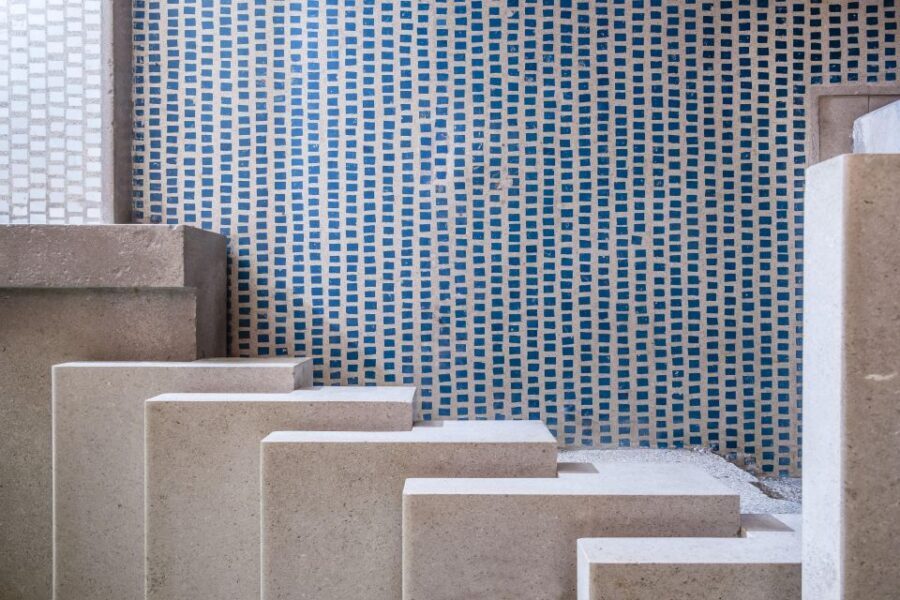
- Carlo Scarpa’s design turns a corner premise into a masterclass of light, volume, and material choices
- Original 1957–58 Olivetti showroom is presented in a carefully restored interior (opened to the public again in 2011)
- FAI stewardship: the property is owned by FAI and entrusted in concession by Assicurazioni Generali
- Audioguide in Italian and English helps you read what you’re seeing without rushing
- Temporary exhibitions can adjust the interior in some parts of the year
- Small space rules keep the focus on the architecture—no food/drinks, no flash, no touching
Carlo Scarpa’s Olivetti Corner in St. Mark’s Square
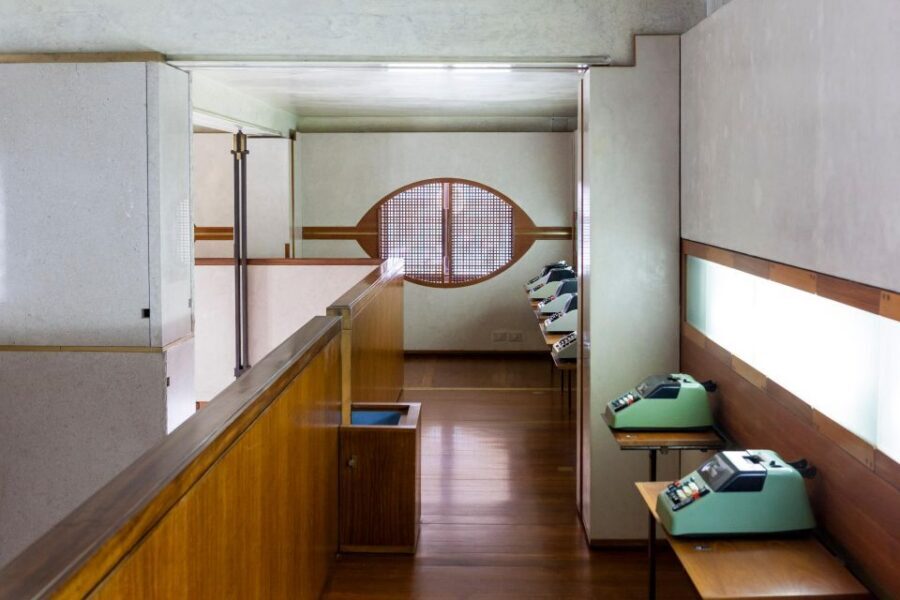
Negozio Olivetti sits right in the orbit of St. Mark’s Square, but the experience feels more like stepping into a designed room than into a museum line. You’ll move through the colonnades of the Procuratie Vecchie and then find a small corner premise where the whole point is communication: how a company’s cultural values can be expressed through modern architecture without disrespecting the older surroundings.
That’s the magic here. The building isn’t trying to compete with Venice. It works with the historic context and then uses contemporary design tricks to pull your attention inward. If you enjoy architecture that’s precise instead of loud, this is a great match.
You can also read our reviews of more tours and experiences in Venice



From the Procuratie Colonnades to the Inside Architecture
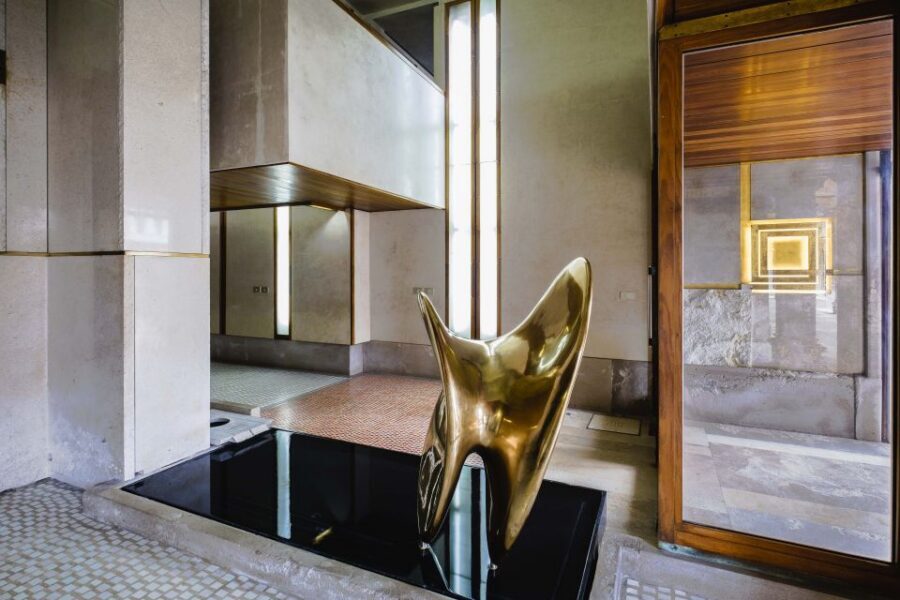
Before you even reach the showroom floor, the location matters. The idea is that you encounter the concept in a place already rich with decorative elements. Then Carlo Scarpa takes on a tough commission: reorganize the spaces and reshape the volumes while making the most of light—and still keep a dialogue with what’s already there.
Practically, that means once you’re inside, you’ll notice that nothing feels random. Surfaces, transitions, and the way objects relate to space all support the same story: modern design, thoughtfully placed. The conservation aspect is also a big part of what you’re seeing, because the architecture has been cared for well enough that the details still read clearly.
What the 1957–58 Showroom Lets You See
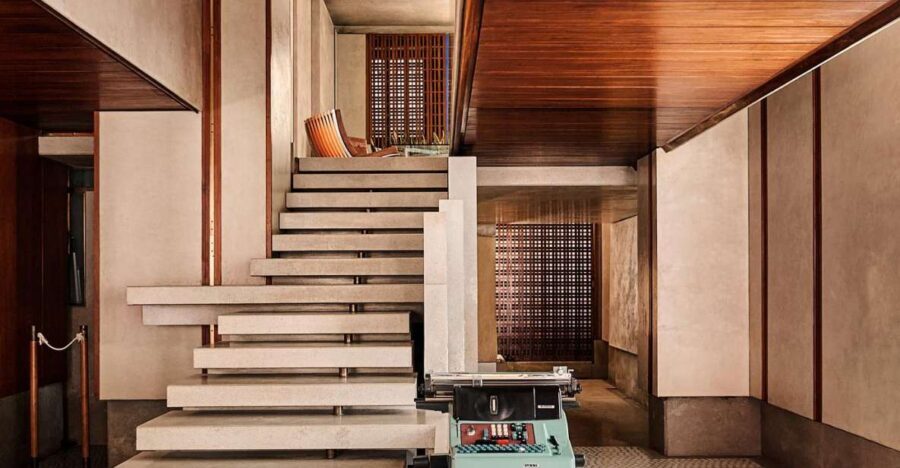
Inside, the experience centers on the original Olivetti showroom layout from 1957–58. It’s not presented as a generic display. It’s restored so you can study the showroom-space as it was, then understand how the architect’s interventions guide you.
A key detail: the interior was carefully restored in 2010, and then reopened to the public in 2011. That matters because it explains why this visit doesn’t feel like a rough adaptation. The space is tuned to be legible, so you can focus on how the room was meant to work.
Also keep in mind that the showroom is not always frozen in time. The space can sometimes present a temporary exhibition, and in that case the content and arrangement of objects may be slightly modified. Translation for your planning: even if you’ve read about the standard setup, you might still see something different depending on the season.
Light, Materials, and the Challenge Scarpa Took On
Carlo Scarpa’s name gets attached to a lot of beautiful work, but Negozio Olivetti is special because you can see the design logic in your line of sight. The architect didn’t just add decoration. He reworked the original unit with a cutting-edge re-organization of the space, shaping volumes and connecting the interior to light.
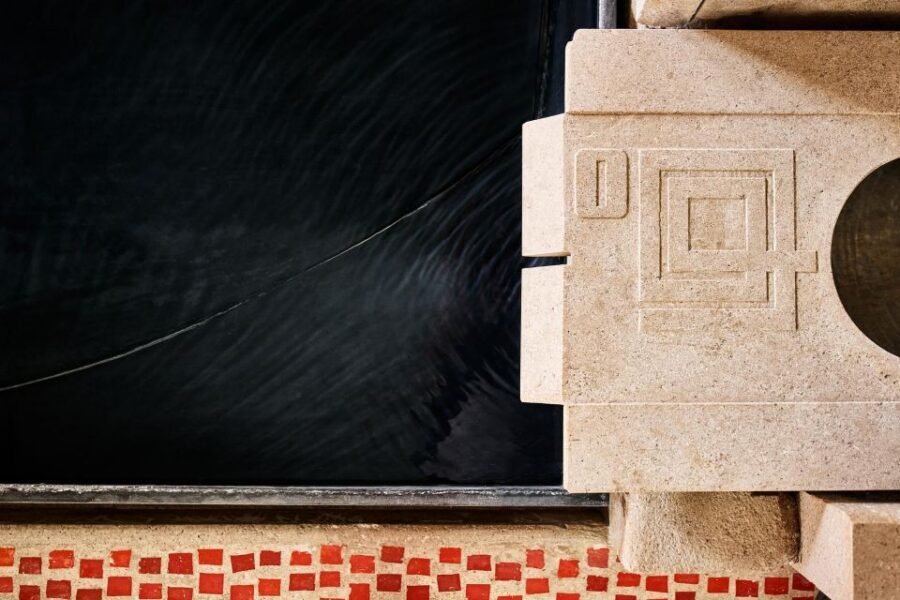
The material choices help you understand the mood and the message. The description highlights luxurious and sophisticated materials such as Aurisina marble and ebony. When you see those kinds of materials in the context of a commercial showroom, it changes how you interpret the whole idea. This wasn’t just selling machines. It was presenting a design philosophy.
And because Scarpa’s commission required engagement with decorative elements already present around you, the interior works like a conversation. It’s not modern design dropped into Venice. It’s modern design answering Venice.
How the FAI and Olivetti Story Connect

Negozio Olivetti is property of FAI – Fondo per l’Ambiente Italiano, entrusted in concession by Assicurazioni Generali. That institutional backing matters because it shapes what you get from the experience: a conservation-minded approach to an object that’s both architectural and cultural.
You also learn about the main protagonists behind the idea: Adriano Olivetti and Carlo Scarpa. The premise you encounter in the Procuratie Vecchie is framed as the ideal building to transmit Olivetti’s company cultural values in a modern, innovative context that still respects the historic surroundings.
So yes, it’s about Olivetti machines. But the deeper payoff is watching how design and company identity intersect—and how architecture can communicate values without needing a lecture.






Audio Guide: Use It Like a Tool, Not Background Noise
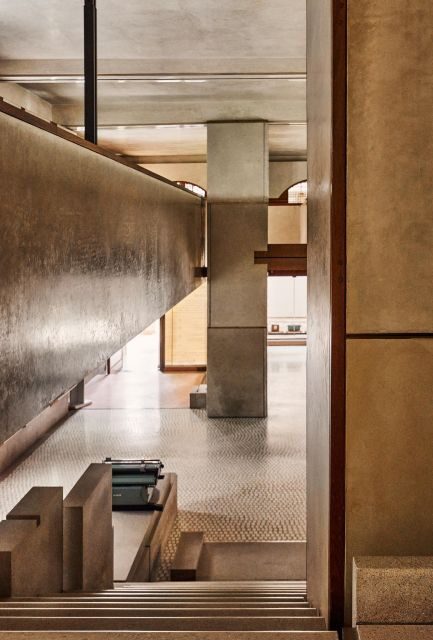
Your ticket includes an audioguide, available in Italian and English. The experience is designed so you can learn as you go: the narration supports what you’re observing in the architecture and in the restored showroom arrangement.
A practical tip: don’t rush to finish the whole guide. Use it to answer questions your eyes will start asking on their own, like:
- Why does this space feel composed rather than cluttered?
- How do the materials and surfaces shape the mood?
- Where does your eye land first, and why?
If you’re the kind of traveler who likes structure, the audio guide gives you just enough framework to read the room properly.
Small Group Size Meets a Small Space
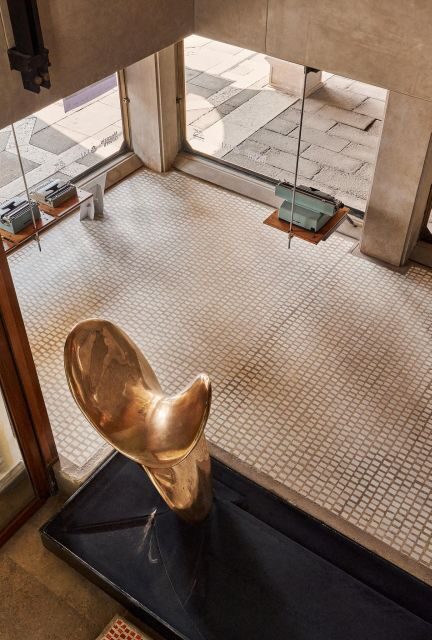
The visit is set up for a small group experience, limited to 10 participants. That’s a big deal here, because the interior is intentionally compact. You’re meant to study details and experience the proportions clearly.
Now, here’s the realistic consideration: because timed entry depends on group scheduling, if another group enters during your visit window, the space can feel tight. In a small room, even a small mismatch in timing becomes noticeable. So when you book, pick a time that gives you a calm start, and plan for the fact that you may be standing close to other visitors while you take in the architecture.
The good news is that the design itself helps you focus. Even with more people in the room, your attention tends to lock onto the building’s most meaningful cues—light paths, material transitions, and the way the showroom is staged.
Simple Rules That Keep the Focus on the Design
This is one of those museum-like interiors where the rules are there for a reason: protect the space and keep the focus on the architecture. You’re not allowed:
- food and drinks
- smoking indoors
- flash photography
- touching the exhibits
In practice, that means you can spend time looking without worrying about handling anything or dealing with distractions. If you’re trying to appreciate Scarpa’s work, these restrictions keep the experience cleaner and more respectful.
How Long Is It, and How Should You Plan Your Day?
The activity is listed as valid for 1 day, and you select a starting time based on availability. Beyond that, the main “time commitment” is simply how long you want to sit with the space—because the value comes from careful looking at architecture and showroom details.
If your goal is a fast hit of Venice culture, this can work as a focused stop. If your goal is design thinking—how buildings communicate—this deserves more patience. It’s short compared to a full museum day, but it can still slow you down in a good way.
Who This Visit Is Best For
I think Negozio Olivetti fits best if you’re any of these:
- an architecture fan who enjoys how spaces are engineered
- a design-minded traveler interested in how commercial spaces can be thoughtfully composed
- someone who likes brand history when it’s tied to real people and real places
- a museum visitor who enjoys audio guides and self-paced study
It’s also a good choice if you want something in Venice that isn’t just about stepping into a famous square and moving on. Here you pause in a room that’s basically a design argument.
Price and Value: Is $11 Worth It?
At about $11 per person, the value comes from what’s included and what the space delivers. You get an entrance ticket plus an audioguide, and you’re paying for access to a very specific thing: Carlo Scarpa’s architecture and the original 1957–58 Olivetti showroom presentation.
This isn’t a broad sampler of Venice. It’s a targeted, high-quality stop. If you care about design, the cost feels small compared with the experience quality. If you’re mostly shopping for big-ticket sights, you might see it as a niche interest. But for anyone who likes architecture details, $11 is easy to justify.
Should You Book Negozio Olivetti?
Book it if you want a calm, design-focused experience in St. Mark’s Square that’s more thoughtful than crowded-sightseeing. The restored showroom from 1957–58, Scarpa’s material-and-light approach, and the audioguide support make this feel like a real study visit, not just a photo stop.
Skip it only if you strongly prefer large, high-energy attractions or you know you dislike tight interiors with multiple entry groups. If that’s you, you’ll still get the architecture—but the room size may not feel comfortable.
If you’re even a little curious about how architecture can communicate corporate values, this is exactly the kind of Venice stop that pays off.