REVIEW · VICENZA
Vicenza: Palladian Architecture Private Walking Tour
Book on GetYourGuide →Operated by Italygonia Travel T.O. · Bookable on GetYourGuide
Vicenza is Palladio’s open-air workshop. This private walking tour is a smart way to connect the dots between Vicenza’s UNESCO center and Andrea Palladio’s ideas in real streets and real buildings. I like how the route focuses on the big “wow” stops first, especially the Olympic Theater exterior and the Chiericati Palace façade and loggias. One thing to plan for: this is mainly an outside-views experience, and museum tickets aren’t included.
You’ll get value from the way the guide explains what you’re looking at as you walk—architecture, civic power, and even why Vicenza feels the way it does. I especially like the Corso Palladio stretch, where Palladio’s influence turns into everyday life: churches, towers, shops, and the kind of café breaks that make a city tour feel human. Just keep expectations realistic: if you’re hoping for lots of inside museum time, this format won’t replace that.
In This Review
- Key things to know before you go
- Vicenza and Palladio: what you’re really seeing
- The 2-hour walking loop: pace, meeting point, and what to expect
- Olympic Theater exterior: the oldest covered concept you can spot quickly
- Chiericati Palace (Civic Museum area): stairways and loggias that mean something
- Corso Palladio: turning architecture into an actual walk through the city
- Piazza dei Signori: the civic “power center” where the buildings argue with each other
- Palladian Basilica: why it’s called a basilica but doesn’t function like one
- Bissara Tower and Captain’s Palace: skyline identity plus town-council authority
- Price and value: when $328.53 makes sense
- What kind of traveler should book this tour?
- Should you book this Vicenza Palladian private walking tour?
- FAQ
- Where does the tour start?
- How long is the Vicenza Palladian Architecture private walking tour?
- Is the Olympic Theater visit inside or outside?
- What’s included in the tour price?
- What language is the guide?
- Can I cancel for free?
- Is there a pay-later option?
Key things to know before you go
- Olympic Theater exterior (only): you see Palladio’s oldest stable covered-theater concept from outside, fast and without ticket stress.
- Chiericati Palace loggias + staircase: the noble-floor design is the star, and you can appreciate it even if you skip the museum.
- Corso Palladio is the “connector”: the tour uses the main street to link monuments to the walkable historic center.
- Piazza dei Signori = civic center: you’ll get the big-picture story of Vicenza’s social and political life in one square.
- Basilica + Bissara Tower: two landmarks that explain Palladio’s Roman inspiration and Vicenza’s skyline identity.
- Private group pace (up to 15): the guide can answer questions and tailor the walk for your group’s interests.
Vicenza and Palladio: what you’re really seeing
Vicenza’s beauty isn’t just visual. It’s structural. Palladio’s work in this city is like a set of rules written in stone—proportions, loggias, stairways, and “Roman” forms used for modern civic life. That’s why this tour works: it doesn’t treat buildings like museum objects. It treats them like a language you can follow street by street.
This is also a practical introduction to UNESCO Vicenza, because you’re not trying to sprint across dozens of sites. You’re walking a focused loop that hits the most legible Palladian features: a theater square, a palace with noble-floor architecture, a main boulevard that stitches the city together, and the civic heart in Piazza dei Signori.
The tour’s time frame matters here. With about two hours, you’re less likely to hit that end-of-day wall where everything starts to feel the same. Instead, you get a clear arc: theater and palace ideas first, then the big political square, then the skyline and town-council buildings.
You can also read our reviews of more walking tours in Vicenza
The 2-hour walking loop: pace, meeting point, and what to expect
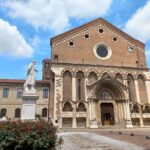
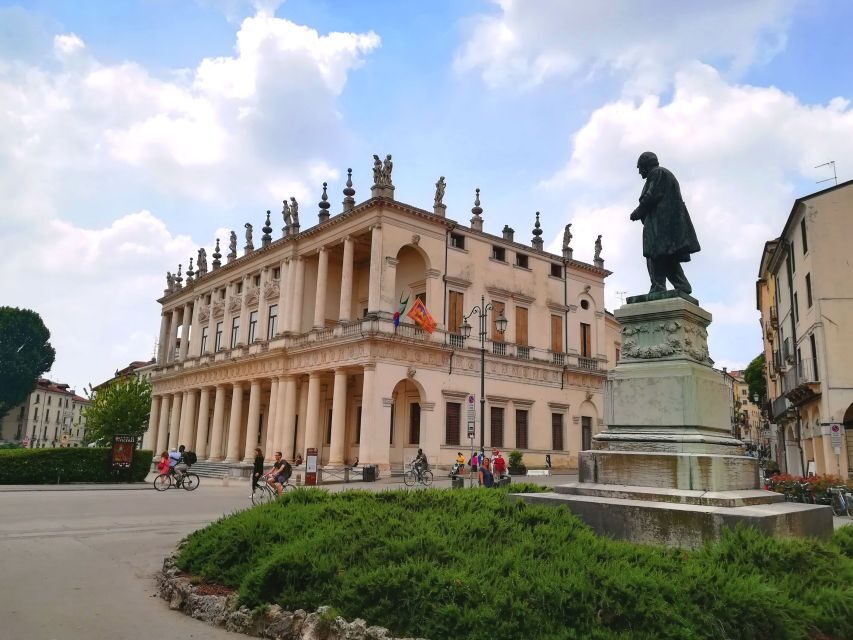
You meet at Piazza Castello square, right by the Giuseppe Garibaldi statue, and you’ll spot the guide by their licensed badge around the neck. It’s a straightforward starting point, and it helps you avoid wasting time hunting for a group.
From there, the tour moves in a logical order. You start at the Olympic Theater square area (seen from outside), continue to Chiericati Palace, then walk along Corso Palladio into the historic center. The final stretch concentrates on Piazza dei Signori and the surrounding Palladian landmarks.
Because the tour is private and designed for a small group (up to 15), it tends to feel more like a guided stroll than a rigid checklist. Still, remember the schedule is tight, and most stops are external views. If you want to linger for photos, ask questions, and then quickly snap back into the flow, this is the kind of tour that can actually manage that balance.
Olympic Theater exterior: the oldest covered concept you can spot quickly
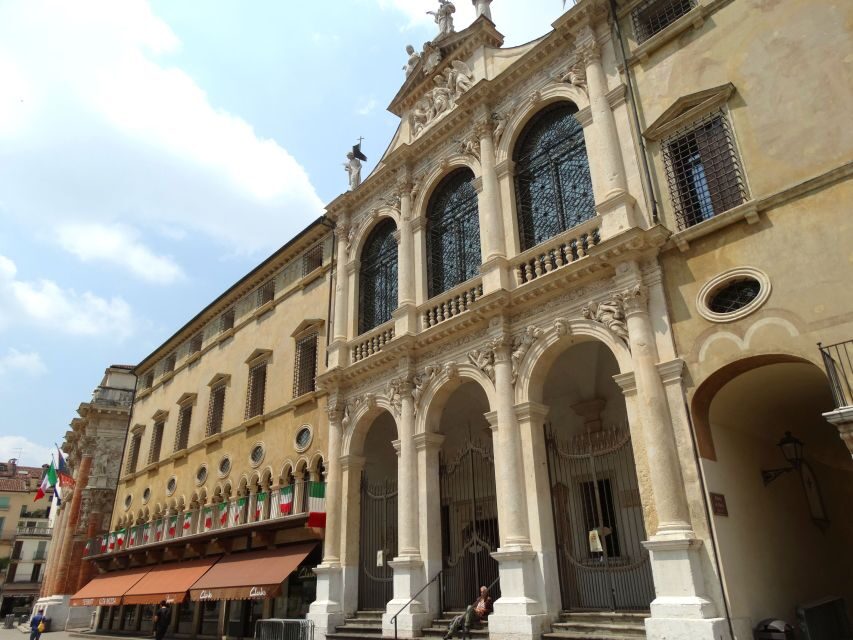
The tour begins at the Olympic Theater, and here’s the key detail: you visit it only on the outside. That might sound limiting, but it’s actually part of the value. Palladio’s design is about the relationship between structure and space, and you can still read a lot from the exterior setting and the theater square itself.
This theater is described as the oldest stable covered theater of the modern era designed by Palladio. Even without stepping inside, you get the sense that this is not a casual building—it’s a major civic and cultural statement set into a specific urban stage.
Practically, this “outside first” approach gives you two wins. You get oriented fast, and you’re not at the mercy of ticketing or interior access if you’re on a short schedule. Your guide will point out what Palladio was doing conceptually and how the theater connects to the nearby palace design ideas.
Chiericati Palace (Civic Museum area): stairways and loggias that mean something
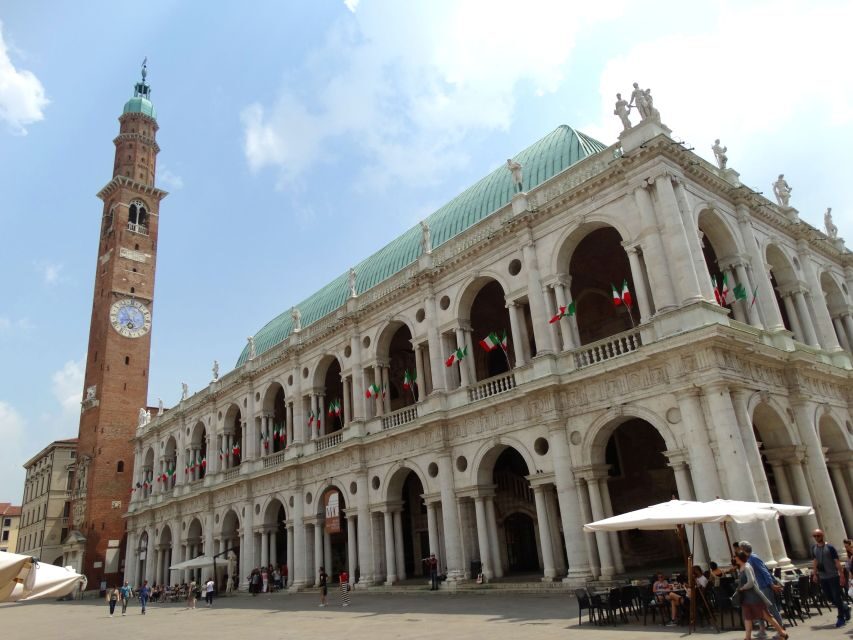
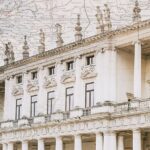
Next comes Chiericati Palace, a Palladian work dating back to the 16th century. This stop is worth it even if you never step into the museum, because the palace’s architectural language is meant to be seen from the street and approached with intention.
The most helpful features to focus on are the distinctive staircase and the large loggias on the noble floor. Those elements aren’t decoration for decoration’s sake. Palladio is using grandeur to frame status and public life—who enters, how you rise toward the “important” level, and how open arcades create a rhythm of light and shadow.
The tour notes that the palace today houses the Civic Museum with works of artistic value, but museum tickets are not included. So here’s the practical takeaway: if you want museum time, plan to add it separately. If you’re happy with architecture-only appreciation, you’ll still come away with a strong understanding of why this palace is one of Palladio’s signature moves in Vicenza.
Corso Palladio: turning architecture into an actual walk through the city
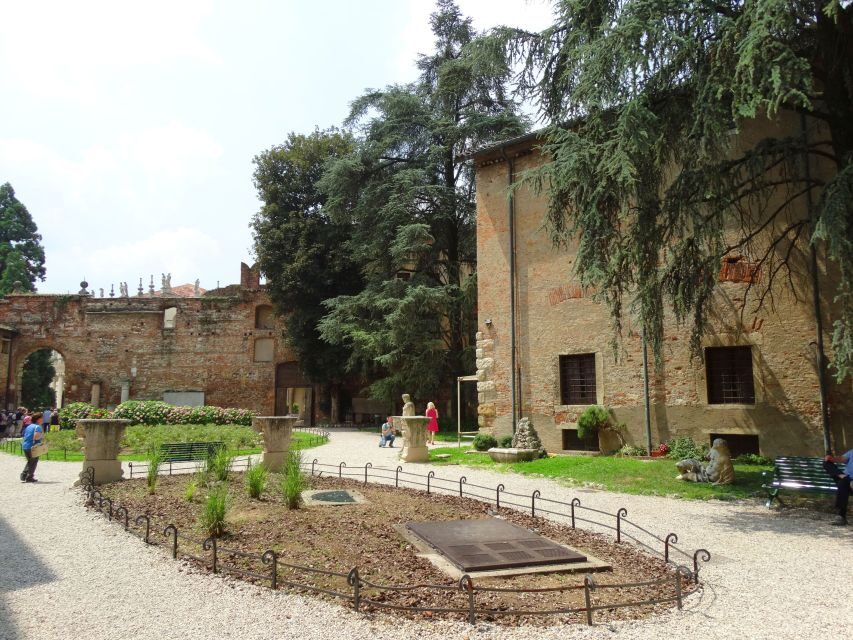
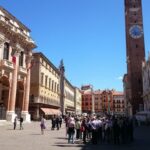
Now comes my favorite kind of stretch on a walking tour: the part where the city stops being a list of monuments and starts being a place you could wander on your own. Corso Palladio is the main street crossing Vicenza and leading you through the historic center.
The tour frames it as a corridor of Palladian influence, not just a path between sites. Along the street you’ll pass or pass close to important historic buildings shaped by Palladio, plus churches, medieval towers, and shops. And yes, the guide points out the human side too: this is where you’ll find cafes for a spritz and taverns with typical Venetian products.
This matters because it changes what “seeing Palladio” means. You start to notice proportions and façades, but you also notice how the city’s everyday life wraps around those grand ideas. For me, that’s when the architecture clicks. It stops feeling like a concept and starts feeling like lived space.
You can also read our reviews of more private tours in Vicenza
Piazza dei Signori: the civic “power center” where the buildings argue with each other
Piazza dei Signori is described as Vicenza’s meeting point, and the tour treats it that way—commercial and social power packed into one square. When you arrive, you’ll notice how the buildings give the space its character, with civic life at the center rather than pure religious grandeur.
In addition to the Palladian Basilica, you’ll see or admire externally other landmark buildings, including the Bissara Tower, the Monte di Pietà Palace, the Church of S. Vincenzo, and the Captain’s Palace. The square’s meaning gets reinforced by the two columns dedicated to the Serenissima (Venice): one with the Lion of San Marco, and the other with Christ the Redeemer.
That icon detail isn’t just trivia. It’s a reminder that Vicenza’s identity was tied to wider political and cultural forces. Your guide uses these symbols to help you read what the buildings are doing: signaling authority, connection, and civic pride.
If you like your architecture with context—who controlled what, what mattered socially—this is where the tour starts paying off in a deeper way.
Palladian Basilica: why it’s called a basilica but doesn’t function like one
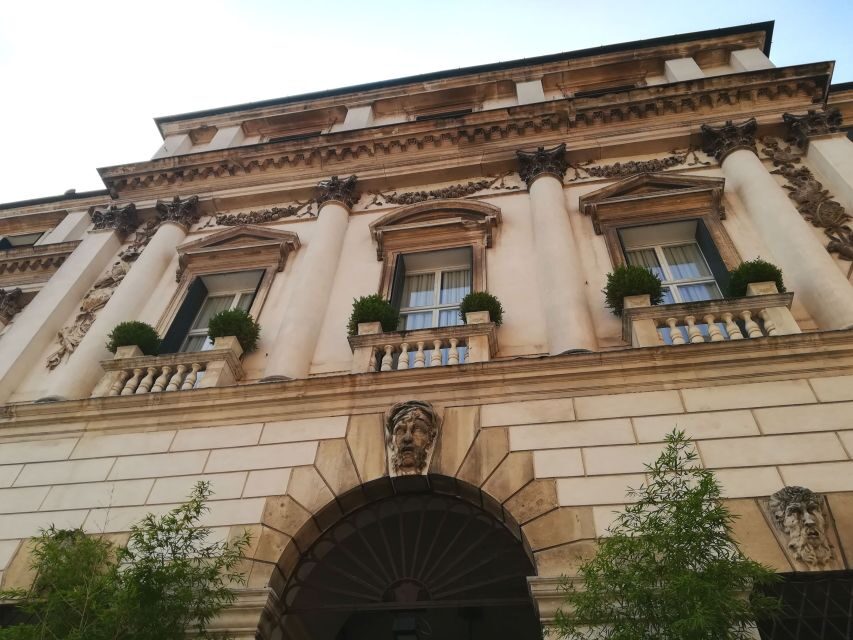
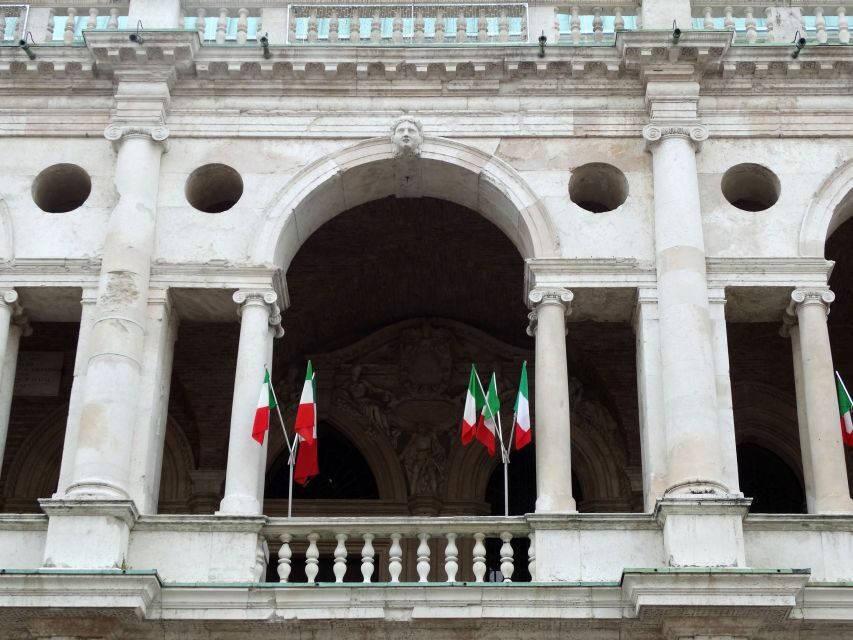
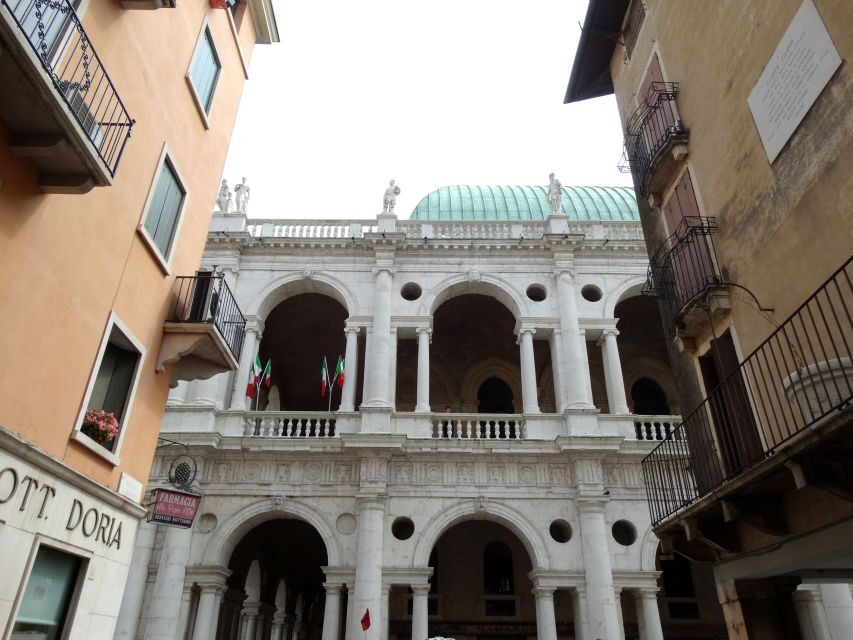
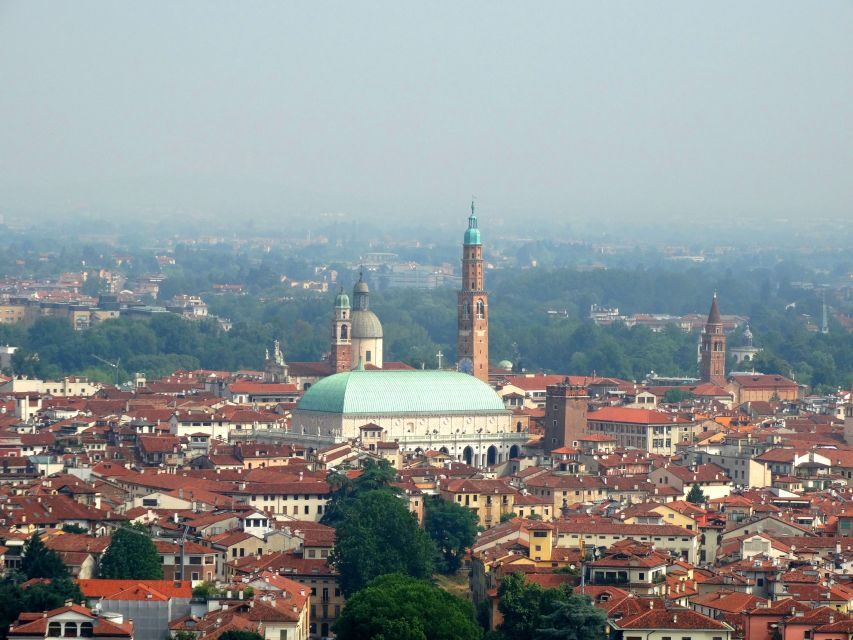
The most famous building dominating the square is the Palladian Basilica. Here’s the important correction your guide will help you remember: it is not a true religious basilica. Palladio used the term in homage to Roman antiquity because the building housed municipal councils, built on the ancient Palace of Reason.
So while it has the dramatic presence people associate with sacred spaces, the purpose is civic. That’s why the design is so forceful in shaping the public’s sense of order. You’re meant to feel the idea of governance and deliberation in marble and stone.
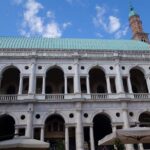
The tour explores the Basilica externally, with emphasis on the marble staircase and the loggia. You’ll also notice the green copper covering that makes it one of Vicenza’s recognizable symbols.
This is a strong stop if you’re trying to understand Palladio quickly. Instead of getting lost in technical jargon, you get the role of the building—civic power—then you see how Palladio’s “Roman” references work in real daylight on a real façade.
Bissara Tower and Captain’s Palace: skyline identity plus town-council authority
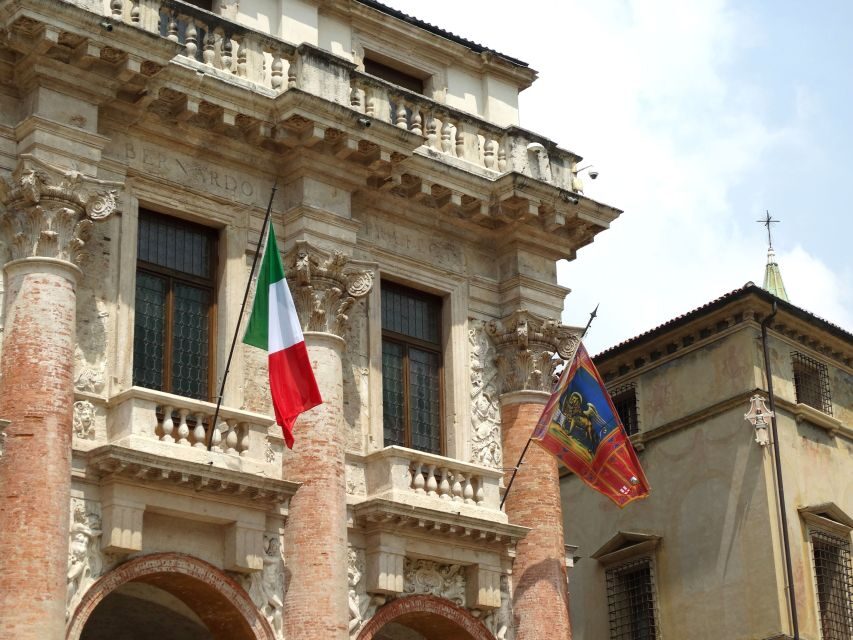
From the Basilica area, the tour naturally expands outward to two more key statements: the city’s vertical identity and its civic administration.
First up is the Bissara Tower, listed at 82 meters high. The guide’s point is clear: it’s visible from every part of Vicenza, so it acts like an anchor in your mental map of the city. That means when you walk away from the square, you’re not just leaving buildings behind—you’re leaving with a landmark that helps you navigate.
Then comes the Captain’s Palace, another Palladian-era highlight. The tour describes it as Renaissance period and decorated with columns, statues, and decorations, and today it’s the seat of the Town Council. That detail matters because it links architecture to ongoing civic use. Even if you’re not following municipal politics, you can see how design and function reinforce each other across centuries.
Together, the Basilica, Bissara Tower, and Captain’s Palace create a neat trio: civic deliberation, skyline guidance, and governance in a formal palace setting. That’s exactly the kind of “aha” most architecture tours try to deliver, and this route does it without wasting time.
Price and value: when $328.53 makes sense
The price is listed as $328.53 per group up to 15, for a duration of about 2 hours. For a private tour, that’s not a bargain in the usual sense. But value depends on how you fill the group.
If you’re traveling as a bigger group close to the maximum, the per-person cost can feel reasonable for a licensed guide who can answer questions and keep the walk moving efficiently. If it’s just a couple of you, it will likely feel pricey compared to joining a public group tour, because you’re paying for privacy and direct guiding.
There’s another way this tour can still be a “good use of money.” The route covers the most recognizable Palladian ideas in the city center—Olympic Theater exterior, Chiericati Palace loggias, Corso Palladio, and the civic square complex. If you’re short on time in Vicenza and want a guided framework to understand what you’re looking at, the guide can save you from spending that time scratching your head.
One caution from the real-world experience side: some people weren’t happy when a theater plan didn’t work as expected. The takeaway for you is simple. Because the tour already specifies that the Olympic Theater visit is outside and museum tickets aren’t included, don’t assume you’ll get extra interior stops. If interior access matters to you, confirm what’s included before you go.
What kind of traveler should book this tour?
This tour is a strong fit if:
- You want a first-time introduction to Vicenza and Palladio without committing to a long day.
- You like guided explanations that connect buildings to civic life and design choices.
- You prefer a private pace where you can ask questions and keep walking without waiting on a big crowd.
- You’re staying in the city center area and want a clean, logical route that returns you to the meeting point.
I’d think twice if:
- You’re mainly interested in interior museum time, since museum/attraction tickets aren’t included and some stops are exterior only.
- You want a long list of additional sites beyond the core Palladian landmarks in the downtown center.
- You’re extremely budget-focused and your group size is small, since the per-group pricing can feel steep.
Should you book this Vicenza Palladian private walking tour?
If your goal is to understand Palladio in Vicenza—fast, clearly, and in a walkable way—this is a good bet. I like that the itinerary is built around the most readable architecture: the theater square, Chiericati’s staircase and loggias, the main street that stitches the city together, and Piazza dei Signori where civic power is expressed in stone.
Book it if you value a licensed guide, exterior-focused sight reading, and a tight two-hour structure that keeps you from turning Vicenza into an exhausting sprint.
Don’t book it if you want a heavy dose of paid interiors or you expect everything inside to be included. In that case, you may need a longer tour or separate ticket plans.
Either way, you’ll come away with a clearer sense of why Vicenza mattered to Palladio—and why his designs still feel like they were made for walking and looking up.
FAQ
Where does the tour start?
The tour starts at Piazza Castello square, next to the Giuseppe Garibaldi statue. The guide will have a licensed badge visible around their neck.
How long is the Vicenza Palladian Architecture private walking tour?
The duration is 2 hours (starting times depend on availability).
Is the Olympic Theater visit inside or outside?
You visit the Olympic Theater only on the outside.
What’s included in the tour price?
The tour includes a licensed tour guide. Ticketed museum or attraction entry is not included.
What language is the guide?
The live guide offers Italian and English.
Can I cancel for free?
Yes. Free cancellation up to 24 hours in advance is available for a full refund.
Is there a pay-later option?
Yes. You can reserve now & pay later, keeping your travel plans flexible.